admin
admin How to Use Vermiculite for Moisture Retention in Money Trees: My 2-Week Experiment
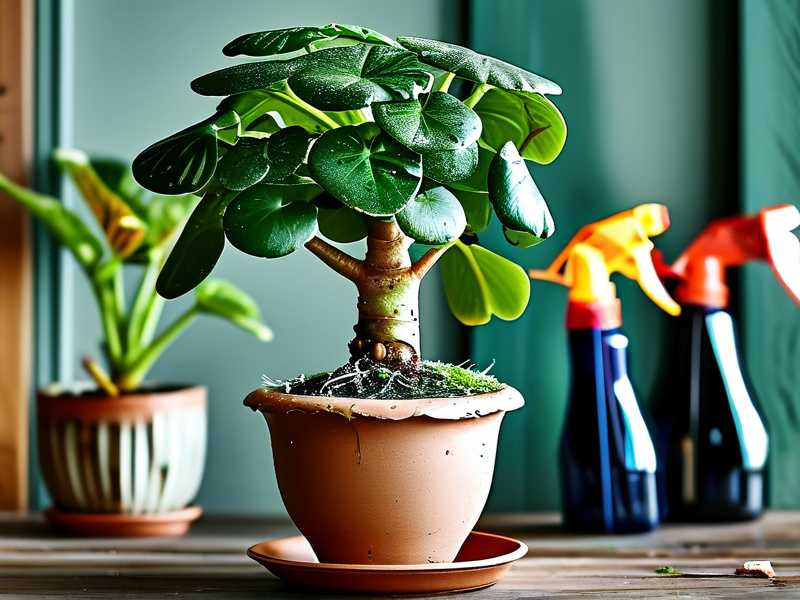
I used to watch my money tree’s leaves turn yellow with a sinking heart. No matter how carefully I stuck to a watering schedule, the soil seemed to either dry out too fast or stay soggy for days. The problem, I realized, wasn’t my watering can; it was the soil’s inability to manage moisture consistently. That’s when I decided to explore how to use vermiculite for moisture retention in money trees. This lightweight, sponge-like mineral promised to be the solution I needed, and I embarked on a hands-on, two-week trial to see if it lived up to the hype. Here’s my complete journey, from mixing the potting medium to the final results, including every mistake and lesson learned along the way.
Understanding Your Money Tree’s Thirst
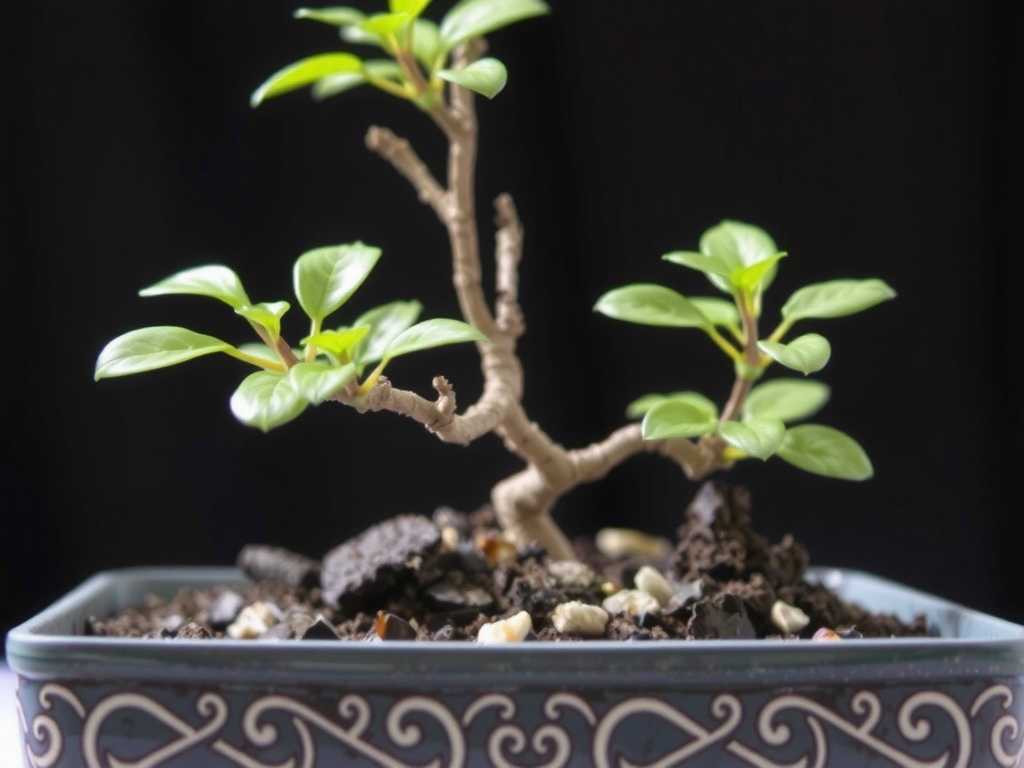
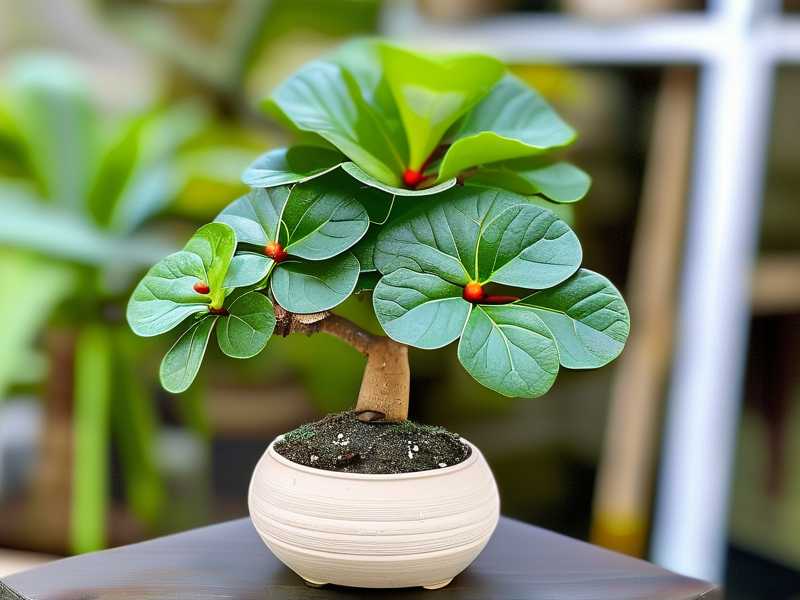
Money trees (Pachira aquatica) are beloved for their resilience, but they have a specific sweet spot. They prefer their roots to be evenly moist but never waterlogged. Root rot from overwatering is a far more common killer than underwatering. The goal is to create a soil environment that holds water long enough for the roots to drink their fill, while allowing excess to drain freely and letting air reach the roots. This balance is where a standard potting mix often fails, and where a soil amendment like vermiculite shines.
Why Vermiculite is a Game-Changer for Moisture Control
Vermiculite is a natural mineral that expands into lightweight, accordion-shaped granules when heated. These granules are highly absorbent, capable of holding several times their weight in water and nutrients. According to the Royal Horticultural Society (RHS), incorporating vermiculite into potting mixes improves water retention and aeration simultaneously, creating a more hospitable environment for root development. For a money tree, this means the soil stays moist for longer periods between waterings, reducing drought stress and the risk of overwatering from frequent irrigation.
My Step-by-Step Process: Repotting with Vermiculite
I gathered my supplies: a new bag of coarse-grade horticultural vermiculite, a well-draining pot with drainage holes, fresh potting soil, and my slightly thirsty money tree.
Step 1: Creating the Perfect Mix I didn’t want to guess. Based on research from resources like the American Horticultural Society (AHS), a safe and effective ratio for moisture-loving plants is 1 part vermiculite to 3 parts potting soil. I mixed them thoroughly in a large tub. The vermiculite’s light color and texture immediately lightened the soil structure.

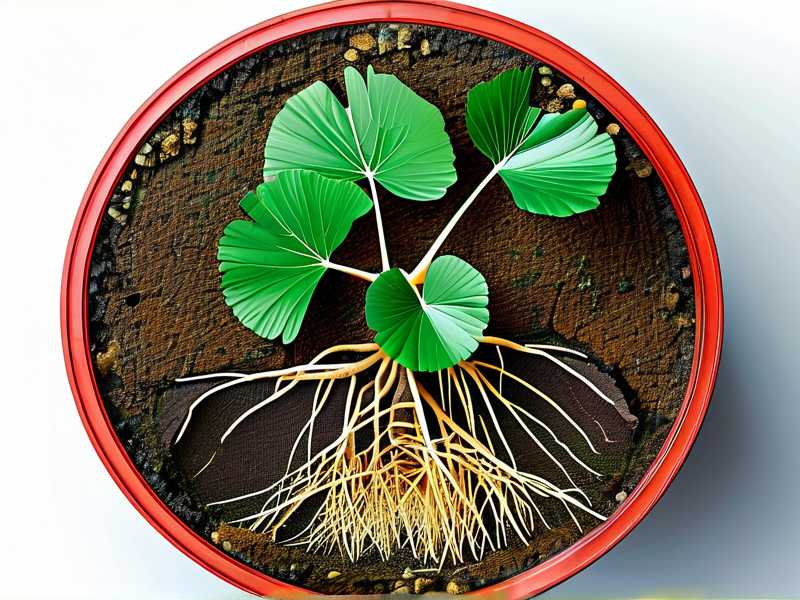
Step 2: The Repotting Procedure Gently, I removed my money tree from its old pot, teasing out the roots. I placed a layer of my new vermiculite-enhanced soil mix in the bottom of the new pot, set the plant in, and filled in around the sides. I finished with a thorough watering until it ran from the drainage holes, helping the soil settle and the vermiculite to start absorbing moisture.
The First Critical Days and a Major Mistake
The first few days were promising. The soil surface felt cool and slightly damp, not wet. However, by day 5, I made my first error. Out of old habit, I poked my finger into the soil. It felt dry about an inch down, so I watered it. This was my “pitfall of instinct over observation.”
Two days later, I noticed the leaves looked less perky, not dry, but almost heavy. I checked the soil deeper down—it was still very moist. I had watered based on the top layer drying, but the vermiculite was doing its job too well underneath, retaining plenty of moisture for the roots. I had nearly overwatered it right after praising the mix for preventing overwatering! The solution was simple but crucial: I stopped relying on a schedule or a surface check. I invested in a simple soil moisture meter. From then on, I would only water when the meter read “moist” at the root zone level, not “wet” or “dry.”
The Two-Week Observation: Visible Transformation
After correcting my watering tactic, the real benefits became clear.
- Week 1 (Post-Correction): The plant stabilized. No new yellow leaves appeared. The soil moisture, as read by the meter, remained consistently in the “moist” range for a full 7 days after my last watering—a significant increase from the 3-4 days with the old soil.
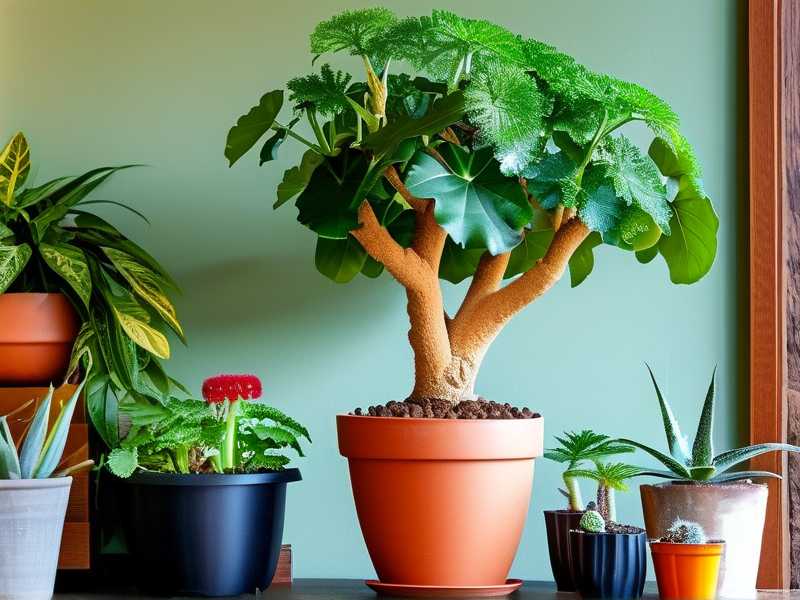
- Week 2: This is when I saw active improvement. A new, glossy green leaf began to unfurl from the top growth point. The existing leaves looked thicker and had a healthier sheen. The most telling sign? When I gently lifted the pot, it had a substantial heft from retained water, yet the surface was dry and airy. The vermiculite for money tree soil was creating a perfect reservoir of hydration at the root level without causing surface compaction or sogginess.
Optimizing Moisture Retention for Potted Plants
My experiment taught me that using vermiculite to retain water is not a “set and forget” solution. It’s a tool that changes your plant care dynamics. Here’s how to optimize it:
- Pot Choice is Key: Always use a pot with drainage holes. Vermiculite holds water, but it needs an escape route for excess. A sealed pot would turn this benefit into a death sentence.
- The Finger Test is Dead: For mixes with vermiculite, abandon the finger test. Use a moisture meter. It provides an accurate reading of what’s happening where the roots live.
- Seasonal Adjustments: In cooler, low-light months, my money tree’s water consumption will drop. I’ll need to extend watering intervals even further, as the vermiculite will retain the moisture longer in the absence of strong light and heat.
Addressing Your Top Questions
Will vermiculite cause root rot in my money tree? No, when used correctly, it helps prevent it. Vermiculite retains water and improves soil aeration. The air pockets between the granules allow oxygen to reach the roots, which is vital for preventing the anaerobic conditions that cause rot. The risk only exists if you pair it with a pot without drainage or continue to water on a rigid schedule without checking soil moisture.
What’s the difference between vermiculite and perlite for money trees? This is a crucial distinction. Both are soil amendments, but they serve different primary purposes. Perlite is a white, porous volcanic glass that improves drainage and aeration but does not retain water or nutrients. Vermiculite absorbs and holds both water and nutrients, releasing them slowly. For a money tree that needs consistent moisture, vermiculite is generally the better choice. Some gardeners use a small amount of perlite in the mix with vermiculite for extra drainage insurance.
How often should I repot my money tree with a vermiculite mix? A well-made vermiculite and potting soil blend should last for 1-2 years before it begins to break down and compact. A good sign it’s time to repot is when the soil dries out noticeably faster or the plant becomes root-bound. When you repot, refresh the mix entirely for the best continued moisture retention for potted plants.
My two-week journey with vermiculite transformed not just my money tree’s health, but my approach to watering. It moved me from a cycle of guesswork and reaction to one of confidence and understanding. The key takeaway isn’t just adding a mineral to your soil; it’s about committing to a more observant, responsive care style. By trusting the vermiculite to manage moisture and using a tool to monitor it, I’ve given my money tree the stable, hydrated foundation it needs to thrive, and I’ve finally stopped worrying about those yellow leaves. The proof is in the vibrant new growth pushing its way toward the light.