admin
admin How to Boost Immunity in a Money Tree Against Pests: My 2-Week Rescue and Fortification Plan
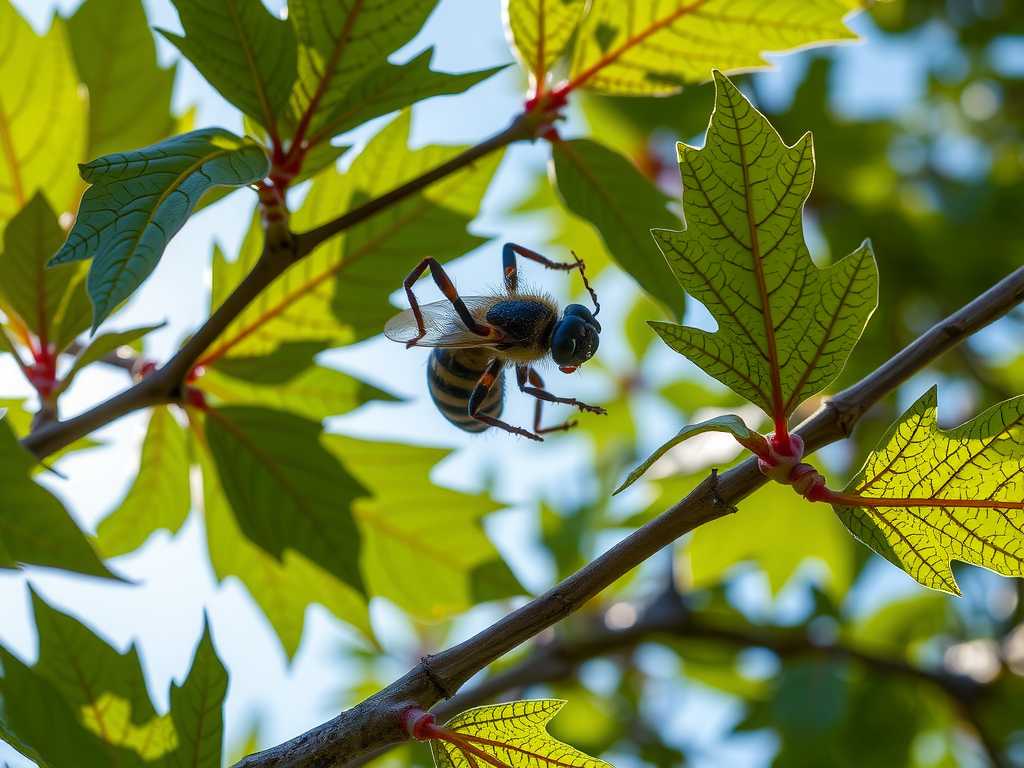
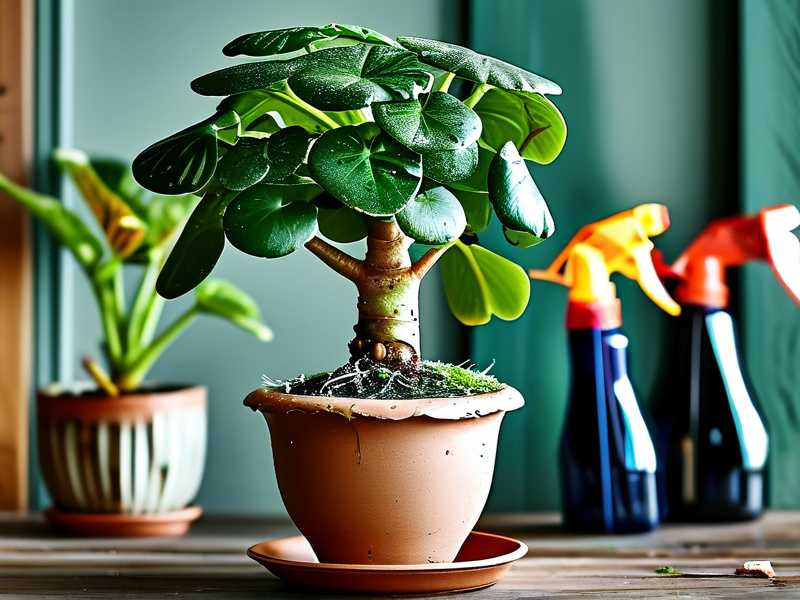
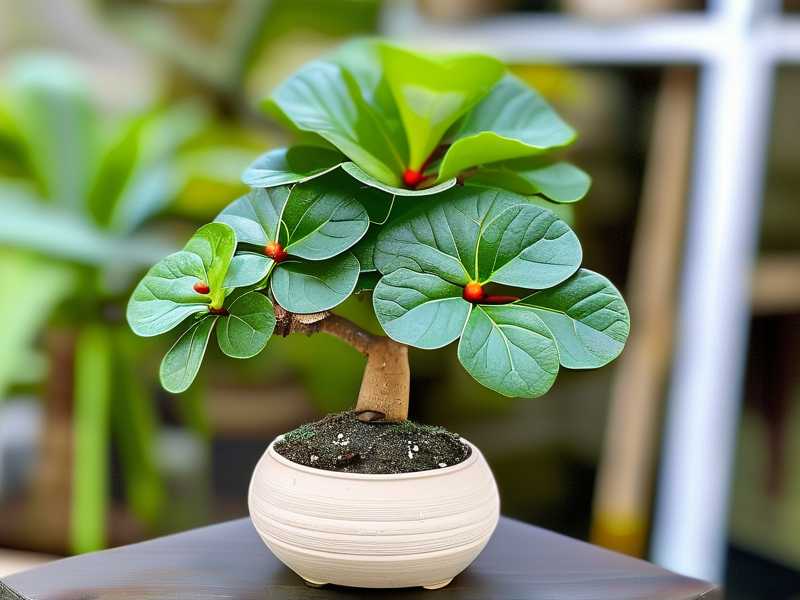
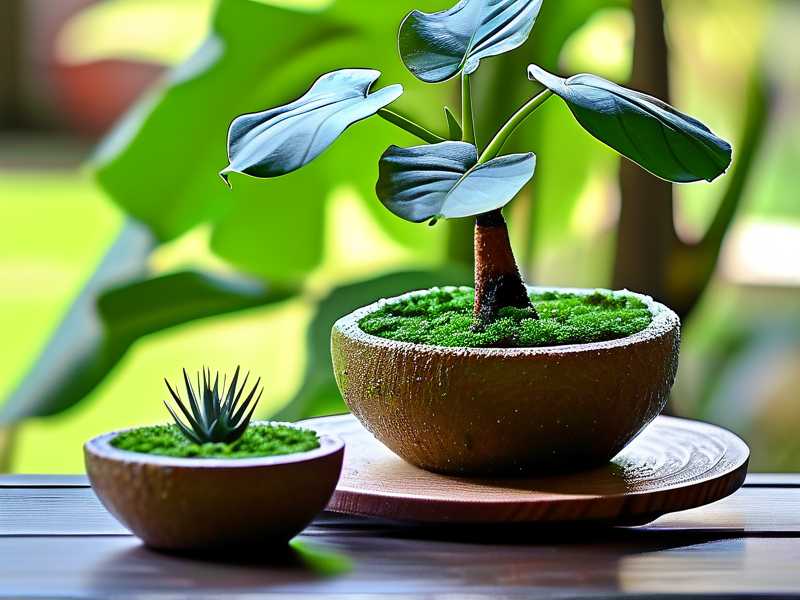
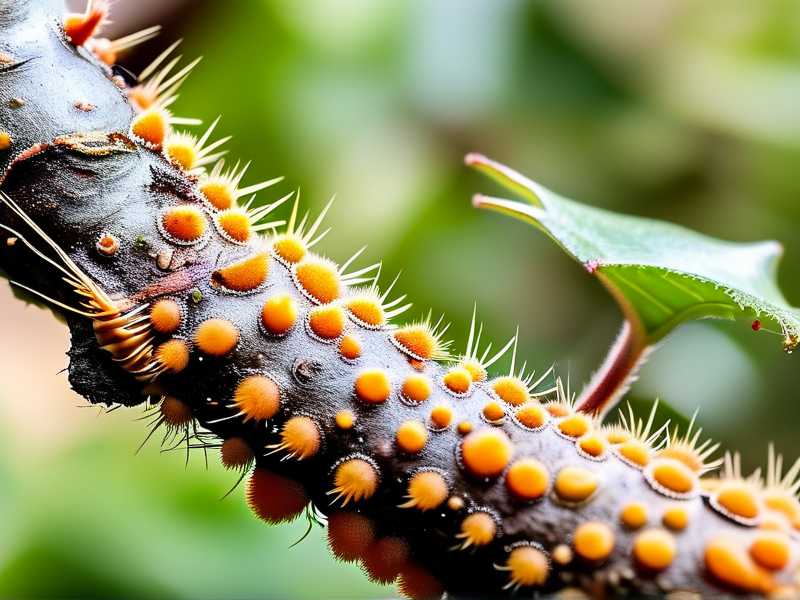
There’s a special kind of panic that sets in when you notice something off about your beloved Money Tree (Pachira aquatica). One day it’s a symbol of prosperity and calm in your living room; the next, you spot tiny webs, sticky residue, or discolored leaves. You’ve tried wiping leaves and even a store-bought spray, but the problem seems to creep back. I’ve been there. The real issue isn’t just eliminating the pests you see today; it’s about fundamentally strengthening your plant so it can resist invaders tomorrow. This journey is about shifting from reactive pest control to proactive health building. After a recent infestation battle, I dedicated two weeks to a systematic plan focused not on harsh chemicals, but on boosting my Money Tree’s natural immunity against pests. The results transformed not just the plant, but my entire approach to plant care.
Understanding the Enemy: Why Pests Target a Weak Money Tree
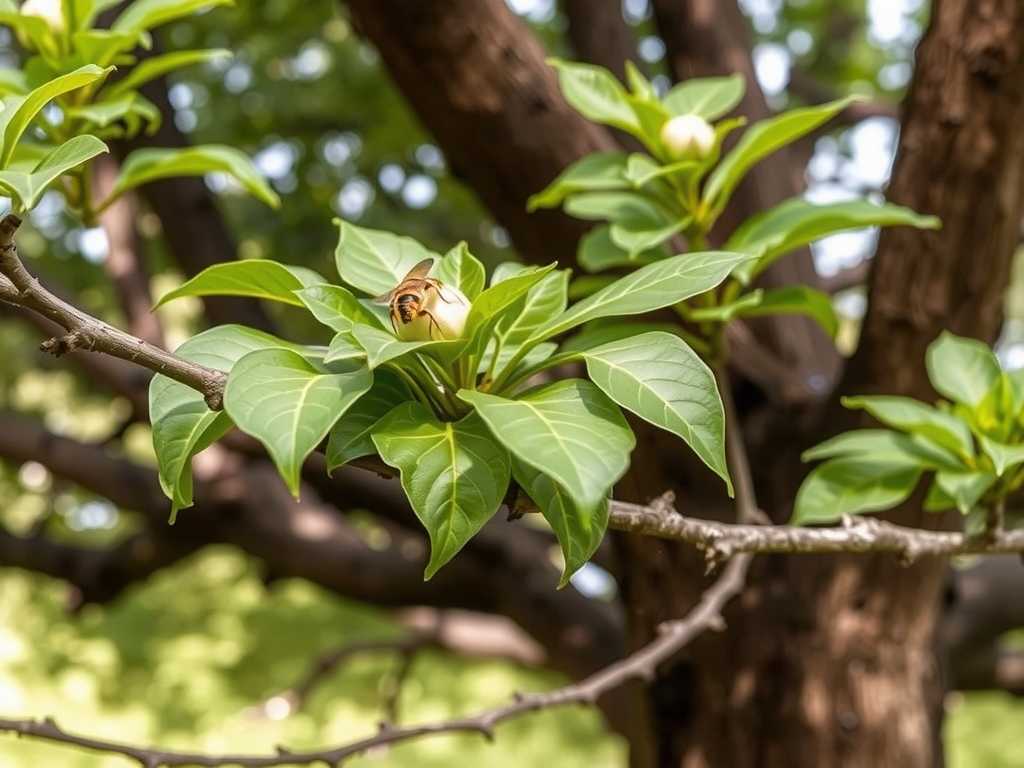
Before you can fortify, you need to understand the breach. Pests like spider mites, mealybugs, and scale are opportunists. They don’t typically attack vigorous, healthy plants with strong defenses. According to principles often echoed by horticultural bodies like the RHS (Royal Horticultural Society), stress is the primary catalyst for pest vulnerability. For a Money Tree, this stress often comes from our well-intentioned mistakes.
In my case, the culprits were subtle: inconsistent watering leading to mild drought stress, combined with low humidity from indoor heating. This created the perfect environment for spider mites to thrive. The plant’s natural sap became more appealing, and its ability to “wall off” minor infestations was compromised. I realized that spraying miticides would be a temporary fix if I didn’t address these underlying health issues first.
My 2-Week Immunity-Boosting Protocol: A Step-by-Step Diary
I committed to a two-week intensive care routine, followed by ongoing adjustments. The goal was to create an environment where my Money Tree could thrive and its natural defenses could rebound.
Week 1: The Rescue and Reset Phase
The first week was about damage control and setting a strong foundation.
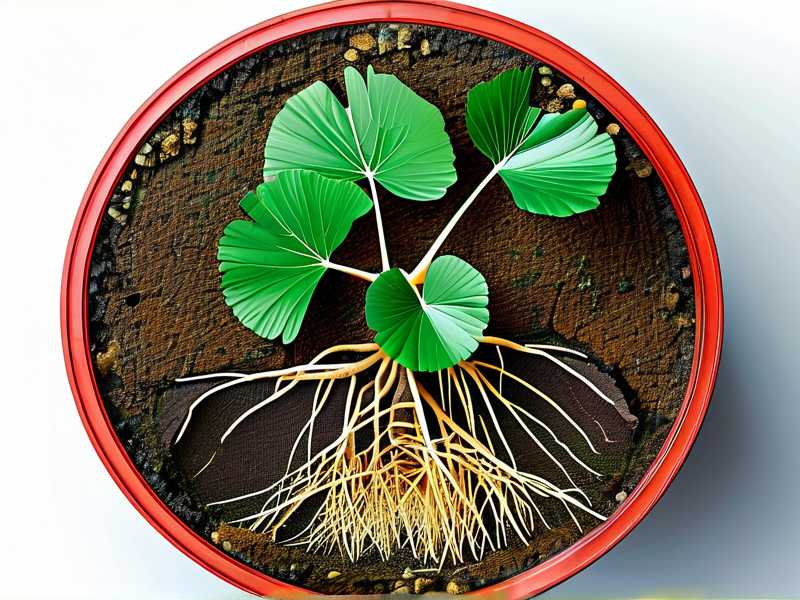
- Day 1-2: The Gentle Cleanse and Assessment. I isolated the plant to protect others. Instead of reaching for a harsh insecticidal soap immediately, I gave it a thorough but gentle shower with lukewarm water, focusing on the undersides of leaves to dislodge mites and eggs. I pruned only the two most severely affected leaves. This physical removal reduced the pest load without stressing the plant with heavy defoliation. I then carefully inspected the roots, finding them slightly cramped. This was my first “aha” moment—a root-bound plant struggles to uptake nutrients vital for immune function.
- Day 3: Strategic Repotting for Root Health. Following expert advice from sources like the American Horticultural Society (AHS), which emphasizes soil health as the bedrock of plant vitality, I repotted. I chose a pot only 2 inches larger in diameter with excellent drainage. The soil mix was crucial: I used a well-draining, peat-based potting mix amended with extra perlite and a handful of worm castings. Worm castings are a gentle, organic source of beneficial microbes and nutrients that stimulate root growth and enhance nutrient availability, a key first step in strengthening a Money Tree’s pest resistance.
- Day 4-7: The Humidity and Hydration Balance. Money Trees appreciate moderate humidity, which also deters spider mites. I placed the pot on a pebble tray filled with water and grouped it with other plants. I established a strict watering routine: checking the top 2-3 inches of soil for dryness and watering deeply until it drained freely. Consistency here was critical to avoid root rot or drought stress.
The Pitfall I Encountered and How I Solved It: By Day 5, I noticed a few yellowing leaves. I panicked, thinking I was overwatering. After checking the soil, I realized it was actually transplant shock and the plant shedding old, compromised growth. I resisted the urge to over-correct by watering more and stuck to my plan. I ensured it received bright, indirect light (no direct sun, which would add stress) and left it alone to acclimate. This taught me patience—a plant’s recovery isn’t always linear.
Week 2: The Fortification and Observation Phase
With the plant stabilized, week two focused on active strengthening.
- Day 8-10: Introducing the Immunity Elixir – Foliar Feeding. Here’s where I targeted improving a Money Tree’s immune system directly. I began a mild foliar feeding regimen using a diluted seaweed kelp extract. Seaweed is rich in trace minerals, antioxidants, and natural growth hormones like cytokinins. Research, including studies cited in horticultural reports, shows that seaweed extracts can enhance a plant’s systemic acquired resistance (SAR)—its internal alarm and defense system. Every 3-4 days, I lightly misted the undersides of the leaves in the early morning. This provided a direct nutrient boost and created an unappealing surface for pests.
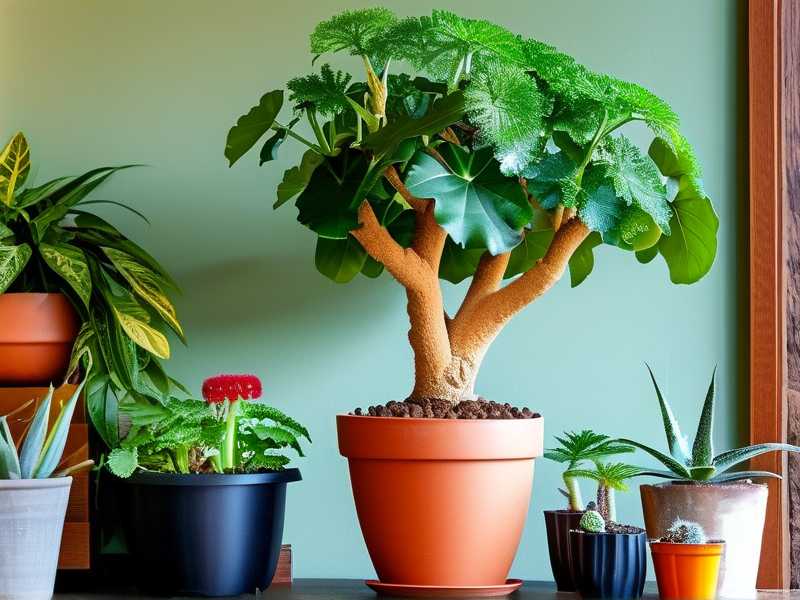
- Day 11-14: Soil Boosting and Refined Care. I incorporated a balanced, diluted liquid fertilizer with a slight emphasis on potassium (the “K” in N-P-K), which aids in overall plant vigor and disease resistance. I continued my consistent watering and humidity checks. By the end of the second week, the change was undeniable. New growth was emerging—a vibrant, healthy green and noticeably firmer. The existing leaves had lost their dull, stressed appearance. Most importantly, there was no sign of new pest activity.
Sustaining a Pest-Resistant Money Tree for the Long Term
The two-week protocol was the intensive care unit. The real success lies in maintaining that health.
- Light is Non-Negotiable: I positioned the tree in a spot with steady, bright indirect light. Ample light is the engine for photosynthesis, which fuels all growth and defense mechanisms.
- The Nutrient Foundation: I now feed monthly during the growing season with a balanced organic fertilizer, continuing to use worm castings as a top-dressing every few months to keep the soil microbiome active.
- The Power of Observation: I spend a minute each week during watering to inspect leaf undersides and stems. Early detection is the ultimate form of pest prevention, allowing for a simple wipe-down with neem oil solution if needed, rather than a full-blown infestation.
Your Questions, Answered
Can I just use neem oil regularly to prevent pests? While neem oil is an excellent organic tool, using it as a routine preventative can be unnecessary and may even clog leaf pores if over-applied. It’s far more effective to create an environment where pests don’t want to settle. Think of neem oil as a targeted medicine, not a daily vitamin. The best pest prevention for healthy Money Trees is a strong plant grown in optimal conditions.
My Money Tree gets light and I water correctly, but it still seems prone to bugs. What am I missing? Check two often-overlooked factors: airflow and soil quality. Stagnant air favors pests like mealybugs. A gentle breeze from a fan (not directly on the plant) can help. Secondly, compacted, depleted soil strangles roots. If it’s been years since repotting, the plant might be starving no matter how you fertilize. A refresh with new, aerated soil can work wonders.
Are commercial “plant immunity boosters” worth it? Many of these products contain ingredients like silicon or specific beneficial bacteria. They can be a helpful supplement, especially for high-value plants. However, they are not magic potions. They work best as part of the holistic protocol described above—proper light, water, soil, and baseline nutrition must come first. Never expect a booster to compensate for poor core care.
Watching my Money Tree regain its vigor over those two weeks was profoundly rewarding. The process moved me from a place of fear and reaction to one of understanding and empowerment. The true defense against Money Tree pests isn’t found in the strongest pesticide on the shelf, but in the daily practices that build a resilient, thriving plant. By focusing on root health, consistent environment, and gentle nutritional support, you’re not just fighting bugs; you’re cultivating inherent strength. Your Money Tree will repay that investment with lush, pest-resistant growth, truly becoming a resilient symbol of prosperity in your home.