admin
admin How to Care for a Money Tree After a Pest Infestation: A 2-Week Recovery Guide
There’s a special kind of panic that sets in when you discover your beloved Money Tree, a symbol of prosperity and calm, is under siege. You see the telltale signs: sticky residue on the leaves, tiny webs in the crevices, or the pests themselves, sapping the life from your plant. I’ve been there. After winning the initial battle against the bugs, the real question hits you: how to care for a Money Tree after a pest infestation to ensure it not only survives but thrives again? The post-treatment phase is critical and often overlooked. If you don’t provide the right care, your plant can succumb to stress, secondary infections, or simply fail to regain its lush, vibrant form.
This guide is born from my own stressful experience with a spider mite invasion on my mature Money Tree. I’ll walk you through the exact, step-by-step recovery process I used, sharing the mistakes I made and the solutions I found over a focused two-week observation period. We’ll move beyond just “getting rid of bugs” and focus on holistic rehabilitation, ensuring your plant comes back stronger.
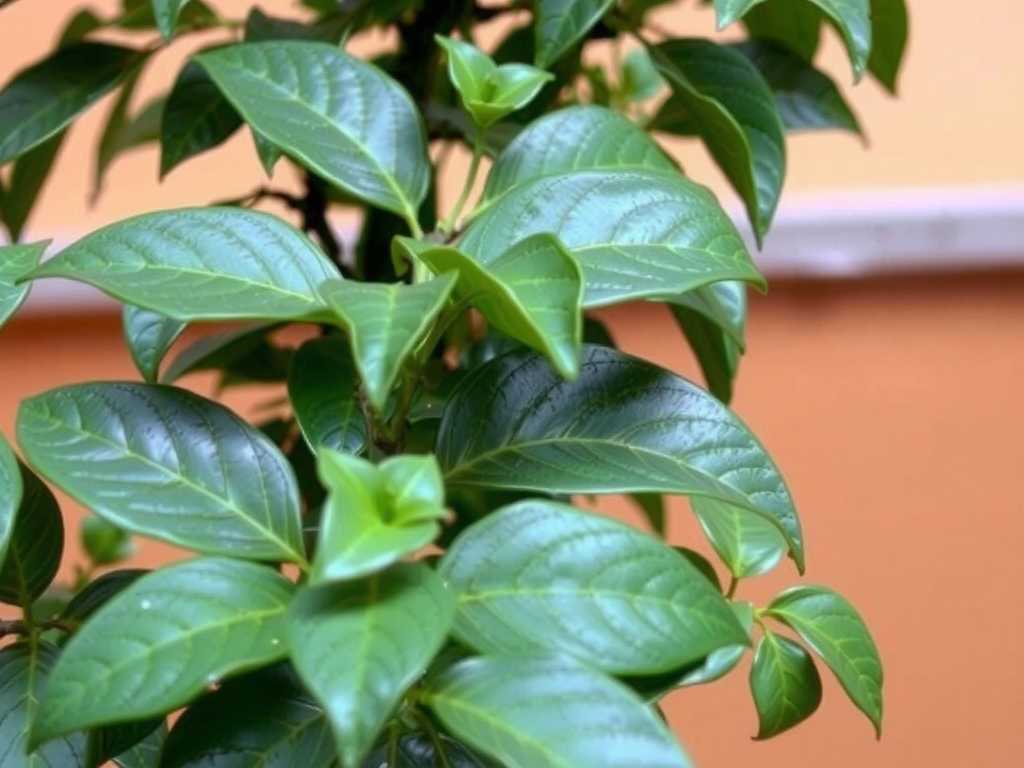
Understanding the Aftermath: Why Your Money Tree is Vulnerable
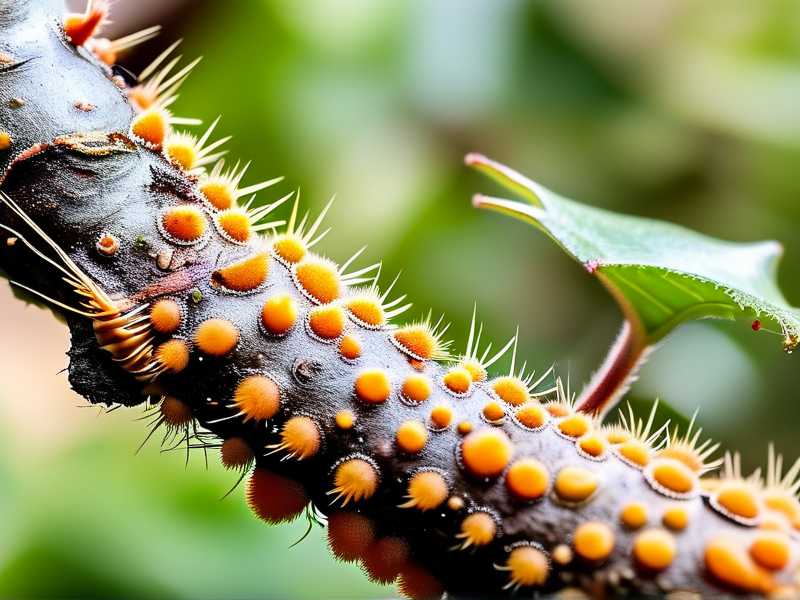
Winning the pest war is just the first step. Your Money Tree has been through a significant trauma. Pests like spider mites, mealybugs, and scale insects feed directly on the plant’s sap, draining its energy and creating tiny wounds. This leaves the plant in a severely weakened state.
Think of it like this: your plant has just fought off a illness. Its immune system (so to speak) is low. It’s dehydrated from the feeding damage and stressed from any treatments you applied, even natural ones. The leaves may be yellowing, dropping, or covered in scars. The primary goal now is not growth, but recovery. We need to create an environment of minimal stress and maximum support to facilitate healing.
As noted by the American Horticultural Society (AHS), “Plants stressed by pest damage are more susceptible to environmental shocks and secondary fungal or bacterial infections.” This underscores the importance of a careful, staged recovery plan.
My 2-Week Post-Infestation Recovery Protocol
Here is the exact regimen I followed after successfully eradicating spider mites from my Money Tree. This plan focuses on assessment, stabilization, and gentle encouragement of new growth.
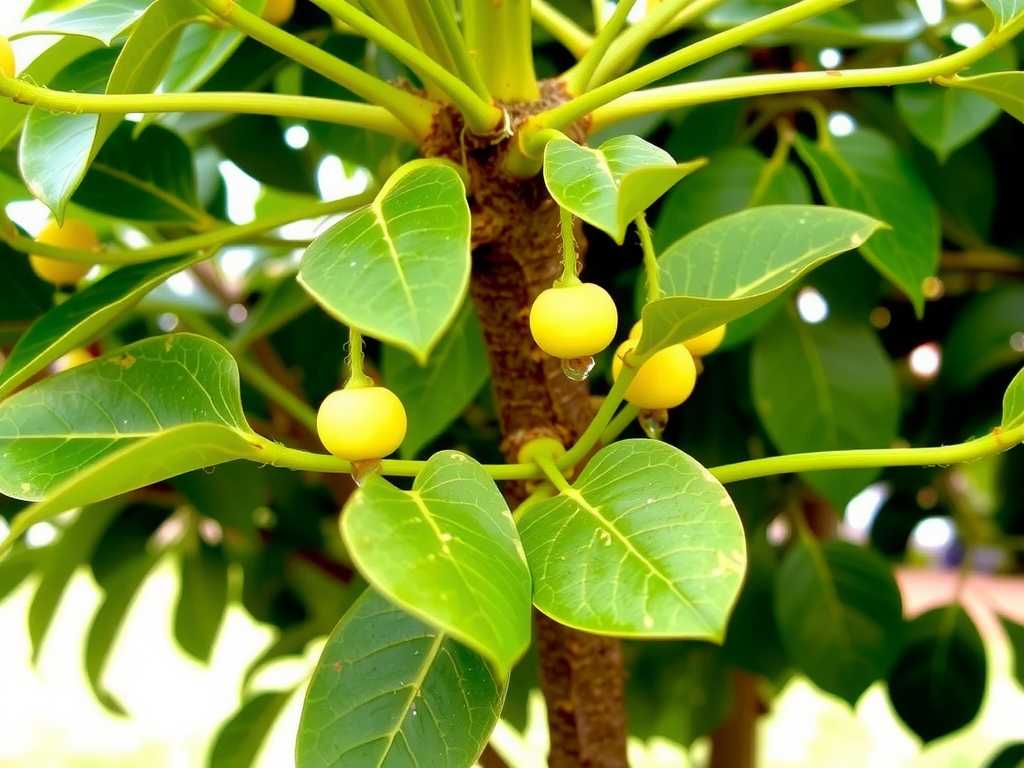
Week 1: The Assessment and Stabilization Phase
The first week is all about damage control and creating a stable, supportive environment. Do not fertilize or repot during this time.
Step 1: The Thorough Post-Battle Inspection & Isolation
Even after treatment, I kept my Money Tree isolated from other plants for the entire two-week period. This is non-negotiable. Pest life cycles mean eggs can hatch days after the initial treatment.
I took a magnifying glass and inspected every leaf—top and bottom—every stem, and the soil surface. I was looking for any surviving pests or new hatchlings. I repeated this inspection on days 3 and 7. This vigilant monitoring is the cornerstone of effective Money Tree pest recovery.
Step 2: The Gentle Clean-Up and Pruning
Next, I addressed the physical damage. Using a pair of clean, sharp scissors, I pruned away any leaves that were more than 50% damaged, yellowed, or completely covered in webbing. This wasn’t about aesthetics; it was about redirecting the plant’s limited energy away from trying to save lost causes and toward healing healthy tissue and producing new growth.
I then gave the remaining leaves a gentle wipe with a soft, damp cloth. This removed any residual dust, honeydew (the sticky pest excretion), and helped the leaves breathe and photosynthesize more efficiently. For larger plants, a lukewarm, gentle shower can achieve the same effect—just let the plant drain thoroughly afterward.
Step 3: Optimizing the Recovery Environment
I adjusted my Money Tree’s care routine to support healing:
- Light: I moved it to a spot with bright, consistent indirect light. I avoided direct sun, which can further scorch stressed leaves, but ensured it had plenty of energy for recovery.
- Watering: I was extra cautious. Overwatering is the biggest danger to a stressed plant. I used the “finger test,” only watering when the top 2-3 inches of soil were completely dry. I ensured water flowed freely from the drainage holes to prevent root rot.
- Humidity: Spider mites thrive in dry air. To aid recovery and deter any remaining pests, I increased humidity. I placed the pot on a pebble tray filled with water and grouped it (at a safe distance) with other humidity-loving plants. A humidifier is an excellent tool here.
Week 2: Observation and Encouraging New Growth
By the second week, the plant should have stabilized. The goal now is to watch for signs of recovery and provide subtle encouragement.
Step 4: Monitoring for Signs of Life (or Setbacks)
My daily routine involved a quick visual check. I was looking for two key things:
- No New Pest Activity: This remained priority one. No new stippling (tiny yellow dots), webbing, or bugs.
- Signs of Recovery: The most exciting moment was spotting tiny, bright green buds forming at the leaf nodes. This was the first clear signal my Money Tree rehabilitation steps were working. Existing healthy leaves should look perky, not droopy.
The Mistake I Made & The Fix: Around day 10, I noticed a slight yellowing on a lower leaf. In a panic, I thought it needed fertilizer. I applied a half-strength dose. This was a mistake. The yellowing was actually from a slight, unnoticed overwatering earlier in the week. The fertilizer added unnecessary salts to the stressed root system. The fix? I flushed the soil with plenty of clean water to leach out the excess fertilizer and corrected my watering schedule. The lesson: always diagnose the cause of a symptom before acting.
Step 5: Introducing a Gentle Nutrient Boost
Only after I saw new bud formation (around day 12 for me) did I consider a nutrient boost. I used a balanced, water-soluble fertilizer diluted to one-quarter strength. The purpose was not to force growth, but to provide a minimal supportive supplement. A full-strength dose would have burned the tender new roots and shocked the plant.
Long-Term Health: Preventing Future Infestations
Recovery isn’t complete without changing the conditions that led to the infestation. Post-pest care is also proactive care.
- Routine Checks: Make inspecting your Money Tree part of your weekly watering routine. Look under leaves and along stems.
- Consistent Optimal Care: A healthy plant is the best defense. Maintain proper watering, provide ample indirect light, and keep humidity above 40-50% if possible.
- Quarantine New Plants: Always isolate new plants for at least 2-3 weeks before placing them near your Money Tree or other houseplants.
The Royal Horticultural Society (RHS) advises that “prevention through good cultural practices is invariably more successful than treating a severe infestation.” This solidifies the approach: recovery care is the bridge back to robust, preventive care.
Your Questions, Answered
Can a Money Tree fully recover from severe pest damage? Yes, absolutely. Money Trees are remarkably resilient. Even if it loses many leaves, as long as the stems and roots are healthy, it can bounce back with proper care. Patience is key—recovery can take several months to a full growing season.
Should I repot my Money Tree right after treating it for pests? No, this is a common urge but a risky move. Repotting is stressful, involving root disturbance. Combining that with the stress of pest damage can overwhelm the plant. Only repot if the soil is poor or the pot is drastically too small, and wait until you see consistent new growth, at least a month after the infestation is cleared.
The leaves are still dropping after treatment. Is this normal? Some continued leaf drop is normal. The plant is shedding its most damaged parts. However, if new, healthy-looking leaves are falling, or leaf drop continues for more than 3-4 weeks after pest eradication, reassess your care. The likely culprits are overwatering, insufficient light, or a drafty location.
Watching your Money Tree struggle after a pest infestation is difficult, but its recovery can be incredibly rewarding. The journey from a stressed, damaged plant to one pushing out vibrant new growth is a testament to its resilience and your attentive care. Remember, the core of post-infestation plant care lies in patience, observation, and creating a stable, low-stress environment. By following a structured recovery plan—focusing first on stabilization, then on gentle support—you give your Money Tree the best possible chance to reclaim its health and beauty. Start with a thorough inspection, adjust its environment for comfort, resist the urge to over-care, and let time and consistency work their magic. Your prosperous, green companion will thank you for it.