admin
admin How to Stop Root Rot Progression on a Money Tree That's Still Growing New Leaves
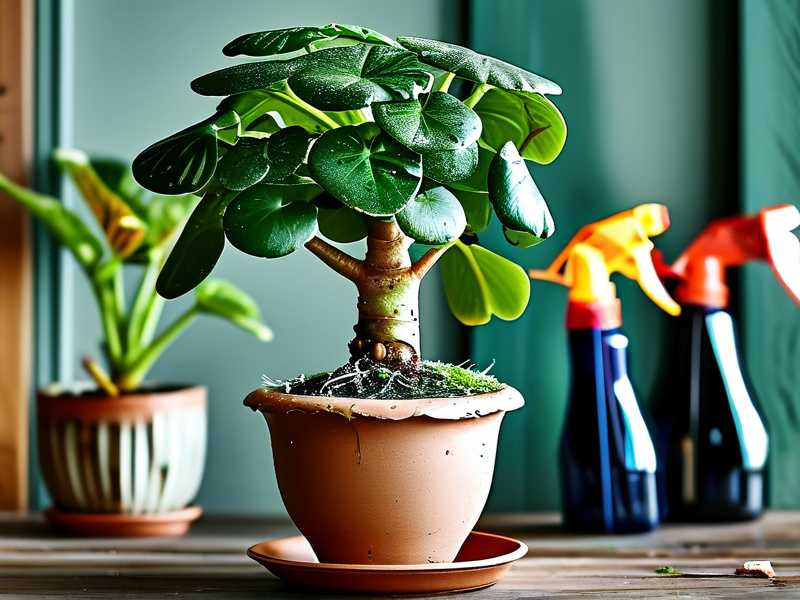
If your money tree is pushing out new leaves but you've spotted mushy stems or a sour smell in the soil, you're in a strange middle ground. The plant isn't dead yet — but root rot is quietly winning underground. I've been exactly there.
The answer up front: stop watering immediately, unpot the tree within 24 to 48 hours, cut away every brown or mushy root with sterilized shears, repot into fresh chunky soil in a pot with real drainage, then water only when the top 2 to 3 inches are bone dry. New leaves during root rot don't mean the plant is fine. They mean it still has enough energy to fight — and that window closes fast.
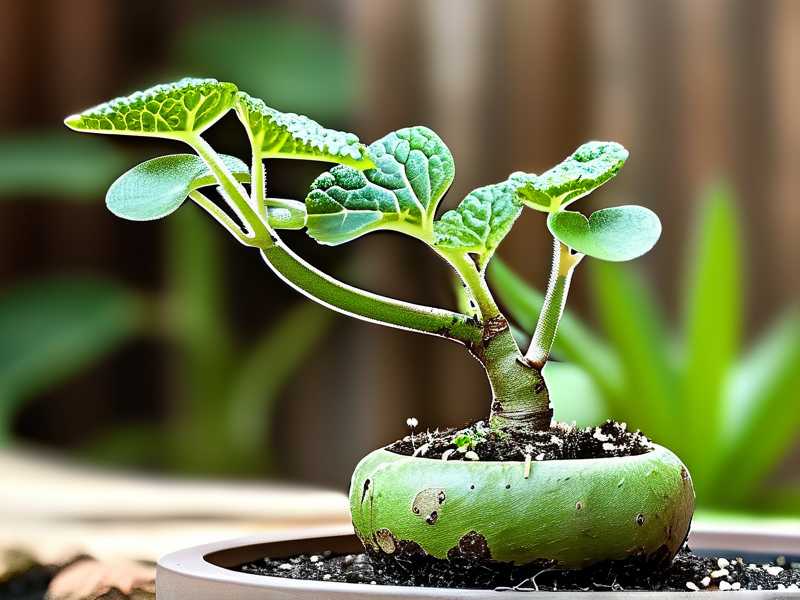
I've lost four money trees before I finally understood this. The fifth one taught me everything I'm about to share.
Why a Money Tree Can Grow New Leaves While Roots Are Rotting
This confused me for months. I'd see a fresh green shoot unfurling and think, "Okay, we're fine."
We're not fine.
Money trees store energy in their thick trunks and stems. When roots start dying, the plant pulls from those reserves to push out new growth. It's a survival move, not a health signal.
Think of it like a person running on adrenaline after an injury. They can still walk. That doesn't mean nothing's broken.
Here's the trap: new leaves make you delay action. You wait a week. Then two. By the time the leaves yellow and drop, the root system is often beyond saving.
The good news? A money tree still growing new leaves has a much better survival rate than one that's already stalled. You caught it in time. Barely.
The 3 Mistakes That Got Me Here (And Probably You Too)
Every root rot case I've dealt with traces back to one of these. Usually two of them stacked together.
Mistake 1: Overwatering — The Silent Killer
Let me say this plainly: 90% of indoor plants die from overwatering. Not underwatering. Not pests. Overwatering.
I used to water my money tree every Sunday. Same day, same amount, like clockwork. Felt responsible. Felt consistent.
It was killing the plant.
Money trees don't want a schedule. They want the soil to dry out between waterings. In winter, that might mean watering every three weeks. In summer, maybe every ten days.
The roots sit in soggy soil, can't breathe, and begin to rot. It's slow at first. Then it snowballs.
Mistake 2: Wrong Light — Not Too Little, But the Wrong Kind
Most people know money trees don't want direct sun. So they shove them in a dark corner.
That's a different problem.
Low light slows the plant's metabolism. Slower metabolism means it uses less water. Less water use means the soil stays wet longer. Wet soil means rot.
I had mine in a north-facing hallway for six months. It looked "fine." Then I repotted it and found roots that were basically brown mush.
Bright, indirect light is the target. A few feet back from an east or south window works well for most homes. In the UK and Canada, where winter light is weak, you may need to move the tree closer to the window from October through March.
Mistake 3: The Wrong Pot — No Drainage, No Mercy
I bought a beautiful ceramic pot with no drainage hole. Drilled nothing. Just planted straight in and admired it.
Water pooled at the bottom. Every single time.
If your pot has no drainage hole, you're not growing a money tree. You're growing root rot with a decorative top layer.
Even pots with drainage holes can cause problems if they sit in a saucer of standing water. Always empty the saucer 30 minutes after watering.
The 2-Week Rescue Plan I Actually Used
This is the exact process I followed on my most recent rescue. I documented everything because I wanted to know if it actually worked.
Days 1–3: Stop Watering and Assess
I stopped watering immediately. No "one last drink." Nothing.
I lifted the pot to check the weight. A healthy money tree in dry-ish soil feels surprisingly light. Mine felt heavy. That told me the soil was still soaked.
I also smelled the soil near the base of the trunk. If it smells sour or like a swamp, that's a strong root rot signal.
Days 3–5: Unpot and Inspect
I waited until the soil had dried slightly — not completely, just enough to make removal easier. Then I slid the tree out.
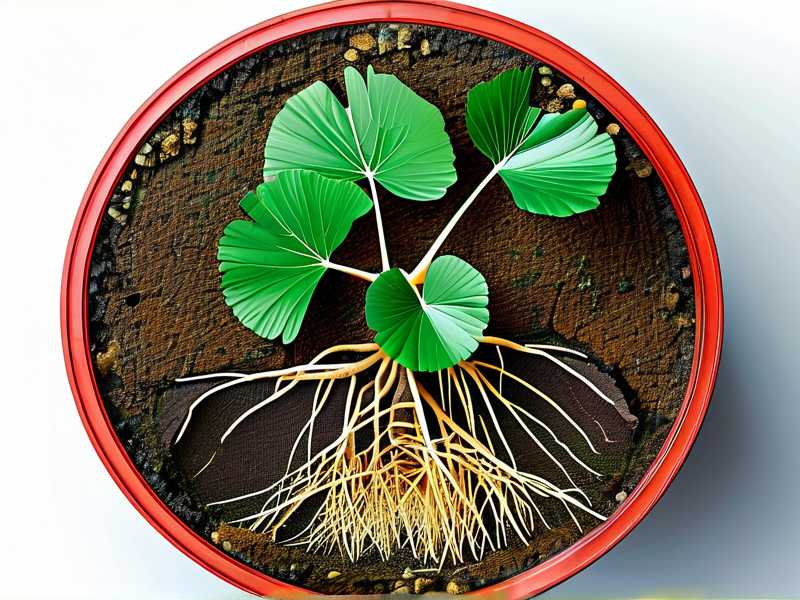
Here's what I found: about 40% of the roots were brown, soft, and breaking apart when I touched them. The rest were pale and firm. That was my hope.
If more than 70–80% of the root system is mushy, the chances drop significantly. But it's still worth trying if the trunk is firm.
Days 5–7: Trim, Treat, Repot
I sterilized a pair of pruning shears with rubbing alcohol. Then I cut every brown, mushy root back to clean white or pale tissue.
I also dusted the cut ends with cinnamon — a trick I picked up from older gardeners. It has mild antifungal properties. Not a cure, but a reasonable extra layer.
Then I repotted into a terracotta pot one size up from the original. Terracotta breathes. It wicks moisture away from the soil. For a plant recovering from root rot, that's exactly what you want.
My soil mix: 50% regular potting mix, 30% perlite, 20% orchid bark. It drains fast and holds just enough moisture.
Days 7–14: The Waiting Game
I didn't water for the first five days after repotting. The fresh soil had some moisture. The damaged roots needed to callus over.
I kept the tree in bright, indirect light. No direct sun. No fertilizer.
By day 10, I noticed something: the newest leaf — the one that was emerging when I started — had stopped growing. I panicked a little.
But by day 14, it started pushing again. Slowly. And a tiny new shoot appeared near the base.
That was my sign. The roots were recovering.
What the Experts Say
The Royal Horticultural Society (RHS) is clear on this: overwatering is the most common cause of root rot in container plants. They recommend always using pots with drainage holes and letting the top layer of soil dry before watering again.
The American Horticultural Society (AHS) adds that root rot fungi thrive in waterlogged, poorly aerated soil. Improving drainage and reducing watering frequency are the first lines of defense.
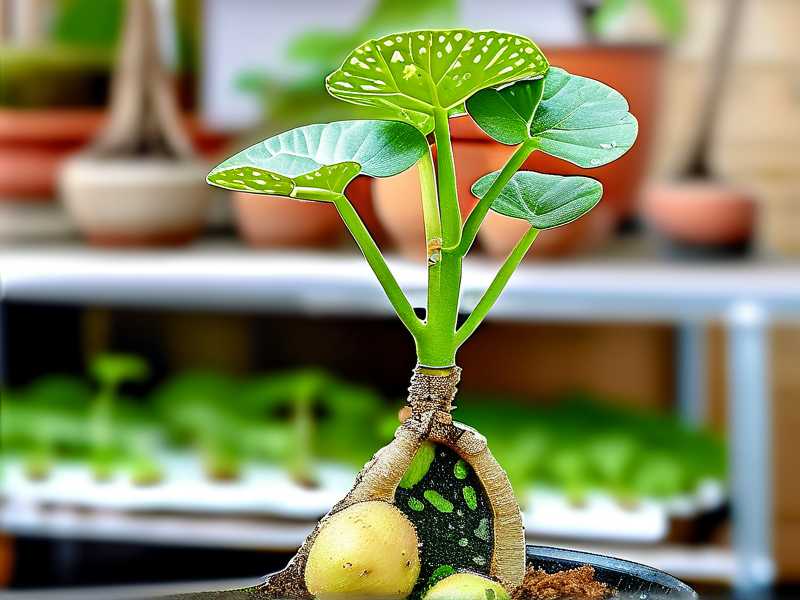
I'll be honest — I ignored both of these for years. I thought I knew better. I didn't.
How to Water a Money Tree After Recovery
Once your tree is back on track, you need a new watering habit. The old one got you here.
I use the "chopstick method." Stick a wooden chopstick into the soil about 3 inches deep. Pull it out. If it comes out clean and dry, water. If it has soil stuck to it or feels damp, wait.
I also switched to bottom watering for my money tree. I set the pot in a bowl of water for 15 minutes, then remove it and let it drain fully. This encourages roots to grow downward and keeps the topsoil drier.
In winter, I water maybe once every three weeks. In summer, once every 10–14 days. But I always check the soil first.
What About Fertilizer During Recovery?
Don't.
Fertilizer pushes new growth. New growth demands energy. The roots can't support that demand yet.
I waited a full eight weeks after repotting before giving a diluted liquid fertilizer at half strength. Even then, I only fed once a month through spring and summer.
How Long Until You Know It Worked?
For me, the clear signs were:
- New leaves stopped browning at the tips
- The trunk felt firm, not spongy
- No more sour smell from the soil
- Steady, slow new growth after week three
If the trunk itself is mushy and soft, the plant is likely too far gone. I've tried saving those. I've never succeeded.
But if the trunk is firm and you've got new leaves? You have a real chance.
Frequently Asked Questions
Can a money tree survive root rot if it's still growing new leaves? Yes, but only if you act fast. New leaves mean the plant still has energy reserves. Remove the damaged roots, repot into fresh well-draining soil, and stop watering until the soil dries out. I've saved trees at this stage.
Should I cut off the yellowing leaves during treatment? Yes. Yellow leaves won't turn green again. They drain energy the plant needs for root recovery. Cut them cleanly with sterilized shears. But don't strip the plant bare — keep any healthy green leaves.
How often should I water a money tree after root rot treatment? Wait until the top 2 to 3 inches of soil are completely dry. In most homes, that's every 10 to 21 days depending on season, humidity, and pot size. Never water on a fixed schedule. Check the soil every time.
A Few Last Things I Wish I'd Known Sooner
Root rot doesn't announce itself. It whispers. A slightly droopy leaf. A tiny yellow spot. A pot that feels heavier than it should.
If you wait for obvious signs, you've already lost weeks.
Check your money tree's soil once a week. Lift the pot. Smell the dirt. Look at the drainage hole. These tiny habits save plants.
And please — if you take nothing else from this, take this: 90% of indoor plants die from overwatering. Not underwatering. Not bad luck. Overwatering.
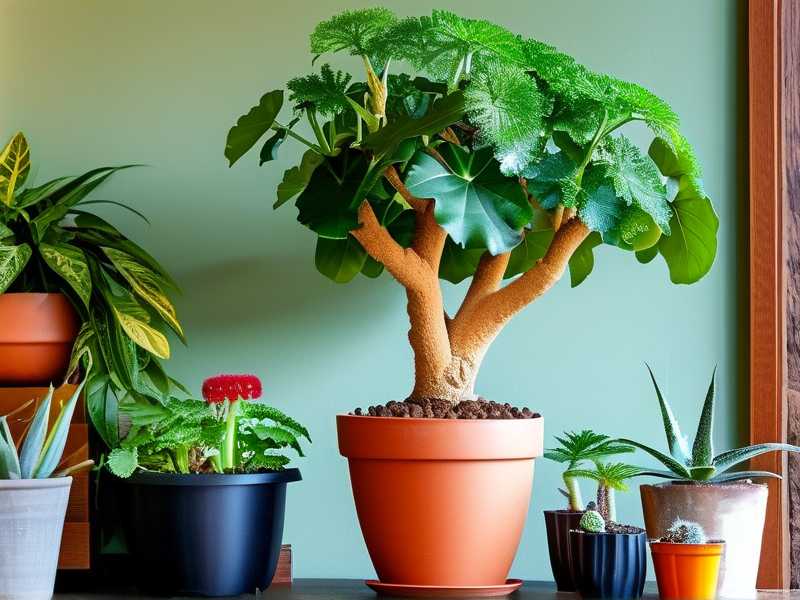
Your money tree wants less attention than you think. Give it bright indirect light, a pot with drainage, and water only when it's genuinely thirsty. That's the whole secret.
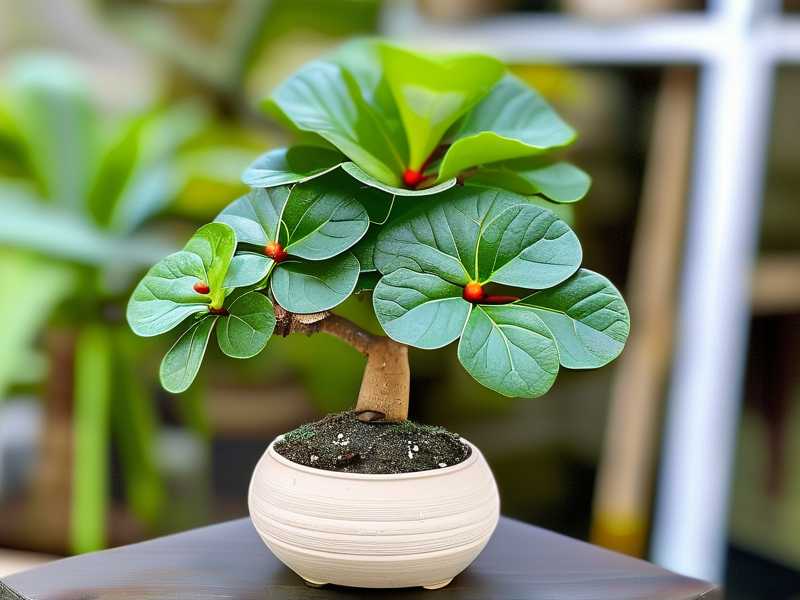
It took me five dead trees to learn it. Hopefully, you only need this article.