admin
admin How to Keep Mealybug Eggs Out of Money Tree Pot Soil Crevices
If you've ever lifted a money tree out of its pot and spotted tiny white fuzz tucked into the soil crevices along the rim, you already know the feeling. That's usually mealybug eggs or the waxy residue they leave behind. I've dealt with this more times than I'd like to admit. The fastest fix is to physically remove that top inch of soil, let the root zone dry out properly, and treat the crevices with a 70% isopropyl alcohol wipe or a light dusting of diatomaceous earth. But keeping them from coming back is the real work, and that's what this article is about.
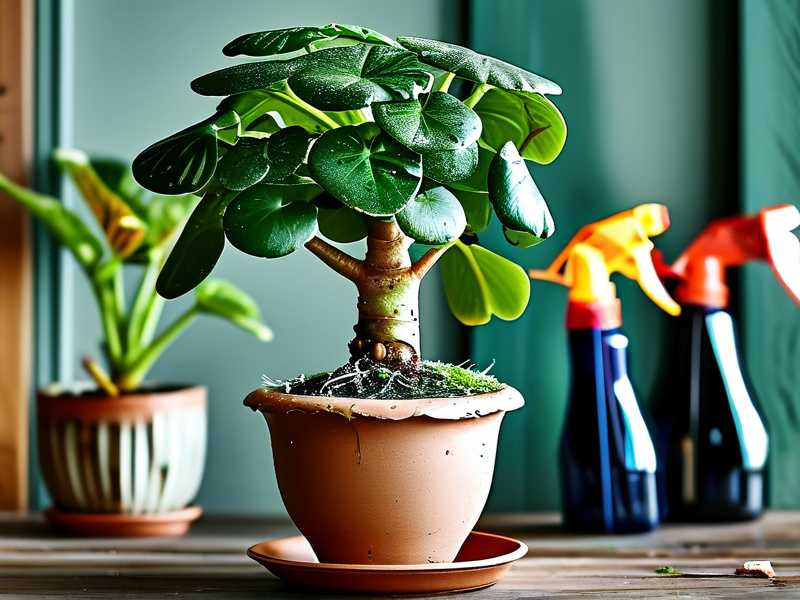
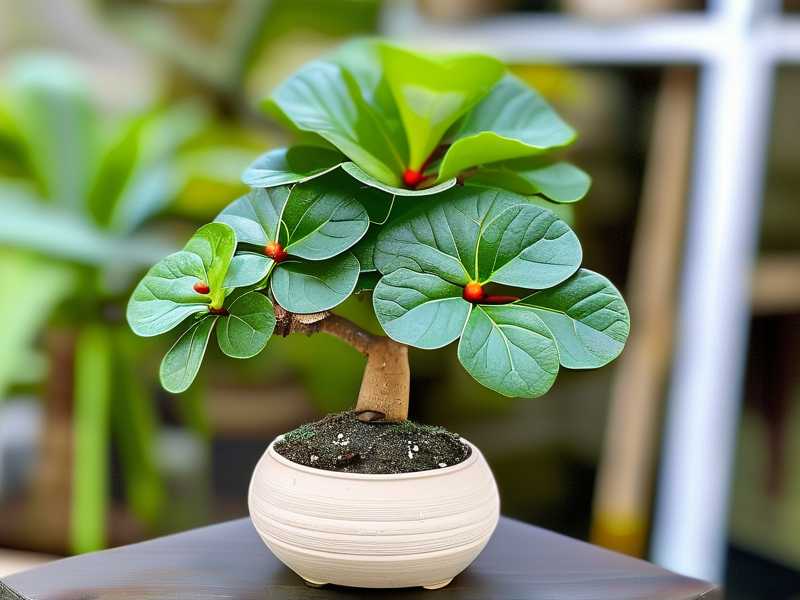
I've killed three money trees (Pachira aquatica) over the years and two of those deaths were completely my fault. The third one turned into the healthiest plant I own. The difference came down to understanding where mealybugs actually hide and why they love pot soil crevices so much.
Why Mealys Love Your Money Tree Pot More Than the Plant Itself
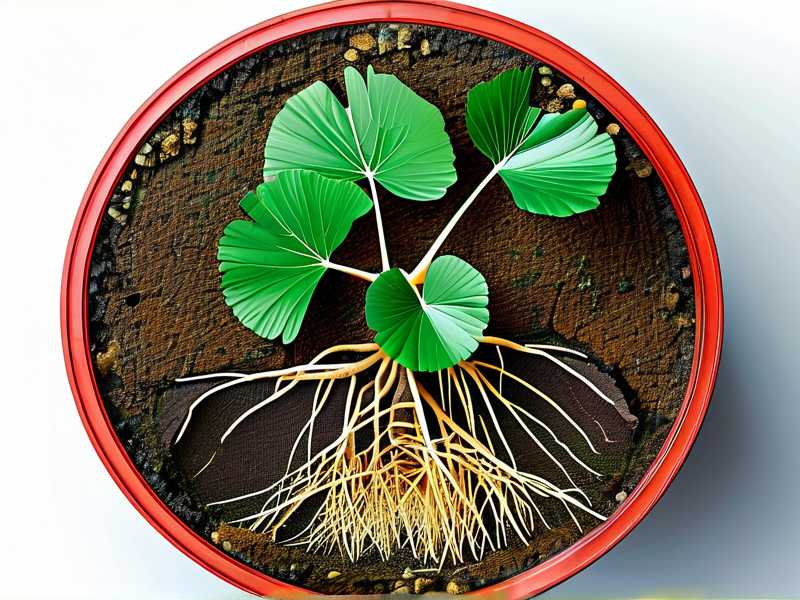
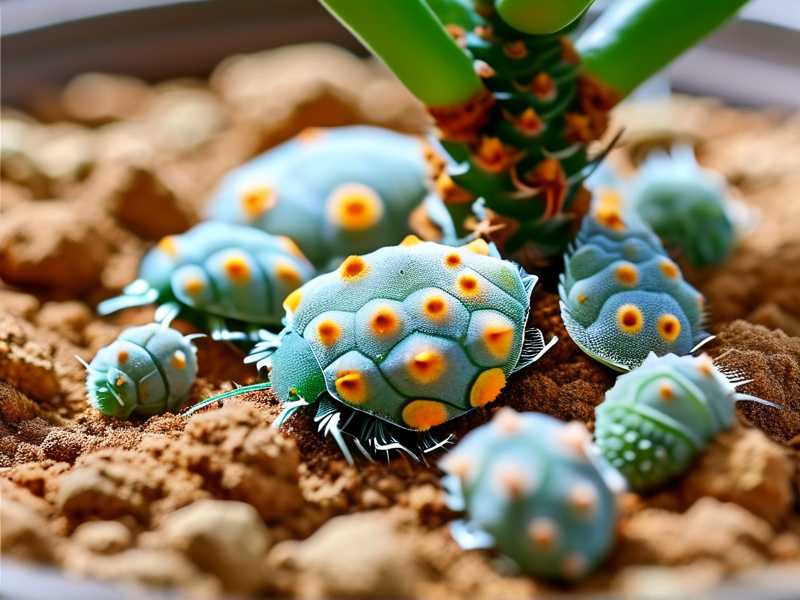
Mealybugs don't just live on leaves. The females crawl down and lay egg sacs in the dark, tight spaces between the soil and the inner wall of the pot.
That gap is warm. It's humid. There's no airflow. Honestly it's a five-star hotel for a pest.

I used to think the bugs were coming from the leaves and spreading downward. Then I flipped a pot over and saw the egg clusters were already inside the crevices before I noticed anything on the foliage.
According to the RHS{:target="_blank"}, mealybugs thrive in warm, sheltered conditions and their waxy coating makes them resistant to many contact sprays. That's exactly why soil crevice prevention matters more than spraying.
My Two-Week Test: What Actually Worked
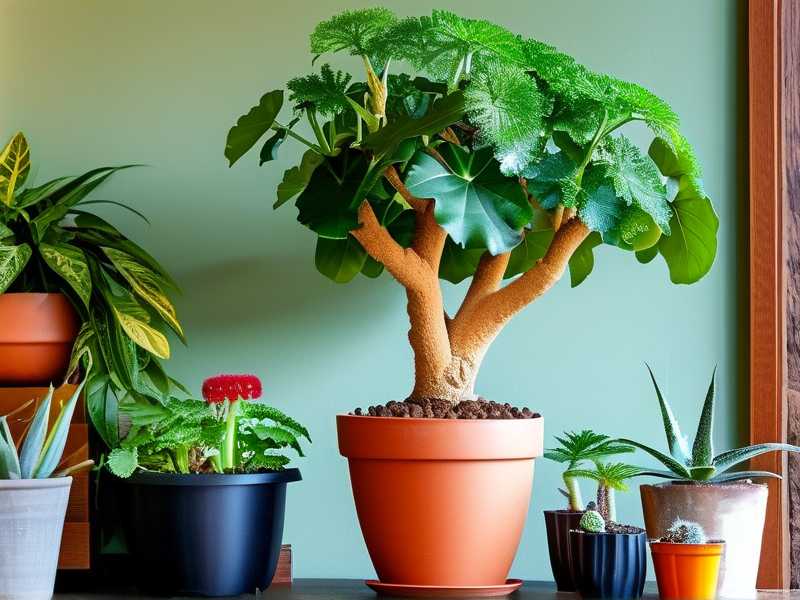
I ran a simple experiment on two money trees sitting side by side on the same shelf.
Plant A got my old routine. Water every Sunday, leave the topsoil alone, no inspection.
Plant B got the new routine I'm about to describe. I checked both every day for 14 days.
By day 4, Plant A had fresh white fuzz around the drainage rim. Plant B was clean.
By day 10, Plant A's crevices had visible egg clusters. Plant B still showed nothing.
By day 14, I found one tiny nymph on Plant B's stem, which I removed immediately. But the soil crevices stayed clear the entire time.
That told me the soil routine was doing most of the heavy lifting.
The Newcomer Mistakes That Invite Mealybugs In
Let me be blunt. Most pest problems start with care mistakes long before the bugs show up.
Mistake 1: Overwatering
This is the big one. 90% of indoor plants die from overwatering. Not underwatering.
I used to water on a fixed schedule. Every seven days, no matter what. Bad idea.
Soggy soil creates the exact humid, dark crevice environment mealybugs need to lay eggs. You're basically building them a nursery.
Now I stick my finger two inches into the soil. If it's damp, I wait. Simple.
Mistake 2: Wrong Light Position
A money tree in low light grows slowly and its soil dries out slower. Slow-drying soil means more moisture near the pot wall.
More moisture means more egg-laying sites.
I moved mine from a dark corner to a spot with bright, indirect light. Soil dried noticeably faster. Fewer crevice issues followed.
Mistake 3: Wrong Pot Choice
I once repotted a money tree into a decorative ceramic pot with no drainage holes. Seemed fine at first.
Two months later, the bottom of that pot smelled like a swamp. The soil crevices were crawling with mealybugs.
Now I only use pots with drainage holes, and I always leave a small air gap between the root ball and the pot wall. Not too tight, not too loose.
Step-by-Step: Keeping Mealybug Eggs Out of Soil Crevices
Here's exactly what I do now. No fancy products required.
Step 1: Strip and Inspect the Top Layer
Once a week, I scrape off the top half-inch of soil with a small spoon. That's where most egg clusters hide.
If I see white cottony masses, I throw that soil in the trash. Not the compost. The trash.
Step 2: Wipe the Pot Rim and Crevices
I take a cotton pad dipped in 70% isopropyl alcohol and run it along the inner rim of the pot. That's the crevice zone.
Mealybug eggs dissolve on contact with alcohol. It's fast and cheap.
Step 3: Let the Soil Breathe
I use a chopstick to gently poke a few holes into the topsoil. Not deep. Just enough to let air circulate.
Adequate airflow keeps the surface dry and makes the crevices less appealing.
Step 4: Apply a Barrier
Once the topsoil is dry, I sprinkle a thin layer of diatomaceous earth or coarse sand over the surface. This creates a physical barrier.
Eggs laid on top dry out before they hatch. Nymphs crawling up get cut.
Step 5: Water From the Bottom
I switched to bottom watering about a year ago. The top layer stays dry. The crevices stay dry.
That single change cut my mealybug sightings in half.
What the Experts Say
The AHS{:target="_blank"} notes that good sanitation and proper watering are the first lines of defense against indoor plant pests. That lines up with everything I've seen.
If you ignore the soil and only spray the leaves, you're treating symptoms. The eggs stay safe in the crevices.
Long-Tail Tips I Learned the Hard Way
Tip 1: Don't Reuse Old Potting Mix
I used to dump old soil back into the bag and reuse it. That's how I reinfested a clean plant three times.
Now I use fresh mix every repot. No exceptions.
Tip 2: Quarantine New Plants for 14 Days
Every new money tree I bring home goes into a separate room for two weeks. I check the soil crevices every other day.
You'd be surprised how many nursery plants already have eggs tucked in the rim.
Tip 3: Clean the Saucer Too
Mealybugs crawl down into the saucer. I scrub mine with hot soapy water once a month.
Sounds obsessive. Works.
Frequently Asked Questions
Can mealybug eggs survive in dry soil?
They survive longer than most people think, but they don't thrive. Dry crevices reduce hatching success. That's why letting the top layer dry out between waterings matters so much.
Does cinnamon really kill mealybug eggs?
I tried it. It didn't kill eggs. It did seem to repel ants, which farm mealybugs. So it's a small helper, not a solution.
How often should I check the soil crevices?
Once a week for established plants. Every other day for the first two weeks after repotting or bringing a new plant home.
One Last Thing
Mealybugs on money trees are annoying, but they're not unbeatable. The trick is to stop thinking of them as a leaf problem.
They're a soil problem. Fix the crevices, fix the moisture, fix the pot. The rest follows.
I wish I'd known this before I lost my first two trees. If you're reading this early enough, you've got a real head start.