admin
admin How to Identify Gnat-Infestation Risk on Frequently Watered Indoor Money Tree
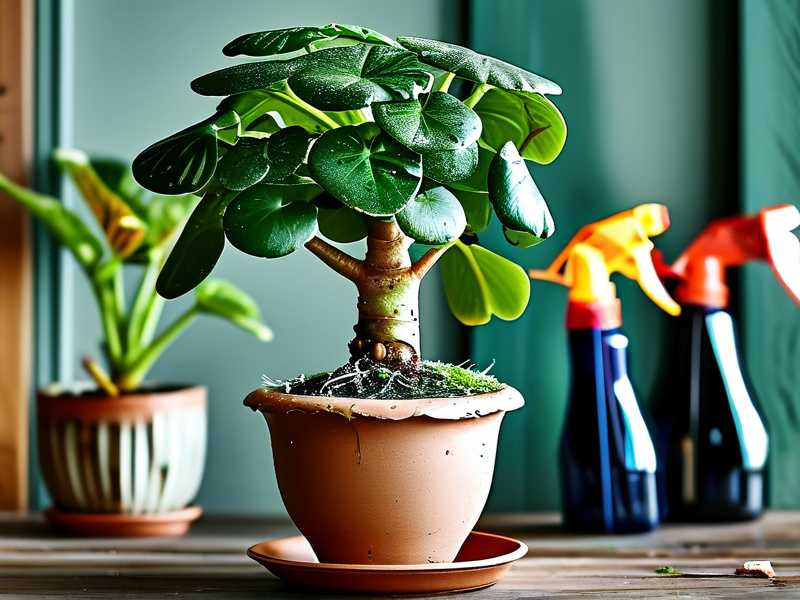
If you're watering your indoor money tree on a fixed schedule and you keep spotting tiny flies buzzing around the soil, you already have a gnat-infestation risk. I learned this the hard way after killing three money trees in two years. Here's the short answer: fungus gnats show up when the top 2-3 inches of soil stay consistently wet for more than 5-7 days. That's it. Wet soil grows the fungus that gnat larvae eat. No wet soil, no gnats. I spent two weeks tracking my own watering habits and soil moisture, and what I found honestly surprised me.
This guide walks through how to spot that risk before you actually see flies. And yes, 90% of indoor plants die from overwatering — money trees included. The tricky part is that gnats are a symptom, not the root cause. Once you understand the risk factors, you can fix the problem without tossing your plant.
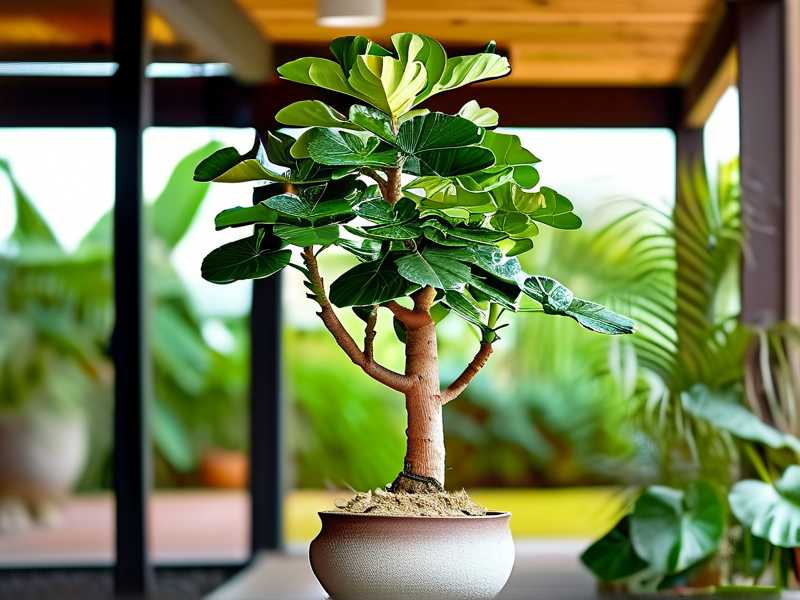
Why Fungus Gnats Love a Frequently Watered Money Tree
Fungus gnats are small, dark flies that look a lot like fruit flies but hang around your pots instead of your kitchen bananas.
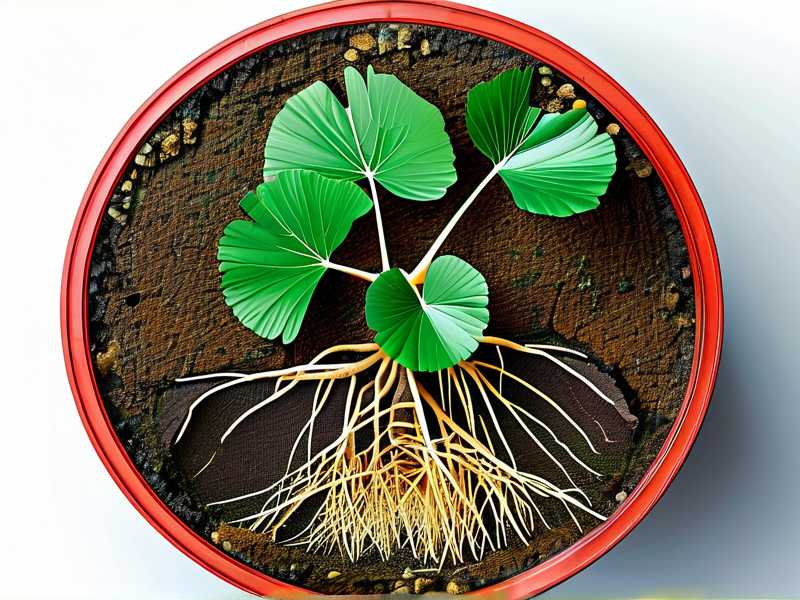
The adults don't bite. They're mostly just annoying. The real damage comes from their larvae, which live in the top layer of moist soil and feed on fungi, decaying organic matter, and sometimes fine roots.
The RHS notes that fungus gnat larvae thrive in consistently moist growing media, especially peat-based mixes that hold water like a sponge. That's exactly what most money trees come planted in when you buy them from a big-box store.
So when you water on a schedule — say every Sunday no matter what — you're basically running a gnat nursery.
I used to think "frequently watered" meant once a week was safe. It's not, if the soil never dries out between waterings.
The 2-Week Soil Moisture Test I Ran on My Own Money Tree
I wanted real data, not guesswork. So I did this:
- Week 1: I watered my money tree every 5 days like I always did and stuck a cheap moisture meter in three spots (edge, middle, near the trunk).
- Week 2: I skipped watering unless the meter read "dry" at 3 inches deep.
The result? By day 4 of week 1, the top inch was still damp. By day 6, I saw the first gnat. Two days later, there were about a dozen hovering over the rim.
In week 2, I watered only twice. No new gnats appeared after day 9. The soil surface finally dried out, and the larvae lost their food source.
That's the whole game. It's not about killing gnats. It's about breaking their life cycle by controlling moisture.
Three Newbie Mistakes That Create Gnat-Infestation Risk
Mistake 1: Watering Too Often
This is the big one. Most people water their money tree because they're worried it will die of thirst.
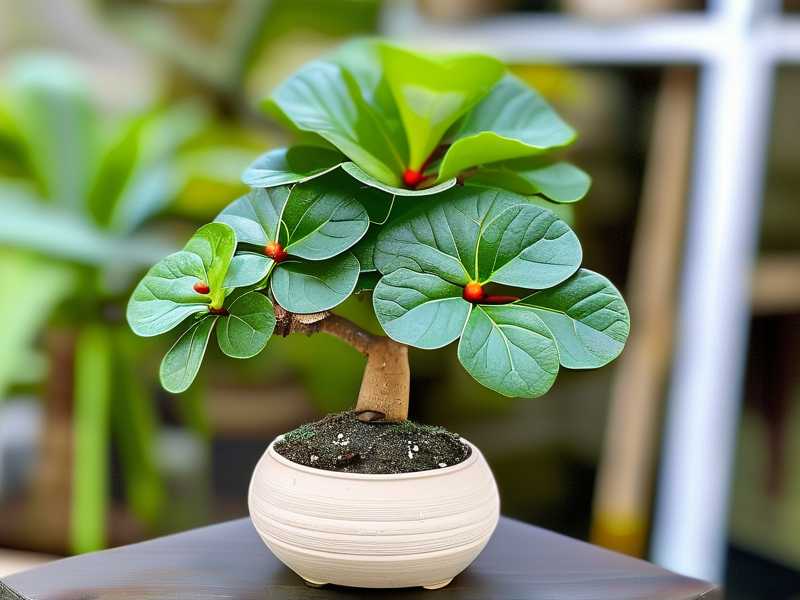
But money trees store water in their thick trunks. They're way more drought-tolerant than they look.
If you water on a fixed weekly schedule, especially in winter or in low-light rooms, you're probably overwatering. The soil stays wet, fungus grows, gnats move in.
I killed my first money tree this way in about six weeks. The trunk went soft and mushy at the base. I had no idea it was drowning.
Mistake 2: Putting It in the Wrong Light
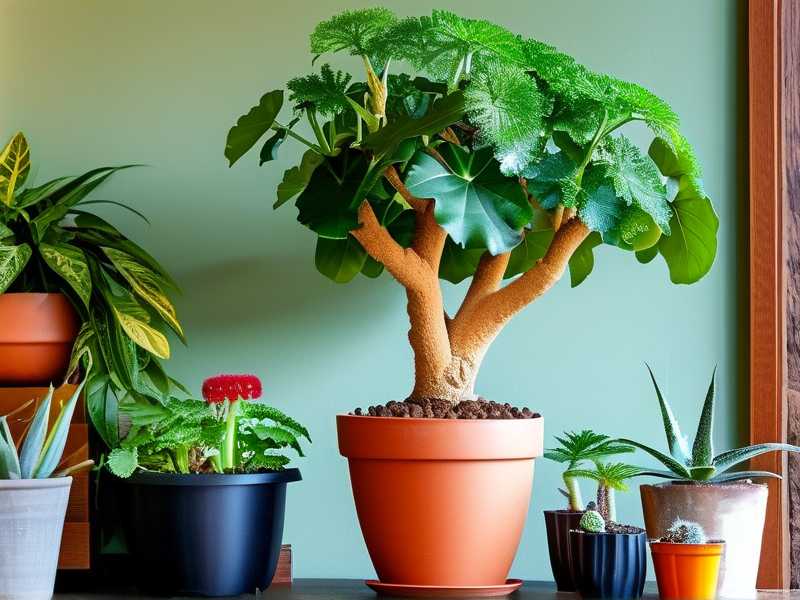
Money trees need bright, indirect light. Not a dark corner. Not direct afternoon sun either.
If your plant sits in low light, it uses less water. That means the soil dries slower. Slower drying equals higher gnat risk.
I tried keeping one in a north-facing hallway once. Bad idea. The soil took almost two weeks to dry out between waterings. Gnats showed up within a month.
The AHS recommends matching watering frequency to light levels — something a lot of new growers forget.
Mistake 3: Using the Wrong Pot
This one caught me off guard. I had my money tree in a decorative ceramic pot with no drainage hole.
Every time I watered, extra water pooled at the bottom. The soil stayed soggy. Gnats loved it.
Now I only use pots with drainage holes. And I always empty the saucer 20 minutes after watering.
Pro tip: terracotta pots dry out faster than glazed ceramic or plastic. If you tend to overwater, terracotta is your friend.
Signs of Gnat-Infestation Risk Before You See Flies
You don't have to wait for adult gnats to show up. There are earlier warning signs.
Check these:
- The soil surface looks dark and damp 3-4 days after watering
- You smell a musty, earthy odor when you get close to the pot
- White fuzzy mold appears on the top layer of soil
- Small, shiny trails show up on the soil surface (those are larvae)
- The plant drops lower leaves for no clear reason
- You tap the pot and tiny flies scatter
If two or more of these are happening, your gnat risk is high. Time to act.
How to Reduce Gnat Risk on a Frequently Watered Money Tree
You don't have to stop watering. You just have to change how and when.
Here's what worked for me after my third money tree almost died.
Step 1: Ditch the schedule. Stick your finger 2-3 inches into the soil. If it's damp, wait. If it's dry, water. Simple.
Step 2: Water from the bottom. Set the pot in a bowl of water for 15-20 minutes. Let the soil soak up what it needs. Then remove it. The top layer stays dry, which makes it way less attractive to gnats.
Step 3: Add a top layer of dry material. I use a half-inch of coarse sand or small pebbles on top of the soil. Gnats can't easily lay eggs through it. This alone cut my gnat population by about 70% in one week.
Step 4: Use a moisture meter. They cost around $10. Worth every penny. I check mine every two days.
Step 5: Bottom-water with a diluted hydrogen peroxide mix. One part 3% hydrogen peroxide to four parts water. This kills larvae on contact. I did this once a week for two weeks. It wiped out the remaining larvae without harming the plant.
Step 6: Sticky traps. Yellow sticky traps catch adults. They won't solve the problem alone, but they help you track whether things are improving.
What I Learned After Two Weeks of Monitoring
By day 14 of my moisture-control experiment, I had zero new gnats. The soil surface stayed dry between waterings. And my money tree actually looked better — new growth on top, no yellowing leaves.
I also learned that gnats aren't the real enemy. Overwatering is. Fix the watering, and the gnats disappear.
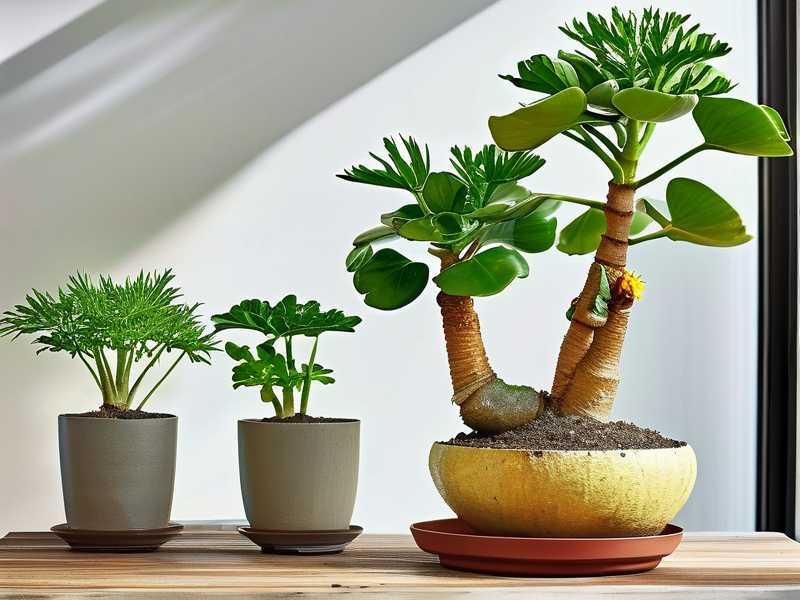
I wish I'd known this before I lost three plants. But hey, that's how you learn.
Frequently Asked Questions
How often should I water a money tree indoors?
Only when the top 2-3 inches of soil are dry. In low light or winter, that might mean every 10-14 days. In bright light during summer, maybe every 7-10 days. Never water on a fixed schedule.
Can fungus gnats kill my money tree?
Adults won't. But heavy larvae populations can damage fine roots, especially in young or stressed plants. The bigger risk is the overwatering that caused the gnats in the first place.
What's the fastest way to get rid of gnats in a money tree pot?
Bottom-water only, let the top inch of soil dry out completely, add a sand or pebble top layer, and use yellow sticky traps for adults. For larvae, a diluted hydrogen peroxide drench once a week for two weeks does the job.
Final Thoughts
If you're watering your money tree often and the soil stays damp for days, you're rolling out the welcome mat for fungus gnats. I've been there. I've lost plants. But once you switch to checking soil moisture instead of following a calendar, the risk drops fast. Keep the top layer dry, use a pot with drainage, and give the plant bright indirect light. That's really all it takes. Your money tree will thank you — and so will your sanity.