admin
admin How to Prevent Root Rot for Money Tree in Non-Drainage Decorative Pots
I killed my first money tree in eleven days. It sat in a gorgeous ceramic pot with no hole, and I watered it like I would any other plant. By day six the leaves were yellowing. By day eleven the trunk was mushy and the whole thing smelled like a swamp.
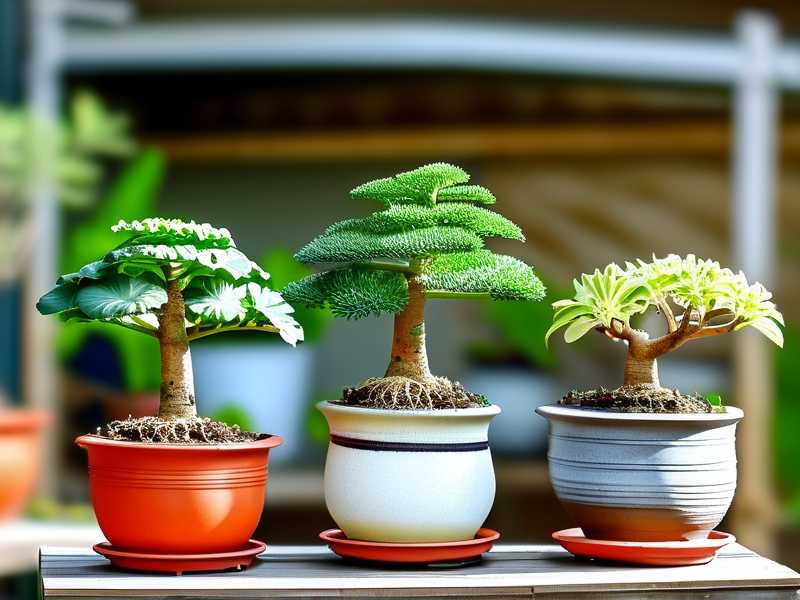
So here is the short answer up front: if you want to prevent root rot for a money tree in a non-drainage decorative pot, you have to treat that pot like a decorative sleeve, not a real growing container. The plant needs to live in a nursery pot with drainage holes that sits inside the pretty one. Then you empty the decorative pot after every watering. That single habit solves about ninety percent of the problem.
That's it. That's the whole secret.
Now let me walk you through everything I learned the hard way, because there's more to it. A lot more.
Why Non-Drainage Pots Are So Dangerous for Money Trees
Money trees (Pachira aquatica) are not swamp plants, despite what the name suggests. In nature they grow along riverbanks, yes, but the soil there drains fast. Water moves through it and out. It doesn't sit.
A decorative pot without drainage does the opposite. Water goes in and stays. The bottom inch of soil becomes a soggy, oxygen-starved mess. Roots need oxygen. When they don't get it, they suffocate, then they rot.
You'll hear this a lot: 90% of indoor plants die from overwatering. I used to roll my eyes at that stat. I don't anymore. After killing eight plants in two years, I finally understood it. The problem usually isn't how much water you pour. The problem is where that water ends up.
The Sleeve Method: My Go-To Setup
I tried growing a money tree directly in a sealed pot twice. Both died. Then I switched to what most experienced growers do, and honestly, I wish someone had told me sooner.
Here's my exact process:
Step one: buy a plastic nursery pot that's one or two inches smaller in diameter than your decorative pot. It must have drainage holes at the bottom. No exceptions.
Step two: pot your money tree in that nursery pot using a chunky, fast-draining mix. I use three parts indoor potting soil, one part perlite, and one part orchid bark. The bark makes a big difference.
Step three: drop the nursery pot inside the decorative pot. The plant sits higher, which actually looks better anyway.
Step four: water over a sink or outside. Let it drain completely for ten to fifteen minutes.
Step five: pour out any water that collected in the decorative pot. Then put the plant back.
Step six: check the decorative pot every few days. Sometimes condensation builds up. I wipe it dry.
I've run this routine for two weeks now on a new money tree that replaced my last victim. Zero yellow leaves. Zero smell. The soil surface dries out in about five days, which is exactly what you want. My previous trees never dried out because they were sitting in a puddle.
The Three Mistakes That Kill Most Money Trees
I've made all three. More than once. Let me save you the funeral costs.
Mistake One: Watering on a Schedule
People water their plants on Sundays because it's convenient. That's backwards. You water when the soil needs it, not when your calendar says so.
I water my money tree when the top two inches of soil feel dry. I stick my finger in to check. If there's any moisture at all two inches down, I wait. Indoors with low humidity, that's usually every seven to ten days. In summer with AC running, sometimes every five.
In a non-drainage pot, you need to be even more careful. Stick to the finger test. If you water "just a little" because you're afraid of drowning it, you're actually creating pockets of moisture that never dry evenly. That's worse than a thorough watering that drains properly.
Mistake Two: Putting It in the Wrong Light
A money tree in low light uses very little water. The soil stays wet for weeks. Root rot sets in before you even realize the plant is struggling.
I once put one in a dark corner because I thought it looked nice next to my bookshelf. It dropped leaves for three weeks. I couldn't figure out why. Light was the problem. Less light means slower water uptake, which means wet soil for longer.
Money trees want bright, indirect light. Near a window that faces east or filtered south is ideal. Direct afternoon sun can scorch leaves, especially in Australia and the southern US. But deep shade is the real killer.
I checked with the Royal Horticultural Society's guidance on indoor plant care, and they confirm that light levels directly affect how quickly potting media dries out. It's not just about the plant's energy. It's about the soil environment.
Mistake Three: Using the Wrong Potting Mix
A lot of people use heavy garden soil or cheap all-purpose mix that compacts. In a pot with no drainage, that's a death sentence. The mix turns into a brick. Water can't move. Roots can't breathe.
I now mix my own. Three parts quality indoor potting soil, one part perlite, one part orchid bark. Sometimes I add a handful of horticultural charcoal if I have it. The mix should feel light and airy. When you squeeze a handful, it should fall apart, not clump.
The American Horticultural Society recommends amending potting mixes with perlite or bark for exactly this reason. Fast drainage equals happy roots. It's that simple.
More Real Talk About My Failures
I want to tell you about the worst one. It was a beautiful braided money tree, about three feet tall. I paid eighty dollars for it. I planted it directly in a heavy glazed pot with no hole, watered it once a week, and watched it die in under a month.
When I finally pulled it out, the roots were black and slimy. The smell was unforgettable. I actually gagged. The bottom of the pot held a full inch of standing water. I had been pouring water in for weeks and it never went anywhere.
That was my "never again" moment. Every money tree I've owned since then has lived in a nursery pot inside a decorative one. I check the bottom of the decorative pot weekly. It takes ten seconds.
Signs of Root Rot You Shouldn't Ignore
Catching rot early gives you a chance to save the plant. Here's what I watch for:
Yellowing leaves that fall off easily. Not just one or two old leaves at the bottom. A steady drop of healthy-looking leaves that turn yellow first.
A soft, mushy trunk near the soil line. Press gently with your thumb. A healthy money tree trunk is firm. If it gives, you have a problem.
Soggy soil that smells sour or earthy in a bad way. Healthy soil smells like dirt. Rotting soil smells like a swamp.
Fungus gnats. These tiny flies love consistently wet soil. If you see them hovering around the pot, your soil is staying too wet.
Stunted growth. If your plant hasn't pushed out any new leaves in months and the existing ones look dull, the roots might be compromised.
What to Do If You Spot Root Rot Early
Don't panic. I've saved two plants by acting fast.
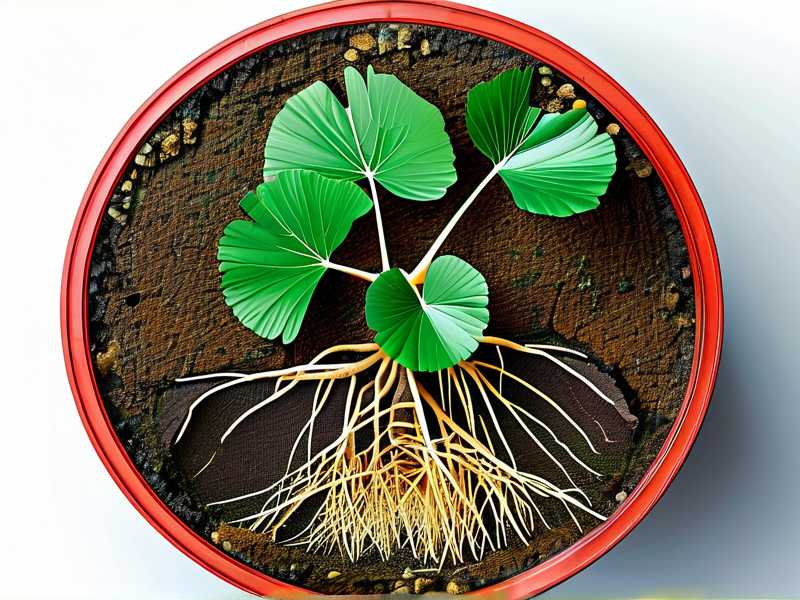
Take the plant out of the pot. Rinse the roots under lukewarm water. Cut away any black, mushy roots with clean scissors. Healthy roots are firm and white or light tan.
Let the plant air-dry for a few hours. Then repot in fresh, dry, chunky mix. Don't water for three or four days. Let the roots callous over.
I did this with a smaller money tree last spring. It lost half its root system, but it survived. It took about six weeks to show new growth. I kept it in bright indirect light and resisted the urge to water. That was the hardest part.
How I Water in a Non-Drainage Pot Without Making a Mess
This is the practical bit that nobody talks about. Watering a plant that lives in a decorative pot is awkward if you don't have a system.
My system is simple. I lift the nursery pot out. I carry it to the kitchen sink. I water slowly until water runs out the bottom. I let it sit in the sink for ten minutes. Then I put it back in the decorative pot.
If the plant is too big to move, I use a turkey baster to remove standing water from the decorative pot after watering. Sounds silly. Works perfectly.
I also keep a small towel nearby. Water drips. It always drips.
Humidity and Temperature Matter More Than You Think
Dry air pulls moisture out of leaves. Wet soil stays wet when the air is cool and still. These two things combine to create rot-friendly conditions.
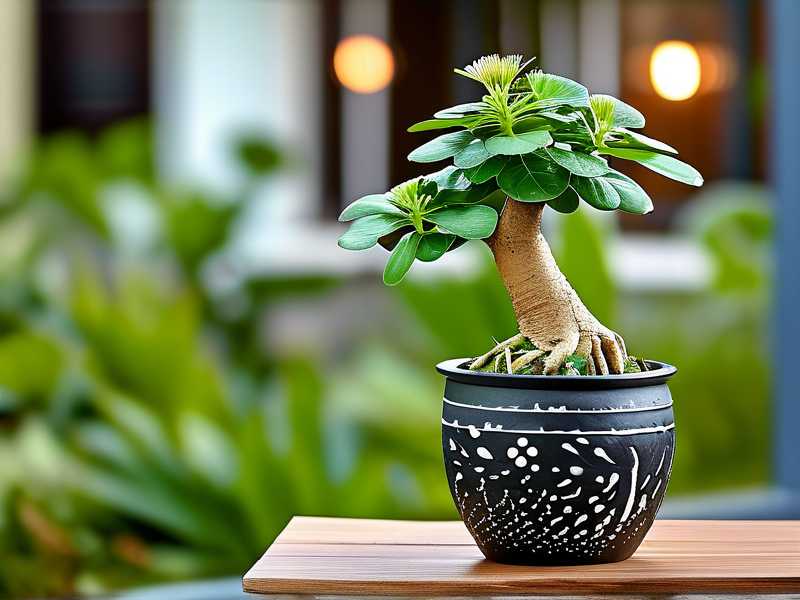
I run a small fan on low near my plants for a few hours a day. Not blowing directly on them. Just moving air around. It helps the soil surface dry evenly.
I also keep my money tree away from air conditioning vents and drafty windows. Cold drafts stress the plant. Stressed plants are more vulnerable to rot.
Choosing the Right Decorative Pot
If you're buying a new decorative pot, look for one that's glazed inside and out. Unglazed terracotta actually breathes a little, but it also absorbs moisture and can crack. Glazed ceramic is my preference.
Size matters. The decorative pot should be one to two inches wider than the nursery pot. If it's too tight, you can't lift the nursery pot out easily. If it's too wide, the nursery pot sits low and you might not notice standing water.
I learned this after buying a pot that was three inches too wide. The nursery pot sank down and water pooled around it. I ended up returning the pot.
Frequently Asked Questions
Can I just put rocks at the bottom of my non-drainage pot?
No. I tried this. It doesn't work. Rocks create a false drainage layer. Water still collects at the bottom. The soil above the rocks stays wet. It's actually worse because you can't see the water. Skip the rocks. Use the sleeve method instead.
How often should I water a money tree in a non-drainage pot?
Wait until the top two inches of soil are dry. Then water thoroughly in a sink. Let it drain. Empty the decorative pot. In my experience, that's every seven to ten days in average indoor conditions. It might be every five days in summer or every fourteen in winter. Check the soil, not the calendar.
What if my money tree already has root rot?
Take it out. Trim the mushy roots. Repot in fresh dry mix. Wait three or four days before watering. Keep it in bright indirect light. Don't fertilize until you see new growth. It's a slow recovery, but it's possible if you catch it early.
A Few Last Things I've Learned
Money trees are forgiving once you understand what they need. The problem is that most of us grow them in pots that set them up to fail.
I wish I had known ten years ago what I know now. I would have saved a lot of money and a lot of sad afternoons.
So if you take nothing else from this, take this: get a nursery pot with holes. Put it inside the pretty one. Water in the sink. Empty the decorative pot. Watch your plant thrive.
It really is that simple. And your money tree will thank you for it.