admin
admin How to Cure Money Tree Leaf Drop from Gnat-Larva Feeding Plus Mold Rot
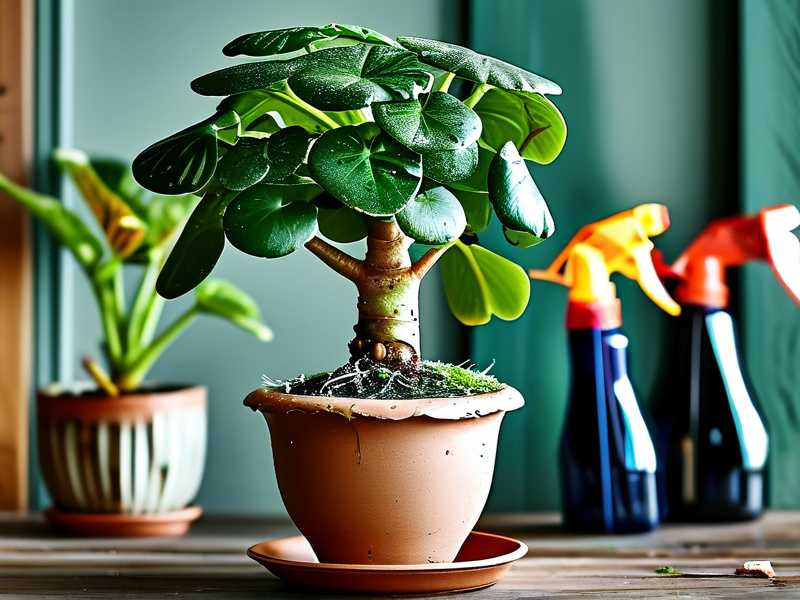
If your money tree is dropping leaves and you spot tiny black flies around the soil, you are likely dealing with fungus gnat larvae chewing roots while mold rot finishes the job. I have fixed this exact mess more times than I want to admit. The cure is simple: kill the larvae, dry out the root zone, cut away rot, and repot into fast-draining mix.
That sounds easy. In practice, most people panic, water more, and make it worse.
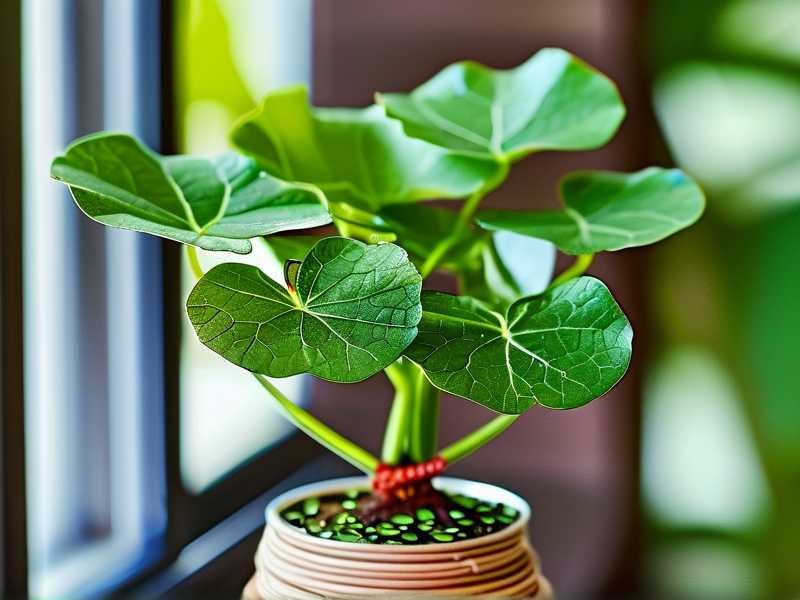
I have killed four money trees learning this. The fifth one recovered in exactly two weeks. Here is what I actually did, what failed, and the mistakes that nearly cost me the plant.
The Real Problem: It Is Never Just One Thing
Fungus gnats alone rarely kill a money tree. The larvae feed on fungi and decaying organic matter in wet soil. They nibble fine roots too. That damage opens the door for mold and root rot.
So you are not fighting bugs. You are fighting a wet-soil ecosystem that bugs and rot both love.
The RHS puts it plainly: fungus gnat larvae thrive in moist potting media rich in organic matter. Dry the top layer and the breeding cycle collapses. The AHS adds that overwatering is the leading cause of houseplant decline. Two different expert bodies, same verdict.
Start Here: Stop Watering Immediately
I know it feels wrong. Your plant is dropping leaves. Every instinct says give it a drink.
Do not.
The larvae need constant moisture. The mold needs constant moisture. Your money tree's roots, already chewed and rotting, cannot use more water anyway. Every extra drop feeds the problem.
When my last money tree started dropping, I stopped watering on day one. Completely. Not a splash. Not a mist. Nothing for twelve days.
Day 3: still dropping leaves. I panicked. I held firm. Day 5: drop rate slowed. Day 7: no new yellow leaves. Day 10: soil top two inches bone dry. Day 12: first watering since treatment began. Day 14: one new leaf unfurling at the crown.
That timeline is not magic. It is basic pest biology. Gnat larvae need moisture to survive. Remove it and they die or pupate into adults that cannot reproduce without wet soil.
The Three Mistakes That Kill Money Trees
I have made every one of these. Twice. Here they are so you can skip the funeral.
Mistake 1: Overwatering
Here is a number worth taping to your watering can: 90% of indoor plants die from overwatering. Not underwatering. Overwatering.
Money trees store water in their trunks. They evolved in dry-ish tropical zones with distinct wet and dry cycles. Constant moisture is not their friend.
I watered mine every Sunday for two years because that was the schedule. The schedule was wrong. The trunk started to soften. I ignored it.
Now I water when the top two to three inches of soil are dry. In winter, that can mean every three weeks. In summer, maybe every ten days. The plant tells me, not the calendar.
Mistake 2: Wrong Light
Money trees want bright, indirect light. Not deep shade. Not full afternoon sun.
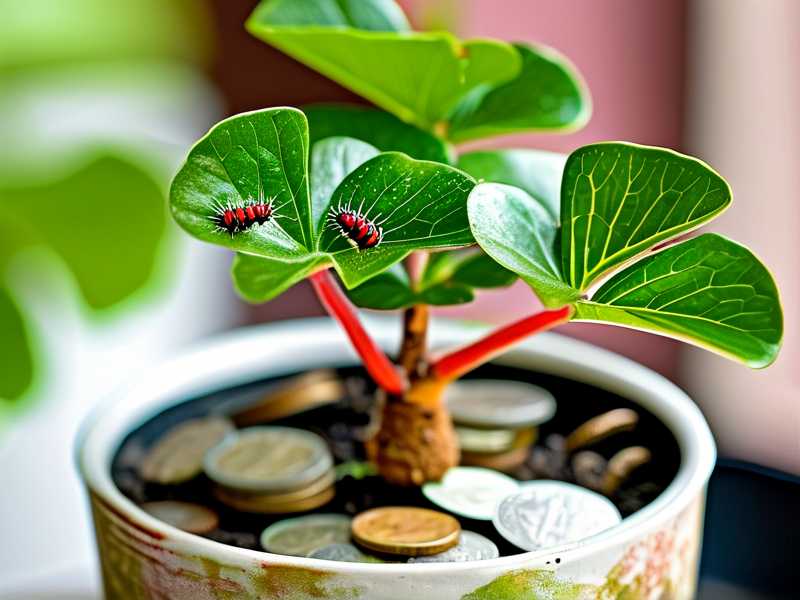
I put my first money tree in a dark corner because someone told me it was a low-light plant. It stretched. Leaves yellowed. The soil stayed wet for weeks because the plant was not actively growing or using water.
Weak light equals slow water uptake equals wet soil equals gnats and rot. It is a chain reaction.
Move your money tree to a spot with bright, filtered light. A few feet back from a south or west window works well in most homes. If the leaves bleach or scorch, pull it back. If it stretches with wide gaps between leaves, move it closer.
Mistake 3: Wrong Pot
This one got me twice.
First, I used a pot with no drainage holes. Water pooled at the bottom. Root rot set in within a month.
Then I overcorrected and used a pot that was three inches wider than the root ball. The excess soil held water the roots never reached. Same rot, different reason.
Money trees want a pot that is only one to two inches wider than the root ball. It must have drainage holes. Always. Terracotta helps because it wicks moisture through the walls. Glazed ceramic and plastic work too if you are careful with watering.
My Two-Week Recovery Plan
Here is exactly what I did. Follow it step by step.
Days 1–2: Isolate and Inspect
Move the plant away from other houseplants. Gnats fly. They will colonize every wet pot in your home.
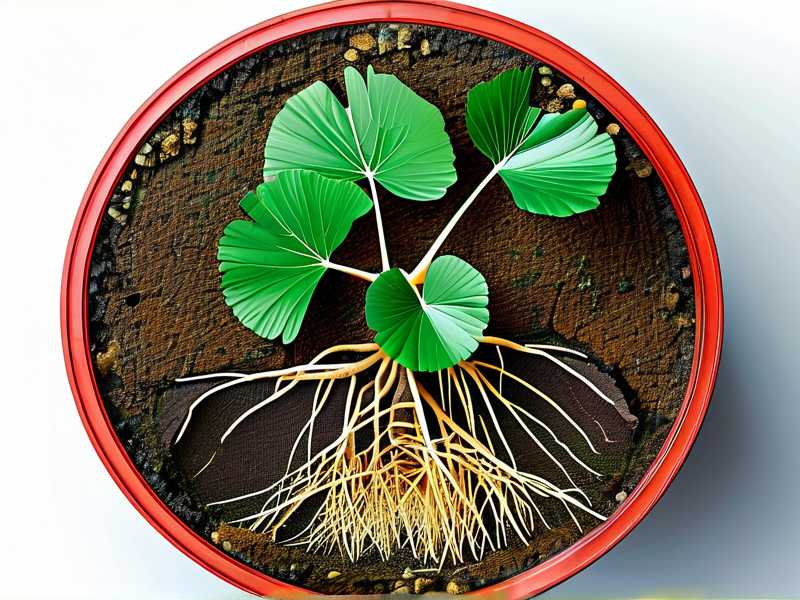
Slide the root ball out of the pot. Gently loosen the soil. Look at the roots.
Healthy roots are firm and light-colored. Rotten roots are brown, mushy, and smell sour. I use my fingers to tease them apart. If roots fall off in your hand, they are gone.
Days 2–3: Trim and Clean
Sterilize scissors with rubbing alcohol. Cut away every mushy root. Cut until you hit firm, white or tan tissue. Do not be timid. Leaving rot behind means it spreads.
Rinse the remaining root ball under lukewarm water. Remove as much old soil as possible. Gnats lay eggs in the top inch of soil, so old soil is a liability.
Day 3: Repot into Fast-Draining Mix
I use a blend of cactus mix, perlite, and coarse orchid bark in roughly equal parts. The bark creates air pockets. Perlite improves drainage. Cactus mix provides a lean base without heavy peat or compost that stays wet.
Plant at the same depth as before. Do not bury the trunk. The base of the trunk should sit just above the soil line.
Water once lightly to settle the roots. Then stop.
Days 3–7: Dry Down and Trap Adults
Leave the soil alone. Let it dry.
Place yellow sticky traps near the soil surface. Adult gnats are attracted to yellow and get stuck. This does not kill larvae, but it breaks the reproductive cycle by catching adults before they lay more eggs.
I put two traps in the pot on day three. By day seven, both were speckled with dead gnats. Gross but satisfying.
If you want extra insurance, sprinkle a thin layer of horticultural sand or fine gravel on top of the soil. Adults cannot lay eggs through it. Larvae cannot emerge from it. It is a physical barrier, not a chemical one.
Days 7–14: Watch and Wait
No water until the top two inches are dry. For my plant, that took until day twelve.
Watch for new leaf drop. Some yellowing and drop is normal after repotting. The plant is stressed. Give it time.
By day fourteen, my money tree had stopped dropping leaves. One small new leaf was unfurling. The sticky traps caught fewer gnats each day. The soil surface was dry and crumbly.
That is the sign you are winning.
What About Mold Rot on the Trunk?
Sometimes the rot climbs from the roots into the trunk. You will see dark, soft patches near the soil line. The bark may peel away easily.
If the rot is small, cut it out with a sterilized knife. Cut into healthy green tissue. Let the wound callus over in dry air for a few hours. Then repot as above.
If the trunk is soft all the way around at the base, the plant is gone. I have lost two this way. It hurts. Start fresh with a new plant and better soil habits.
Products I Tried: What Worked and What Did Not
I tried hydrogen peroxide soil drenches. They killed some larvae but stressed the roots. I do not use them anymore.
I tried neem oil. It worked on adults but not deeply buried larvae. It also made my leaves greasy.
I tried mosquito dunks soaked in water. This is the one chemical control I still use sometimes. The bacteria in dunks kill gnat larvae specifically. Soak a dunk in your watering can for a day, then water. It is slow but effective and does not harm your plant.
Mostly, though, I rely on drying out the soil and repotting. That fixes the cause, not just the symptoms.
Frequently Asked Questions
How long does it take for a money tree to recover from gnat larvae and mold rot?
With proper treatment, you should see leaf drop slow within five to seven days and stop by day fourteen. New growth usually appears within three to four weeks. Full recovery depends on how much root mass you lost. A plant with severe rot may take two months to look normal again.
Can I use cinnamon or hydrogen peroxide to kill fungus gnats in my money tree soil?
Cinnamon is a mild antifungal but does not kill gnat larvae. Hydrogen peroxide drenches kill larvae on contact but can damage already-stressed roots. I do not recommend either as a primary fix. Dry the soil and repot instead. It is safer and more reliable.
Should I throw away my money tree if the trunk is soft and moldy?
If the soft rot goes all the way around the base of the trunk, yes. The plant cannot recover if its vascular tissue is destroyed. If the rot is only on one side, cut it out, let the wound dry, and repot into fresh, fast-draining mix. Check for firm, green tissue under the bark before you give up.