admin
admin How to Get Rid of Returning Persistent Spider Mites on a Stressed Money Tree
If your money tree keeps getting spider mites no matter what you do, you are not alone. I have battled these tiny vampires on a stressed money tree more times than I want to admit. The short answer: you must treat the plant, fix the environment, and break the mite life cycle over at least two weeks. Spraying alone will not work. I learned that the hard way after losing two money trees.
Spider mites love a stressed money tree. The plant is already weak, so it sends out signals that mites find irresistible. Your job is to make the plant strong again while killing every stage of the mite. That means eggs, larvae, nymphs, and adults. Miss one stage, and they come back.
Why Spider Mites Keep Coming Back
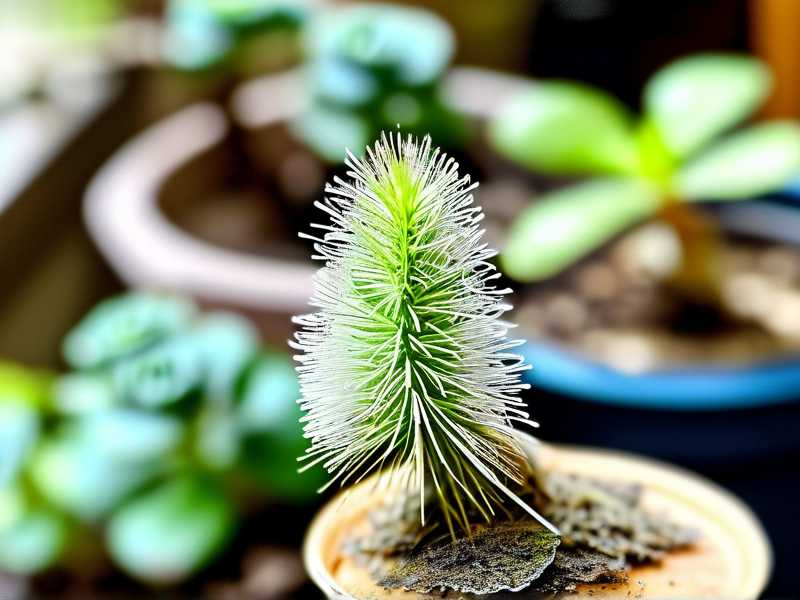
Most people spray once, see the mites disappear, and stop. Big mistake. Spider mite eggs hatch in three to five days in warm indoor conditions. If you do not repeat your treatment, you are just giving the survivors a fresh start.
I tried a single neem oil spray on my first money tree. Three days later, the webbing was back. That is when I realized I had to treat every three days for two full weeks.
Also, spider mites thrive when the air is dry and the plant is thirsty. A stressed money tree usually means inconsistent watering, wrong light, or a pot that holds too much moisture. Fix those, and you cut the mite population in half without any spray.
My 2-Week Spider Mite Battle Plan for a Stressed Money Tree
Here is exactly what I did. I watched my money tree every single day for two weeks. By day 14, the new leaves were clean and shiny. No webbing. No speckles.
Step 1: Isolate and Inspect
Move the money tree away from all other plants. Spider mites spread by crawling or floating on air currents. I put mine in the bathroom with the door closed.
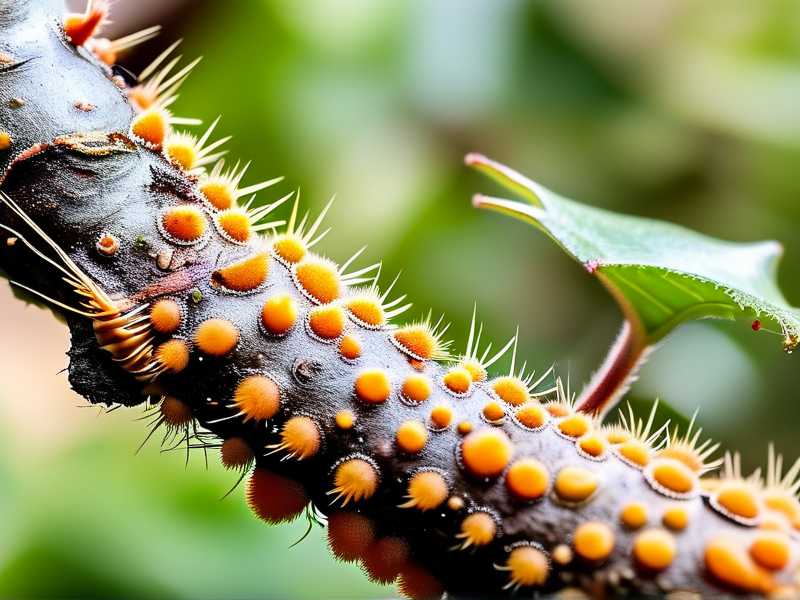
Use a flashlight and a magnifying glass. Look under the leaves and at the leaf joints. You will see tiny moving specks and fine webbing. I also tap a leaf over a white piece of paper. If little dots start crawling, you have mites.
Step 2: Shower the Plant
Take the money tree to your sink or shower. Use room temperature water. Blast the undersides of leaves, the stems, and the top of the soil. This physically knocks off mites and their webs.
I do this every three days. It is messy but effective. Just make sure the pot drains well. You do not want soggy soil.
Step 3: Spray with a Rotation of Treatments
Do not use the same spray every time. Mites build resistance fast. I rotate between three options:
- Insecticidal soap: mix according to the label. Spray every part of the plant until dripping.
- Neem oil: mix with warm water and a drop of dish soap. Spray in the evening to avoid leaf burn.
- Rosemary oil or peppermint oil: these are gentler but work well for light infestations.
I spray on day 1, day 4, day 7, day 10, and day 13. That covers the egg-hatching cycle.
Step 4: Increase Humidity Around the Plant
Spider mites hate moisture. I put a small humidifier near my money tree. You can also place the pot on a tray of pebbles with water. Just make sure the pot bottom is not sitting in water.
I keep humidity between 50% and 60%. My hygrometer cost ten dollars. Best money I ever spent.
Step 5: Fix the Real Problem: Your Care Routine
This is where most people fail. You can kill every mite today, but if your money tree stays stressed, they will return. According to the Royal Horticultural Society (RHS), most indoor plant pests attack plants that are already weakened by poor growing conditions.
The American Horticultural Society (AHS) also points out that overwatering is the number one killer of indoor plants. In fact, 90% of indoor plants die from overwatering. I believe it.
Three Deadly Mistakes New Growers Make with a Stressed Money Tree
Mistake 1: Overwatering
I killed my second money tree by watering it every Sunday no matter what. The soil stayed wet. The roots rotted. The plant stressed out. Then spider mites moved in.
Money trees store water in their trunks. They need to dry out between waterings. Stick your finger two inches into the soil. If it feels moist, wait. I now water my money tree every 10 to 14 days in summer and every 3 to 4 weeks in winter.
Mistake 2: Wrong Light
Money trees need bright, indirect light. Not direct sun. Not deep shade. I once put mine in a dark corner because I thought low light was safe. The plant stretched, weakened, and became a mite magnet.
Now I place mine two feet from a south-facing window with a sheer curtain. It gets bright, filtered light all day. The leaves are firm and green.
Mistake 3: Wrong Pot
I used a decorative pot with no drainage holes. Water pooled at the bottom. The soil turned sour. The roots suffocated.
Always use a pot with drainage holes. Then set that pot inside a cachepot. Empty the cachepot after watering. I also switched to a terracotta pot because it breathes. My money tree has been happy ever since.
What I Learned After Two Weeks
By day 7, I saw fewer mites. But I kept treating. By day 10, no new webbing. By day 14, I could not find a single mite under a magnifying glass. I continued spraying once a week for another two weeks just to be safe.
The key was consistency. If you skip a spray day, you give the mites a chance to rebound. I set reminders on my phone.
Also, do not fertilize a stressed money tree during treatment. Fertilizer pushes new growth, and mites love tender new leaves. Wait until the plant is clean for two full weeks.
Natural Predators and When to Use Them
If you have a serious infestation and you do not want to spray chemicals, try predatory mites. These are tiny bugs that eat spider mites. You can buy them online. I used them once on a ficus. They worked, but they are expensive and finicky. For a money tree, I prefer the spray-and-shower method because it is cheaper and easier to repeat.
A Word About Systemics
Systemic insecticides are absorbed by the plant. They kill mites that feed on the sap. But they are not great for indoor plants if you have pets or kids. I avoid them. I also find that spider mites on a money tree often develop resistance to systemics anyway. Stick with contact sprays and physical removal.
Preventing Spider Mites from Ever Coming Back
Once your money tree is clean, keep it that way. Here is my maintenance routine:
- Wipe the leaves with a damp cloth every two weeks.
- Keep humidity above 50%.
- Water only when the top two inches of soil are dry.
- Inspect new plants before bringing them home.
- Quarantine any new plant for two weeks.
I also keep a small spray bottle of insecticidal soap ready. At the first sign of speckles, I spray. Catching it early saves weeks of work.
Frequently Asked Questions
Can I use just water to get rid of spider mites on a money tree?
Water alone can knock off mites, but it will not kill eggs. You need a spray like insecticidal soap or neem oil. Use water as a first step, then follow with a treatment.
How often should I spray my money tree for spider mites?
Every three days for at least two weeks. That matches the mite egg-hatching cycle. If you spray once a week, you will miss newly hatched mites.
Will spider mites come back after I treat them?
Yes, if the plant stays stressed or the air stays dry. Fix your watering, light, and pot drainage. Keep humidity up. Then they are much less likely to return.
Final Thoughts
Getting rid of returning persistent spider mites on a stressed money tree is a two-front war. You kill the mites on the plant, and you fix the conditions that made the plant weak. I wasted months spraying randomly before I figured that out. Follow my two-week plan. Be patient. Your money tree will reward you with clean, glossy leaves and maybe even a new trunk or two.