admin
admin How to Keep Mealybugs From Colonizing New Money Tree Leaf Growth
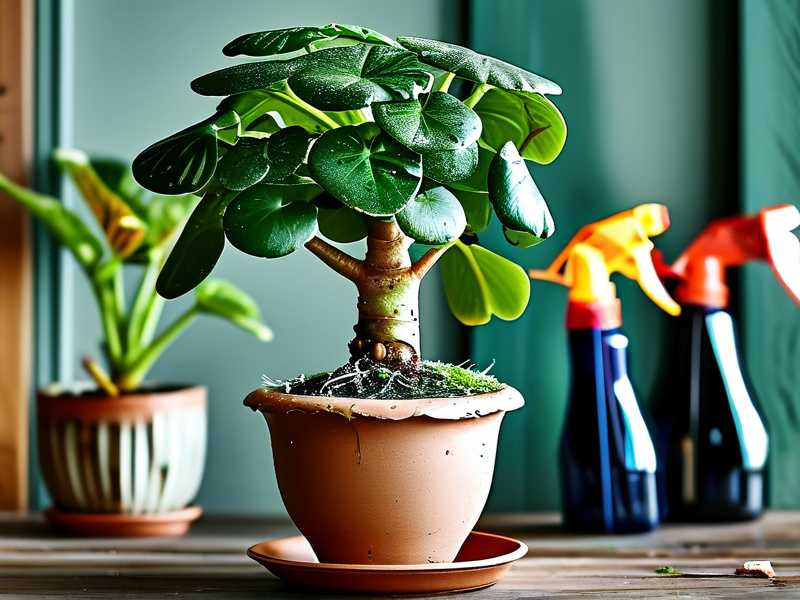
If you've ever watched a money tree push out a perfect, soft green shoot only to find it fuzzy with white specks two weeks later, you're in the right place. The fastest way to keep mealybugs from colonizing new money tree leaf growth is to catch them before the tender tissue hardens, treat the undersides of those new leaves weekly, and stop overwatering so the plant isn't stressed. That's the short answer. Everything below is how I actually do it, including the mistakes that cost me three money trees before I figured it out.
I'm not a botanist. I'm a person with a south-facing window, a sticky trap habit, and a graveyard of plants I killed by caring too much. Money trees (Pachira aquatica) were my nemesis for a long time. Mealybugs love them. Specifically, they love the new growth, because that tissue is soft, thin, and full of sap they can tap without much effort.
A quick note on why this matters: the RHS consistently flags mealybugs as one of the most persistent glasshouse and houseplant pests, partly because they hide in leaf axils and reproduce fast in warm indoor conditions. The AHS also notes that stressed plants attract pests more readily, which is why your watering habits are part of the pest problem.
Let's get into what actually works.
Why mealybugs target new money tree leaf growth specifically
New leaves are basically a buffet. The cuticle hasn't thickened, the sap is flowing, and the leaf hasn't developed the tougher texture that makes older foliage less appealing. Mealybugs (Planococcus citri and relatives) also prefer to hide where leaves meet the stem. On a money tree, that's the exact spot where a new shoot emerges.
So when you see a fresh stem unfurling, the clock starts. You have maybe five to ten days before a single female mealybug can settle in, start feeding, and begin producing that cottony egg sac. Once that happens, you're not dealing with one bug. You're dealing with a nursery.
I learned this the hard way on a money tree I bought at a grocery store. It looked clean. Two weeks later, the new growth was white and sticky. I wiped it off with a paper towel, felt proud of myself, and then watched the same thing happen again nine days later. The paper towel didn't reach the crawlers hiding in the leaf axils.
The first thing I do when I see new growth: a two-week observation habit
This is the part most people skip. I don't wait until I see bugs. When a money tree starts pushing new shoots in spring or early summer, I check it every three days for two weeks straight.
Here's what I look for:
- Tiny white cottony clusters at the base of new leaflets
- Sticky residue (honeydew) on the leaf surface below the new growth
- Ants crawling up the trunk (ants farm mealybugs, believe it or not)
- Slow or distorted unfurling of new leaves
During those two weeks, I also run my fingers gently along the underside of each new leaf. If it feels slightly tacky, that's honeydew, and that means mealybugs are already there even if you can't see them clearly.
What I actually do to stop colonization
Step 1: Isolate the plant immediately
The moment I see even one suspicious white speck on new growth, that money tree goes into a separate room. Mealybugs don't fly, but they crawl, and they can hitch a ride on your sleeve, your watering can, or a draft. I've had a mealybug outbreak spread from one pothos to a whole shelf because I didn't isolate fast enough. Not doing that again.
Step 2: Physical removal first, always
I use a cotton swab dipped in 70% isopropyl alcohol. I touch each visible mealybug and each cottony mass. The alcohol dissolves the waxy coating and kills the bug on contact. For new growth specifically, I'm extra gentle. Those leaves tear easily. I don't rub. I dab.
I also use a soft-bristled toothbrush on the stem, especially at the leaf axils where new shoots emerge. That's where the crawlers hide.
Step 3: Treat the new growth with neem or insecticidal soap every five days
This is the rhythm that finally worked for me. Not once a week. Every five days, for at least three rounds. Mealybug life cycles move fast in indoor heat, and the eggs hatch in about ten days. If you treat once and walk away, you miss the next generation.
I alternate between neem oil and insecticidal soap. Neem disrupts feeding and molting. Soap smothers on contact. I spray the undersides of the new leaves, the stem, and the top of the soil. I do this in the evening so the leaves don't burn under grow lights.
A note on neem: buy cold-pressed, and mix it fresh. I tried a pre-mixed bottle once and it did almost nothing. The azadirachtin degrades quickly.
Step 4: Stop overwatering
This is the big one. 90% of indoor plants die from overwatering. Not pests. Not low light. Overwatering. And overwatered plants are stressed plants. Stressed plants send out weak new growth that mealybugs find irresistible.
I water my money tree only when the top two inches of soil are dry. In winter, that might be every two weeks. In summer, every seven to ten days. I use a moisture meter because my finger lies to me. I want to believe the soil is dry. It usually isn't.
Step 5: Check the roots and repot if needed
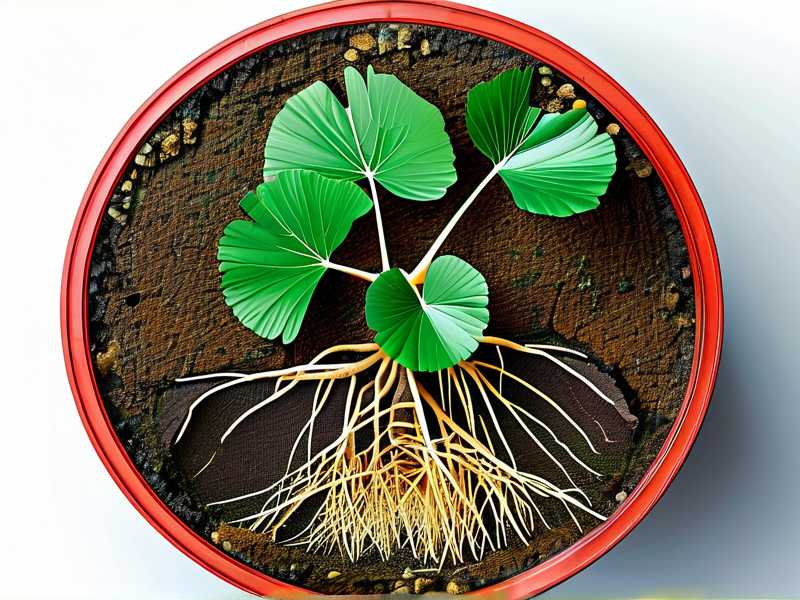
If mealybugs keep coming back on new growth despite treatment, the problem might be in the soil. Mealybugs can live on roots. I learned this after months of spraying leaves while the real infestation was underground.
I pull the plant out, rinse the roots, and repot in fresh, fast-draining mix. Money trees hate sitting in wet, heavy soil. I use a blend of cactus mix, perlite, and a little orchid bark. The pot has drainage holes. Always.
The three mistakes that let mealybugs win every time
I've made all three of these. More than once.
Mistake 1: Overwatering
I used to water on a schedule. Every Sunday, no matter what. That's how I killed my first money tree. The soil stayed wet, the roots rotted, the plant weakened, and mealybugs moved in like they owned the place. Now I water when the plant needs it, not when my calendar says so.
Mistake 2: Wrong light
Money trees want bright, indirect light. Not direct sun, which scorches the leaves. Not deep shade, which makes the plant leggy and weak. Weak growth is mealybug candy. I put mine about three feet back from a south-facing window with a sheer curtain. That's the sweet spot in my house.
Mistake 3: Wrong pot
I once repotted a money tree into a decorative pot with no drainage holes. I thought I was being careful with water. I wasn't. Water pooled at the bottom, the soil soured, and the plant declined. Now every pot has holes. No exceptions. I don't care how pretty it is.
What about beneficial insects?
I've tried them. Ladybugs are fun but they fly away. Lacewing larvae work, but they're expensive and hard to keep alive indoors. Predatory mites (like Hypoaspis miles) can help with soil-dwelling mealybugs, but they're not a quick fix for a visible infestation on new leaves.
For most home growers, I think a consistent spray routine plus physical removal beats beneficial insects. That said, if you have a greenhouse or a large collection, beneficials are worth exploring.
A quick word on systemics
Systemic insecticides like imidacloprid can work, but they're not available everywhere, and they can harm pollinators if the plant goes outside. I don't use them indoors. I prefer to solve the problem without chemicals I can't pronounce.
My actual two-week timeline after finding mealybugs on new growth
Day 1: Isolate. Dab every visible bug with alcohol. Spray with insecticidal soap. Day 3: Inspect. Look for new cottony masses. Dab again if needed. Day 5: Spray with neem. Day 7: Inspect. Wipe any honeydew with a damp cloth. Day 10: Spray with soap. Day 12: Inspect. Day 14: Spray with neem. Check the soil surface for any crawlers.
After two weeks, if I don't see new activity, I keep the plant isolated for another two weeks just to be safe. Mealybugs are patient. I've learned to be more patient.
Frequently asked questions
Can mealybugs come back after treatment?
Yes. They almost always do if you stop treating too soon. The eggs hatch over a ten-day window, so you need at least three treatment rounds spaced five days apart. I've had them reappear three weeks after I thought I was done. Now I treat for a full month.
Do mealybugs live in the soil?
They can. Root mealybugs are a thing, and they're harder to spot. If your money tree keeps getting infested on new growth no matter what you do, unpot it and check the roots for white, waxy residue. Repot in fresh soil.
Will neem oil hurt new money tree leaves?
Not if you dilute it properly and apply it in the evening. I use one teaspoon of neem per quart of water with a few drops of castile soap. I've burned leaves before by spraying in direct sun. Don't do that.
Will rubbing alcohol damage the plant?
Not if you dab it on the bugs and not soak the leaf. I've used alcohol on delicate new growth without issues. Just don't leave the leaf dripping wet.
The bottom line
Mealybugs on new money tree leaf growth are a pain, but they're beatable. Isolate the plant. Dab the bugs. Spray every five days for three rounds. Stop overwatering. Use a pot with drainage. And don't trust a single treatment to solve it.
I've lost three money trees to this exact problem. The fourth one is thriving. The only difference is consistency. If you're dealing with this right now, you're not alone, and you're not doomed. Just start today, and check those new leaves again in three days.