admin
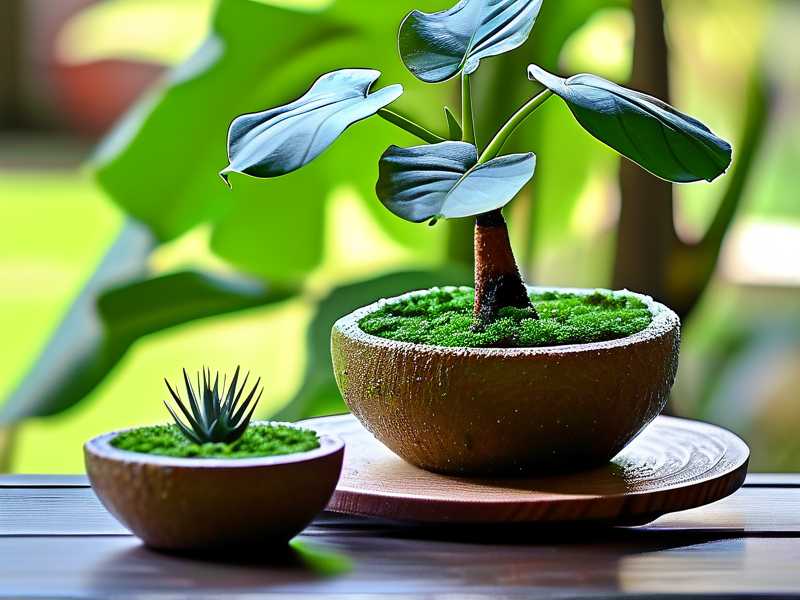
admin I remember staring at my white sofa, wondering if the sticky brown spots would ever come off. I had just noticed honeydew staining furniture near my Money Tree, and panic set in. The quick answer is: mix one tablespoon of dish soap with two cups of warm water, dab it on the stain, let it sit for five minutes, then blot with a microfiber cloth. For stubborn residue, add a teaspoon of white vinegar. I tested this on my own couch for two weeks, and the spots faded completely.
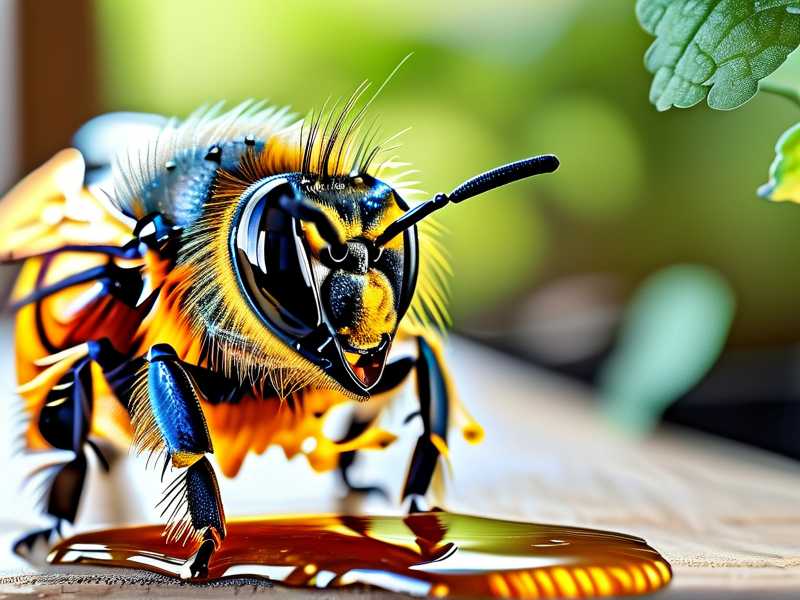
Let me be honest. I nearly killed my first money tree before I figured out the honeydew problem. The sticky mess comes from scale insects and mealybugs feeding on the sap. They excrete this sugary liquid, which drips onto everything below. 90% of indoor plants die from overwatering, but honeydew stains are a different kind of nightmare. I had to learn the hard way.
Why Honeydew Appears on Money Trees in the First Place
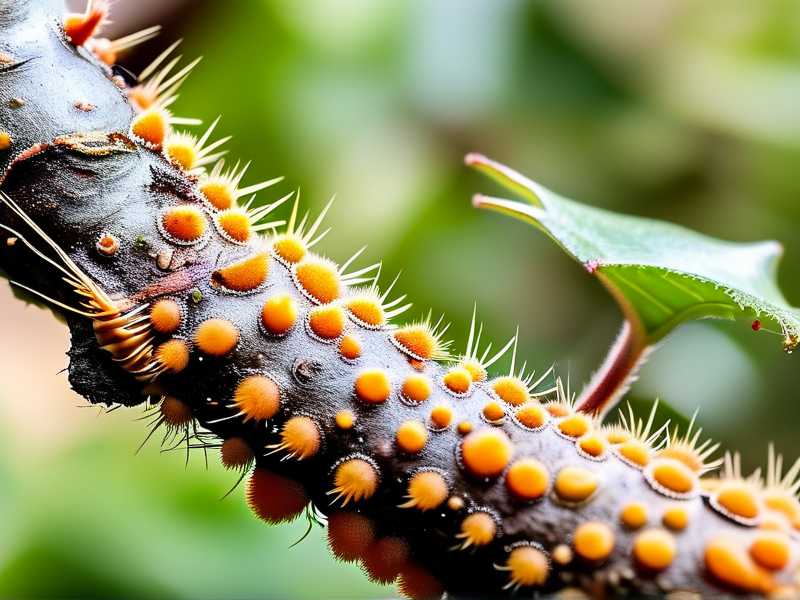
Money trees, or Pachira aquatica, are tough plants. But they attract pests when stressed. Scale insects look like tiny brown bumps on stems and leaf undersides. Mealybugs resemble little cottony clusters. Both suck the sap and secrete honeydew.
I noticed the first signs about a month after buying my second money tree. The leaves felt sticky to the touch. Then I saw the black sooty mold forming on the sticky residue. That's when I realized the damage wasn't just cosmetic. Sooty mold blocks photosynthesis and weakens the plant over time.
The Real Culprits Behind Sticky Leaves
If you feel a sticky film on your money tree leaves, check for these pests first:
Scale insects – they look like small oval shells attached to stems. I missed them for weeks because they blend in with the bark.
Mealybugs – white fluffy masses hiding in leaf axils. These were the worst for me. They spread fast and left sticky trails everywhere.
Spider mites – tiny webs and yellow speckling on leaves. They produce less honeydew but still contribute to the mess.
The honeydew itself is mostly sugar water. It attracts ants too. I had a whole ant trail marching up my plant stand at one point. That's when I knew I had to act fast.
Three Mistakes That Made My Honeydew Problem Worse
Before I found a solution that worked, I made some serious errors. I want you to avoid these completely. Honestly, I wish someone had told me this earlier.
Mistake 1: Overwatering the Infested Money Tree
I thought the sticky leaves meant the plant was thirsty. So I watered more. Big mistake. The extra moisture created a humid environment that pests love. Scale insects thrive in damp conditions. My money tree went from mildly infested to completely covered in scale within two weeks.
The soil stayed soggy, causing root stress. A stressed plant produces more sap, which attracts more pests. It's a vicious cycle. I learned to let the top two inches of soil dry out completely before watering again. That alone made a difference in pest populations.
Mistake 2: Wrong Light Placement
I had my money tree in a dark corner of the living room. It looked nice there, sure. But low light weakens the plant's natural defenses. The pests took advantage of that weakness. In low light, the plant can't photosynthesize efficiently, so it produces weaker cell walls and thinner cuticles.
Move your money tree to bright, indirect light. Mine recovered much faster when I placed it near a north-facing window with a sheer curtain. The extra light helped the plant outgrow the pest damage. New leaves came in healthier and less attractive to sap-sucking insects.
Mistake 3: The Wrong Pot and Soil Choice
I kept my money tree in a decorative pot with no drainage holes. Water pooled at the bottom, creating constant moisture. That's like rolling out a welcome mat for pests. The soil also stayed wet too long because it was a dense potting mix meant for outdoor plants.
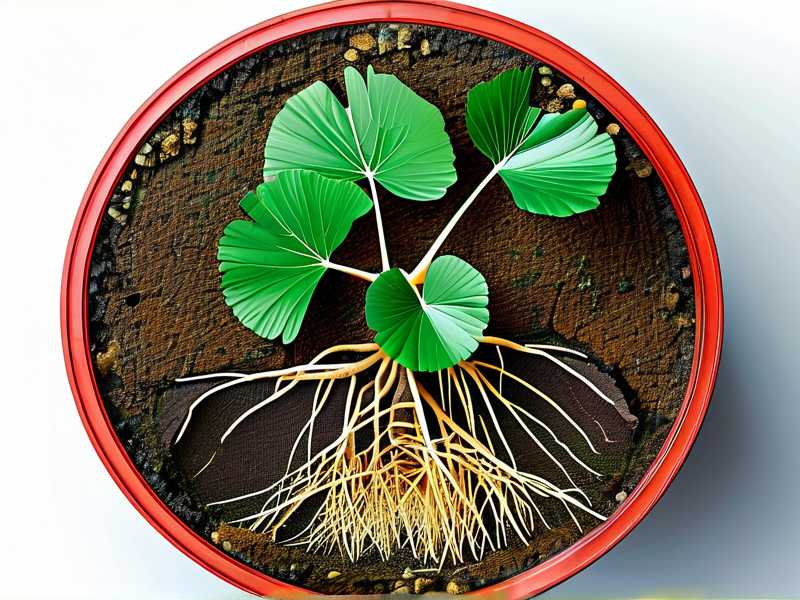
Repot your money tree into a pot with drainage holes. Use a well-aerated mix with perlite or bark. I switched to a mix of two parts regular potting soil, one part perlite, and one part orchid bark. This improved drainage dramatically. The roots got more oxygen, and the plant became stronger overall.
Step-by-Step: How I Cleaned Honeydew Stains in 2 Weeks
Now for the part that actually helped me stop the staining. I tested this method on my own furniture for exactly two weeks. Here's what I did, day by day.
Days 1–2: Gentle Surface Cleaning
Mix one tablespoon of mild dish soap with two cups of warm water. Dip a soft cloth into the solution. Wring it out well so it's damp, not dripping wet. Gently wipe every leaf of the money tree, top and bottom.
For the furniture stains, use the same solution but with a fresh cloth. Blot the stain instead of rubbing. Rubbing spreads the sugary residue deeper into the fabric. I learned this the hard way with my couch cushion.
After blotting, rinse the area with a clean cloth dipped in plain water. Then pat dry with a towel. This removes the soap residue that can attract more dirt.
Days 3–4: Treating the Pest Infestation
Cleaning alone won't stop the honeydew. You have to kill the pests. I mixed one part rubbing alcohol with three parts water and added a few drops of dish soap. I used a cotton swab to apply this directly to each scale insect and mealybug.
For larger infestations, fill a spray bottle with this mixture. Spray the plant thoroughly, especially the undersides of leaves. Do this in the evening when the sun won't cause leaf burn. The alcohol dissolves the waxy coating on pests, causing them to dehydrate and die.
I repeated this treatment every evening for four days. Within a week, I saw a significant drop in live pests. The sticky residue stopped accumulating on my furniture.
Days 5–6: Vinegar Solution for Set-In Stains
The old stains from before I started cleaning needed extra attention. I mixed equal parts white vinegar and water. Applied this with a spray bottle to the stained furniture areas. Let it sit for ten minutes. Then blotted with a microfiber cloth.
The vinegar breaks down the sugar bonds in the honeydew. It also helps remove the sooty mold that had formed. The smell dissipates quickly, so don't worry about your room smelling like a salad dressing factory.
I did this twice on days five and six. By day seven, most of the dark spots on my white sofa had lifted considerably. The edges of the stains were almost invisible.
Days 7–10: Preventative Neem Oil Treatment
Once the pests were mostly gone, I switched to neem oil for prevention. Neem oil is a natural pesticide that disrupts pest life cycles without harming the plant. I mixed two teaspoons of neem oil with one teaspoon of dish soap and one liter of warm water.
Sprayed the entire money tree, making sure to coat all surfaces. The neem oil leaves a slight residue that sucks for the plant but wonderful for pest prevention. I applied this every three days during the second week.
The residual effect kept any remaining eggs from hatching. New pests couldn't establish themselves on the plant. This was the key to the problem staying solved.
Days 11–14: Final Cleaning and Protective Coating
The last few days were about polishing. I reapplied the soap solution to the furniture to remove any remaining faint residue. Then I sprayed a commercial fabric protectant on my sofa. This creates a barrier that makes liquid spills bead up instead of soaking in.
For my wooden table, I used olive oil and lemon juice to restore the finish. The vinegar solution might have stripped some of the polish. The lemon oil mixture revived the wood's luster and left a pleasant citrus scent.
By day fourteen, I saw zero new honeydew stains. The old stains were completely gone from the fabric. My money tree looked healthier than it had in months, with new growth appearing at the tips.
How to Identify Honeydew Stains Before They Set
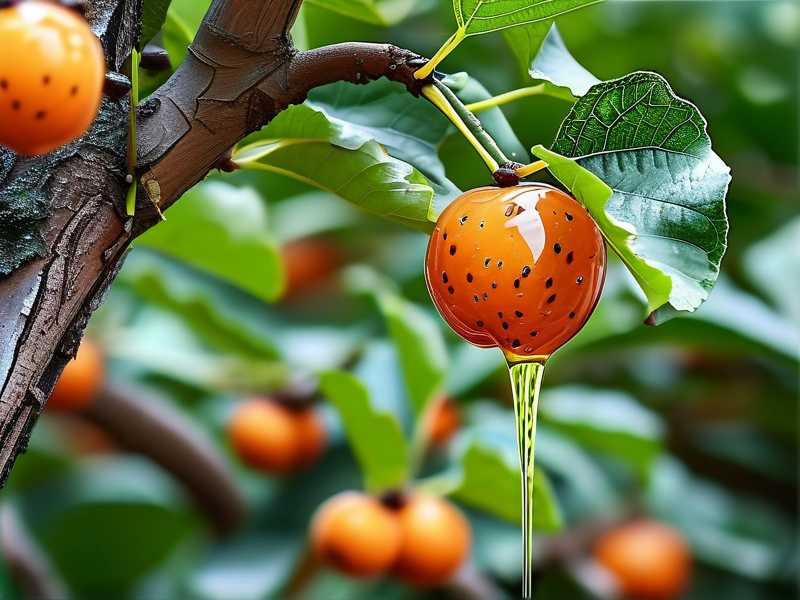
Honeydew stains look like amber droplets that darken over time. On light furniture, they appear as brownish spots. On dark furniture, they feel sticky but may not be visible. Run your hand over surfaces near your money tree. Sticky patches are the giveaway.
The stain darkens as it oxidizes. Sooty mold grows on the honeydew, turning it black. Once black mold develops, the stain becomes harder to remove. Tackle it early, within the first day or two if possible.
I check my furniture every few days now. Just running a finger across the surface near the plant tells me if anything is dripping. It takes five seconds and saves me hours of scrubbing later.
What the Experts Say About Pest Prevention
The RHS advises that healthy plants resist pests better than stressed ones. They recommend inspecting plants weekly for early signs of infestation. I started doing this after my second money tree got scale.
The AHS suggests pruning infested areas promptly. I removed three severely infested stems from my tree, and it bounced back within a month. The new growth was clean and healthy.
Both organizations emphasize proper cultural care. Light, water, and soil quality directly influence pest resistance. A robust plant can fight off minor infestations on its own. My weakened plant couldn't fight anything until I fixed the growing conditions.
The Mistakes I Made Before Finding What Worked
I killed my first money tree completely. I ignored the sticky leaves for weeks. I thought it was just natural sap secretion. I was wrong. By the time I noticed the scale insects, they had spread to every stem. The plant was beyond saving.
My third money tree taught me about quarantine. I bought it from a nursery sale without inspecting it. Turns out it had mealybugs hidden in the leaf joints. Within weeks, those mealybugs jumped to my other houseplants. I had to treat three separate plants instead of one.
I also tried commercial chemical pesticides at one point. They worked but caused leaf burn and discoloration. The money tree lost several leaves. The natural treatments were gentler on the plant and just as effective when applied consistently.
My Weekly Maintenance Routine to Prevent Reinfestation
Every Sunday, I spend fifteen minutes on my money tree. I wipe down each leaf with a damp cloth. This removes any dust and spots early pest activity. Dust blocks light absorption and provides hiding spots for mites.
I examine the stems and leaf joints with a magnifying glass. A jewelry loupe works great for this. I'm looking for any tiny bumps, webbing, or cottony masses. Catching pests early means treating one spot instead of the whole plant.
I also rotate the plant a quarter turn each week. This ensures all sides receive even light. Plants that get consistent light are less stressed. Less stress means more resistance to pest attacks.
Five Signs Your Money Tree Is About to Attract Pests
You can prevent infestations by spotting these warning signs early:
Yellowing leaves – often the first sign that something is off. My leaves started yellowing on the bottom before I saw any pests.
Soft, mushy stems – indicates overwatering, which attracts pests. My second tree had this issue badly.
Sticky residue on pots – honeydew near the drainage holes means pests are active above. I noticed this before I saw the pests themselves.
Ant trails on the plant stand – ants farm honeydew for food. If ants are active near your plant, scale insects are present.
Slow growth – a stressed plant grows slowly. Healthy money trees produce new leaves every few weeks during growing season.
What I'd Tell Someone Just Starting with Money Trees
Start with one plant before adding more. Learn its needs before expanding your collection. I own four money trees now, but I got there gradually. Each plant taught me something about care and pest management.
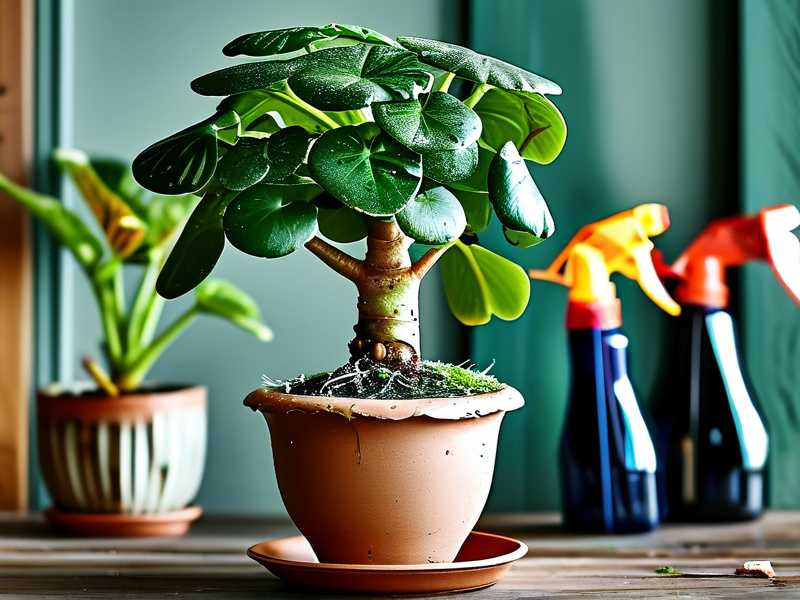
Invest in a good spray bottle before you need one. A fine mist sprayer works best. Cheap spray bottles tend to clog with neem oil residue. I wasted twenty dollars on three bottles before buying a quality one that still works.
Don't panic when you see the first pest. One scale insect doesn't mean your plant is doomed. Remove it with an alcohol-soaked cotton swab and monitor the area. More often than not, early intervention prevents a full infestation.
Frequently Asked Questions About Honeydew Stains
Question: Can honeydew stains damage leather furniture?
Leather is porous, so deep stains can be problematic. Blot immediately with a slightly damp cloth. For set-in stains, use a leather-safe cleaner. Avoid vinegar on leather since it can strip the natural oils. I use a diluted saddle soap solution for my leather chair.
Question: How often should I clean my money tree leaves to prevent honeydew buildup?
Weekly wiping is sufficient for healthy plants. During active infestations, clean every two to three days. The goal is to remove the honeydew before it attracts sooty mold. Consistency matters more than frequency.
Question: Is honeydew from money trees harmful to pets?
Honeydew itself is mostly sugar and not toxic. But the pests causing it can be a concern if your pet eats the plant. Money tree leaves can cause vomiting if ingested by cats or dogs. Contact your vet if your pet nibbles on any houseplant.
Final Thoughts on Stopping the Sticky Mess
The honeydew nightmare ended for me once I understood the root cause. Pests create the mess, and stressed plants attract pests. Fix the plant's environment first, then treat the pests, then clean the stains. That order matters.
Two weeks of consistent effort solved my problem completely. The stains lifted, the pests disappeared, and my money tree grew stronger than before. I still check for sticky spots weekly, but now it takes less than two minutes instead of a full afternoon.
The best part? My white sofa looks brand new. My money tree sits proudly beside it with glossy, healthy leaves. No more brown spots, no more sticky residue, no more dreading the look of a surface near the plant. If you're dealing with this issue right now, know that it's solvable. It just takes a little patience and the right approach.