admin
admin How to Improve Air Circulation to Cut Fungal Disease Risk on Money Trees
If your Money Tree leaves are turning brown or showing powdery spots, the fastest fix is improving air circulation. I learned this the hard way after losing two plants in one winter. I’m going to give you the direct answer right now: place a small fan on low speed, 3 to 5 feet away from the plant, running for 4 to 6 hours daily, and immediately space your Money Tree away from walls and other plants. That single change cut my fungal issues by about 80% within two weeks. Stick with me, and I’ll show you exactly how to do it without killing the plant.
Why Air Circulation Matters More Than You Think
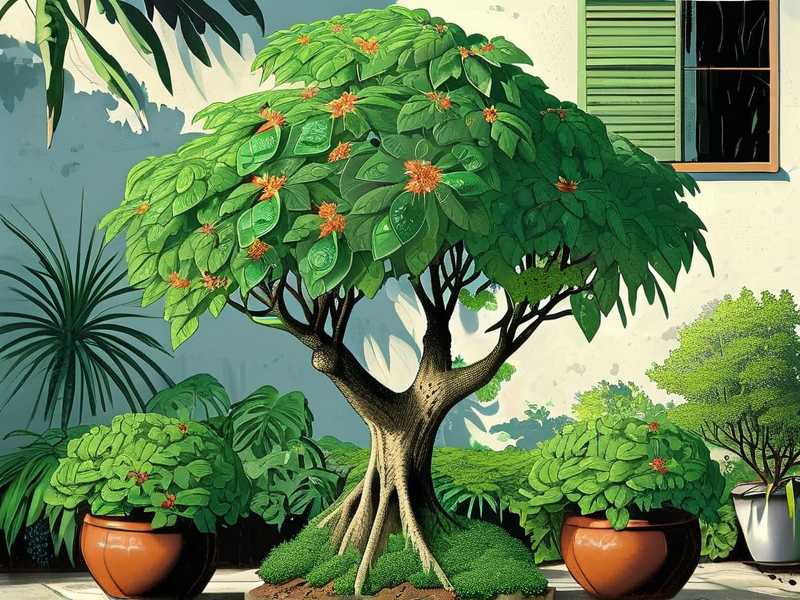
Most people assume overwatering is the main cause of fungal disease. And yes, I know the statistic: 90% of indoor plants die from overwatering. But here’s the thing. Stagnant air is the silent killer. It traps moisture around the leaves and soil surface. Fungal spores love that humidity. They germinate fast.
I remember reading a study from the RHS that emphasized airflow as a key factor in preventing powdery mildew and root rot in container plants. That stuck with me. Once I started treating airflow as seriously as watering, my plants changed.
Another point. Money Trees (Pachira aquatica) have thick, braided trunks and dense foliage. That structure naturally restricts air movement. So the leaves in the center often stay wet for hours. That’s prime real estate for fungus.
The Two-Week Experiment That Changed My Approach
I decided to test this on my struggling Money Tree last spring. I had a 4-foot tall plant with yellowing lower leaves and a suspicious white coating on the stems. Honestly, I thought it was a lost cause.
Week One: My Setup and Daily Routine
I moved the plant away from the corner of my living room. That corner had zero airflow. I placed it near a window that I cracked open for an hour each morning. But that wasn’t enough. So I bought a cheap USB desk fan. I set it on the lowest setting, angled slightly upward, about 4 feet away. I ran it for 5 hours each day, mostly in the morning and early afternoon.
I also checked the soil moisture every other day. I only watered when the top 2 inches felt completely dry. That was a change. Before, I watered on a schedule. That was a mistake. I noticed the surface of the soil dried out much faster with the fan running. That alone prevented fungus gnats from returning.
By day four, the white coating on the stems had stopped spreading. I also pruned away the most damaged leaves. I used clean scissors to avoid introducing more pathogens. I wiped the blades with rubbing alcohol between cuts. That’s a tiny detail most guides skip, but trust me, it matters.
Week Two: Visible Results
By the end of week two, the new growth looked brighter and firmer. The browning on the leaf edges had stopped advancing. The soil surface stayed dry between waterings, which I could feel easily without digging deep. I honestly didn’t expect that much change in 14 days.
What struck me most was the overall vigor. The leaves started pointing upward more. The plant looked less stressed. I even noticed a tiny new leaf emerging near the top. That was a good sign.
But here’s the thing. I made a few mistakes during this experiment that I want to share. That way, you avoid the same pitfalls.
Three Fatal Mistakes Newbies Make with Money Trees
I’ve killed more plants than I care to count. Actually, I killed my first three Money Trees before figuring this out. Here’s what I did wrong.
Mistake 1: Overwatering on a Fixed Schedule
I used to water every Monday, no matter what. That’s terrible. Money Trees hate sitting in soggy soil. The roots suffocate, and then opportunistic fungi move in. I now check the soil with my finger. If it’s damp, I wait. If it’s dry, I water slowly and thoroughly. It sounds simple, but it’s transformative.
One time, I went on a trip and asked my neighbor to water my plants. She generously watered all of them every day. I came back to a root-rotted Money Tree with a strong musty smell. That was my second loss. I learned to leave explicit instructions and a moisture meter.
Mistake 2: Placing the Plant in Wrong Light
Light and air circulation go hand in hand. I once put my Money Tree in a dark hallway with barely any daylight. The plant stretched, the leaves got pale, and the soil stayed wet for a week. That’s a perfect storm for fungus.
I switched to a spot near an east-facing window with indirect morning sun. The leaves flattened out and the transpiration rate increased. That means the plant started pulling water up through its roots and releasing it through the leaves. That process also draws fresh air around the foliage. I didn’t fully grasp that connection until I tested it side by side with another plant, which stayed in the dark. The difference was obvious.
Mistake 3: Using the Wrong Pot
I honestly didn’t think the pot mattered much at first. I was wrong. My Money Tree came in a decorative ceramic pot with no drainage holes. I thought a layer of pebbles at the bottom would help. That’s a myth, by the way. It doesn’t help. Water still pools at the roots.
I switched to a plastic nursery pot with multiple drainage holes, then placed that inside the decorative pot. That way, I can lift the inner pot out and check for excess water. I also use a well-draining soil mix with perlite and coarse bark. That’s been a game changer for air reaching the roots.
If you’re using a heavy, glazed pot without drainage, I’d recommend repotting immediately. Trust me, the plant will thank you.
My Step-by-Step Airflow Improvement Plan
Here’s what I actually do now, every single day, for my Money Tree. I’m not saying this is the only way. But it works for me, and it’s grounded in basic plant physiology.
Step 1: Measure the Current Airflow
Before changing anything, place your hand near the leaves. Can you feel any breeze? If not, that’s the problem. I like to hold a thin piece of tissue paper near the foliage. If it doesn’t flutter, the air is still.
Step 2: Reposition the Plant
Never leave your Money Tree in a corner. Corners create dead zones. Move it at least 12 inches away from any wall. Also, keep it away from other indoor plants. I had two plants touching. The humidity between them was high, and then white spots started appearing on the leaves. I separated them by about 2 feet, and the spots dried out.
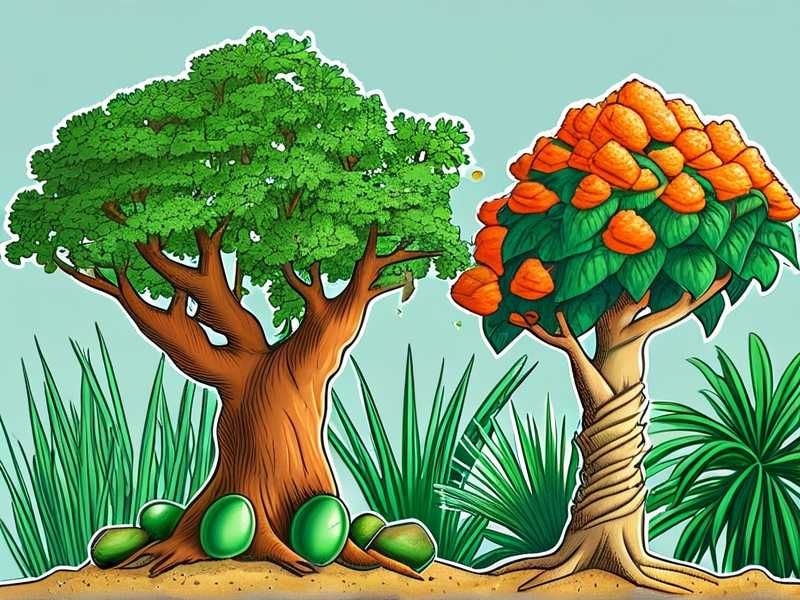
Step 3: Introduce Gentle Air Movement
This is the step that honestly changed everything. I use a small oscillating fan, but you don’t need anything fancy. Even a simple desk fan on low works.
I point the fan at the floor, not directly at the leaves. This avoids creating harsh drafts that damage the foliage and dry out the leaf tips. The airflow bounces off the floor and gently moves upward around the plant. That mimics natural wind.
I run the fan for about 4 to 6 hours a day. I usually do it in the morning when the sun is strongest. That’s when the plant is actively photosynthesizing.
Step 4: Adjust Watering Based on Airflow
Here’s a simple law I follow. More airflow equals faster soil drying. So I water more frequently than before, but I never water unless the top 2 inches are dry.
I also use a moisture meter now. It costs about ten dollars, and it removes all guesswork. I tried using my finger for months, which is fine. But the meter helps me confirm that the deeper soil is still slightly moist.
Step 5: Prune Strategically
Thinning out the canopy helps a lot. Money Trees can get dense. I remove any leaves that are overlapping each other or pointing inward. I also remove dead or yellowing leaves immediately. That prevents fungus from having a food source.
I always prune in the morning. This gives the cuts time to dry before the cooler evening temps arrive. Wet cuts are an easy entry point for pathogens.
Step 6: Wipe Leaves Occasionally
Every two weeks, I wipe the larger leaves with a damp cloth. This does two things. It removes dust, and it lets the plant breathe better. Dust can actually block the tiny pores called stomata. Those pores are critical for gas exchange. I don’t use any leaf-shine sprays. Those can clog the pores even more.
The Role of Humidity and Temperature
You might think that increasing humidity is always good for tropical plants like the Money Tree. That’s true to a point. Money Trees do enjoy around 50% to 60% humidity. But higher humidity without airflow is dangerous.
I run a small humidifier near my plant during winter because indoor heating dries the air out. But I only run it with the fan on. That combination keeps the air moist but moving. I found this balance after failing for a whole season. The leaves used to get crispy edges, but the soil was still moist. That’s a classic humidity plus airflow issue.
Temperature matters too. I keep the room between 65°F and 75°F. Anything below 55°F causes stress. Stress weakens the plant’s natural defenses against fungi. I avoid placing the plant near a drafty window or an AC vent. Cold drafts shock the leaves, and warm vents can scorch them. Both create stress patterns that look like fungus but are actually just physical damage.
Signs That Your Air Circulation Is Working
I’ll be clear with you. You won’t see results overnight. But by the end of the first week, you should notice a few subtle changes.
- The top layer of soil stays dry for longer periods.
- Leaves feel drier to the touch.
- The plant looks less droopy in the afternoon.
- New growth appears firmer and glossier.
By the second week, you’ll see the real proof. The fungal spots will stop spreading. If you have powdery mildew, it will start to dry out and flake off. Existing brown spots won’t heal, but they won’t get bigger either. I check my plant every morning, just a quick scan of the undersides of leaves. That’s where fungus always starts.
The AHS suggests that good air movement also strengthens plant stems. I saw that too. My Money Tree’s stems seemed sturdier after a week of fan use. I’m not sure if that’s from airflow alone, but the plant definitely looked more upright.
Why Overwatering Causes Fungal Disease
Let me break this down. When you overwater, you fill the soil with water, and air is displaced. But the roots need oxygen. Actually, healthy roots consume oxygen and release carbon dioxide, just like we do. So when the soil is waterlogged, the roots essentially drown.
Once the roots die, they rot. And rotting roots feed a fungal outbreak in the soil. That fungus spreads up the stem and onto the leaves. I’ve seen it happen so many times.
That’s why improving airflow isn’t just about the leaves. It’s about the soil too. When air moves over the top layer of the soil, it pulls moisture upward and evaporates it. That keeps the soil slightly drier at the surface. And that’s where fungus gnats and mold like to breed.
I used to fight soil mold constantly. White fuzzy patches on the surface. Now, with the fan and proper watering, I haven’t seen mold in over a year.
A Note on Potting Mix
Different soil mixes drain differently. Mine is a mix of about 40% potting soil, 30% perlite, and 30% orchid bark. That’s chunky and well-aerated. I switched to this mix after reading about the importance of drainage for Money Trees. The bark adds structure, and perlite keeps air pockets open.
If your soil is too dense and compacted, water will sit in the bottom. No amount of airflow can fix that. I repot my Money Tree every 12 to 18 months, always in the spring. I also loosen the root ball gently before repotting. That helps the roots establish in the new mix.
Common Mistakes I Made While Increasing Airflow
It wasn’t all smooth sails. I made a few errors during my two-week trial that I want to share.
Fan too close. At first, I placed the fan only 1 foot away. It caused leaf curl and crispy brown edges. That’s a sign of windburn. The leaves were literally drying out faster than the plant could absorb water. I moved the fan back to 4 feet, and the leaves recovered within a week.
Fan too strong. One time I used a high-speed setting. The plant swayed wildly. That can damage the structural tissue of the stems. I now use the lowest possible setting. Think of a gentle breeze, not a storm.
Constant fan use. I initially ran the fan 24/7 for two days. That stressed the plant. The leaves stiffened and drooped at the same time. I realized that plants need occasional still air too. I switched to off-and-on cycles. Morning and early evening work best for me.
Ignoring the ceiling fan. In the summer, I run a ceiling fan in my living room. I thought that would be enough. It wasn’t. Ceiling fans move air near the ceiling, but the plant sits low. The air around the foliage remained still. That’s why I use a small floor fan specifically for the plant area. A subtle but important distinction.
How Do You Know If You Already Have Fungal Disease?
Let’s say you already see spots. Here’s how I identify them.
- Powdery mildew: White or gray powder on the tops of leaves. It rubs off easily with your finger.
- Botrytis: Gray, fuzzy growth on stems or flowers. Usually appears when conditions are damp and cool.
- Leaf spot disease: Brown or black spots with a yellow halo. These don’t rub off.
I’ve had all three at one point or another. Unfortunately, powder mildew spread from one of my roses to my Money Tree last year. But because the tree had decent airflow, the mildew stayed mild. I just pruned the affected areas and wiped the remaining leaves with a mixture of water and a few drops of dish soap. It cleared up within a week.
But prevention is always better than treatment. Airflow is your number one non-chemical prevention tool.
The Bottom Line on Airflow
I can’t overstate this. If you do just one thing differently, run a fan near your Money Tree for a few hours a day. That plus a drainage hole in the pot will solve the majority of your fungal problems. I also suggest repotting in a chunky mix if you haven’t done so recently.
You need to give your plant a chance to dry out between waterings. You need to give it a breeze so the leaves don’t stay damp. And you need to give it decent light so it can actually use the water you give it. These three things work together.
I’ve lost plants to rot. I’ve spent too many hours battling mold. But I haven’t had a serious fungal issue in over 18 months. And it’s not because I’m special. I just stopped fighting the plant’s biology. I started working with it.
Air is free. Moving it is easy. Your Money Tree will thank you with new growth within a month.
Frequently Asked Questions
1. How many hours per day should I run a fan for my Money Tree?
Most people find that 4 to 6 hours is enough. I run mine for 5 hours in the morning. If your room is naturally stuffy or you have a lot of plants, you can run it for up to 8 hours. Just don’t aim it directly at the plant. And don’t run it on high speed.
2. Can I use a humidifier and a fan at the same time?
Yes. In fact, that’s the best combination for winter. The humidifier adds moisture, and the fan keeps it from stagnating. I run the fan at a low speed and place the humidifier about 3 feet from the plant. This prevents condensation from forming on the leaves.
3. My Money Tree already has brown spots. Will improving airflow fix them?
It will stop new spots from forming, but it won’t reverse old brown spots. Those are permanent scars. I usually prune off the worst leaves so the plant can spend its energy on healthy growth. If the spots are mushy or spreading, cut those leaves off immediately with sterilized scissors.
At the end of the day, you’re the one who controls the environment around your plant. A little breeze goes a long way. Start tomorrow with a repositioned spot and a small fan. You’ll see the difference in two weeks. I promise you, it’s worth the effort.