admin
admin How to Identify Sap Bleeding on Money Tree Stems From Pest Damage
I have killed more houseplants than I care to admit, and the money tree was almost one of them. If you are staring at sticky, wet spots on your Pachira aquatica stems right now, here is the direct answer: sap bleeding combined with honeydew usually signals pest activity, not simple plant sweat. The sticky fluid on the stem is often a mix of plant sap and pest excrement, and you need to check for scale, mealybugs, or spider mites immediately.
I learned this the hard way. My first money tree looked like it was crying sticky tears, and I assumed it was just "stress." Two weeks later, the leaves were coated in a black sooty mold, and the stems were soft. That is when I realized I had been treating the symptom, not the cause.
The Difference Between Normal Sap and Pest-Related Bleeding
Let me be clear about what you are looking for. A healthy money tree can occasionally ooze a tiny bit of sap from a physical wound, like a scratch or a pruning cut. That sap is usually clear or slightly milky, and it dries into a hard, amber-colored lump. It does not spread. It does not attract ants. It does not feel like syrup.
Pest-related sap bleeding is different. You will see a sticky, glossy film that seems to cover a larger area of the stem. The fluid looks like someone brushed a thin layer of honey on the bark. That is what you need to worry about.
I first noticed this on a young stem near the base of my plant. The spot was wet, shiny, and a little bit tacky to the touch. I wiped it off with a paper towel, and it came back within two days. That was my red flag. Healthy sap does not reappear that quickly.
Why Pests Cause the Bleeding
The core issue here is feeding behavior. Pests like scale insects and mealybugs insert their piercing mouthparts directly into the phloem of the stem. They do not just eat the surface; they tap into the plant's vascular system. As they feed, the plant loses pressure, and sap leaks out around the feeding site.
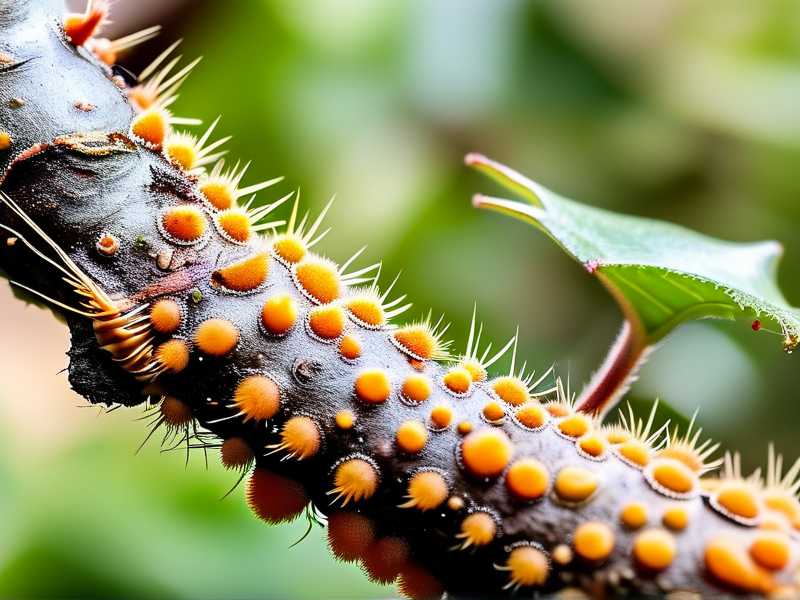
The pests excrete the excess sugar they consume as honeydew. This honeydew mixes with the plant's own leaking sap. The result is that sticky mess you are seeing. I found that scale insects look like tiny brown bumps on the stem, almost like small turtle shells. They are sneaky. I mistook them for dirt for a full week.
Another culprit is the spider mite, though they usually attack leaves first. If the mite population is massive, they can move to the stems. The damage there looks less like a wet spot and more like a dry, speckled, silvery patch that is surrounded by sticky residue. Honestly, spider mites are easier to see on the leaves with their fine webbing.
My 2-Week Observation Log
I want to share my step-by-step process because it took me exactly two weeks to get this under control. I did not use harsh chemicals. I used a hands-on approach that worked.
Day 1: I isolated the plant immediately. I moved it away from my other plants to prevent the pests from spreading. Then I took a magnifying glass and inspected the stems thoroughly. I found those tiny brown scale bumps clustered near the leaking spots. I took a cotton swab dipped in 70% isopropyl alcohol and dabbed each bump. This kills the scale on contact.
Day 3: The sap bleeding had reduced by about 40%. The alcohol treatment was drying out the insects. I also wiped the entire stem down with a soft cloth soaked in soapy water. I use a simple dish soap solution (1 teaspoon per liter of water). This cleaned off the honeydew that was attracting ants.
Day 7: The original spot was almost dry. However, I found a new small area of bleeding higher up on another stem. I realized I missed a few juvenile scale insects. I repeated the alcohol dabbing process. This time, I was more thorough. I checked the leaf axils, the crevices, and the joints where the leaf meets the stem.
Day 10: The new spot was gone. The stems felt firm, not squishy. The sticky residue was gone, and I noticed new leaf growth coming in.
Day 14: No new sap bleeding appeared. I sprayed the entire plant with a neem oil solution as a preventative measure. The plant looked healthy. I finally felt like I had won.
The 3 Biggest Mistakes That Kill Newbies
Before I figured this out, I made several dumb mistakes. I have seen other people make them too. If you want to save your money tree, avoid these three things at all costs.
Mistake #1: Overwatering I cannot stress this enough. 90% of indoor plants die from overwatering, and money trees are particularly sensitive. When I first saw the sap, I panicked and watered the plant more, thinking it was dehydrated. That was completely wrong. The roots were already sitting in moisture, and adding more caused root rot. The stem became soft and mushy. I was lucky to catch it in time. Always check the soil with your finger. If it is wet below the first two inches, do not water. The sap bleeding is caused by bugs, not by a dry plant.
Mistake #2: Wrong Light Placement I had my money tree in a corner that got zero direct sunlight. I thought it was a "low-light plant." That is a lie. It survives in low light, but it thrives in bright, indirect light. In that dark corner, the plant was weak. Weak plants produce more sugar in their sap, which attracts more pests. Once I moved it near a north-facing window (with a sheer curtain to block the harsh midday sun), the plant got stronger. Pests prefer weak plants. A healthy plant can often fight off a small infestation on its own.
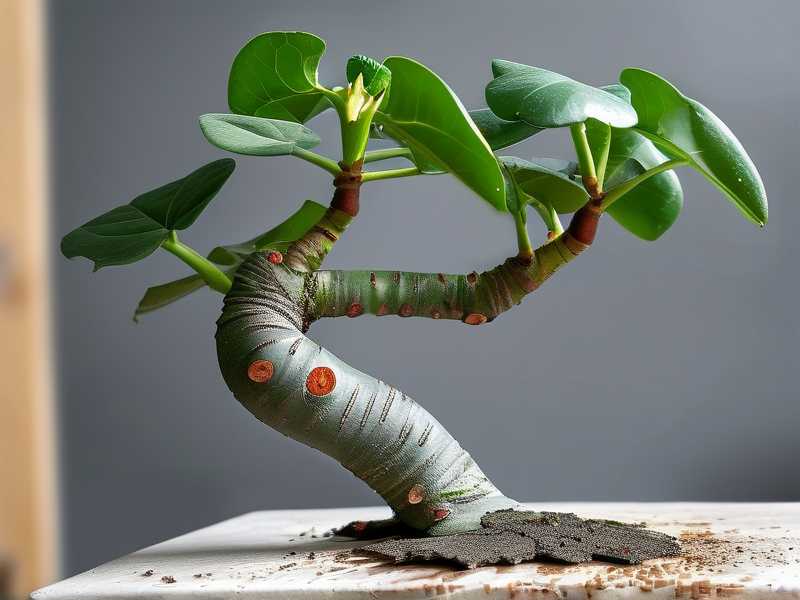
Mistake #3: Using the Wrong Pot I initially had my money tree in a decorative ceramic pot with no drainage holes. That was the root of all evil. Water pooled at the bottom, creating a humid, soggy environment. Pests like scale and fungus gnats thrive in that humidity. I repotted the plant into a plastic nursery pot with drainage holes, and then placed that inside the decorative pot. This allowed excess water to escape. The airflow improved, and the pest problem decreased significantly.
I tried a different pot once, a very deep one, thinking it would give the roots more room. It actually just held more wet soil. The roots were suffocating, and the plant stressed out. When a money tree is stressed from wet feet, it bleeds sap more easily and is more vulnerable to infestation.
Practical Steps to Fix the Bleeding
If you find the sap bleeding today, here is what I did that worked. First, stop watering immediately. Let the soil dry out completely. Second, take your plant to the sink or bathtub. Use lukewarm water to rinse the stems. This washes away some of the honeydew and exposes the pests.
Then, mix a solution of one part rubbing alcohol and three parts water. Dip a cotton ball in it and wipe every affected stem. Pay special attention to the underside of the branches and the crotches where branches fork. You need to physically remove the insects. I found that a q-tip is great for getting into those tight spots.
After you wipe the stems, inspect the leaves. Look at the bottom of the leaves closely. If you see tiny white fuzz (mealybugs) or tiny webs (spider mites), treat those areas too. I usually apply the alcohol with a spray bottle for the leaves, but I use the q-tip for the stems to avoid soaking the soil.
You will need to repeat this process every three days for at least two weeks. The pests have life cycles. The adults die, but the eggs hatch later. I learned this the hard way. I stopped treatment after five days because I thought I was done, and they came back. Consistency is the only way to win.
Signs the Sap Is Not From Pests
Not every wet spot is a nightmare. I have had a money tree that bled sap after I trimmed a large branch. That wound created a lot of fluid. That is normal. The key difference is the location and the smell.
Normal sap bleeding from a wound is localized at the cut site. Pest bleeding happens in random spots on the main trunk or stem, far away from any cut. Also, pest-related honeydew often grows a sooty mold. This looks like a black, powdery dust on the leaves. If you see black soot on the leaves under the sticky sap, that is a massive indicator of pests.
I once ignored a sticky spot because it was tiny. Within ten days, the black mold appeared, and the leaves started yellowing. The mold blocks the plant's ability to photosynthesize. That is a secondary problem caused by the initial pest attack. You have to fix the bug issue first, and the mold will starve out because it will not have the honeydew to feed on.
My Final Results After Two Weeks of Observation
After the two-week period, my money tree stopped bleeding sap completely. The stems were clean, the leaves were glossy, and most importantly, the new growth was vibrant and green. I kept the plant in the north-facing window spot.
I also changed my watering schedule. I used to water on a fixed day every week. Now, I only water when the top two inches of soil are bone dry. This usually means every 10-14 days, depending on the humidity in my apartment. This reduced the stress on the plant.
I found that a healthy money tree is actually quite resistant to pests. The issue was that my poor care habits (overwatering, wrong light) had weakened it. The pests were just taking advantage of a sick plant. Once I fixed the environment, the plant did the rest of the healing work.
Preventing Future Sap Bleeding
You need to establish a routine. Every week, I take a damp cloth and wipe down the leaves and the main stem. This doesn't just make the plant look nice. It physically removes any lurking pests or dust. Pests often hitchhike on new plants. I learned to isolate any new plant I buy for at least three weeks in a separate room.
I also apply a light layer of neem oil once a month. It is a natural pesticide that works as a preventative. I mix a few drops of neem oil with water and a drop of dish soap. I spray the stems and the undersides of the leaves. This makes the plant taste bad to insects.
I stopped using regular tap water for spraying. The chlorine in tap water can be harsh on the foliage. I now use filtered water. It is a small change that seemed to matter. You do not need fancy equipment, just filtered water from your fridge is fine.
In the end, identifying the sap bleeding is about being observant. If you see a wet spot, do not panic. Check for bugs. Look for the tiny bumps, the webbing, or the fuzz. If you see them, act fast. The longer you wait, the more damage they do. I would rather check for pests ten times than see my plant die.
The money tree is a resilient plant. It wants to live. I nearly destroyed mine, but it bounced back with a little help. You can save yours too. Just remember to look at the stem. The stem tells you the truth.
Frequently Asked Questions
Is it normal for a money tree to have sticky sap on the trunk? No, it is not normal in large amounts. A tiny bit of resin near a cut is fine. But a widespread sticky film on the trunk is almost always honeydew from pests. You need to inspect the bark for scale insects or mealybugs.
Can I use regular dish soap to clean the sap off? Yes, you can. I use a mild liquid dish soap. Mix one teaspoon per liter of lukewarm water. Use a soft cloth to gently wipe the stem. This removes the sticky sugar and helps suffocate soft-bodied insects. Just remember to rinse the stem with clean water after a few minutes.
How long does it take for the plant to recover from pest damage? I saw a significant improvement in two weeks. Complete recovery took about a month. The new leaves that grew after the treatment were healthier than the old ones. If the stems are still firm, the plant will likely survive. If the stem is mushy, you might have a bigger rot problem to deal with.