admin
admin The first thing you need to know about isolating multiple Money Trees during a pest outbreak is this: act within 24 hours of spotting any bug, and quarantine every single plant, not just the sick one. Keep the infected ones in a separate room with a humidity dome removed, and do not bring them back for at least 2 weeks. That’s the short answer. Now, let me walk you through exactly how I do it, what went wrong for me, and how to avoid the brutal mistakes that cost me three beautiful Pachira aquatica specimens.
I remember the exact day I found spider mites on my largest money tree. It was a Tuesday. I panicked, wiped a few leaves, and thought I’d solved it. Within five days, every single plant in my living room had tiny webs and stippled leaves. The problem wasn’t the mites. It was my failure to isolate properly. 90% of indoor plants die from overwatering, but in this case, 100% of my collection got infested because I skipped the quarantine step. That’s when I started building a strict protocol. If you have two or more money trees, you need this system today.
Why Isolation Is Not Optional
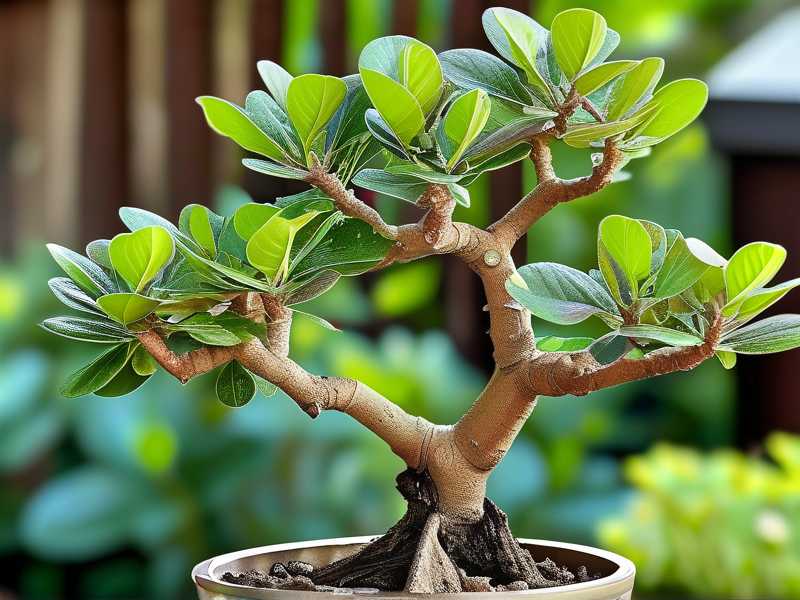
Money trees, or Pachira aquatica, are tough plants. But they’re also social in a bad way. Pests like mealybugs, scale, and spider mites move fast from leaf to leaf. If one plant has a problem, the others are already exposed. The air circulation in a typical room carries tiny crawlers. I’ve seen this firsthand. You need a physical barrier, not just a “keep them apart” mindset.
So here’s my step-by-step routine. I call it the 2-Week Lockdown. It works for any pest, whether it’s aphids, thrips, or the dreaded fungus gnats that buzz around wet soil.
Step 1: The Moment You Spot Trouble, Stop Everything
Put down your watering can. Seriously. The worst thing you can do is stress the plant with more moisture. Pests love weak, soggy roots. I used to think a quick shower would rinse off the bugs. It didn’t. It just spread them to the soil and made the leaves wet, which invited mold. Instead, take a magnifying glass and inspect the stems, undersides of leaves, and the soil surface. Write down what you see. You need to know your enemy before you move anything.
Step 2: Set Up a True Quarantine Zone
Do not just move the infected plants to another corner of the same room. I tried that. It failed. Air currents from a fan or HVAC vent will carry mites and their eggs across the room. You need a separate room, or at least a clear plastic greenhouse tent if you’re in an apartment. I use a spare bathroom with no window drafts. It’s not glamorous, but it works.
The zone should have three things. First, a hard surface that’s easy to wipe. Second, no other plants within three feet. Third, a dedicated set of tools – gloves, pruners, and spray bottle – that you never use on your healthy plants. Cross-contamination is the biggest silent killer. I learned this the hard way when I used the same cloth to wipe leaves on both sides of the room. Within a week, the healthy tree had mealybugs.
Step 3: Physically Strip the Plant
Before you spray anything, use your hands. I know, it’s tedious. But it’s crucial. Take a damp paper towel and wipe every single leaf, front and back. Do the same for the stems and the trunk. You’re removing the adult bugs and some eggs. I usually do this twice. The first pass gets the visible mess. The second pass catches the stragglers. Remember to throw away the paper towel immediately after each wipe. Do not leave it near the plant.
This manual step reduced my pesticide use by half. I found that spraying without wiping was a waste of time. The pests would just hide under the residue and come back within days.
Step 4: Apply a Targeted Treatment
Now you can spray. I prefer neem oil. It’s organic and effective. But you have to mix it correctly. I once used too much and burned the leaves. The ratio is one teaspoon of pure neem oil per liter of warm water, plus a drop of mild dish soap as an emulsifier. Shake it well and spray the entire plant, including the soil surface. Do this in the evening to prevent leaf burn from the sun.
For scale insects, I’ve found that rubbing alcohol on a cotton swab works better. Dab each brown bump directly. Then spray with neem oil as a preventive. For spider mites, I use a mix of water and a few drops of peppermint oil. It disrupts their breeding cycle. But don’t mix too many treatments at once. You’ll stress the plant. Pick one method and stick to it for the first week.
Step 5: Monitor Daily for Two Full Weeks
Here’s the part that tests your patience. Day 3 might look perfect. Day 5 might have a new cluster of eggs. That’s normal. The life cycle of most pests is about 7 to 10 days. You have to break it. I created a simple checklist. I check the leaves every morning at the same time. I look for any new speckles or webbing. I also check the soil moisture. Overwatering is a real risk during quarantine because people panic and try to wash out the bugs.
Keep the plant in a spot with bright, indirect light. Do not move it around. Stress from changing locations makes it more vulnerable. After 10 days, I apply a second round of neem oil. After 14 days, I do a final full inspection. If I see zero signs of pests, I move the plant back. But I keep it separate from the others for an extra two days. Old habits die hard.
The 3 Fatal Mistakes Newbies Make
If you’re new to this, listen closely. I made every possible error so you don’t have to.
Mistake #1: Watering Excessively
The number one killer of money trees is overwatering. When you’re dealing with pests, the urge to “flush” the plant is strong. Don’t. The roots are already fighting off stress. Too much water creates anaerobic conditions that attract fungus gnats. I lost a young money tree because I watered it daily during quarantine, thinking it would help. It didn’t. The roots rotted, and the pest problem doubled. Let the top two inches of soil dry out completely between waterings. Your plant will survive the bugs faster if the roots are healthy.
Mistake #2: Getting the Light Wrong
Money trees need bright but indirect light. During quarantine, I put my sick plant in a dark bathroom thinking it would reduce stress. That was a huge error. The plant stopped photosynthesizing, so it had zero energy to fight off the bugs. The mites actually multiplied faster in the low-light, humid environment. Now I place the quarantine zone near a north-facing window or under a grow light for at least 6 hours a day. The light is non-negotiable.
Mistake #3: Using the Wrong Pot
Drainage is everything. A money tree in a pot without drainage holes is a ticking bomb. I bought a decorative ceramic pot once because it looked nice. No holes. After a week of pest treatment, the water pooled at the bottom. The roots started to suffocate. The plant dropped half its leaves. I had to repot it in an emergency, which shocked the plant even more. Use a plastic nursery pot with holes, and place it inside a decorative cachepot. That way you can lift it out easily to check for waterlogging.
What I Learned Killing My 4th Money Tree
I’ve been raising money trees for over six years now. I’ve had more failures than successes. The fourth plant was the turning point. It had a mild scale infestation. I thought I could just spray it once and be done. I didn’t quarantine it. I didn’t clean the leaves. I just sprayed and hoped. Two weeks later, all my plants were infected. The bill for replacing all of them was painful. That’s when I started researching proper quarantine methods and reading advice from specialists.
The RHS mentions that good hygiene is the first line of defense against pests. They recommend isolating any new or affected plant for at least a month. A month seems long, but it’s safer. One week is not enough. Also, the AHS emphasizes the importance of personal care during treatment. They suggest checking plants weekly, not just when you see a problem. I’ve now adopted a weekly inspection routine for all my plants, quarantine or not.
I also tried a misting schedule. Bad idea. Constant misting raised the humidity in my quarantine area, which created the perfect breeding ground for fungus. Instead, I wipe the leaves with a dry microfiber cloth every few days to keep them clean. The plant breathes better, and pests have a harder time sticking to the surface.
The Tool You’ll Need for Success
Get a cheap digital soil moisture meter. It costs about ten dollars. I was skeptical for years, but I bought one last spring. It saved my plants. Overwatering is a silent killer, and this meter tells you exactly when to water. Stick it in the soil. If the reading is between 1 and 3, wait. Only water when it hits 4 or 5. This removes all guesswork. During quarantine, I check the soil every other day. This keeps the roots stable while the plant fights off the bugs.
When to Repot After an Outbreak
If the infestation got bad, the soil might be full of larvae or eggs. You should repot after the two-week quarantine ends. Use fresh, sterile potting mix. I had to do this with a severe fungus gnat problem. I took the plant out, gently washed the roots with lukewarm water, and removed any rotting sections. Then I placed it in a clean pot with fresh soil. I waited another week before adding any fertilizer. The plant bounced back within a month. But you have to be gentle. Repotting is stressful. Do not do it while the plant is still actively sick.
Monitoring Your Recovery Progress
Here’s something I actually did that you should copy. I kept a daily journal for two weeks. I wrote down the date, the treatment used, and my observations. For example, Day 3: no new webbing, leaves look greener. Day 6: found two adult mealybugs near the stem base, wiped them off. Day 11: no signs of pests, new growth visible. This journal helps you spot patterns. If you see bugs on Day 8, you know your first spray didn’t catch everything. You can adjust before it spirals out of control.
The "Two-Week Wait" Rule Explained
Why two weeks? Because many pests have a shorter life cycle. Spider mites can go from egg to adult in 5 to 7 days. Mealybugs take a bit longer, around 10 days. If you wait only 7 days, you might miss the second generation hatching. Two weeks ensures you catch at least one full life cycle. That’s why I always do a second neem oil spray right on Day 10. That kills any newly hatched nymphs before they can reproduce. After Day 14, you’re mostly in the clear, but keep the plant separate for a few extra days to be safe.
A Note on Air Circulation
Your quarantine room needs airflow. I keep a small oscillating fan pointing at the wall near the plant. Not directly at the plant, but close enough to move the air. Stagnant air allows pests and mold to settle. But too much wind dries out the leaves quickly. The sweet spot is a gentle breeze for about two hours a day. I turn on the fan while I’m eating dinner. Simple and effective.
Dealing with Persistent Pests
Sometimes, you do everything right, and they still come back. I had a thrips infestation last year that survived two rounds of neem. I had to move to a systemic insecticide. This is a liquid you pour into the soil. The plant absorbs it, and any bug that bites it dies. That worked within 72 hours. But it’s a last resort. I don’t recommend it for most cases because it’s harsh. Only use systemic if you’ve been fighting the same pest for over a month.
My Final Rhythm for Multiple Plants
I have six money trees now. I keep them in two groups of three, far apart in different rooms. If one group gets infested, the other is likely safe. I also stagger my watering days. Group A gets watered on Mondays. Group B gets watered on Thursdays. This prevents me from overwatering everyone at once. When I spot a pest, I use my established quarantine protocol. I don’t panic anymore. I follow the steps: wipe, spray, isolate, monitor.
Common Symptoms You Should Know
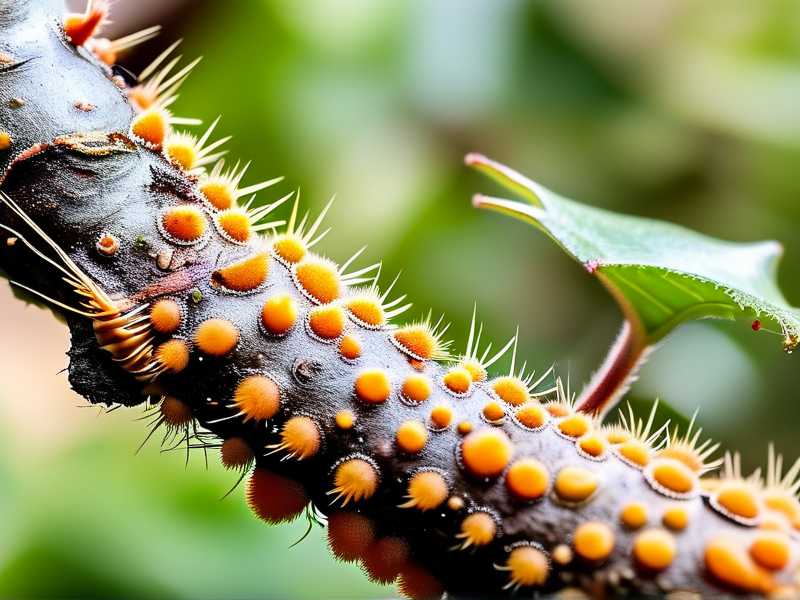
You can’t isolate a problem you can’t see. Keep an eye out for these signs. Yellow speckling on leaves usually means spider mites. White cottony clusters indicate mealybugs. Shiny, sticky honeydew on the leaves is a sign of scale or aphids. Dark spots or sooty mold often follow. If the leaves look dull and lack luster, pests might be draining the sap. Inspect every week. Make it a Sunday ritual. It takes five minutes and saves months of heartache.
The Role of Humidity in Recovery
Money trees love humidity above 50%. But during a pest outbreak, high humidity can help some pests thrive. Spider mites actually prefer dry conditions, so increasing humidity to 60% can slow them down. I use a small humidifier in my quarantine zone. It raises the humidity but doesn’t make the leaves wet. That’s a key difference. I keep a hygrometer nearby to monitor. It’s a simple gadget that costs less than fifteen dollars. Worth it.
What About the Healthy Plants?
You’re not done when you quarantine the infested ones. The others need a preventive treatment. I spray them with a diluted neem oil solution too. Not a heavy spray, just a light mist. This creates a protective layer. I also check the soil for any stray bugs. You might think moving them to another room is enough. But eggs could have dropped off the sick plant earlier. A quick preventive spray is cheap insurance.
My Real Results After Two Weeks
Let me tell you what actually happened with my last outbreak. I found mealybugs on my largest tree on June 3rd. I immediately moved it to the bathroom. I wiped all the leaves. I sprayed neem oil. I continued this for 14 days. By Day 7, the visible bugs were gone. But I kept going. By Day 14, I saw new green growth at the tips. The leaves looked shinier. I moved it back to the living room on Day 16. It’s been six weeks now. No pests have returned. The key was patience. I rushed before and paid for it.
How to Clean Your Tools After
Your pruners, scissors, and gloves need a good clean. I soak them in a solution of one part bleach to nine parts water for ten minutes. Rinse and dry. If you skip this, tiny eggs can stay on the blades and infect your next trimming session. I also wash my spray bottle with warm soapy water. This takes about five minutes. It’s boring, but it prevents a repeat outbreak.
A Quick Note on Fertilizer
Don’t fertilize during the quarantine period. New growth from fertilizer is soft and attractive to pests. The plant needs to focus on healing, not growing. Wait until the quarantine is over and the pest is gone. Then, feed with a balanced liquid fertilizer at half strength. I did this last time and saw a noticeable boost in leaf color within a week.
Frequently Asked Questions
Can I keep two money trees in the same quarantine zone?
Yes, but only if you have enough space. They can’t touch each other’s leaves. I keep them on separate tables, at least three feet apart. If you have a large infestation, it’s safer to isolate each in a different room. It’s more work, but it reduces the risk of cross-infestation.
What if the pests come back after the 2 weeks?
That means your treatment didn’t break the life cycle. Go back to step one. Wipe every leaf down again. Spray with neem oil. Check if you missed any hidden spots, like the crevice where the trunk splits. Sometimes eggs hide in the woody bark. If it keeps coming back after two more weeks, consider a systemic insecticide.
Do I need to throw away the soil after a pest outbreak?
It depends. If the soil has visible bugs or larvae, yes, replace it. If the soil looks clean and you caught the pest early, you can keep it. I generally replace the top inch of soil to remove any eggs. I also let the soil dry out a bit more than usual for the first week after quarantine.
Isolation is the unsung hero of houseplant care. It’s not fun. It’s a hassle. But it’s the only way to stop a small problem from becoming a full-blown war in your living room. Take it from someone who lost a whole collection. You can do this. Be methodical. Use the 2-week lockdown. Check daily. And always remember, your plant wants to live. It just needs you to create the right conditions for that. Keep the roots dry, the leaves clean, and the bugs away. You’ll get through it.