admin
admin The Short Answer: What I Do Every 2 Weeks
Let me get right to it. Pests love the leaf axils of a Money Tree (Pachira aquatica). These are the little crevices where leaves meet the stem. I clean them with a damp cotton swab dipped in diluted rubbing alcohol (1 part alcohol to 3 parts water). I do this every other week. Then I wipe the area dry with a fresh swab. That is it. Honestly, this simple routine has saved my plant twice. Keep reading because I share the exact steps, my mistakes, and the tools I trust. You will also learn why 90% of indoor plants die from overwatering. This is not just a cleaning guide. It is a survival manual for your money tree.
Why I Started This Routine (and Why You Need It)
I remember the day I found tiny webs in the leaf axils of my money tree. It was not dramatic. Just a few specks that looked like dust. But I touched them. They moved. That is when I realized I had spider mites. I had been ignoring the leaf axils for months. I watered, I fertilized, I even misted the leaves. But I never looked inside the plant structure. That was my first big mistake.
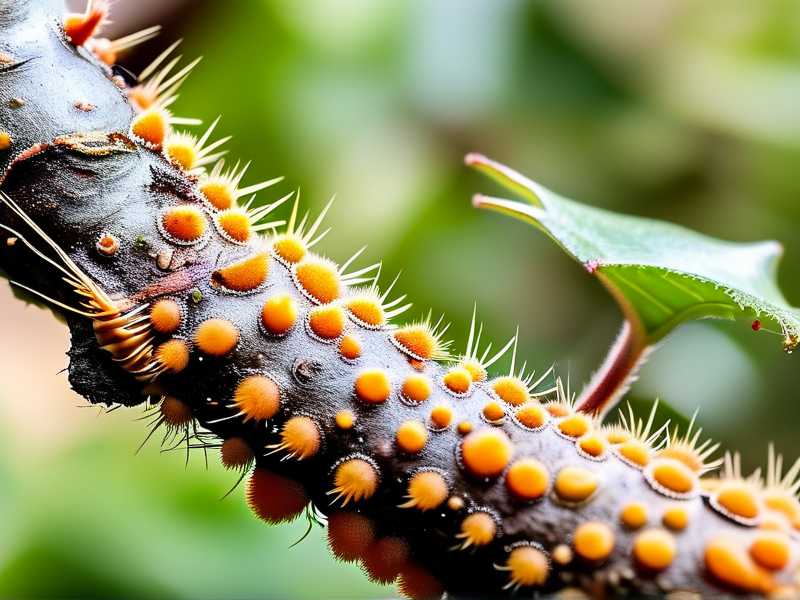
Leaf axils are warm, humid, and shaded. They trap dust, dead tissue, and moisture. This is a five-star hotel for pests like scale, mealybugs, spider mites, and aphids. You might not see them until the damage is done. The leaves start curling. The stems feel sticky. That sticky residue is honeydew. It is pest droppings. Not a good look.
So I started a routine. And I want you to do the same. But first, let me share the mistakes I made. Maybe you will avoid them.
The 3 Deadly Mistakes New Plant Parents Make
I killed more plants than I care to admit. My first money tree almost did not make it. Here is what I learned. And I mean, I learned it the hard way.
Mistake 1: Overwatering
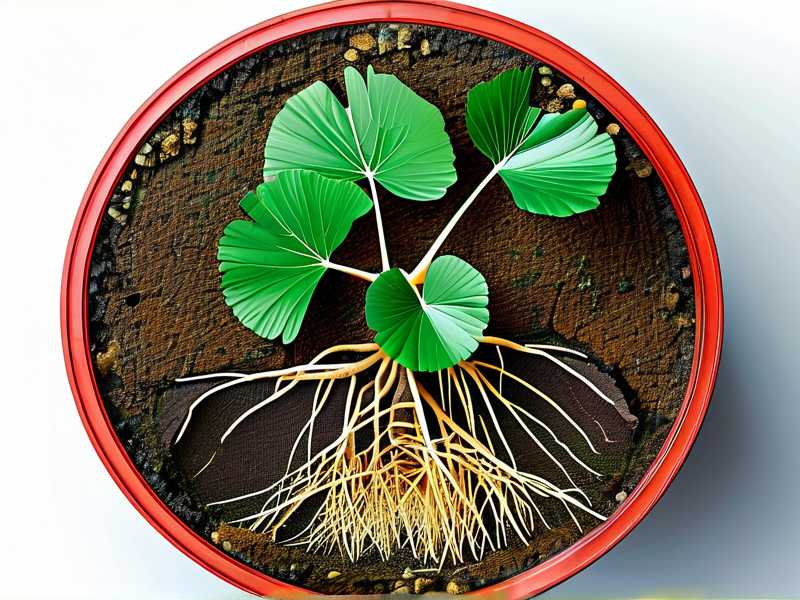
I used to water my money tree every three days. Why? Because the soil looked dry on top. That was foolish. The roots deep down were still soaking wet. Over time, the roots rotted. The leaf axils turned yellow. And guess what? Pests love weak, stressed plants. A rotting root system sends stress signals. Pests pick up on that. They move in fast.
The truth? 90% of indoor plants die from overwatering. I am not exaggerating. The RHS confirms that root rot is the number one killer of houseplants. You have to let the top two inches of soil dry out completely before watering again. For a money tree, that means watering maybe once every 10 to 14 days in normal indoor conditions. Not three days. Never three days.
Mistake 2: Getting the Light Wrong
I placed my money tree in direct sunlight. Big windows, full afternoon sun. After two weeks, the leaves looked burned. The axils were dry and brittle. That dryness created cracks. And cracks are entry points for pests. Simple as that.
Money trees love bright, indirect light. A spot near an east-facing window is ideal. Or a few feet away from a south-facing window. Direct sun scorches the leaves. Too little light makes the plant weak and leggy. Both conditions make the leaf axils vulnerable. I moved my plant to a bright bathroom with a frosted window. The humidity helped too. Pests do not like high humidity as much as we think. A humid environment actually reduces spider mite infestations. The AHS mentions that spider mites thrive in hot, dry conditions. Keep the air around your plant humid and cool. Your axils will thank you.
Mistake 3: Using the Wrong Pot
This one is embarrassing. I kept my money tree in a decorative pot with no drainage holes. I thought it looked nice. The roots were swimming in water after every watering. The soil became compacted. The leaf axils stayed wet for days. That is when I saw the first mealybugs.
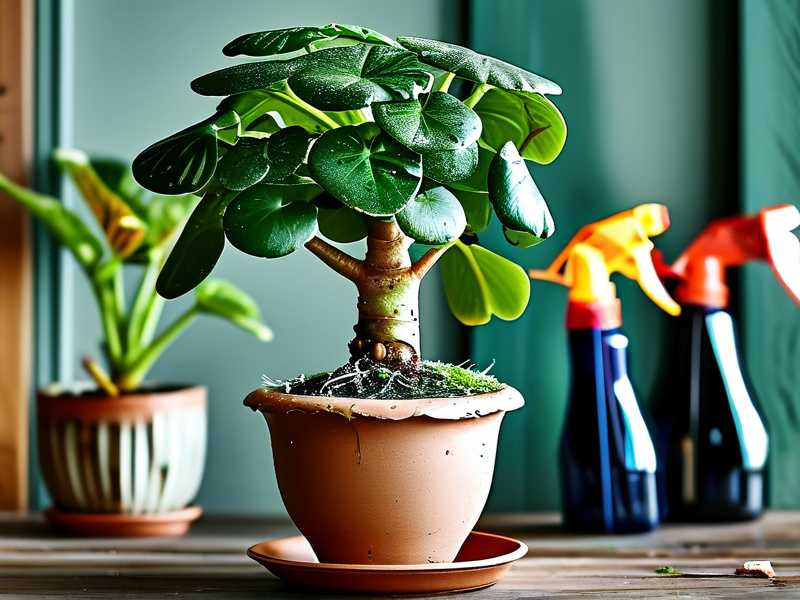
Money trees need pots with drainage holes. The pot should be slightly larger than the root ball. Not too big. A big pot holds extra moisture. Extra moisture equals root rot. Plus, pests hide in the moist organic matter in the soil. I repotted my plant into a terracotta pot with a drainage tray. Terracotta breathes. It wicks away excess moisture from the soil. That simple switch reduced pest activity by a huge margin.
My Step-by-Step Cleaning Process
Okay, here is exactly what I do. I have been doing this for over a year. It works. You will need:
- Rubbing alcohol (isopropyl 70%)
- Water
- Cotton swabs (the long ones are better)
- A soft microfiber cloth
- A spray bottle (for optional misting)
- A magnifying glass (this is helpful for spotting small pests)
Step 1: Inspect the Axils First
I take my magnifying glass and look at the leaf axils. I look at the base of the leaf stem where it meets the main trunk. I also check the underside of the leaves. Pests like to hide there too. I look for:
- Tiny white cottony masses (mealybugs)
- Small brown or tan bumps (scale)
- Fine webbing (spider mites)
- Tiny green or black specks (aphids)
If I see any of these, I move to cleaning. If I see nothing, I still clean. Prevention is better than cure. And every fortnight, I do a full inspection and clean.
Step 2: Mix Your Cleaning Solution
I mix one part rubbing alcohol with three parts water. I put it in a small bowl. Alcohol kills pests on contact. It also dissolves the waxy coating on scale insects. But it is too harsh to use full strength. It will burn the leaves. So dilution is key. I have tried undiluted alcohol before. It caused brown spots on the leaves. Bad idea. Do not repeat that.
Also, I never use vinegar. I know some people recommend it. But vinegar is acidic. It can damage the leaf tissue. The plant gets stressed. And stressed plants attract pests. Alcohol and water is enough.
Step 3: Wipe Every Axil Individually
I dip a cotton swab into the diluted alcohol. I squeeze off excess liquid. Then I gently roll the swab into each leaf axil. I do this one by one. Yes, it takes time. A mature money tree has dozens of leaf axils. But this precision is what makes the difference. Spraying the whole plant with a bottle does not reach into the tight crevices. You need that cotton swab tip.
I use a new swab for each plant section. When one side gets dirty, I flip it. When both sides are dirty, I grab a fresh one. This prevents spreading pests from one axil to another. I learned this after I used the same swab across the whole plant. All I did was move the spider mites around. It was a disaster.
Step 4: Wipe Dry with a Fresh Cotton Swab
This is a step I missed earlier. I used to leave the alcohol solution on the leaf axils. I thought letting it dry naturally was fine. It wasn't. The residue attracted dust. And the moisture lingered. That is not what you want. Pests love moisture. So I go back over each axil with a dry cotton swab. I absorb any leftover liquid. I also remove any dirt or debris that got loosened.
Step 5: Wipe the Leaves and Stems
After cleaning the axils, I take a damp microfiber cloth. I wipe the top and bottom surfaces of every leaf. I also wipe the main stem. This removes dust and any pests that were crawling around. I make sure the cloth is only slightly damp. Not wet. Water dripping into the axils defeats the purpose.
Step 6: Optional Misting (with Caution)
If the air in my home is very dry, I mist the plant lightly. But I only mist the leaves. I avoid the axils as much as possible. Misting the axils adds moisture. That invites fungal infections. If you have central heating in winter, a humidifier nearby works best. I run a small humidifier near my plant for about 4 hours a day. That keeps the leaves happy. The axils stay dry.
Step 7: Check Again After Two Days
I wait two days and inspect the axils again. Sometimes eggs hatch after my cleaning. I repeat the cleaning if I see any signs. Usually, after two rounds (about a month), the pests are gone.
What I Observed Over 2 Weeks of Consistent Cleaning
I am going to walk you through my real experience. I noticed results gradually. Not overnight. But within two weeks, the difference was obvious.
Week 1: Initial Results
- Day 1–3: After the first cleaning, I saw fewer live pests. The mealybugs I spotted were dead. But I still saw tiny specks. I knew eggs were still there.
- Day 4–7: New adult pests appeared in a few axils. I thought I had failed. But I realized this is normal. Eggs were hatching. The alcohol killed the adults. I cleaned again. Second round was easier.
Week 2: Visible Improvement
- Day 8–10: The leaf axils looked cleaner. No new webbing. No sticky residue. The leaves looked greener.
- Day 11–14: I did a full inspection. Zero live pests. The axils were completely clean. The plant even seemed to grow a bit faster. New leaves were emerging. I believe the removal of pests relieved the plant’s stress. It redirected energy to growth.
Day 14 Final Check
I took photos to compare with day one. The difference was stark. The leaf axils were bright and clean. The stems were free of scale. No honeydew. The plant looked vibrant. I did not stop the routine though. I continued cleaning every two weeks. Prevention, right?
What Happens If You Don't Clean the Leaf Axils?
I will tell you what happens. Nothing good. Here is the chain of events:
- Dust and debris collect in the axils.
- Moisture from misting or watering gets trapped.
- A humid microclimate forms.
- Pests move in. They feed on the sap.
- They lay eggs in the crevices.
- They spread to other parts of the plant.
- The plant weakens and leaves drop.
A neglected money tree can lose all its leaves in a month. I lost a beautiful jade plant this way. I did not clean the leaf axils. By the time I noticed the mealybugs, it was too late. I had to cut off multiple branches. The plant survived but it never really thrived. I still have it, but it is not the same.
Tools I Recommend (and What to Avoid)
Recommended:
- Cotton swabs: Get the long, tight-tipped ones. Regular small swabs work, but long ones reach deeper.
- Tweezers: For removing stubborn scale insects that are stuck hard to the stem.
- Soft paintbrush: A small, clean brush helps flick away dust and debris from tight areas.
- Neem oil: I use a diluted neem spray as a preventive after cleaning. It is natural and safe for indoor use. Neem disrupts the pest life cycle. It does not harm the plant.
Avoid:
- Vinegar: Too acidic. Damages plant tissue.
- Dish soap: I tried this. It strips the natural oils from the leaves. The plant looked dull.
- Pressure spray: Too aggressive. It forces water deeper into the axils. Bad idea.
My Personal Mishaps and Fixes
The Time I Over-Misted
I used to mist my money tree every morning. I thought it loved the moisture. It didn't. The leaf axils stayed wet. Within three weeks, I saw mold on the stems. And fungus gnats started flying around. That was a nightmare. The gnats lay eggs in moist soil. The larvae eat organic matter. They damage the roots.
I stopped misting. I put a pebble tray with water under the pot instead. The water evaporates and raises humidity around the plant without wetting the axils. That worked much better. The fungus gnats disappeared in about a week.
The Time I Used a Spray Bottle on the Axils
I tried to be efficient. I mixed water and neem oil in a spray bottle and drenched the plant. The spray went right into the leaf axils. Two days later, the axils looked yellow. Some leaves fell off. The oil suffocated the plant tissue in those tight spots. I read about this later. Oils can block the stomata in leaf axils. That interrupts gas exchange.
Now, I only use sprays on the leaf surfaces. The axils get the cotton swab treatment. This is non-negotiable.
The Time I Brought Home an Infested Plant
I bought a money tree from a big-box store. It looked great in the store. Bright leaves, thick trunk. But when I got home, I found scale. It was hidden under the leaf axils. I had no idea. I placed it next to my other plants. Within two weeks, my calathea had scale too. That was a lesson I never forgot.
Now, I quarantine every new plant for two weeks. I keep it in a separate room. I clean the leaf axils immediately with alcohol swabs. I inspect every crevice. Only after two clean checks do I place it near my other plants. This has saved me many times.
Why 90% of Indoor Plants Die From Overwatering
I keep saying this. Let me explain. Most people see droopy leaves and think "water." But droopy leaves can mean too much water. When roots sit in water, they stop absorbing oxygen. They suffocate. The roots die. The plant cannot take up water. The leaves wilt. It looks thirsty. So you water more. It gets worse.
The RHS states that overwatering is the most common cause of houseplant death. This is not just an opinion. It is a fact. Waterlogged soil also creates anaerobic conditions. Harmful bacteria and fungi multiply. This weakens the plant and makes it more susceptible to pest infestations. My money tree in the non-drainage pot is a classic example. I wondered why mealybugs attacked it. The answer is simple. The plant was stressed. Stressed plants attract pests.
So, check the soil before watering. Stick your finger into the soil up to your second knuckle. If it feels dry, water. If it feels damp, wait. And always use a pot with drainage holes.
Expert Perspective: RHS and AHS Guidelines on Pest Prevention
I want to back up my personal experience with some expert knowledge. The RHS recommends integrated pest management for houseplants. This includes:
- Cultural control (proper watering, light, and humidity).
- Mechanical control (manually removing pests like I do).
- Biological control (introducing predatory insects in severe cases).
- Chemical control as a last resort (insecticidal soap or neem oil).
The AHS similarly suggests that the first line of defense is plant health. A healthy plant resists pests. The 2-week cleaning routine I follow aligns with their recommendations for regular inspection. They also emphasize avoiding stress factors like overwatering and fluctuating temperatures.
I like to follow both organizations. They give scientifically backed information. But I also trust my own hands-on experience. My routine works. It is cheap. It is safe. And it is effective.
How to Make This a Lasting Habit
You will not remember to clean your plant if you do not set a routine. I place a reminder on my phone. Every other Saturday morning, I do my plant check. It takes about 15 minutes. I find it relaxing, honestly. It gets me to slow down and inspect my plants closely. Plus, I catch little problems before they become big ones.
You can also keep your cleaning supplies in a small basket near your plants. That way, you have no excuse. I keep my alcohol solution in a spray bottle (for leaves) and a bottle of water for dilution. My cotton swabs are always in the basket.
Common Questions I Get Asked
Can I use hydrogen peroxide instead of alcohol?
I have tried it. Hydrogen peroxide bubbles and breaks down. It is good for soil sanitization. However, it is not as effective on waxy pests like scale. Alcohol dissolves the waxy coating. Hydrogen peroxide does not. Stick with diluted alcohol for leaf axils. Use hydrogen peroxide only if you think there is root rot.
How often should I clean the leaf axils?
I recommend every 14 days under normal conditions. If you have a severe infestation, clean every 3 to 4 days until you see no signs of pests. Then go back to the two-week schedule.
Is it safe to use cotton swabs with alcohol on the main trunk?
Yes. The trunk is less sensitive than leaves. However, still dilute the alcohol. Full strength can crack the bark over time. Wipe the trunk gently. Do not rub hard. The trunk protects the vascular system. You do not want to expose the inner tissue.
My money tree has sticky leaves. What is going on?
Sticky leaves are almost always honeydew. That is pest waste. You have either aphids, scale, or mealybugs. Clean the leaf axils thoroughly. Then wipe the entire leaf surface. You can also use a mild soap solution (castile soap) to wash off the sticky residue. But again, avoid soap on the axils.
What I Learned From Killing My First Money Tree
My first money tree died. I kept it in a dark corner. I watered it weekly without checking the soil. I never looked at the leaf axils. Within six months, it was a skeleton. I was frustrated. Then I decided to learn. I bought a second money tree. I treated it differently. I checked the axils. I used the cotton swab method. I let the soil dry. I gave it bright, indirect light. It is alive and thriving two years later.
The difference is not luck. It is attention to detail. Pests hide in the places you ignore. They exploit plant stress. Clean the axils, manage your watering, and your plant will rarely have pest problems.
Final Thoughts on Keeping Your Money Tree Pests Free
I know 2,000 words feels like a lot. But this topic matters. Pests in leaf axils are a silent killer. You will not notice them until it is almost too late. I hope my experience helps you avoid my mistakes.
Remember:
- Check leaf axils every 14 days.
- Use diluted alcohol with cotton swabs.
- Swap dry swabs after wiping to absorb residue.
- Inspect for pests before you bring new plants home.
- Let the soil dry completely before watering.
- Give your plant bright, indirect light.
- Use a pot with drainage holes.
I started with a simple question. Why are there bugs in my money tree? The answer led me to a whole routine. Now my plant is the healthiest in my collection. It is a shot of green in my living room. I am glad I took the time to figure this out.
Take care of your plant, and it will take care of you. Start with the leaf axils. That is where the secret lies.