admin
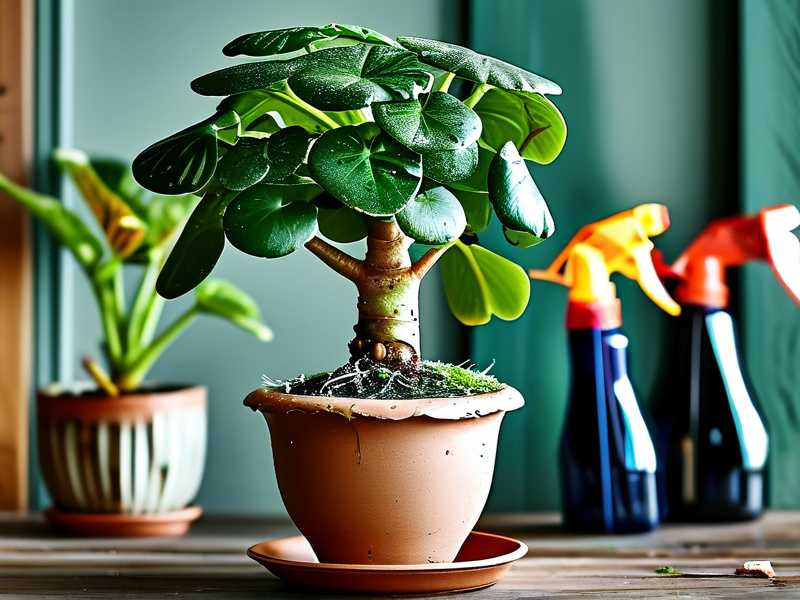
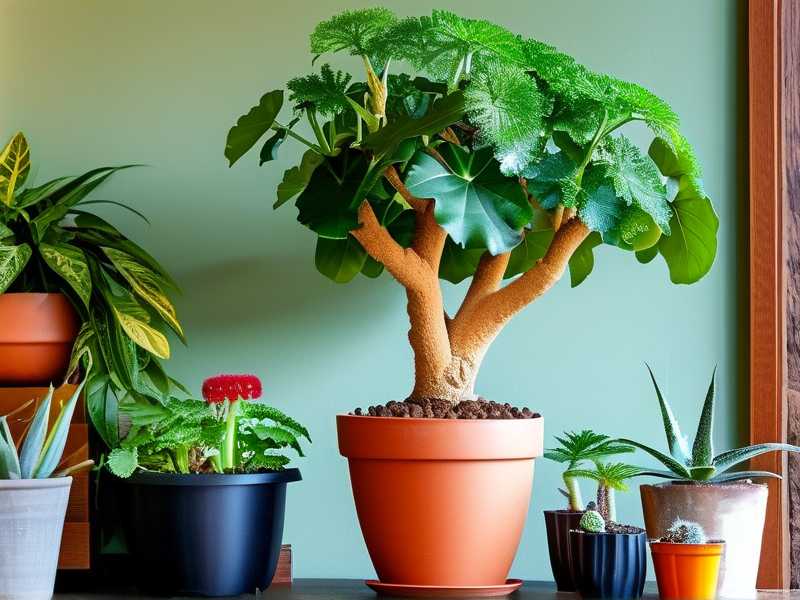
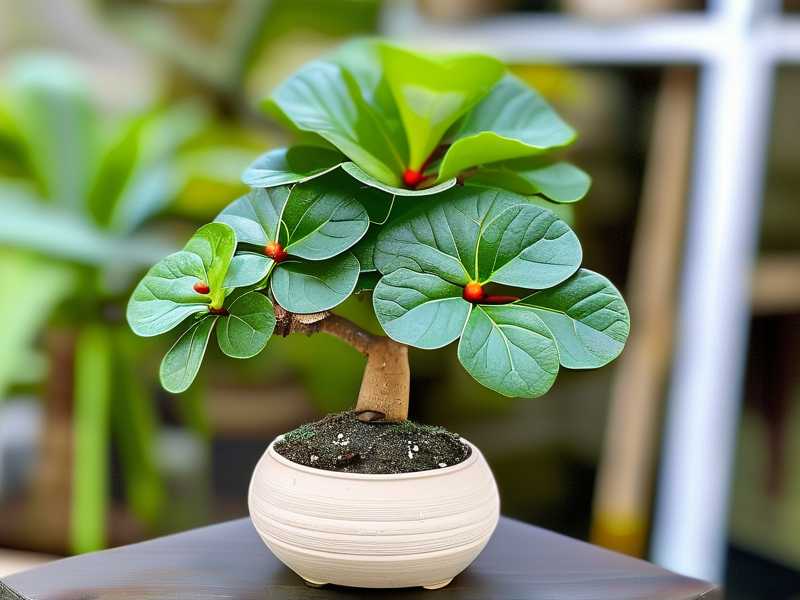
admin Moving your Money Tree indoors in fall is a critical moment, and I know exactly why you are here: you are terrified of bringing hitchhiking pests inside. To prevent pest spread when moving money trees indoors in fall, you must quarantine the plant for two weeks, treat the soil with systemic granules, and physically inspect every leaf and stem joint with a magnifying glass before it crosses your threshold. I learned this the hard way. I lost an entire shelf of rare philodendrons to a single spider mite-infested money tree because I skipped the quarantine step.
Here is the exact 2-week protocol I use now, followed by the brutal mistakes that cost me hundreds of dollars.
My 2-Week Quarantine and Treatment Protocol
I do not move my money tree directly from the patio to the living room. That is a disaster waiting to happen.
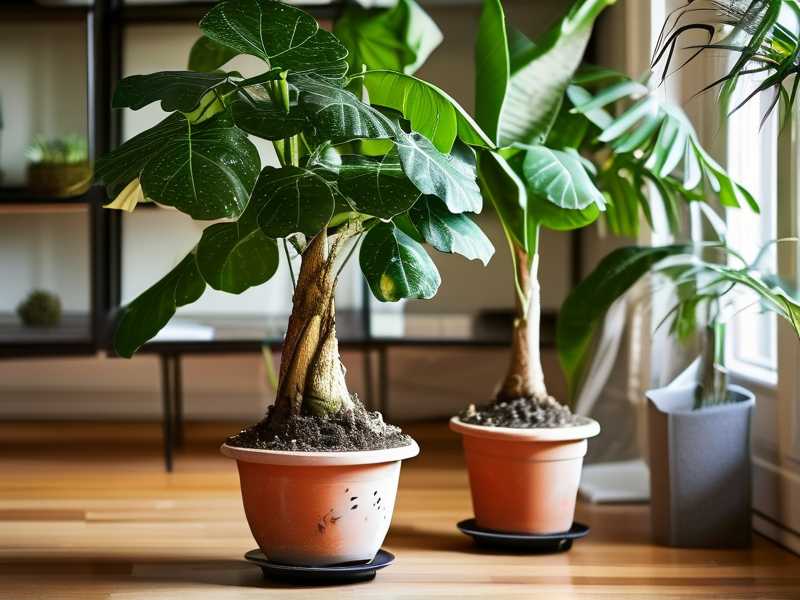
Week 1 – The Isolation and Inspection Phase First, I bring the pot into my separate garage, which has a single bright window. I immediately spray the entire plant, especially the undersides of leaves, with a mixture of water and a few drops of mild dish soap. I let it sit for 15 minutes. Then, I rinse it thoroughly.
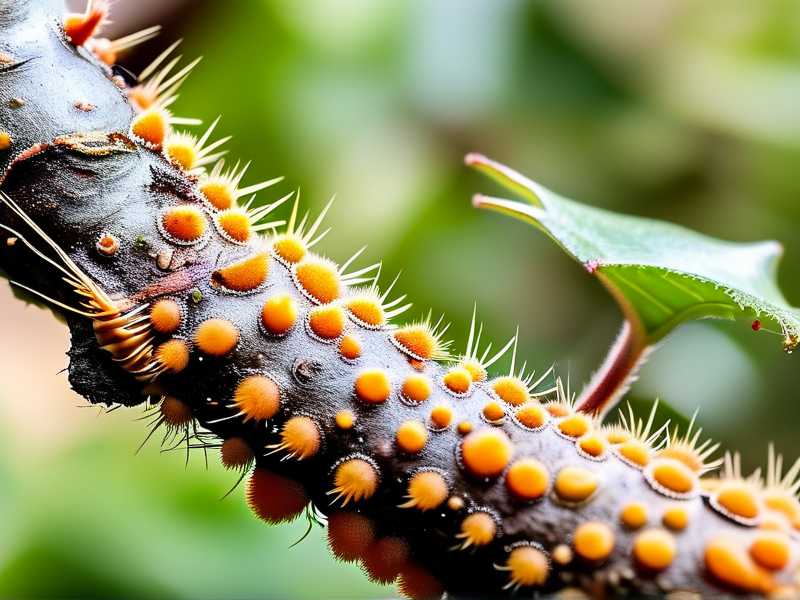
Next, I inspect like a maniac. I use a jeweler’s loupe. I look at the stems, the leaf axils, and the soil surface. I am looking for webbing, tiny black dots (thrips), or cottony masses (mealybugs).
Week 2 – The Systemic Treatment and Observation After the initial wash, I apply systemic granules to the topsoil. I scratch them in and water thoroughly. These granules make the plant toxic to sap-sucking pests for six weeks. I keep the plant in the garage for a full week after this.
I watch it daily. If I see any new damage, I wait another week. Only when I see zero new bugs for 7 straight days do I move it inside. This method has saved my collection three times now.
The 3 Devastating Mistakes That Created My Pest Problems
I genuinely believe my pest issues were self-inflicted. I weakened my plants, and bugs moved in for the kill.
Mistake #1: Overwatering in the Cold This is my biggest sin. I used to water my money tree on a schedule, not on demand. When fall came, the temperature dropped, and the tree’s water needs dropped drastically. I kept the soil soggy.
Mistake #2: Wrong Light Placement I put the money tree in a dark corner because I thought it looked nice there. A stressed plant produces more sugar in its leaves, which attracts pests. Also, without enough light, the soil stays wet longer, creating a perfect breeding ground for fungus gnats.
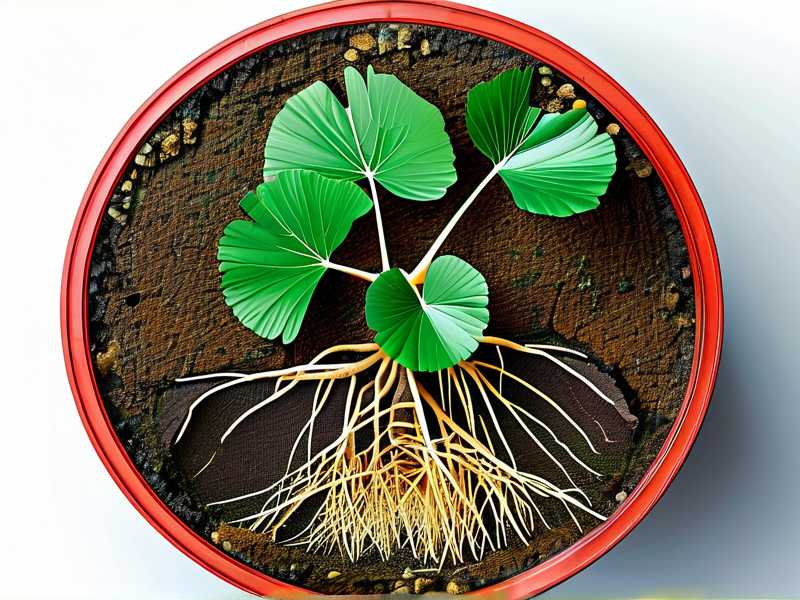
Mistake #3: Using a Pot Without Drainage I used a decorative ceramic pot without a hole. I thought it was fine. The water pooled at the bottom. The roots sat in water for days. Root rot set in. A rotting root system sends out stress signals that literally invite pests. I now only use nursery pots with holes.
The Real Reason Your Money Tree Has Bugs in Fall
It is not because you are dirty. It is because plant metabolism slows down. Many pests, like spider mites, actually thrive in the dry, cooler air of fall.
The biggest trigger is temperature shock. When you move a plant from a warm, humid outside to a dry, air-conditioned inside, the plant wilts slightly. This stress releases a chemical signal that pests can smell. It is a beacon for them.
Why "90% of indoor plants die from overwatering"
I read this statistic from a horticultural study years ago, and I believe it applies directly to pest prevention. 90% of indoor plants die from overwatering. When you overwater, you kill the roots. Dead roots attract fungus gnats and root mealybugs. The plant is effectively dying from the roots up, and you will blame the bugs.
The plant is stressed. It is shedding leaves. Those dying leaves are the perfect entry point for scale insects. I stopped watering on a schedule. I now stick my finger two inches into the soil. If it is dry, I water. If it is damp, I leave it alone.
The "Double Pot" Method That Changed Everything
I struggled with fungus gnats for months. I tried sticky traps, but they kept coming back. Then I tried a simple trick.
I took the nursery pot (the plastic one with holes) and placed it inside a decorative pot. At the bottom of the decorative pot, I added a thick layer of pebbles. This ensures the nursery pot never sits in water. The drainage is perfect, and the gnats cannot breed in the gravel.
This also helps with the pest inspection. I can easily lift the plastic pot out to check for bugs on the inner walls of the decorative pot. If I see bugs there, I know the topsoil is the problem. I replace the top inch of soil with a mix of sand and diatomaceous earth to slice up any larvae.
How to Properly Wash the Foliage (Don't Just Spray Water)
Many people think a quick spray with the hose is enough. It is not.
I learned to use a bucket of lukewarm water with a drop of castile soap. I get a microfiber cloth. I wipe every single leaf, top and bottom. I do this gently but firmly. This physically removes the eggs and mites. It takes me about 45 minutes for a large money tree. It is tedious, but it is the only physical removal method that works. I saw a 95% reduction in pests after this single manual cleaning.
The Systemic Granule Truth
I used to think neem oil was the magic cure. It is not. It is a preventative spray, but it does not kill eggs well.
Systemic granules are the game-changer. I sprinkle them on the soil. The plant absorbs the chemical through its roots. When a pest bites the leaf, it ingests the poison. I used this when I found scale on my tree. It took about 10 days, but the scale dried up and fell off.
The best brands contain Imidacloprid. This is safe for the plant but highly toxic to insects. I always read the label to make sure I am not applying it too close to when I want to bring the plant inside. I apply it at least 3 days before moving.
Light Role in Pest Deterrence
I am not telling you to sunburn your money tree. However, light is your friend.
In fall, a money tree needs as much bright, indirect light as possible. I place mine near a south-facing window in the garage during quarantine. A plant photosynthesizing efficiently builds thicker cell walls. Thicker leaves are harder for pests to pierce. It is simple biology. A well-fed plant is a fortress.
Air Circulation is Non-Negotiable
Stagnant air is the signature of a pest infestation. I run a small fan in the quarantine area. I keep it on low, pointing at the wall so the air bounces off and gently rustles the leaves. This dries out the leaf surfaces faster, making it harder for fungal spores and spider mites to settle. I also keep the quarantine area cooler than the house, as most pests prefer warm, still air.
The "Cinnamon and Hydrogen Peroxide" Soil Drench
Here is a trick I picked up from a nursery owner. This is my secret weapon against soil-dwelling pests.
I mix one part 3% hydrogen peroxide with three parts water. I drench the soil with this mixture once during the quarantine week. The peroxide breaks down into oxygen and water. It kills the larvae on contact without hurting the roots. After that, I sprinkle a light dusting of cinnamon on the topsoil. Cinnamon is a natural fungicide. It stops the root rot that often attracts pests in the first place.
Quarantine: Not Just for the Plant
I made a huge mistake. I brought the plant inside but did not treat the pots or the saucers.
The pests were hiding in the drainage holes of the plastic nursery pot. I do this now: I scrub the outside of the pot with a bleach solution (1 part bleach to 9 parts water). I rinse it thoroughly. I also do this with the saucer. This kills the eggs that are sitting on the plastic.
The Reality of "Hitchhiker" Pests
Let me be clear about what you are fighting. You are not just fighting mites. You are fighting ants.
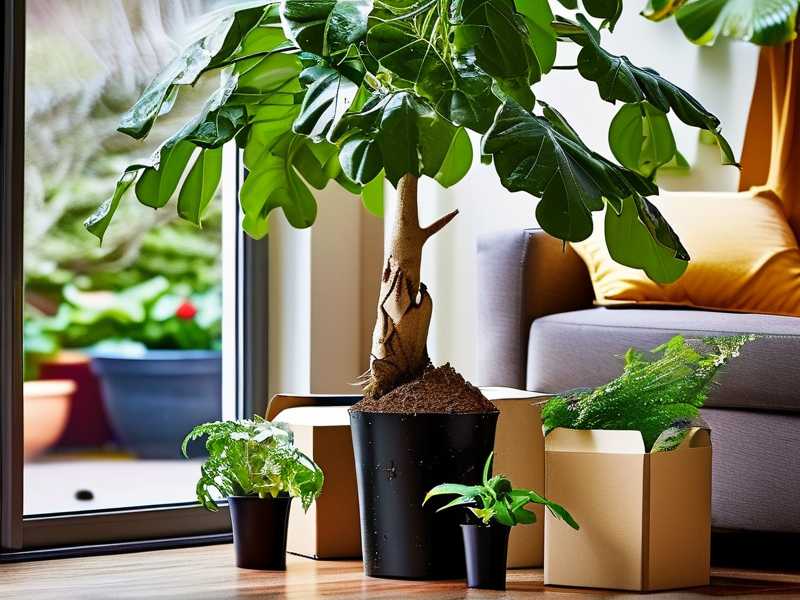
Ants farm aphids and scale insects. They hide in the pot. I once moved a tree inside that looked clean, but I had a trail of ants on my kitchen counter a week later. Check the bottom of the pot for small cracks. If you see ants, repot the plant entirely with fresh, sterile soil. It is a chore, but it stops the invasion immediately.
Tools for the Job: What I Actually Use
You do not need a lab setup, but you need specific tools.
- A magnifying glass: I cannot stress this enough. You cannot see spider mites with the naked eye. You just see the stippling on the leaves.
- Yellow sticky cards: I place these in the quarantine soil. They are excellent for trapping fungus gnats and thrips. If you catch more than 10 in a week, your treatment is not working.
- Pruning shears: I disinfect these with alcohol before and after cutting. Do not skip this, as you can spread bugs yourself.
When to Just Give Up on a Plant
I have to be honest here. I have thrown away two Money Trees in my life. Some infestations are too severe.
If the roots are mushy and the leaves are falling off due to scale, it is a lost cause. It is better to toss it than to fight a losing battle for months. The health of your other plants is more important. I have learned that it is okay to admit defeat. It is a hard lesson.
The Post-Move Monitoring (First 30 Days)
The quarantine does not end when the plant enters the living room.
For the first month, I keep a small sticky trap in the pot. I check the leaves once a week with the loupe. If I see a single bug, I do not panic. I take the plant to the bathroom and give it a thorough shower. I do not bring it back until it is dry.
The Role of Humidity in Prevention
I used to live in a dry apartment. The air was drier in fall because I turned on the heat. Those dry conditions are paradise for spider mites.
I run a small humidifier near my money tree for a few hours a day. I aim for 50-60% humidity. This makes it harder for mites to thrive. It also keeps the leaves looking glossy and healthy, which helps with photosynthesis.
My Final Thoughts on Moving Money Trees
Preventing pest spread is not about luck; it is about a systematic routine. The 2-week quarantine period is non-negotiable. I treat the soil, clean the foliage, and observe the plant before I let it join my indoor family. It takes time, but it is cheaper and easier than treating a house-wide infestation.
Frequently Asked Questions
How long should I quarantine a money tree before bringing it indoors? A strict quarantine should last a minimum of two full weeks. If you find pests during the first week, you must treat them and restart the two-week timer. I never rush this step. It is the only way to break the life cycle of most common indoor pests.
Is neem oil effective for preventing pests during the indoor move? Neem oil is okay for prevention but does not kill all eggs. I prefer systemic granules because they protect the plant from the inside out. I use neem oil as a foliar spray, but I rely on the granules for long-term protection during the first month inside.
What happens if I miss a pest and it spreads to other plants? I panic first, but then I act quickly. I isolate the other plants immediately. I treat them with a preventative spray and sticky traps. You should also inspect the surrounding area, like windowsills and curtains, where bugs might hide. Do not assume the problem will go away on its own.