admin
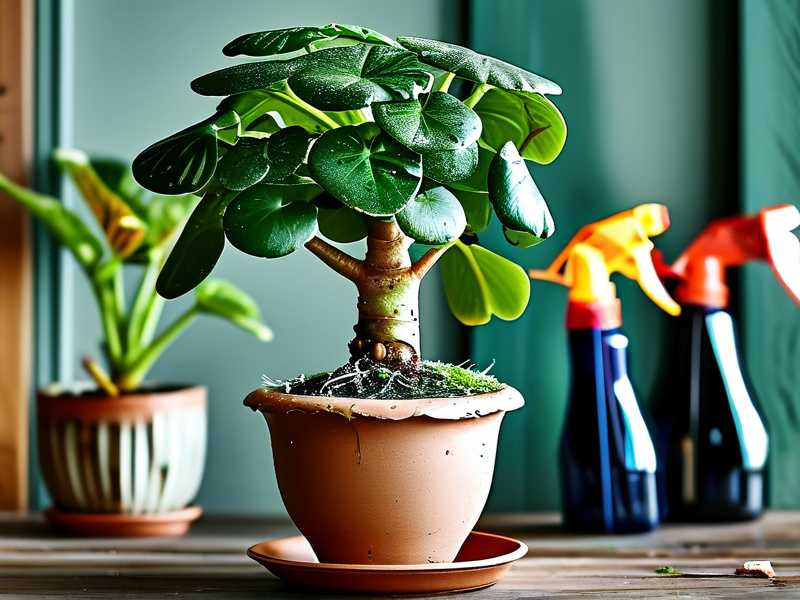
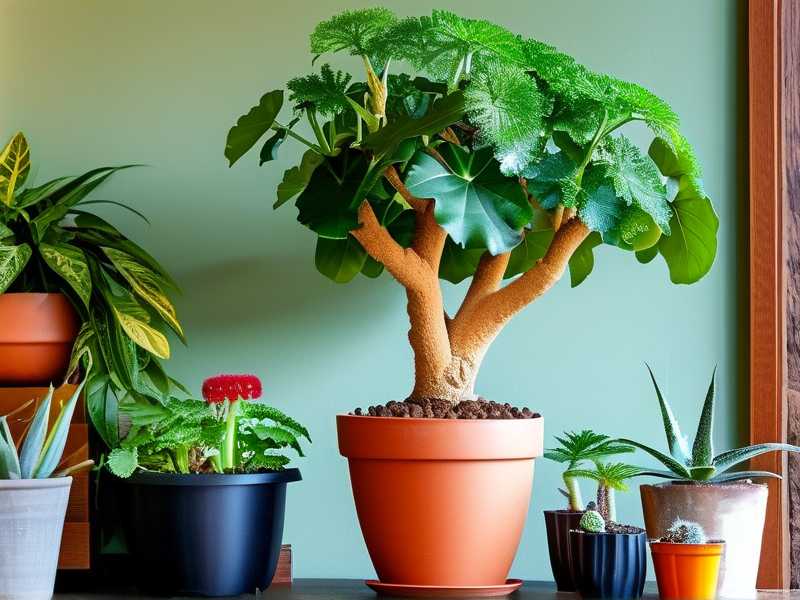
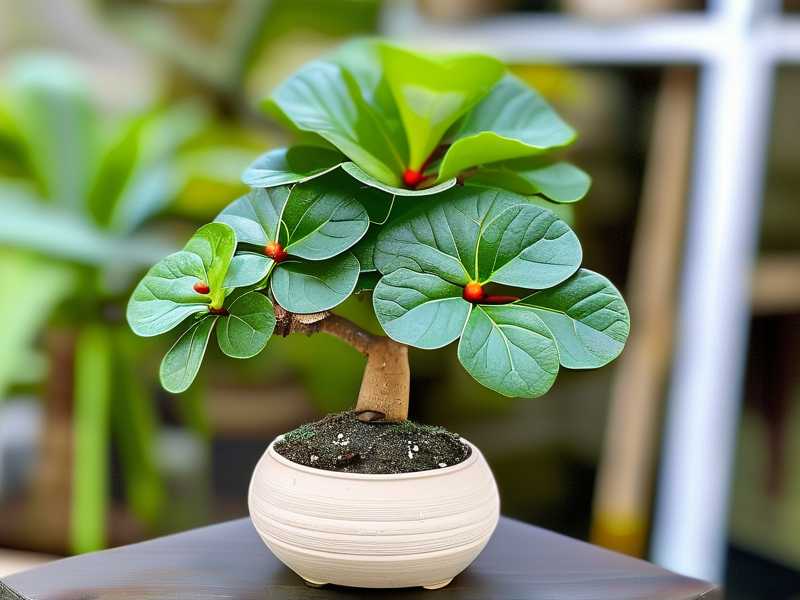
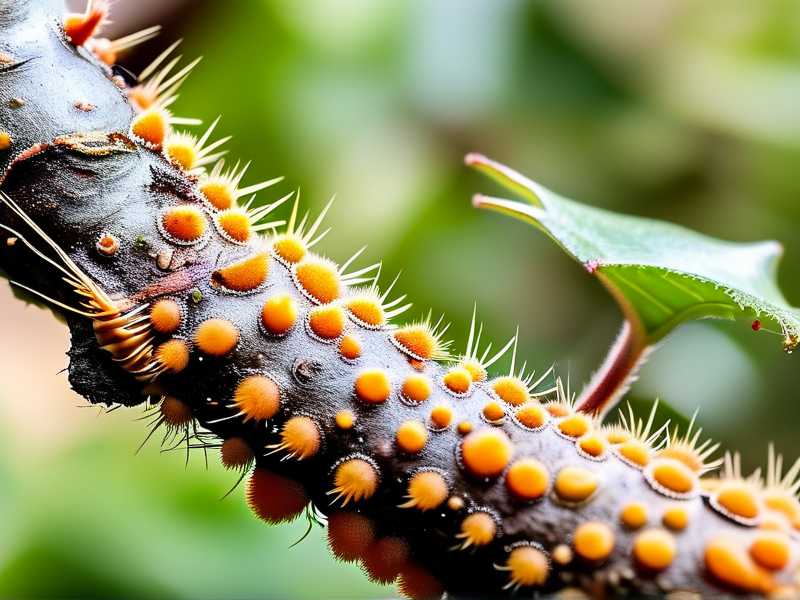
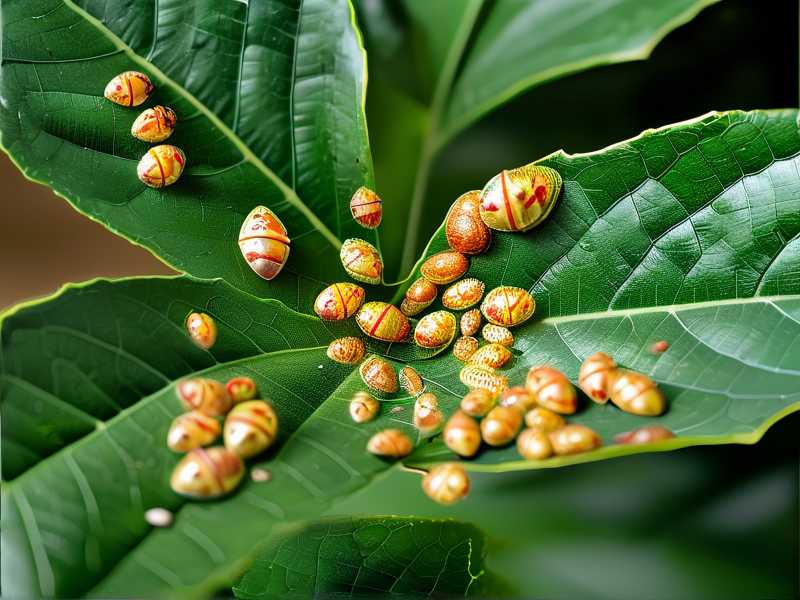
admin I’ve spent years staring at the undersides of leaves. It’s a habit you develop when you’ve lost a few plants to invisible enemies. The money tree, or Pachira aquatica, looks sturdy. But trust me, it hides secrets beneath those prominent veins. I’m not talking about the visible spider mites. I’m talking about the eggs. The tiny, silent bombs waiting to hatch. You need a flashlight and a magnifying glass. Stop guessing. Here is the direct answer: most pest eggs on money trees sit right next to the central leaf vein, inside the tiny crevice where the vein meets the leaf blade. Look for round, brown, or translucent spheres that don’t wipe off easily with your finger. If it smears, it’s dirt. If it pops, it’s an egg.
I found this out the hard way. My second money tree looked perfect from the top. Lush, green, shiny. But it was stunted. New leaves were smaller than old ones. I blamed the soil. I blamed the light. I almost repotted it in desperation. Then I flipped a leaf over during a late-night worry session. There they were. Little amber dots, arranged like a tiny necklace along the vein. I felt sick. I had been watering that tree for two weeks, feeding the soon-to-be-born larvae a nice, moist environment.
The thing is, this problem is more common than you think. I read a report from the RHS that highlighted how scale insects and mealybugs love the protective fold of leaf veins. The plant creates a natural shield there, and pests exploit it. You won’t see the adults until it’s too late. The eggs are the early warning system. You just have to know where to aim your eyes.

Let me break down my exact process. It’s not rocket science. It’s just doing the boring work of checking the plant like you mean it. First, get a bright LED light. Not your phone flashlight, that’s too weak. You need a dedicated grow light or a workshop lamp. Second, get a jeweler’s loupe or a macro lens on your phone. I use a cheap clip-on macro lens. It costs about ten bucks. It sticks right onto my camera. This is non-negotiable. If you try to spot these eggs with the naked eye, you’ll miss 90% of them.
So, I start with the older leaves first. The bottom branches. Pests love the oldest foliage because the tissue is tougher but also more sheltered. I gently bend the leaf backwards. Not too hard, you don't want to snap the stem. I look at the junction where the main vein splits into smaller ones. That Y-shape area is prime real estate for pests. I also check the petiole, that little stem connecting the leaf to the main branch. Eggs often cluster there too, hidden in the fuzz.
What am I looking for exactly? Color matters. Scale eggs are often pale yellow or light brown. Mealybug eggs look like fluffy white cotton candy, but they’re usually deeper inside the crevices. Spider mite eggs are crystal clear or slightly pearl-colored. They’re super tiny, smaller than a pinhead. If you see a cluster that looks like a dust patch but has a slight sheen, that’s likely mites. I made the mistake of thinking it was dust once. I even tried to blow it off. That doesn’t work. It’s sticky.
Here is where the "two-week observation" comes in. That’s the timeline I recommend to everyone now. I don’t just treat once and forget it. I mark my calendar. The egg cycle is roughly seven to ten days for most common pests in a warm house. So, my routine is this: Day one, I inspect every single leaf. Day three, I inspect again, focusing on the spots I flagged. Day seven, I check for hatching. That’s when you see tiny crawling things. Day fourteen, I do a final sweep. If I see nothing new after day fourteen, I can relax. That’s the real test. It’s not about one clean look.
I tried a bunch of different remedies during that first infestation. I tried neem oil spray. It worked on the adults, but the eggs are protected by a waxy coating. The oil just beaded off. So, I learned to spray, wait fifteen minutes, then physically wipe the eggs off with a cotton swab dipped in rubbing alcohol. That was the real fix. The alcohol dissolves the protective shell. The swab removes the egg mass physically. You have to touch them. Spraying alone won’t dislodge them.
Another thing I learned is to stop moving the plant around. During that two-week period, I kept my money tree in one spot. I didn’t want to shake loose any eggs and spread them to other plants. I have a rubber tree that I was worried about. So, quarantine is key. I put the infected tree in the bathroom, away from everyone. The humidity in the bathroom actually helped the treatment process, but I made sure the leaves dried within two hours to prevent fungal spots.
Now, let’s talk about the mistakes that you are probably making right now. I see these three errors in every plant forum I visit. The AHS also mentions these in their pest management guides. First, overwatering. I cannot stress this enough. Honestly, 90% of indoor plants die from overwatering, not from pests. A wet soil surface attracts fungus gnats, which introduce other problems. More importantly, overwatering weakens the plant’s natural defenses. A stressed plant releases chemical signals that actually attract pests. I know it feels productive to water. It feels like you’re helping. You are not. You are drowning the roots and rolling out the welcome mat for bugs. I only water my money tree when the top two inches of soil are bone dry. I stick my finger in there every time. No guessing.
Second, wrong light. Money trees need bright, indirect light. I had mine in a dark corner of my living room because I thought they were low-light plants. They aren’t. They tolerate low light, but they don't thrive. In low light, the leaves grow softer and thinner. That soft tissue is easier for pests to pierce. I moved mine next to an east-facing window, behind a sheer curtain. The leaves got thicker within a month. Thicker leaves are harder for pests to bite into. That’s your first line of defense.
Third, wrong pot. I see so many people growing money trees in giant decorative pots without drainage holes. You need a plastic nursery pot inside a decorative cachepot. The nursery pot must have holes. If you don’t have holes, the water pools at the bottom. The roots sit in it. That leads to root rot, which kills the plant faster than any bug. But here’s the sneaky part. A pot that’s too big holds too much moisture. The soil stays damp for days. That dampness encourages pest breeding in the soil medium. I prefer a tight pot. My money tree is in a pot that is only two inches wider than the root ball. It dries out faster, and I have fewer pest issues.
I also check the drainage holes themselves. Sometimes eggs fall through the soil and sit in the saucer. I clean my saucer every week. It sounds obsessive, but it stops the lifecycle. I noticed that scale insects sometimes crawl out of the drainage holes at night. I saw it happen once. I nearly screamed. But now I just check the saucer with my flashlight once a week as part of my routine.
One more trick I adopted after my "third plant died" moment. I started using yellow sticky traps. I stick them into the soil. They don't catch the eggs, but they catch the adult flies and gnats that emerge from the soil. This gave me a visual count. If I see more than ten gnats on the trap in two days, I know the soil is too wet or there’s an organic matter breakdown. It’s a great bio-indicator.
Let me walk you through a specific inspection sequence I call the "Vein Sweep." I start at the top of the plant with the newest leaf. New leaves are usually clean. I work my way down. For each leaf, I look at the underside. I move my lens slowly from the stem to the tip. I pause at the first bifurcation point. That's the main vein split. I look for anything that is not flat. Then I move to the leaf margin, the outer edge. Pests love the edge because it’s thin. I check the axil where the leaf connects to the branch. That’s a hiding spot I overlooked for years.
Sometimes you see black spots instead of brown. Those are likely sooty mold. That’s a secondary infection from honeydew left by sap-sucking pests. If you see black spots, you know there are pests above them. You have to find the source. I usually wipe the mold off, then search harder for the eggs. The mold is a map.
What if you already find a massive infestation? Don’t panic. I’ve been there. I had a leaf that was completely encased in a white fuzzy mass. It looked like mold. I took the entire leaf off. Pinched it at the stem and pulled down. I discarded it in a sealed bag, not the compost. Then I cleaned the entire plant with a damp cloth. Then I applied the alcohol swab method to the remaining suspicious spots. I repeated this every three days for the full two weeks. It worked. The plant survived. It had a bald spot for a while, but it recovered.
I learned that systemic insecticide is an option, but it’s a big gun. I don't like using it inside my home because of the fumes and the risk to pets. I prefer the physical removal method. It’s tedious. It takes time. But it’s effective. I consider it a form of meditation. You are bonding with your plant, learning its geography. Nobody else knows your plant like you do after a two-week egg hunt.
You might think this is all too much work. But honestly, the cost of not doing it is higher. You will end up with a plant that looks sad, with yellowing leaves and sticky residue on your floor. You will have to do the treatment anyway, but with ten times more effort. Prevention is easier. The inspection routine takes me about five minutes per week now. That's it. Five minutes to save a fifty-dollar plant that brings so much life to my room.
I want to share a specific instance where this saved my plant. Last autumn, I brought a new fern inside. I didn’t check it well. It had spider mites. They jumped to my money tree. Wait, they don't jump, they crawl. Anyway, I saw the damage on the money tree first. The leaves looked stippled, like tiny white dots. I knew the mites were there. But I couldn’t find the adults. They were so small. I focused on the eggs under the leaves. I found the round pearls. I crushed them with my fingernail. It was oddly satisfying. I sprayed the whole plant with a strong jet of water in the shower for two days. Then I did the alcohol wipe. The combination broke the cycle. No heavy chemicals needed.
Now, let’s address the environment. My house is warm and a bit dry in winter. That’s perfect for spider mites. They love dry air. So, I run a small humidifier near my plants. The money tree likes humidity around 50% to 60%. The added humidity also makes the egg shells softer, making them easier to remove. I’m not a scientist, but I read that in a gardening blog. It makes sense to me. The softer the shell, the easier it crushes.
I occasionally mist the leaves. But I don’t overdo it. I learned that constant wet leaves can cause bacterial leaf spot. So, I do it in the morning so the water dries by midday. I focus the mist on the underside of the leaves. That’s the pest target zone. It disrupts their breeding. It doesn’t kill them, but it slows them down. Combined with my regular checks, it keeps the population at near zero.
Let’s talk about the soil too. I noticed some eggs that fall off the leaf land in the soil. They might not hatch there, but the larvae can crawl up the trunk. So, I place a layer of sand on top of my soil. It’s a common trick from the RHS forums. The sand is abrasive. It cuts the soft bodies of crawling insects. It also drains water faster, preventing fungus gnats. This was a game changer. My soil stays drier on top. Dry soil means no gnat eggs. I highly recommend a half-inch layer of coarse sand.
Also, I changed my fertilizing habits. I used to feed my plant every week. I thought more food equals more growth. It causes soft, lush growth. Pests love that. I now feed it once a month during the growing season, with a diluted solution. The growth is firmer. It’s slower, but it’s stronger. That strength makes it naturally resistant to pest attacks. It’s like a healthy immune system.
I want to address the "what if I miss them" anxiety. You will miss some. It’s inevitable. That’s why the two-week follow-up is critical. The life cycle is short. If you miss a few eggs, they hatch. The new larvae are more vulnerable to insecticidal soap. So, on day ten, I spray the plant with a ready-to-use insecticidal soap. I cover every leaf, under and over. I make sure it gets into the vein crevices. The soap suffocates the larvae. It doesn’t work on unhatched eggs, though. So, timing helps.
I also check the new growth specifically. When a plant is recovering, it puts out new leaves. These new leaves are like a blank canvas. Pests will target them first because the tissue is tender. I check my new growth every single day during the recovery period. I look for any distortion. If a new leaf is crinkled or twisted, that’s a sign of sucking insects. I immediately inspect the vein junctions of that leaf. That’s where they are hiding.
I hope you realize this isn’t a punishment. It’s just good plant care. I used to be lazy. I used to just water and look at the top of the plant. My plants paid the price. My first money tree died from a massive scale infestation that I didn’t notice until the leaves were completely brown. That was a painful lesson. I mourned that plant. I actually threw it away in a rage. But I learned from the corpse. I dissected the leaves. I saw the remnants of the egg clusters. I knew then I would never skip inspections again.
Now, let’s structure a simple checklist for you. You can print this out. Or just memorize it. First, gather your tools. Light, lens, alcohol, cotton swabs. Second, flip the leaves. All of them. Third, focus on the vein split. Fourth, check the leaf edges. Fifth, check the stems. Sixth, record your findings in a notebook. I keep a sticky note on my pot. It has dates and notes. This helps me track patterns. You might see a surge in activity after you open a window. That’s a clue.
I often get questions about whether these eggs are dangerous to humans. They are not. They are plant-specific pests. They won’t bite you. But they will ruin your plant. So, don’t panic about your health. Just worry about your plant’s health. And wash your hands after inspecting, because you don’t want to transfer eggs to another pot.
I remember reading an article by the AHS that emphasized the importance of early detection. They said that the difference between a minor nuisance and a full-blown infestation is just a two-week window. That stuck with me. It motivated my entire routine. It’s true. If you catch the eggs early, you can squash the problem. If you wait for the adults, you’re fighting a war.
So, please, don’t be lazy. Take the time to look at the undersides of your leaves tonight. Take a photo with your camera and zoom in. You will be surprised at what you find. I bet you’ll find something you didn’t see before. It might not be eggs. It could be dust. It might be a few spider mite webs. But it’s better to know. Knowledge is power in plant care.
One last tip. I transferred my money tree to a semi-hydroponic setup with LECA balls. This made pest control easier because I didn't have to worry about soil-borne insects. The roots are visible. I can check for root mealybugs easily. It’s a bigger initial investment, but it simplifies my life. The plant seems to love it too. The water reservoir means I never overwater, which eliminates the number one killer. That solves mistake number one instantly.
If you are not ready for LECA, just get a moisture meter. It’s a cheap metal probe. It tells you if the soil is wet at the root level. That stops you from watering too often. It’s the best tool for beginners. It takes away the guesswork.
Alright, let’s summarize the key points for your cleaning routine. Wear gloves if you want. Mix one part rubbing alcohol with three parts water. Dip a cotton bud. Rub along the vein lines. Don’t scrub too hard. You don’t want to damage the leaf cuticle. Just a gentle wipe. Change the bud often. When you think you’ve got them all, flip the leaf and look again. Check the other side. The eggs have a tendency to hide on the underside of the leaf stem, which has a natural curve.
I have done this so many times that I see eggs even in my sleep. But it has saved me so much money. I haven’t bought a new money tree in three years. My current one is over five feet tall. It’s a beauty. Visitors always ask me how I keep it so healthy. They think it’s a special fertilizer. It’s not. It’s just my weekly vigilance and my willingness to look at the dirty details.
In conclusion, don’t be afraid of the dark side of leaves. Embrace it. Your plant depends on you for protection. You are its only defender against a hungry bug army. So, arm yourself with a flashlight and a magnifying lens. Spend five minutes a week. You will be rewarded with a thriving, green companion. And your friends will wonder if you have a green thumb. You don’t. You just have good eyes and a good routine. That’s the secret. Happy hunting. I mean, happy inspecting.