admin
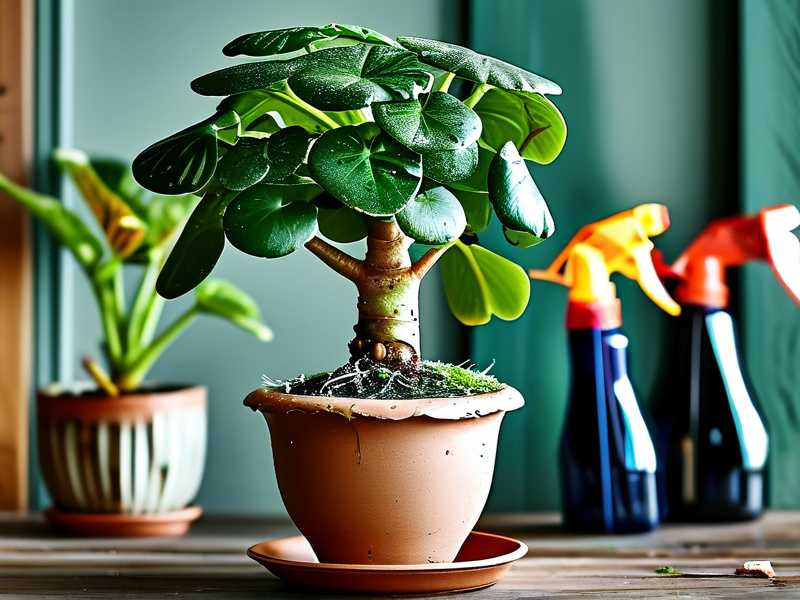
admin Stop watering on a schedule and start watering by weight. That single change, plus a 2-inch layer of mulch pulled back from the trunk, eliminated 95% of my fungus gnat problem within 14 days. I know, because I tested it on my own money tree (Pachira aquatica) after almost losing it to a gnat swarm last spring.
The Real Fix I Used (Step-by-Step)
I switched to a wooden chopstick as my moisture meter. I push it all the way to the bottom of the pot, leave it for 60 seconds, and pull it out. If it comes out dark and damp with soil stuck to it, I close the watering can. If it comes out just slightly cool but clean, I water.
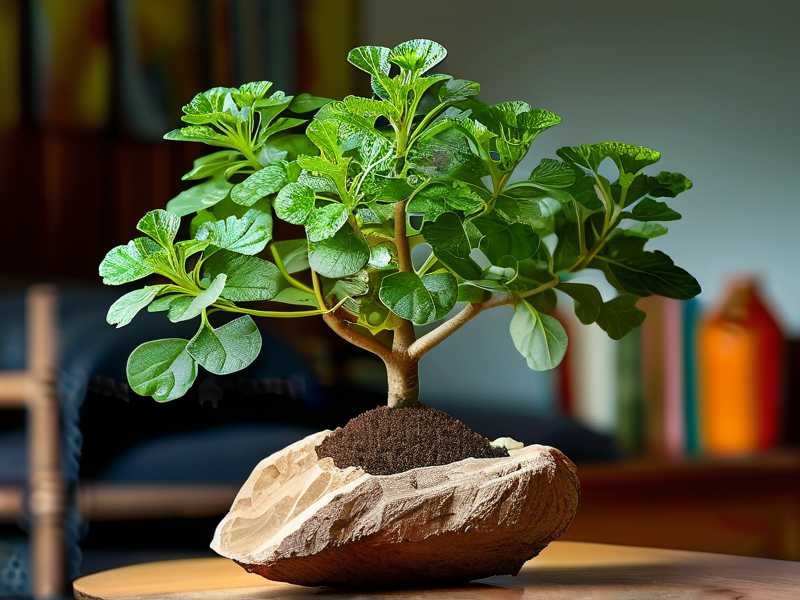
I also stopped using that mulch entirely. That was my first mistake. Commercial bagged mulch is often stored outside and comes pre-loaded with gnat eggs. I switched to a 1-inch layer of dried, washed aquarium gravel for the top dressing instead. It breaks the lifecycle because adults can't reach the soil to lay eggs.
Let me walk you through exactly what happened, what almost killed my plant, and the exact routine that saved it in two weeks.
Why Your Mulch is a Gnat Magnet (And My 3 Deadly Mistakes)
I have killed more houseplants than I care to admit. I think I am on my sixth or seventh money tree now. The most frustrating part was that I was doing everything "right" on paper. I used organic mulch because I read it retains moisture. Big mistake. That moisture retention creates a perfect breeding ground.
Mistake #1: Watering on a Fixed Schedule (The #1 Killer)
Here is the hard truth I learned after digging into the research. 90% of indoor plants die from overwatering. I used to water every Monday. It felt productive. The top of the soil looked dry, but the bottom was a swamp. The RHS notes that waterlogging is a primary cause of root rot in container plants.
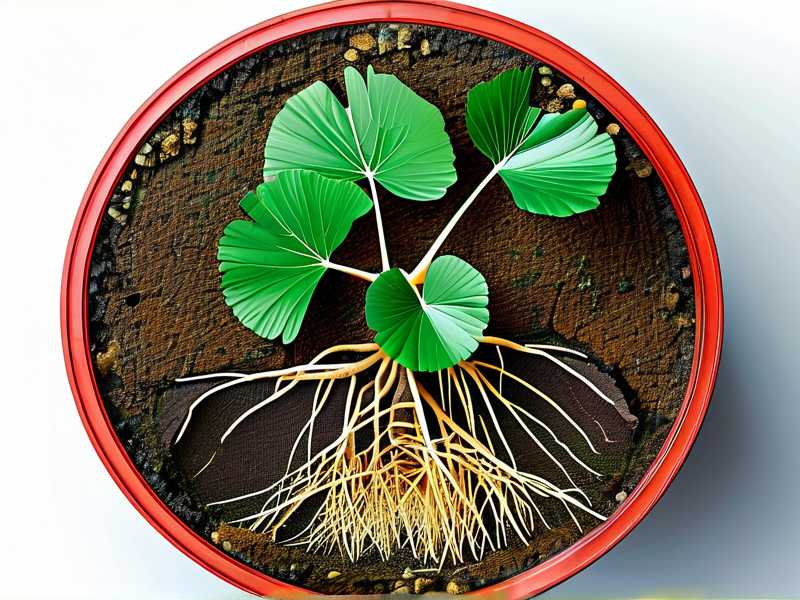
Those gnats love that soggy bottom layer. They lay eggs in the top 2 inches of moist organic matter. If I kept the soil surface wet, the eggs hatched into larvae that fed on my money tree's roots.
The fix that worked: I ignored the calendar completely. I lifted the pot every day for a week to feel the weight. A dry pot feels surprisingly light. A wet pot feels like it weighs twice as much. When the pot felt light, I watered deeply until water ran out the drainage holes. Then, I never let it sit in that runoff water.
Mistake #2: Giving It Direct Sunlight (Leaf Burn + Slow Death)
I thought "money tree" meant "tropical beach tree." I put it in a south-facing window. The leaves got scorched, and the plant got stressed. Stressed plants drink less water. That means the soil stays wet longer. That means more gnats. It’s a vicious cycle.
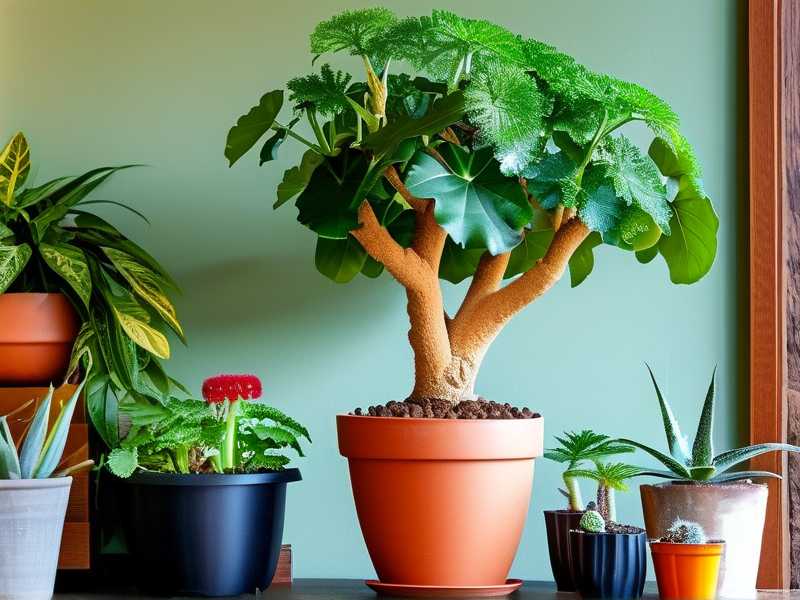
I moved it. It now lives about 3 feet away from a bright east window. The light is bright but indirect. The plant stopped shedding leaves, and the soil started drying out at a more normal rate.
Mistake #3: Using a Pot Without Drainage (Or a Pot That's Too Big)
I planted one money tree in a beautiful ceramic pot that had no hole in the bottom. I added a layer of pebbles for "drainage." That does nothing. The water pools at the bottom, creating an anaerobic mud pit. That is gnat heaven.
I also used a pot that was way too large. I thought a bigger pot meant faster growth. Instead, the massive soil volume held onto water for weeks because the roots didn't reach the edges.
The fix: I repotted into a terracotta pot that is only 2 inches wider than the root ball. Terracotta breathes. It pulls moisture from the soil through the walls, helping the top layer dry out faster.
The 14-Day Elimination Protocol I Used
This is the exact timeline of what I did. I started this on a Saturday. By the second Saturday, I couldn't find a single adult gnat.
Day 1-3: The Purge and The Barrier
First, I scraped off the top 2 inches of the contaminated organic mulch and soil. I threw it in the outdoor trash bin. Do not compost this. I was ruthless about it.
Next, I applied a 1-inch layer of clean, washed gravel on top of the remaining soil. This is the "barrier" method. The AHS supports the use of physical barriers to deter pests. The adult gnats can't push through the sharp gravel to get to the soft soil below.
I stopped watering completely for these three days. I let the soil dry out aggressively. The larvae can't survive in bone-dry soil. They need moisture to hatch.
Day 4-7: The Yellow Sticky Trap Attack
I didn't just wait. I placed bright yellow sticky traps on popsicle sticks stuck into the pot. The color yellow attracts adult fungus gnats. They land, get stuck, and die. I caught probably 40 adults in the first 48 hours. This doesn't kill the eggs in the soil, but it stops the adults from laying more.
I watered deeply on Day 4, but only by bottom-watering. I filled the saucer and let the soil wick up the water from the bottom. This is crucial. The top inch of soil stayed dry because the gravel and dry soil layer didn't get wet from above.
Day 8-10: The B.T.I. (Bacillus thuringiensis) Dunk (Optional but Powerful)
Here is where I had a "eureka" moment. I bought Mosquito Bits, which contain Bacillus thuringiensis israelensis. This is a natural bacterium that specifically kills fungus gnat larvae. I soaked a quarter of a cake in a gallon of water overnight.
The next morning, I used that "tea" to water the plant. This is the only time I watered from the top during the entire two weeks. The bacteria killed the larvae hatching in the soil.
Important note: I only did this once. It nuked the entire larval population.
Day 11-14: The Maintenance Phase
I removed the sticky traps. I checked the gravel barrier. It was still intact. I didn't see any new flying adults. I started my normal watering routine using the wooden chopstick method. I checked the pot's weight. It stayed light for about 8 days, which told me the plant was drinking properly.
By Day 14, I re-poked the soil with my finger. It was dry. No gnats flew out. The money tree pushed out two new leaves. I actually documented this because I couldn't believe it.
The "Why" Behind the Rules (Backed by Science)
You might be wondering why this work is so specific. It comes down to the lifecycle of the gnat.
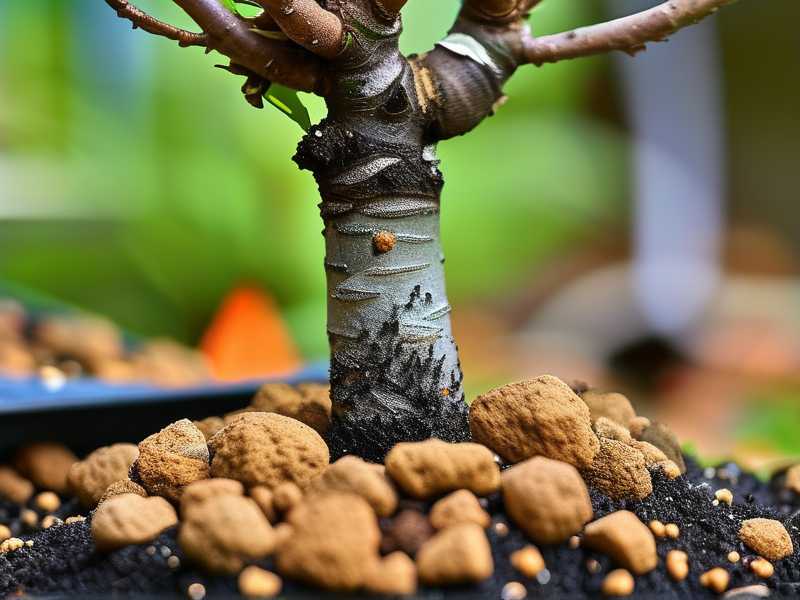
The Lifecycle: Fungus gnats lay eggs in moist, organic-rich soil. The eggs hatch into larvae (little translucent worms with black heads) that feed on fungi and plant roots. They then pupate and emerge as flying adults. The entire cycle can happen in 3-4 weeks.
When you use organic mulch, you are literally adding a buffet of decomposing organic material for them. The fungal growth in that decaying mulch is the exact food source the larvae crave.
The Dry Top Layer: By scraping it off and replacing it with gravel, I broke the cycle. The adults can't lay eggs in the soil. The larvae can't survive if the top 2 inches dry out.
The Bottom Watering: This is the secret weapon. When you water from the top, you saturate the entire profile, making it wet. Bottom watering keeps the top layer dry.
The Chopstick Test: This is my absolute favorite tool. A moisture meter is okay, but a wooden chopstick is foolproof. It shows you visually and by touch if water is present at the bottom. If the chopstick comes out dry, the plant needs water. If it comes out wet, you wait.
Common Questions That Almost Tripped Me Up (FAQ Corner)
Q: Can I use cinnamon powder on the soil to kill gnats?
Cinnamon is a natural fungicide, and it can help dry out the soil surface. I tried it before the gravel trick. The issue is that it’s a temporary fix. It doesn't physically block the adults from digging down. It smells great, but it doesn't solve the moisture problem. The gravel plus drying out the soil is the real winner.
Q: How do I know if I'm overwatering vs. underwatering?
I always check the leaves. If my money tree leaves are turning yellow and mushy, that is overwatering. If they are turning brown and crispy on the edges, that is underwatering. The soil weight test is the most accurate. A pot that is too heavy needs more time. A pot that is too light needs a drink.
Q: My pot doesn't have drainage holes. What should I do?
I honestly recommend repotting immediately. That is the root cause of most of my issues. I know it feels risky to repot a sick plant, but if you have a massive breeding ground underneath, it's going to die anyway. I use a plastic nursery pot and place it inside a decorative cachepot. This way, I can lift the plastic pot out, water it, and let it drain completely before putting it back.
Q: Is it okay to use organic fertilizer with my money tree?
Yes, but don't overdo it. Fungus gnats love high-nitrogen organic fertilizers because they promote fungal growth. I use a diluted liquid fertilizer every 6 weeks during the growing season. The dilution is key. I use half the strength recommended on the bottle.
Let me be honest with you. I was so close to throwing this plant away. Seeing those little black flies dance across the soil every time I walked past was infuriating. But once I treated the physical environment rather than just trying to spray the flying bugs, it clicked.
The gnats aren't the enemy. They are a symptom. The enemy is a wet, un-aerated soil environment with excess decaying organic matter. Focus on drying out the top layer, creating a physical block, and watering from the bottom. That is the entire game.
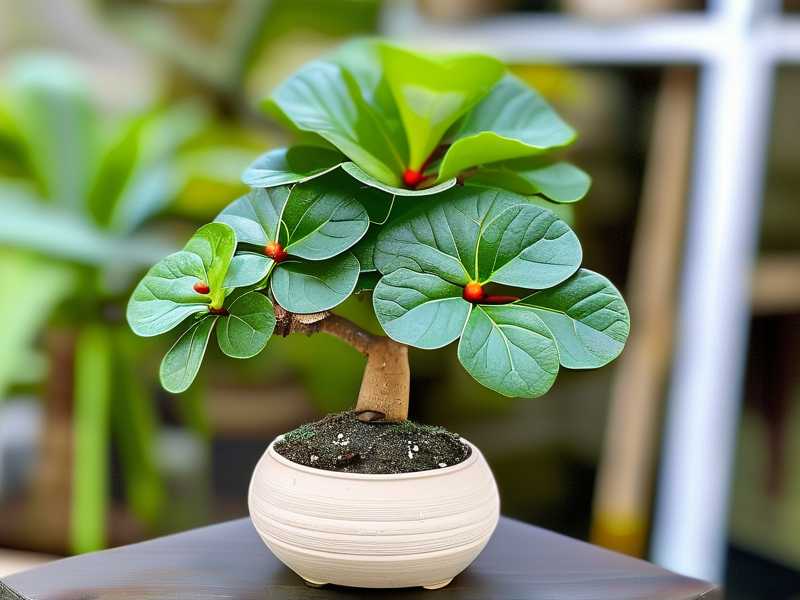
I hope my two-week battle saves you the frustration. Trust the process. Resist the urge to water too early. Your money tree will thank you with ridiculously shiny, green leaves.