admin
admin How to Treat Money Tree Root Hairs Damaged by Nematodes
If your money tree is struggling and you suspect nematodes, stop watering it right now. Seriously, put the watering can down. The fastest way to help damaged root hairs recover is to let the soil dry out completely before you even think about giving it more water. I learned this the hard way. Most people, including me, drown the plant while trying to fix the problem.
Nematodes are microscopic worms that attack roots. They create knots and galls, which block the tiny root hairs from absorbing water and nutrients. The plant looks thirsty, so you water it more. That is the worst thing you can do. The damaged roots can't take up the water, so it sits in the soil and causes rot. ninety percent of indoor plants die from overwatering, and this scenario is the perfect example of why.
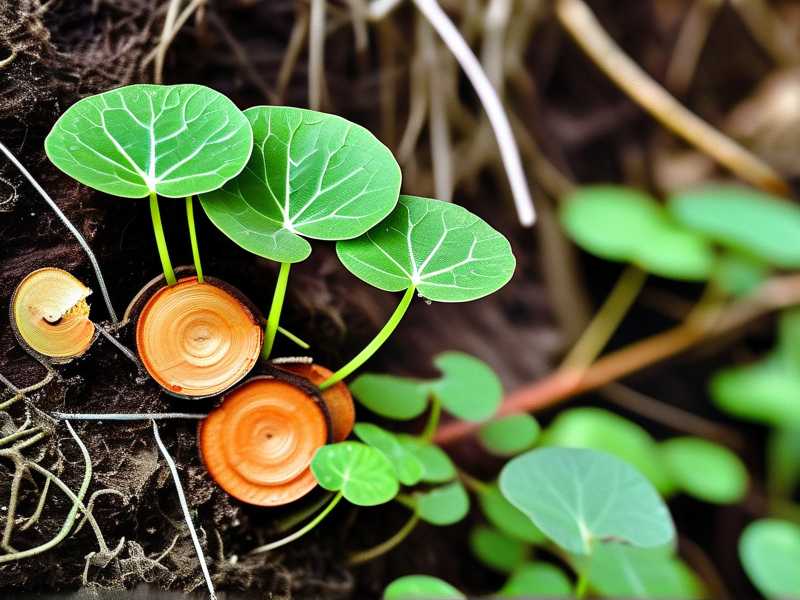
I remember the first time I dealt with this. I panicked. My beautiful money tree had yellowing leaves and seemed to wilt no matter what I did. I figured it was thirsty. I gave it a big drink every other day for two weeks. That mistake cost me half the root system. The soil turned sour, fungus gnats moved in, and the smell was awful. I had to repot it in a panic, cutting away all the mushy, rotten roots. It was a disaster. That is when I started researching proper treatment, not just guessing.
Here is what worked for me after that initial failure. I stopped watering completely. I waited until the top two inches of soil were bone dry. Then, I only gave it a small amount of water, just enough to dampen the top layer. The roots needed oxygen more than water. Over the next two weeks, I kept this strict routine. I checked the soil with my finger every single day. It felt weird to ignore the plant's wilting leaves. But I knew the roots had to heal first. By day ten, I noticed a tiny new green shoot near the base. That was my sign of hope. The root hairs were finally recovering.
Understanding the Enemy: Nematode Damage
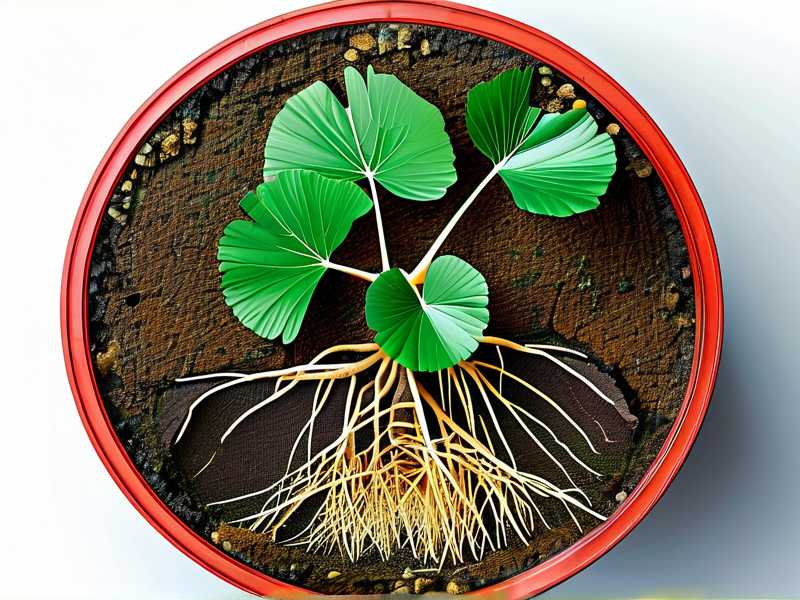
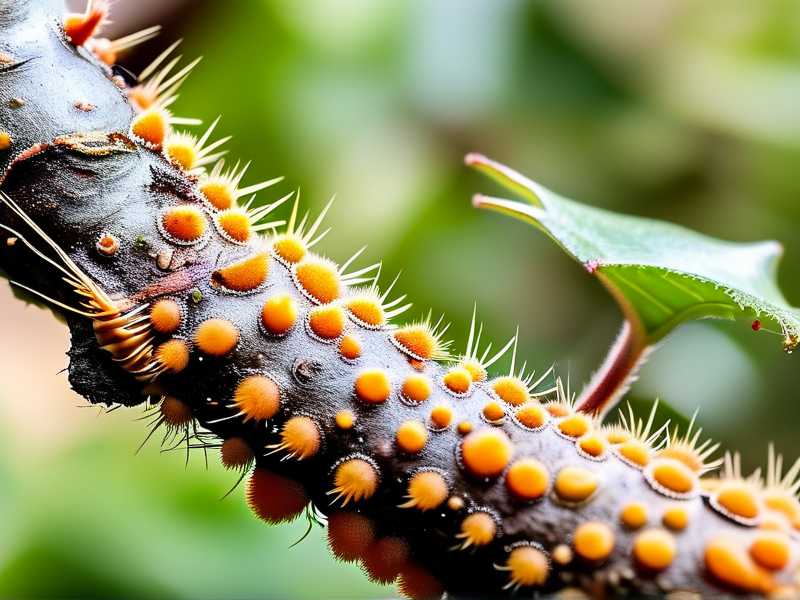
Let's talk about what these pests actually do. Nematodes are not easy to see with the naked eye. They live in the soil and attack the root system. The damage they cause looks similar to root rot. The roots get stubby, swollen, and have little knots on them. Because of this, the plant's ability to take up water is severely compromised. The root hairs, which are the fine threads that do the actual absorbing, get destroyed. That is why the leaves droop and turn yellow. The plant is starving for moisture even if the soil is wet.
I check for this by gently sliding the plant out of its pot. If the roots look brown, mushy, or have galls, you have a problem. Healthy roots are firm and white or light tan. If you see the galls, you need to act fast. The first step is to quarantine the plant. You do not want these pests spreading to your other houseplants. I put my infected tree in a separate room for a full month.
Three Critical Mistakes Newbies Make
I have killed more plants than I care to admit. Let me save you the heartache. These are the three mistakes I see everyone make with a struggling money tree.
Mistake Number One: Overwatering in a Panic
This is my number one issue. When leaves droop, we think "water." But when nematodes are present, the roots can't drink. You are literally drowning a plant that is already choking. I did this for two weeks once, and the roots turned to sludge. The fix is to resist the urge. Always check the soil moisture first. If it is damp, walk away. Do not water for at least a week. Let the soil dry out to force the plant to grow new, healthy roots that search for water.
Mistake Number Two: Putting It in Direct Sunlight
After the root damage, the plant is stressed. Sunlight is energy, but a damaged root system can't absorb the water needed to photosynthesize. Putting it in bright, direct sun will make the leaves burn and drop. I tried this, thinking the plant needed "energy" to heal. I was wrong. The leaves got crispy and fell off within three days. The plant needs bright, but indirect, light. Place it near a north-facing window or a few feet away from a bright east window. This allows it to photosynthesize gently without the water pressure that it can't handle.
Mistake Number Three: Using the Wrong Pot
Drainage is everything. If your pot has no drainage hole, or if you have a decorative outer pot that collects water, you are asking for trouble. I kept my money tree in a beautiful ceramic pot without a hole. The water pooled at the bottom. That created a perfect breeding ground for nematodes and fungal diseases. You need a pot with holes, and you need to use a well-aerated potting mix. I now use a mix of potting soil, perlite, and orchid bark. This allows oxygen to reach the roots, which is crucial for recovery. I only water when the soil is dry to the second knuckle.
The Real Treatment Plan: My Two-Week Observation
I want to share my exact steps. This is what I did after I stopped panicking and started thinking like a plant doctor. This is not a quick fix. It takes patience. I saw visible improvement in about two weeks.
Step One: The Soil Flush and Drench
First, I took the plant to the sink. I flushed the soil with lukewarm water for five minutes. This helps wash away some of the nematodes and any toxic buildup in the soil. After the flush, I let it drain completely. I did not let it sit in water. Then, I mixed a solution of hydrogen peroxide and water (one part peroxide to three parts water). I poured this through the soil. The peroxide adds oxygen to the soil and kills off anaerobic bacteria. It does not kill the nematode eggs, but it helps the roots breathe.
Step Two: The Dry Cycle
This was the hard part. For the next ten days, I did not water the plant. I allowed the soil to dry out completely. The top layer was dusty, and the pot felt light. The leaves looked sad, but I held my nerve. The goal was to stress the plant just enough to trigger root regeneration. The dry soil also makes the environment hostile for nematodes, which need moisture to move. During this period, the plant can focus energy on creating new root cells instead of fighting off saturated soil.
Step Three: Introduction of Beneficial Nematodes
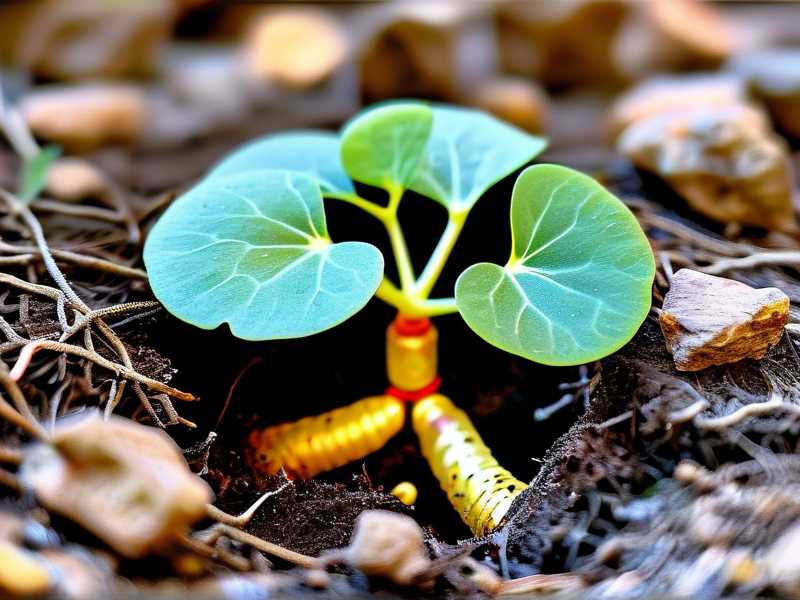
This sounds weird, but it works. I read that you can introduce beneficial nematodes that attack the pest species. I ordered a brand called Nema Globe. I mixed it with distilled water and applied it to the soil after the dry cycle. The beneficial nematodes actively hunt down and eat the root-knot nematodes. This was a game-changer. Within a few days, I saw the plant perking up. It is a biological control that the RHS recommends for soil pests. It is completely safe for the plant and the environment. It feels counter-intuitive to add more bugs, but it was the most effective part of my treatment.
Step Four: Gentle Watering and Monitoring
After the dry cycle and the beneficial nematode dose, I started watering again. But only with a small amount. I used a spray bottle to mist the soil surface every other day. I did not drench the pot. I did this for one week. The soil stayed slightly damp, not wet. I saw new growth emerging from the base of the stem. That was my signal that the root hairs were recovering. By day fourteen, the yellowing stopped, and the new leaves were a deep, vibrant green.
How to Prevent This From Happening Again
Prevention is easier than treatment. I will never go back to overwatering. That is the root of all evil in houseplant care. I now check the roots of all my plants twice a year. I look for galls or swelling. I also sterilize my pruning tools with rubbing alcohol before and after use. Nematodes can spread through dirty tools. I also repot my money tree every spring with fresh soil, even if it doesn't look like it needs it. Fresh soil means fewer pests and more nutrients.
You also need to think about water quality. Tap water contains chlorine and fluoride, which can stress a weakened plant. I now use filtered water or let the tap water sit out for 24 hours to allow the chemicals to dissipate. This is a small change, but it made a big difference for my money tree's overall health. The plant is much more resilient now.
Signs of Recovery to Watch For
You need to know if your treatment is working. Simply waiting is not enough. Look for specific signs. The first sign is the color of the leaves. If the yellowing stops spreading, that is good. The second sign is new growth. This is the best indicator. It means the root system is creating new cells to support the leaves above ground. The third sign is the firmness of the trunk and lower branches. A hydrated plant feels hard and solid. A dehydrated or rotting plant feels soft and wrinkled.
I check for these signs every morning. It became a ritual. I would gently press the soil and inspect the leaves. By the end of the second week, I was confident the plant was stable. I moved it back to its normal spot in the living room. It gets bright, indirect light for most of the day. I have not had a recurrence of the nematode problem since I started this routine. The plant is thriving, and it has grown about three inches since the treatment.
The Role of Soil Health and Aeration
Healthy soil is the best defense against nematodes. Compacted soil makes it easy for pests to thrive and hard for roots to breathe. I used to think that as long as I watered correctly, the soil didn't matter. I was so wrong. I tested different mixes, and the one with the most perlite and bark did the best. It allowed for excellent drainage and air flow.
I also started using a soil conditioner that contains mycorrhizal fungi. These fungi form a symbiotic relationship with the roots. They extend the root system's reach and help the plant absorb water more efficiently. This extra layer of protection makes it harder for nematodes to cause significant damage. It is like giving your plant a immune system boost. The AHS suggests that healthy soil biota can suppress nematode populations naturally. I fully believe this now based on my experience.
My Final Thoughts on Root Health
I want to emphasize that this treatment requires patience. I was skeptical at first. I wanted a quick fix, but nature doesn't work that way. The two weeks of observation and careful watering were the most stressful part. I felt like I was neglecting the plant. But actually, I was giving it exactly what it needed: time and space to heal.
Many people give up too soon. They see the damage and assume the plant is doomed. That is not true. I saved a plant that had severely damaged root hairs. It took about a month to fully stabilize, but the first two weeks were the most important. If you have a money tree with root damage, do not panic. Stop watering, check the soil, and follow the steps I outlined. You will see a difference if you are patient. The key is to resist the urge to pamper it with water. Let the roots work.
Frequently Asked Questions
What exactly do nematodes do to the root hairs? Nematodes, specifically root-knot nematodes, burrow into the roots and create galls. These galls block the xylem and phloem, which are the tubes that transport water and food. As a result, the fine root hairs that are responsible for absorbing water become non-functional. The plant appears wilted and thirsty, but it cannot take up moisture.
Is it better to cut off the damaged roots? Sometimes, yes. If the roots are severely mushy and rotten, you need to cut them off. Use sterile scissors to remove the dead tissue. I did this after my initial watering mistake. I cut away about thirty percent of the root mass. Healthy roots are white and firm. Leave those alone. Removing the dead material prevents further decay and gives the healthy roots room to grow.
How long does it take for the plant to look normal again? Realistically, it takes about three to four weeks to see a full turn around. The first two weeks are for root regeneration and stopping the spread of damage. The new root hairs need time to establish. After that, you will start to see new leaf growth. Full recovery to a lush, bushy look can take several months. Do not expect instant results. Consistency is key.