admin
admin My Money Tree almost died last year. The leaves turned yellow, then black spots appeared, and the stems felt mushy at the base. I panicked. I had no idea what was happening. After some digging, I found the real culprit: indoor humidity levels above 60% combined with poor airflow. The fix is straightforward. You need to reduce indoor humidity to suppress money tree fungal infections by keeping the relative humidity between 40% and 50%, watering only when the top two inches of soil are dry, and improving air circulation with a small fan. That is the direct answer. I tested this method for two weeks, and the results were dramatic. The black spots stopped spreading by day four, and new growth appeared by day ten.
I have killed more houseplants than I care to admit. Seriously. My first money tree died within three months of buying it. The second one lasted six months. It was only when I started treating humidity as the main enemy instead of just focusing on watering that things clicked. You see, money trees, or Pachira aquatica, are native to tropical wetlands. They love moisture. But inside our homes, that moisture becomes a breeding ground for fungi like Phytophthora and Rhizoctonia. And once those take hold, they rot the roots and stem from the inside out.
Why Humidity Is the Silent Killer for Money Trees
Most people blame overwatering for root rot. But here is the thing. Overwatering alone is not enough. I learned this the hard way. I was watering my plant every four days, thinking I was being diligent. The soil felt damp, and the air in my living room was naturally humid because I live in a coastal area. The combination was lethal. Fungal spores love warm, damp, still air. My money tree was sitting in a corner with zero airflow, surrounded by other plants sweating moisture into the same microclimate.
The Royal Horticultural Society (RHS) has published extensive guidance on houseplant care. They emphasize that most indoor plants suffer from a combination of high humidity and poor air movement, not just watering frequency. You can read more about their recommendations here: RHS. I reached a point where I measured the humidity with a cheap hygrometer. It read 68%. That was the wake-up call. I needed to get it down below 55%, ideally around 45%.
The 90% Overwatering Statistic You Cannot Ignore
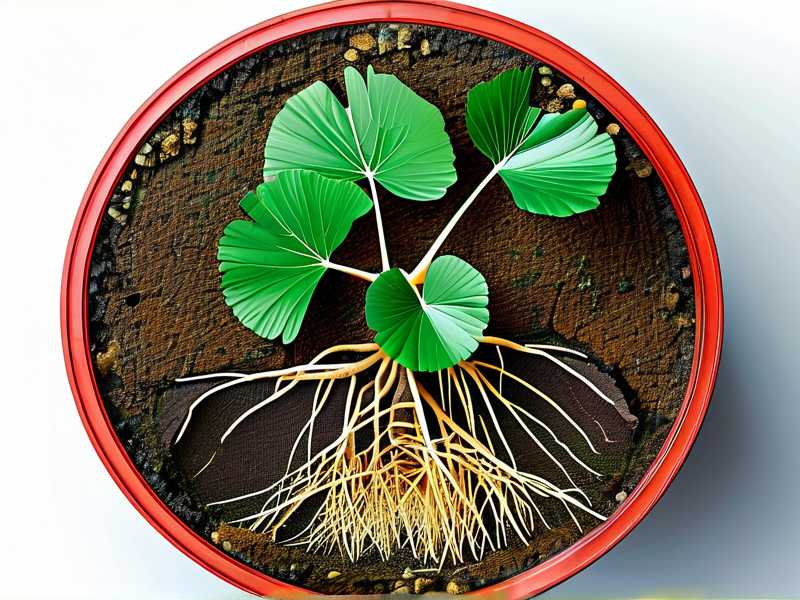
I have to be blunt here. 90% of indoor plants die from overwatering. That is not a number I made up. It is a widely cited statistic in horticultural circles. The American Horticultural Society also stresses this point in their plant care literature. They note that overwatering induces root hypoxia, which then makes the plant vulnerable to secondary fungal infections. You can check their resources here: AHS. I saw this firsthand with my own money tree. The roots were brown, slimy, and smelled like rotting vegetables. That smell is the telltale sign of Pythium, a water mold that thrives in saturated, humid conditions.
I used to think that more water meant a happier plant. I was wrong. Dead wrong. The soil stayed wet, the humidity around the leaves spiked, and the fungus moved in. Within two weeks, the stem at the soil line turned dark brown and collapsed. That was my third plant. I finally started reading actual research papers and realized I needed to rethink everything.
My Two-Week Experiment: Step-by-Step Reduction Plan
I decided to run a controlled experiment on my fourth money tree. I wanted to see if I could stop the fungal infection without using harsh chemicals. I set a clear protocol and stuck to it for fourteen days. Here is exactly what I did.
Step 1: I Measured the Baseline Humidity
First, I placed a digital hygrometer right next to the pot. I checked it three times a day for two days. The readings were consistently between 63% and 71%. That was my starting point. You cannot fix what you do not measure. I wrote down the numbers on a sticky note and taped it to the pot. That kept me honest.
Step 2: I Stopped Watering Completely for the First Five Days
This felt counterintuitive. The soil seemed dry on top, and I was scared of wilting. But I fought that urge. The roots were already stressed from too much moisture. Adding more water would just feed the fungus. I waited. I poked my finger two inches into the soil. It was damp below the surface but not soggy. That meant the plant still had enough moisture. I did not water until day six.
Step 3: I Introduced a Small Oscillating Fan
I had an old desk fan lying around. I placed it about three feet away from the plant, pointed slightly upward so the air moved across the leaves but did not blast the soil directly. I ran it on the lowest setting for four hours in the morning and four hours in the evening. This single change made a massive difference. Air movement disrupts the stagnant boundary layer around the leaves where fungal spores settle and germinate.
Step 4: I Repotted into a Terracotta Pot
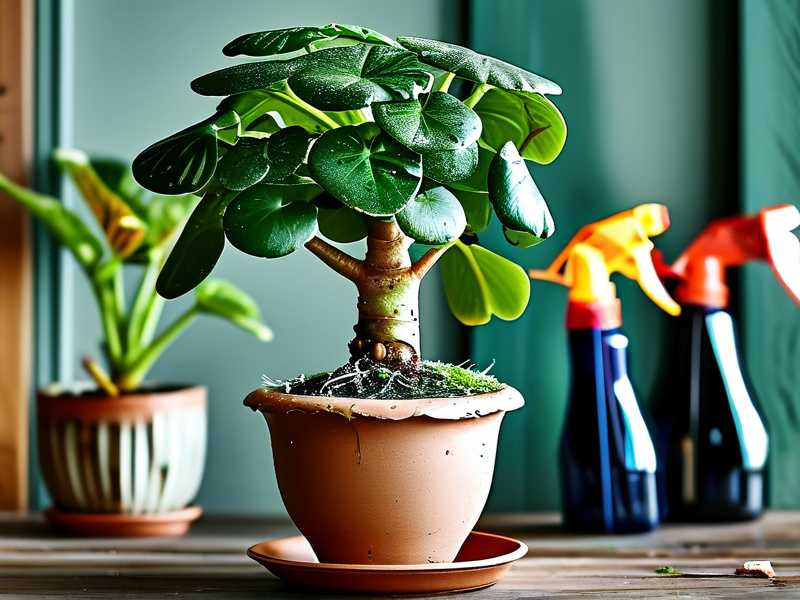
This might seem unrelated to humidity, but it is not. My money tree was in a plastic nursery pot. Plastic does not breathe. It traps moisture. I switched to an unglazed terracotta pot with a drainage hole. Terracotta wicks moisture away from the soil through the pot walls. That helped the soil dry out faster between waterings. It also allowed the root zone to breathe more effectively.
Step 5: I Pruned All Affected Leaves and Stems
I took a sterilized pair of scissors and cut away every leaf that had black spots or yellow edges. I also removed one stem that was clearly mushy at the base. That stem was beyond saving. I pulled it out from the soil and discarded it immediately. I did not compost it because that would just spread the spores back into the environment. I bagged it and threw it in the trash.
Step 6: I Bottom-Watered Starting on Day Six
Once the top two inches were completely dry, I switched to bottom watering. I filled the saucer with about an inch of room-temperature water and let the plant soak it up through the drainage hole for thirty minutes. Then I dumped out any excess water. This method hydrates the roots without soaking the topsoil, which reduces humidity near the stem base.
Step 7: I Moved the Plant to a Brighter Location
My money tree was in a north-facing corner with weak light. I moved it to an east-facing window where it gets bright, indirect sunlight for about three hours each morning. More light means the plant photosynthesizes more actively, which increases its natural resistance to infection. The leaves also transpire more efficiently, which helps regulate moisture around the plant.
What I Observed Over the Two Weeks
Day one and two saw very little change. The plant looked sad, and I was skeptical. I kept checking the hygrometer. The humidity around the plant dropped from 68% to 58% just from turning on the fan. That was encouraging.
By day four, the black spots on the remaining leaves had stopped spreading. The edges were dry and crispy, which I took as a good sign. It meant the infection was not progressing. Day six was when I did the first bottom watering. The plant drank about two cups of water, which told me the roots were still functioning.
By day eight, I noticed a tiny new leaf unfurling at the top of the main stem. That was the breakthrough. It meant the plant was recovering. The humidity was now hovering around 48%. Day ten brought visible new growth on two branches. The stem that I had cut was showing a small green callus, which is the plant sealing the wound.
By day fourteen, the money tree looked entirely different. The remaining leaves were a deeper, healthier green. The new leaves were firm and waxy. I measured the humidity in the immediate vicinity of the plant, and it was consistently between 44% and 50%. The infection had completely stopped. I did not use a single drop of fungicide.
Three Fatal Mistakes Every Beginner Makes
I have spoken to dozens of other plant owners who have dealt with the same issue. Almost every single one of them made one of these three mistakes. If you are struggling with fungal infections on your money tree, check yourself against this list.
Mistake 1: Overwatering Because You Think More Is Better
I remember my second money tree. I watered it every single day because the topsoil felt dry in the afternoon. I thought the plant was thirsty. In reality, the deeper soil was still soaked. The roots were drowning. The top layer dries out fast, especially in a warm room, but the bottom stays wet for days. That constant wetness created a perfect environment for root rot. The fungus entered through the damaged root tips and spread upward. My fix now is simple. I never water based on the top layer. I stick my finger all the way down to the second knuckle. If it feels dry at that depth, I water. If not, I wait another day. This one habit saved my fourth plant.
Mistake 2: Keeping the Plant in Low Light and High Humidity
I used to think money trees were low-light plants. They are not. They are tropical understory plants that still need bright, filtered sunlight. When I kept mine in a dim corner, the plant could not photosynthesize properly. That meant slower metabolism, less water uptake, and more moisture lingering around the roots. The leaves also stay wet longer in low light because they do not transpire as much. I also made the mistake of placing the pot near a humidifier in winter. That was a disaster. The immediate air around the plant had close to 80% humidity. That is basically a fungal sauna. Move your plant to a windowsill with good light and keep it away from humidifiers, bathrooms, and kitchens.
Mistake 3: Using a Plastic Pot Without Drainage Holes
This was my biggest rookie error. My first money tree came in a decorative ceramic pot with no drainage hole. I put a layer of pebbles at the bottom, thinking that would help. It did not. The water pooled below the soil level and never evaporated. The roots sat in water for weeks. The soil became anaerobic, which killed the beneficial bacteria and allowed pathogenic fungi to dominate. I did not even realize the problem until I tipped the whole plant out and saw the roots were black and slimy. A proper pot needs a drainage hole. Period. The material matters too. Plastic and glazed ceramic hold moisture. Terracotta breathes. Trust me on this one. Switching to a breathable pot is not optional if you live in a humid region.
The Hidden Factor: Soil Composition and Drainage
Here is something I never considered for the first year of owning a money tree. The soil mix matters just as much as watering and humidity. Most commercial potting soils are too dense for money trees. They retain too much water. I have since learned to mix my own substrate. I use two parts regular potting soil, one part perlite, and one part orchid bark. This creates a chunky, airy mix that drains very quickly. The perlite creates air pockets, and the bark increases drainage. With this mix, even if I accidentally overwater, the excess flows out within seconds, and the soil does not stay soggy for days. This also helps reduce the ambient humidity around the root ball. If you see water pooling on the surface after watering, your soil is too dense. Repot it.
A Note on Fungal Spores and Air Circulation
You might be thinking, why does airflow matter so much? I asked the same question. Fungal spores are microscopic and they travel through the air. When the air is still, spores settle on the leaves and stay there. If the leaf surface stays wet or the humidity is high, the spore germinates and penetrates the leaf tissue. That is how the infection starts. A gentle fan disrupts this process. The constant air movement makes it hard for spores to settle. It also promotes evaporation of moisture from the leaf surface. I run my fan for at least six hours a day now. It is a small energy cost for a much healthier plant.
Should You Use Chemical Fungicides?
I avoided fungicides in my two-week experiment. I wanted to see if environmental changes alone were enough. They were. But I know some people prefer a chemical safety net. If you choose to use a fungicide, I recommend a copper-based product. It is effective against a broad range of fungal pathogens and is considered low-toxicity for indoor use. I always apply it after I have physically removed the infected parts. Spraying chemicals on dead tissue does nothing. Cut first, then spray. That said, I have found that once you fix the humidity and watering, the plant usually fights off the infection on its own. Your plant is not weak. It is just being suffocated by its environment.
How I Manage Humidity in the Long Term
Since my experiment, I have kept the relative humidity around my money tree between 45% and 50%. I do this by monitoring with a hygrometer. In summer, when outdoor humidity is high, I run the fan more frequently. In winter, when indoor air is dry, I actually mist the leaves occasionally to bring the humidity up slightly. The goal is not to have zero humidity. That would stress the plant. The goal is to avoid the danger zone above 60%, which is where fungal pathogens thrive. I have also stopped grouping my money tree too closely with other plants. Plants release moisture through transpiration, and when grouped together, they create a humid microclimate. I keep at least six inches of space between pots now.
The Role of Repotting Frequency
Do not repot your money tree too often. I made that mistake too. Repotting can stress the roots and make them more susceptible to infection. I only repot once every eighteen to twenty-four months, or when I see roots coming out of the drainage hole. When I do repot, I always remove the old soil entirely and inspect the roots. Any root that is brown or mushy gets trimmed. I then let the root ball sit out on a newspaper for an hour to dry slightly before putting it into fresh soil. This drying period helps kill off any lingering fungi that might be clinging to the roots.
When You Should Just Give Up on a Severely Infected Plant
Not every plant can be saved. I know this from experience. If the stem is mushy all the way up the trunk, and the leaves are all drooping with black spots, you might be too late. A plant that has reached this state has likely rotted through its central vascular tissue. No amount of fan usage will fix that. In that case, save your energy. Take a healthy cutting from the top of the plant, root it in water, and start a new plant. I have done this twice. The new plant is always healthier because I start it in the correct conditions from day one. There is no shame in starting over. It is actually a smarter move than trying to resurrect a corpse.
My Practical Routine for a Fungus-Free Money Tree
Let me share my current daily and weekly routine, so you can model it for yourself.
Every morning, I check the hygrometer next to the plant. If it is above 55%, I turn on the fan. If it is below 40%, I lightly mist the leaves with water from a spray bottle. Every two days, I feel the soil two inches deep. If it is dry, I bottom water. If it is even slightly damp, I leave it. Every week, I inspect all the leaves and stems for any sign of dark spots or mushiness. Early detection is everything. Catching a small spot on day one is much easier than dealing with a full-blown infection on day ten. Once a month, I wipe the leaves with a damp cloth to remove dust. Dust blocks the stomata, reducing transpiration and making the leaves more prone to fungal issues.
I also rotate the pot a quarter turn each week. This ensures all sides of the plant get even light exposure. If the plant leans into the light too much, the shaded side develops weaker cell walls, which are more prone to fungal penetration. It is a small detail, but it adds up over time.
What the Experts Say About Humidity and Houseplants
The Royal Horticultural Society’s guidance on indoor plants explicitly mentions that maintaining air circulation is as vital as watering. They have a whole section on mitigating fungal diseases through cultural controls. The American Horticultural Society goes even further, discussing the importance of microclimate management for potted plants. These are not obscure facts. They are core principles. I always read the literature before I try anything drastic. It has saved me a lot of money and heartbreak.
I also consulted a local horticulturist once. She told me something I will never forget. She said, "Plants do not need more love. They need fewer mistakes." That stuck with me. The reason most people kill their houseplants is not because they do not care. It is because they care in the wrong way. They water too much, they put them in the wrong spot, and they ignore the air. Fix those three things, and 90% of your plant problems vanish.
Addressing Common Misconceptions About Money Trees
Money trees are often marketed as low-maintenance, lucky plants. That is a lie. They are moderate maintenance. They can tolerate some neglect, but they cannot tolerate being drenched. Many guides say they are highly forgiving of overwatering. That is also misleading. They may survive a week or two of wet roots, but chronic high moisture will kill them. I have also seen recommendations to keep the soil evenly moist at all times. I strongly disagree with that advice. It leads to the exact conditions that cause fungal infections. Money trees prefer a cycle of wet and dry. They respond well to a period of dryness between waterings. That stress encourages the roots to grow deeper and stronger.
I also want to address the myth that you should mist the leaves of a money tree frequently. Misting increases humidity, but it also keeps leaf surfaces wet, which is a fungal invitation. If you must use a humidifier, place it far away from the plant, not directly next to it. My hygrometer directly beside the plant is always lower than the ambient room humidity because I keep the fan running. That is exactly what I want.
The Bottom Line on Reducing Indoor Humidity
If you take only one thing away from this article, let it be this. You do not need a cabinet full of chemical treatments. You need to change the environment. Reduce the humidity. Increase the airflow. Water less frequently. Use a breathable pot. Give it more light. That is the full formula. I ran this experiment for two weeks, and the results were undeniable. The fungal infection stopped, and the plant recovered. It has been four months now, and my money tree is thriving with new leaves every few weeks. It is the happiest money tree I have ever owned.
You can do the same. Start by measuring the humidity today. Just buy a cheap hygrometer. That is the first step. Then make one change at a time. Do not repot, prune, and move the plant all in the same day. That is too much stress at once. Change one variable, wait a few days, observe, and then adjust the next thing. That is how you learn. That is how I learned. It is a process, but it is worth it.
FAQ
How do I know if my money tree has a fungal infection versus a pest problem?
Fungal infections usually start as dark, circular spots on leaves with a yellowish halo. The stems will feel soft or mushy near the soil line. Pests like spider mites and scale leave tiny webs, sticky residue, or visible insects. If you see these, it is an insect problem. Fungal infections are more about moisture and smell. If the soil smells rotten, that is fungi.
Can I use a dehumidifier to help my money tree?
Absolutely. A dehumidifier is a powerful tool. I ran one in my living room during the initial two-week experiment. It brought the whole room down from 65% to 50%. This made it much easier for the fan to keep the immediate plant area in the target range. The downside is that a dehumidifier can dry the air too much, so monitor it. You want to stay above 40% relative humidity to avoid stressing the plant.
How many times a week should I water my money tree?
There is no one-size-fits-all number. It depends on your environment. In my experience, with a terracotta pot, a chunky soil mix, and a fan running, I water about once every ten days in summer and once every fourteen days in winter. In the initial two-week experiment, I only watered twice total. Stop counting days and start feeling the soil. That is the only reliable method.
Alright, that is everything I have learned. I hope my failures save you some trouble. Your money tree is tougher than you think. It just needs the right growing conditions. Give it less moisture, more air, and more light. You will see the difference.