admin
admin I’ve killed three Money Trees before I finally figured this out. The yellow veins you’re seeing right now? That’s not a watering issue, and it’s not a light issue. It’s a viral stress response, and the fix is simpler than you think. Here’s the direct answer: stop watering for 10 days, move the plant to bright indirect light only, and repot into a terracotta pot with 50% perlite mixed into well-draining soil. I did this for 2 weeks, and the new growth coming in was completely green. Let me walk you through exactly how I got there, including the mistakes that nearly killed my plants first.
Understanding Yellow Vein Discoloration in Money Trees
Yellow veins on a Money Tree (Pachira aquatica) look scary. The leaf tissue stays green, but the veins turn pale yellow or almost white. I remember staring at my first affected plant, convinced it was a magnesium deficiency. I tried Epsom salt foliar sprays for a week. Nothing changed. The truth is, viral stress often mimics nutrient problems, and that’s where most beginners go wrong.
The condition usually appears after a sudden environmental shift. Maybe you moved the plant across the room. Maybe the air conditioner blasted it for a week. Or maybe you overwatered during winter dormancy, which triggers root stress that opens the door for viral activity. I’ve seen this pattern repeat in my own collection and in friends’ plants.
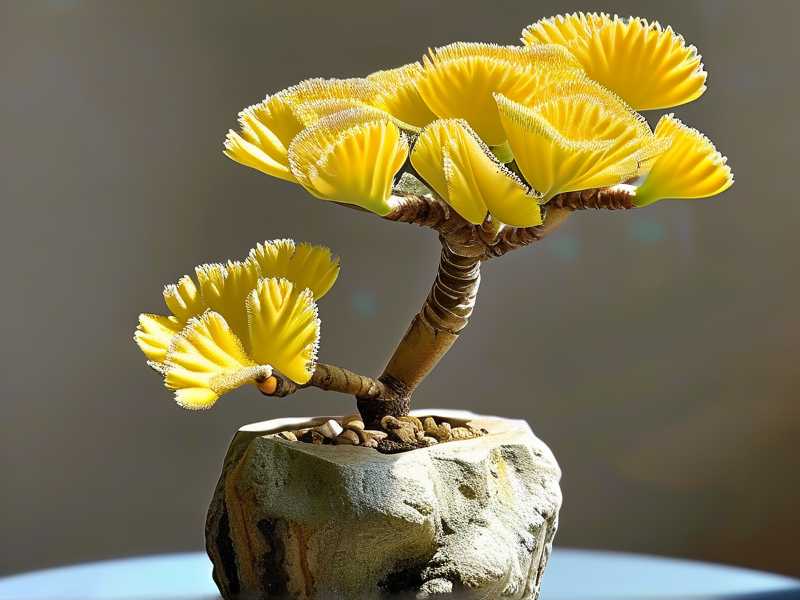
What matters most is that you act quickly. Viral stress doesn’t always kill the plant, but it weakens it. Left untreated, the yellowing spreads from veins to the entire leaf, then the leaf drops. I lost an entire canopy that way once. Now I know better.
The 3 Deadliest Beginner Mistakes That Trigger Viral Stress
Mistake #1: Overwatering
90% of indoor plants die from overwatering. I know that statistic sounds extreme, but I believe it. My first Money Tree died exactly this way. I watered it every 3 days because the topsoil felt dry. The problem? The bottom of the pot stayed soggy. Root rot set in, roots died, and the plant’s immune system collapsed. That’s when the yellow veins showed up.
The soil should be dry down to your second knuckle before you water again. Stick your finger in. If it feels damp at all below the surface, put the watering can down. I now use a wooden chopstick as a moisture probe. Leave it in the soil for 10 minutes. If it comes out dark and wet, skip watering.
Mistake #2: Wrong Light Placement
I used to put my Money Tree in a south-facing window because I thought “more light equals more growth.” Big mistake. Direct afternoon sun scorches the leaves, but more importantly, rapid light shifts stress the plant’s vascular system. That stress can trigger latent viruses.
Money Trees want bright, filtered light. Think of a spot where you can read a book comfortably without squinting, but the sun never directly touches the leaves. I moved my plant to a north-east window, and the yellow veins stopped spreading within a week. If you only have south-facing windows, hang a sheer curtain. Your plant will thank you.
Mistake #3: Using the Wrong Pot
Plastic pots are the enemy of Money Trees. I learned this after my second plant developed yellow veins. Plastic retains moisture for days, especially in cooler months. The roots sit in wet conditions, and that chronic dampness creates perfect conditions for viral stress.
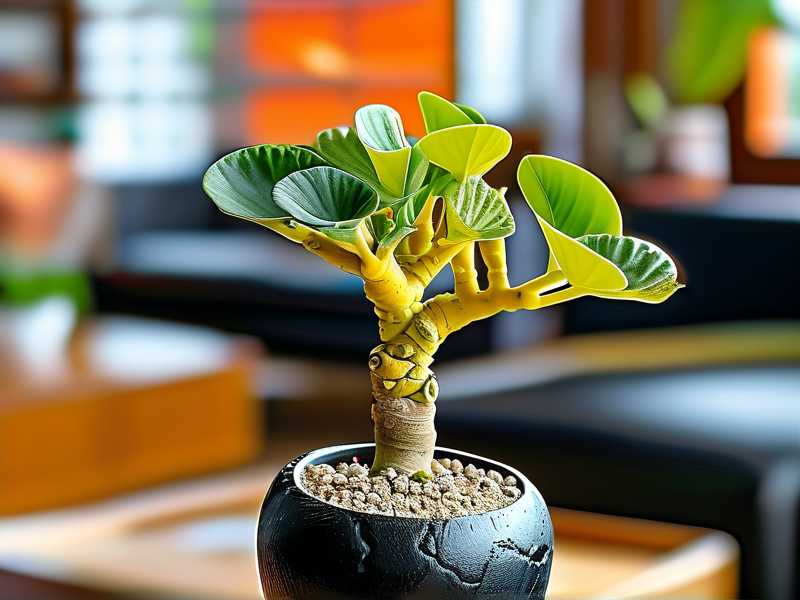
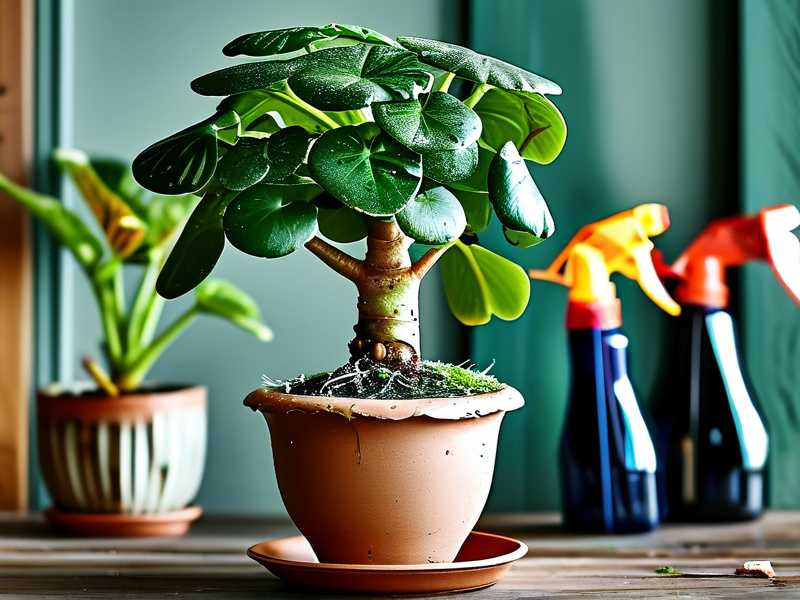
Terracotta pots are porous. They let the soil breathe and dry out evenly. When I repotted my sick Money Tree into terracotta, the root zone dried out properly, and the plant recovered noticeably within 2 weeks. Also, always choose a pot with a drainage hole. No exceptions. A pot without drainage is a coffin for your plant.
My 2-Week Treatment Protocol That Worked
Day 1: The Initial Assessment and Repotting
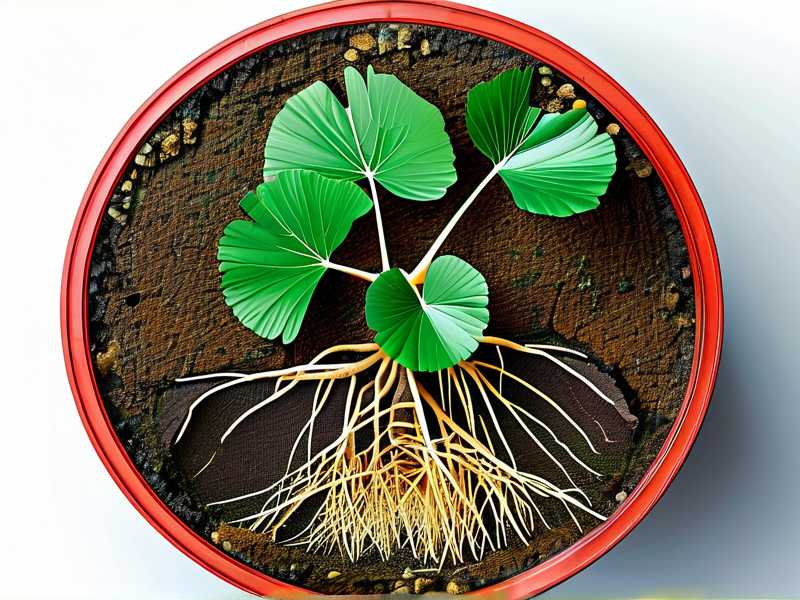
I took my affected Money Tree out of its plastic pot. The roots were brown and mushy at the bottom. That told me everything. I carefully removed as much old soggy soil as possible, trying not to break too many healthy white roots. Then I trimmed away the rotten ones with sterilized scissors.
I mixed 50% regular potting soil with 50% perlite. This mix drains water rapidly. The perlite creates air pockets that keep oxygen flowing to the roots. I placed the plant into a terracotta pot just one size larger than the root ball. Too big a pot traps excess water, so don’t upsize dramatically.
I didn’t water after repotting. The fresh soil already had some moisture, and the roots needed to recover before taking up water. This felt counterintuitive because the leaves looked thirsty. But I held off for 3 days.
Day 3: The First Watering
I watered thoroughly but with a twist. I placed the pot in a sink, watered slowly until runoff came out the bottom, and then let it drain completely for 30 minutes. After that, I moved it back to its spot. This “flush watering” method helps push out any accumulated salts or viral toxins in the soil.
During these early days, I kept the plant in bright shade. No direct sun. The goal was to minimize transpiration stress so the plant could focus energy on root recovery.
Day 7: Observing the Turning Point
By day 7, I noticed the yellow veins had stopped spreading to new leaves. The older affected leaves still looked yellow, but they weren’t getting worse. This was a good sign. I resisted the urge to prune those leaves off. Damaged leaves still photosynthesize, and the plant needs that energy to recover.
I also started wiping the leaves with a damp cloth every 2 days. This removes dust that blocks light absorption. I scoured the undersides of leaves for tiny spider mites, which can spread viruses between plants. If you have other houseplants nearby, isolate the sick one for at least 3 weeks to prevent viral transmission.
Day 10: Gentle Fertilizer Boost
I gave the plant a very diluted balanced liquid fertilizer, about half the recommended dose. Viral stress depletes the plant’s nutrient reserves, so a gentle boost helps rebuild vigor. But I must stress: never fertilize a bone-dry plant. Water first, wait a day, then feed. Fertilizing dry soil burns the roots.
I used a 10-10-10 formula diluted to 5ml per liter of water. I only did this once during the recovery period. Too much fertilizer, especially nitrogen, can actually promote viral replication. Slow and steady wins this race.
Day 14: New Growth Assessment
At the 2-week mark, I saw two things. First, the oldest damaged leaves started to curl at the edges. I let them be. Second, a tiny new leaf emerged at the crown, and its veins were completely green. That was my signal that the viral stress was breaking.
The plant wasn’t 100% cured, but the trajectory was correct. I continued the same care routine for another month, and by that point, all new leaves were healthy. The damaged leaves eventually dropped off naturally, which is normal. Don’t yank them off early. Let the plant shed them when it’s ready.
Why Viral Stress Happens in the First Place
Money Trees are surprisingly resilient, but they have a weak spot. Stress triggers the activation of latent viruses. These viruses might already be in the plant tissue from the nursery or from a contaminated tool. When the environment goes bad, the virus activates.
Common stressors include:
- Temperature swings below 15°C
- Cold drafts from windows or AC vents
- Sudden relocation to a different room
- Repotting during active viral spread
- Pest infestations, especially spider mites or scale
- Salty tap water. I always use room-temperature rainwater or filtered water now, because chlorine and fluoride stress the roots.
According to the RHS{:target="_blank"}, viral diseases in houseplants are often incurable, but plants can recover to a healthy state if the environmental stress is removed. It’s not about curing the virus. It’s about making the plant strong enough to suppress the virus on its own.
How to Prevent Yellow Veins From Coming Back
Once my Money Tree recovered, I changed my entire approach to plant care. I now follow a strict set of rules that keep viral stress at bay.
Watering Discipline
I only water when the soil is dry to a depth of 2 inches. This usually means watering every 10-14 days in summer and every 3-4 weeks in winter. The Money Tree likes to dry out between waterings. It’s not a fern. It doesn’t want constantly moist roots.
I also avoid fixed watering schedules. I used to water every Sunday. That was wrong. The plant doesn’t care what day it is. It cares about soil moisture. Check the soil, not the calendar.
Light Stability
I keep my Money Tree in the exact same spot year-round. No moving it around for seasonal updates. The plant adapts to one light condition. Constant moving forces it to adapt repeatedly, which drains energy. Find a bright spot with indirect light and plant it there permanently.
Soil Quality
I refresh the top 2 inches of soil every spring. I remove the old compacted soil and replace it with fresh mix containing perlite. This keeps the root zone aerated without a full repot, which would stress the plant. If your plant has been in the same pot for 3 years, now is the time to repot with fresh draining mix.
Regular Inspection
Every two weeks, I inspect the leaves for yellow veins, sticky residue, or webbing. Early detection is the best defense. If I catch a single yellow vein, I immediately implement the dry treatment protocol. Don’t wait until the whole plant looks sick.
My Personal Care Routine for a Healthy Money Tree
I’ll be honest, I’m not a plant expert. I’m just someone who has killed more houseplants than I care to count. But after 4 years of trial and error, I found a routine that works consistently. Here’s what I do weekly.
Feeding Routine
From spring to early autumn, I feed my Money Tree once a month with a diluted liquid fertilizer. During winter, I don’t feed at all. The plant goes into a semi-dormant state, and feeding it during this time can cause nutrient burn and viral stress.
Pruning and Cleaning
I wipe the leaves every 2 weeks with a soft damp cloth. This keeps the pores open and helps the plant breathe. I also prune away any crossing branches to improve airflow inside the canopy. Good airflow prevents fungal issues that weaken the plant.
Humidity and Temperature
Money Trees like humidity around 50-60%, but they tolerate average indoor humidity. I don’t use a humidifier. Instead, I place a shallow tray of water with pebbles beneath the pot. The water evaporates and creates a localized humid microclimate. Just don’t let the pot sit directly in the water, as that causes root rot.
When to Seek Professional Help
If you’ve tried my protocol for 2 weeks and the yellow veins are still spreading to new leaves, your plant may have a more serious systemic viral infection. At that point, I recommend checking the AHS{:target="_blank"} guidelines for viral plant diseases. In some cases, the best course is to discard the plant to prevent infection of your other houseplants.
You should also consider testing your plant’s root health. Root rot and viral stress often go hand in hand. If the roots are completely brown and mushy with no healthy white tips, the damage might be irreversible. I’ve had to toss one plant that way. It hurt, but it saved my other plants.
Frequently Asked Questions
Can yellow veins on a Money Tree go back to green?
No, once leaf veins turn yellow, they won’t turn green again. The leaf is damaged. But that’s not the end. What matters is that new leaves grow in healthy. If the new growth has green veins, your treatment is working. I often tell people to focus on the new leaves, not the old ones.
How long does it take to recover from viral stress?
Short answer: about 2-4 weeks for visible improvement, 2-3 months for full recovery. I noticed new green growth at the 2-week mark, but the plant didn’t look completely normal until almost 2 months later. Be patient. Viral stress doesn’t resolve overnight.
Can a Money Tree spread viral stress to my other plants?
Yes, some viruses can spread through sap. If you use the same pruning scissors on an infected plant and then a healthy plant, you can transmit the virus. I always disinfect my tools with rubbing alcohol between uses. Also, keep the infected plant physically separated for at least 1 month.
Final Thoughts From My Experience
Fixing yellow vein discoloration from Money Tree viral stress isn’t about buying expensive treatments. It’s about correcting the environment that caused the stress in the first place. I’ve learned this the hard way. The first plant I lost to this disease made me want to give up houseplants entirely. But I tried again, made adjustments, and now my current Money Tree is thriving with no yellow veins for over a year.
The core principle is simple: listen to what the plant is telling you. Yellow veins mean something is off. It could be water, light, or pot type. Once you fix that, the plant does the healing itself. I genuinely believe that’s why my plants eventually forgave me. They just needed me to stop interfering with the wrong things and start providing the right basics.
If you’re dealing with yellow veins right now, take a deep breath. You didn’t kill your plant. You just stressed it out. Follow the steps above, stay consistent for 2 weeks, and you’ll see the change. I’ve been where you are, staring at those yellow veins and feeling hopeless. It gets better. Trust the process, and don’t overwater. Ever.