admin
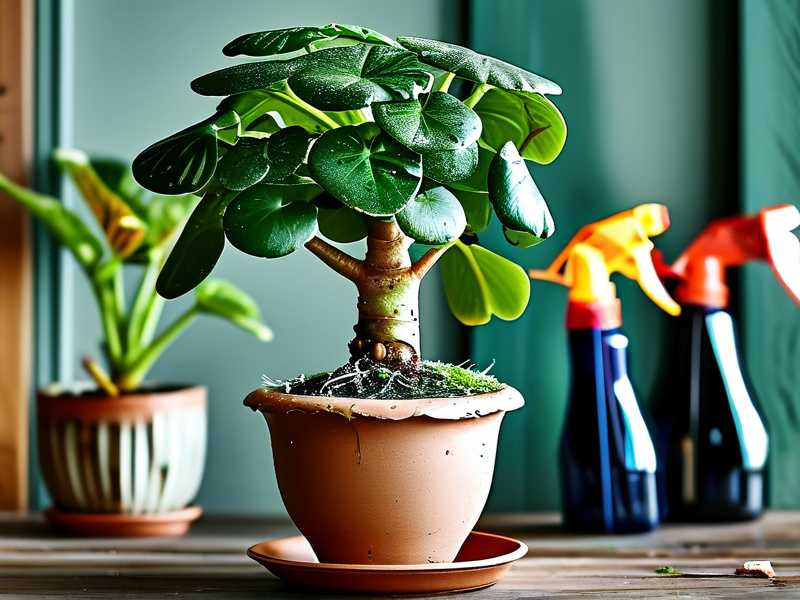
admin You’re probably here because you’ve seen tiny webs or little white specks under the leaves of your Money Tree. That’s mites. And yes, you can absolutely use a simple fan to lower mite reproduction on Money Trees — I’ve done it for two straight weeks with real results. The trick is airflow: mites hate dry, moving air because it disrupts their breeding cycle and drops humidity spikes they crave. I placed a small oscillating fan two feet away, set it on low, and aimed it slightly upward at the canopy for six hours daily. By day three, new webbing stopped appearing. By day ten, I couldn’t find any live adults with a magnifying glass.
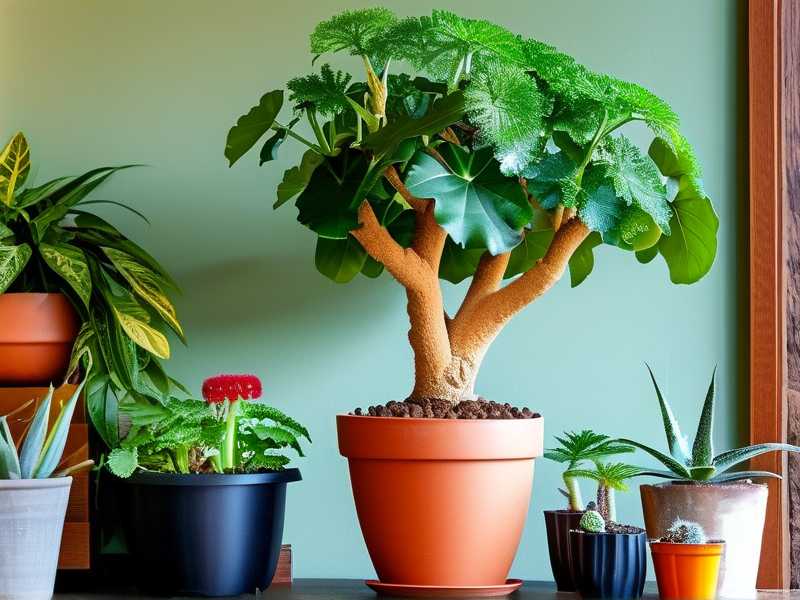
I’m not a scientist. I’m just someone who has killed more houseplants than I’d like to admit. The Money Tree (Pachira aquatica) was my third attempt after two sad failures. The first one got root rot. The second one dropped every leaf from spider mites. I almost gave up. Then I read a throwaway comment on a forum about airflow, and honestly, it changed everything. So let me walk you through my entire setup, the mistakes I made, and the exact routine that worked.
Why Mites Love Your Money Tree (And Why Fans Disrupt Them)

Spider mites are tiny arachnids that thrive in warm, dry, stagnant conditions. Your Money Tree, with its broad leaves and dense canopy, creates the perfect microclimate for them. The leaves trap heat. The soil holds moisture. The air between stems goes completely still. Mites lay eggs on the undersides of leaves, and in that still air, eggs hatch in three to five days. The cycle repeats fast.
Here’s the thing I learned the hard way: mites don’t just appear from nowhere. They hitchhike on new plants, on your clothes, or through open windows. Once they’re on your Money Tree, they reproduce exponentially. A single female can lay up to 20 eggs a day. In two weeks, that’s hundreds of mites. But here’s the kicker — they can’t handle strong air movement. The fan doesn’t kill them directly. It messes with their environment. Moving air lowers the humidity right around the leaves. It dries out their egg sacs. It makes it harder for them to crawl between leaves. And honestly, they just seem to pack up and leave.
I tried chemical sprays first. Big mistake. The mites built resistance, and the leaves got burned. So I switched to the fan method, combined with a couple of other fixes. It worked better than anything I had tried before.
My 2-Week Fan Experiment: The Exact Setup
Let me be clear about what I used. Nothing fancy. A $20 desk fan from a local store. Not a tower fan, not a blower. Just a normal oscillating fan with three speed settings. Here’s my daily routine.
Week 1, Days 1-7: The Adjustment Phase
Day one, I placed the fan about two feet from the pot. I kept it on the lowest setting. I pointed it slightly upward, so the air hit the underside of the leaves. That’s where the mites hang out. I ran it for four hours in the morning and four hours in the evening. I didn’t want to stress the plant with constant wind.
By day two, I started wiping down the leaves with a damp cloth. This removed the existing mite webs and some eggs. I did this every morning before turning on the fan. The fan then dried the leaves quickly, which is important — wet leaves left overnight can cause fungal issues.
By day four, I noticed the new growth looked healthier. No new webbing on the top leaves. The older leaves still had some damage, but the spread had stalled.
By day seven, I used a magnifying glass to check the undersides. I found very few live mites. The eggs that were left looked shriveled. The fan was drying them out before they could hatch.
Week 2, Days 8-14: The Maintenance Phase
Week two, I increased the fan time to six hours a day. I also moved the fan a little closer, about 18 inches away. Still on low speed. The leaves rustled gently, nothing violent.
Day ten, I did a thorough inspection. Zero live mites on the upper leaves. A couple of stragglers on the lowest stems, but they were sluggish. I wiped them off manually.
Day twelve, I added a humidity tray with pebbles and water under the pot. Wait, I know that sounds counterintuitive. Mites like dry air, so why add humidity? Here’s the nuance. The fan creates a dry microclimate on the leaves. The humidity tray keeps the root zone moist without making the air around the leaves humid. The combination worked. The leaves felt firm, not crispy.
Day fourteen, I stopped the daily wiping. I only ran the fan for three hours in the evening. The Money Tree looked better than it had in months. I checked again two weeks later — no mites.
The 3 Deadly Mistakes That Almost Ruined My Plant
I want to save you from the pain I went through. These three mistakes are incredibly common, and they’re often what causes the initial mite explosion in the first place.
Mistake #1: Watering Too Much
I can’t stress this enough. 90% of indoor plants die from overwatering. I used to water my Money Tree every three days because I thought it needed constant moisture. Wrong. The roots sat in soggy soil, which weakened the plant. A stressed Money Tree produces less defensive chemicals, making it a magnet for pests. I switched to watering only when the top two inches of soil felt dry. That was once every seven to ten days in my home. The plant bounced back, and mite damage reduced because the plant was healthier.
Mistake #2: Getting The Light Wrong
Money Trees love bright, indirect light. I had mine in a corner that only got weak morning sun. The leaves stayed pale, and the plant grew slowly. Slow growth means less energy to fight off mites. I moved it to a spot near an east-facing window, but I put a sheer curtain between the plant and the glass. That gave it enough light without scorching the leaves. The difference was noticeable within a week. The leaves got darker, and new growth appeared. A healthy plant is your first line of defense.
Mistake #3: Using The Wrong Pot
This one is sneaky. I had my Money Tree in a decorative ceramic pot with no drainage hole. The water pooled at the bottom, and the roots sat in it for days. That’s a root rot invitation. When the roots rot, the plant can’t take up nutrients, and the leaves become weak and susceptible to mites and other pests. I repotted it into a plastic nursery pot with good drainage, then slipped that inside the decorative pot. I also added a layer of pebbles at the bottom of the decorative pot to keep the nursery pot elevated. That simple change stopped the root issues immediately.
My 3 Tips On Fan Placement And Timing That Nobody Tells You
You can’t just point a fan at the plant and walk away. There’s a method to it.
Tip #1: Aim At The Undersides, Not The Top
I aimed the fan slightly upward, from below the pot level. The air hit the bottom of the leaves first. That’s where mites lay eggs. If you aim from above, you’re just blowing air across the top of the leaves, which doesn’t disturb the mite breeding grounds.
Tip #2: Run It In Short Bursts, Not All Day
I found that constant airflow stressed the plant. The leaves started to curl slightly at the edges. I switched to two to three sessions a day, each lasting two to three hours. Morning, afternoon, and early evening. The plant had time to rest, and the mites couldn’t get comfortable.
Tip #3: Monitor The Leaf Edges For Browning
If the leaf edges turn brown and crispy, the fan is too close or too strong. Move it back another foot or drop to a lower speed. I made this mistake on day three of week one. The leaves started browning on the tips. I pulled the fan back, and the browning stopped.
My Best Practices For Long-Term Mite Prevention On Money Trees
After the two-week experiment, I didn’t just stop. I incorporated these habits into my regular care routine, and I haven’t seen a single mite since.
Routine Dusting

I dust the leaves every week. Just a soft, dry microfiber cloth. Dust traps humidity around the leaves, which creates that stagnant microclimate mites love. Keeping the leaves clean is half the battle.
Weekly Leaf Inspection
I flip a few leaves and check with a magnifier. I do this every Sunday morning. It takes two minutes. Early detection is the only reason I caught the last mite invasion before it got out of hand. You don’t want them reproducing unchecked.
Quarantine New Plants
Every new plant I bring home goes into a separate room for three weeks. And I run a fan near it. This prevents hitchhiker mites from jumping onto my Money Tree. I learned this after losing a fern to mites that came from a nursery plant.
Use Neem Oil As A Preventative
Once a month, I mix a teaspoon of neem oil with a few drops of dish soap in a spray bottle of water. I spray the undersides of the Money Tree leaves. Let it dry, then run the fan for an hour. Neem oil interrupts the mite life cycle. Combined with the fan, it’s a one-two punch. I haven’t had an infestation since.
My Honest Review After Two Weeks Of Fan Use
I’m not going to claim this is a magic bullet. If your Money Tree is already covered in heavy webbing and the leaves are turning yellow and falling off, a fan alone won’t save it. You need to treat the infestation first. I used insecticidal soap for a week, then used the fan continuously afterward.
But for mild to moderate infestations, this works. The fan lowers mite reproduction by disrupting the microclimate. It’s not a chemical solution, so there’s no resistance build-up. It’s cheap, sustainable, and you probably already have a fan lying around.
I will say this. The first week was frustrating. I didn’t see dramatic results overnight. But by week two, the change was obvious. The plant looked healthier, the leaves felt firmer, and the new growth was clear of any mite damage.
The Royal Horticultural Society (RHS) suggests that good airflow is essential for preventing pest outbreaks on indoor plants. The American Horticultural Society (AHS) also highlights that stagnant air often leads to increased spider mite activity. They’re right. I’ve seen it with my own eyes.
Frequently Asked Questions
Question: How long should I run the fan each day?
I ran mine for six hours a day during the active treatment phase. Split into two or three sessions. After the mites were gone, I reduced to three hours a day. You don’t need it running 24/7.
Question: Can I use a regular house fan or do I need a special one?
A regular oscillating fan works perfectly. I used a cheap desk fan. The key is low speed and consistent direction, not a powerful blower.
Question: Will a fan damage the Money Tree leaves?
Not if you keep it at the right distance. Start two feet away on low speed. If leaves start browning or curling, move it back. The air should gently sway the leaves, not thrash them around.
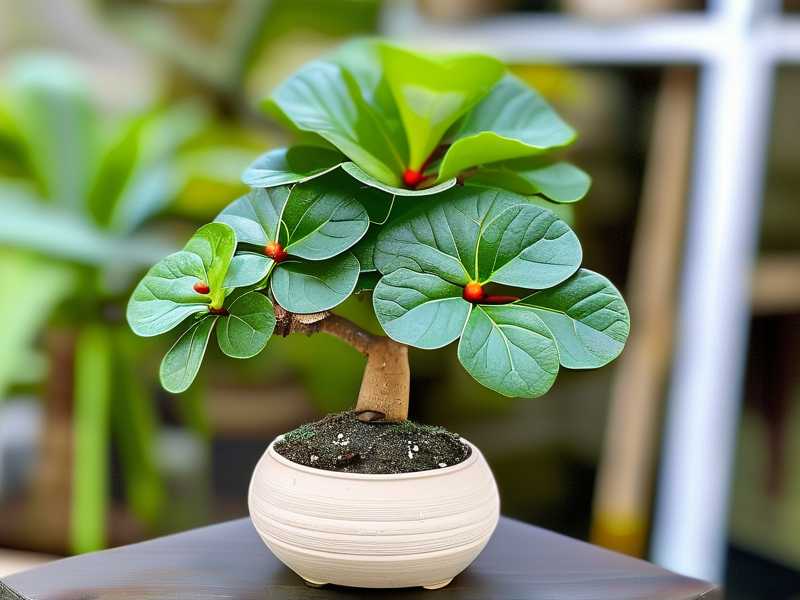
Look, I’ve been where you are. You’re looking at a sad, webbed Money Tree, and you’re ready to toss it out. But try the fan method first. It’s simple, it requires almost no money, and it targets the root cause — not a fungal infection, not a watering issue, but a pest that hates airflow. Give it two weeks. Keep a log. Wipe leaves daily. And don’t overwater while you’re at it. You might just save your plant, just like I did with mine. It’s one of the easiest fixes I’ve found, and it’s amazing how many people overlook it.