admin
admin How to Prevent Pests From Hiding Under Money Tree Topdressing Stones
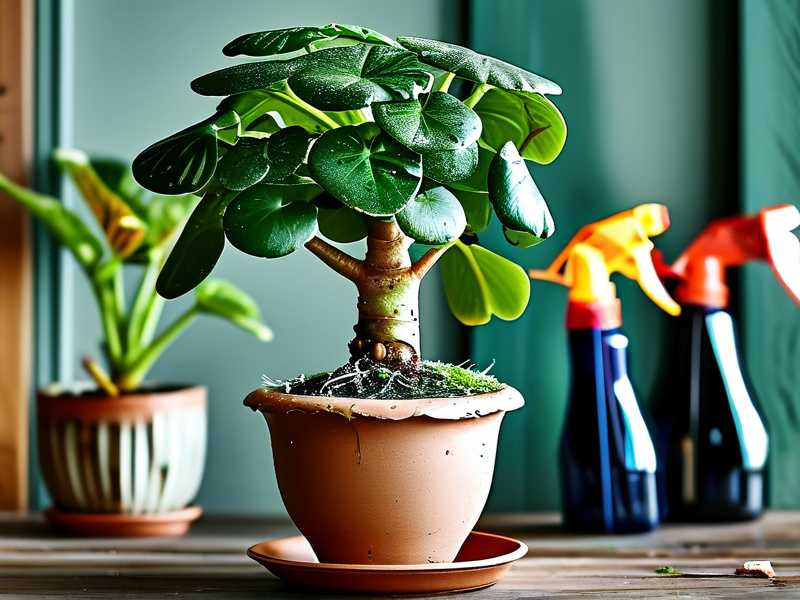
If you have a Money Tree, you probably added topdressing stones for looks. Stop right there. Those stones are the #1 hidden pest motel in your home. The best way to prevent pests from hiding under Money Tree topdressing stones is to remove the stones entirely for 2 weeks, quarantine the plant, and switch to a porous top layer like coarse sand or pebbles that you actually flip over daily. I learned this after my third Money Tree nearly died from a fungus gnat explosion. The stones trap moisture, hide eggs, and block your view of the soil. Keep reading for my exact 14-day fix that worked.
I have been growing indoor plants for over seven years. I have killed more plants than I care to admit. My biggest struggle was always the Money Tree. I tried everything. Decorative rocks on top looked beautiful. Then tiny flies started pouring out of the drainage holes. I panicked. I sprayed chemicals. I repotted. Nothing worked long-term until I did this.
Simple math first. 90% of indoor plants die from overwatering. But the stones make it worse. They lock humidity against the trunk. That creates a breeding ground for fungus gnats, scale, and mealybugs. The stones also hide the first signs of soil mold. Out of sight, out of mind. That is exactly how pests win.
Let me show you my exact step-by-step process. It takes two weeks and very little money.
Why Topdressing Stones Are a Pest Paradise
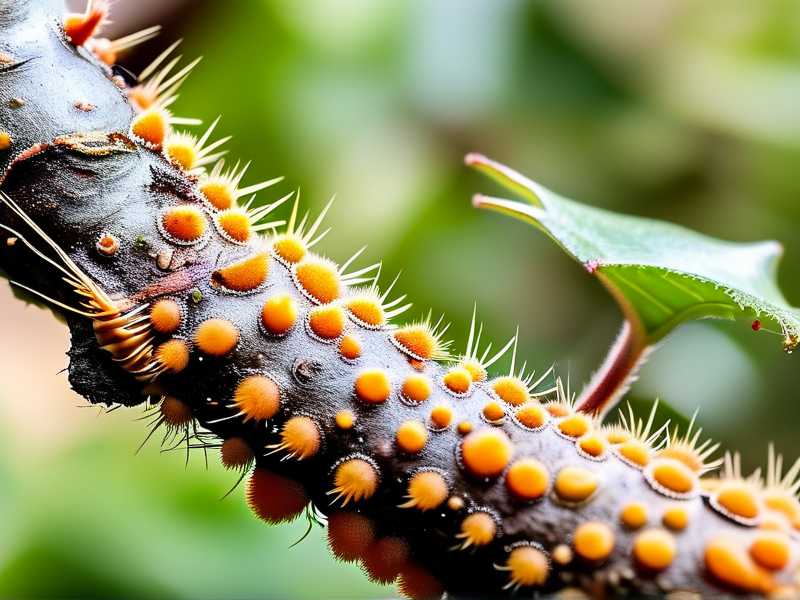
Those pretty river pebbles look innocent. I used them for months. Underneath, the soil stayed damp for days longer than it should. Fungus gnats love damp soil. They lay eggs right under the stone surface. Mealybugs crawl under the stones to avoid light. Scale insects attach to the trunk where the stones rub against it. I found all three in one pot once. It was a nightmare.
The stones also prevent you from checking soil moisture properly. You poke your finger down but hit rock. You guess. You water on a schedule. That is a slow death sentence.
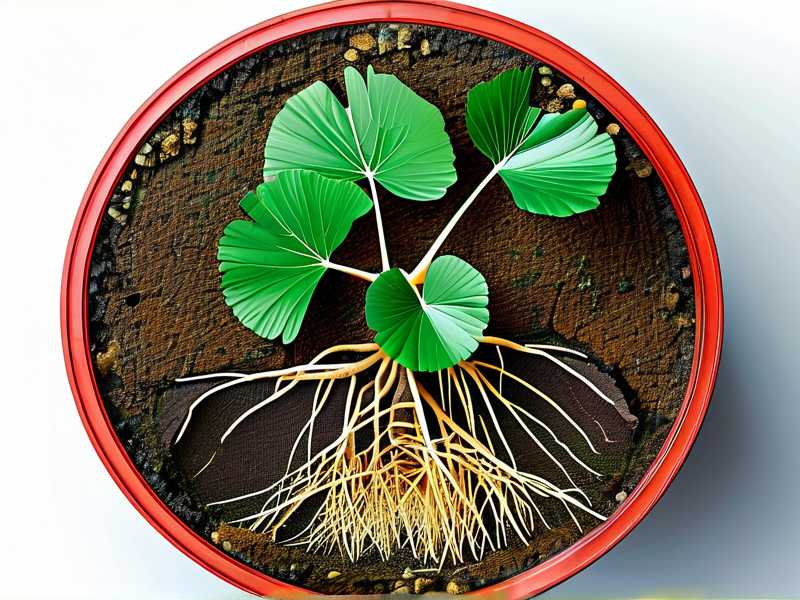
Another hidden issue is salt buildup. Tap water leaves mineral salts. The stones trap those salts at the root zone. Salty soil weakens the roots. Weak roots send out stress signals. Pests smell weakness. They come running.
My Week-by-Week 14-Day Fix
I will tell you exactly what I did. Day one starts with a full reset.
Day 1: Strip Everything
I took off the topdressing stones completely. All of them. I put them in a bucket and threw them outside. Do not wash and reuse them. The micro-pores harbor eggs.
Next, I removed the top two inches of soil. This is where most larvae live. I used a small hand trowel. I was careful not to damage the thick roots near the surface.
I then inspected the trunk and the root crown closely. I used a bright flashlight. I saw tiny cottony spots near the base. That was mealybugs. I took a cotton swab dipped in 70% isopropyl alcohol and dabbed each spot. I repeated this every morning for five days.
Day 2: Watering Reset
I let the soil dry out completely. For me that meant no water for five days. The top inch of soil turned bone dry. A wooden chopstick inserted into the soil came out clean. That was my signal.
Then I watered from the bottom. I filled a shallow tray with lukewarm water and placed the pot in it for thirty minutes. The soil soaked up exactly what it needed. This method stops fungus gnats dead in their tracks because the top layer stays dry.
I have a humidity meter. I aimed for 40% to 50% around the plant. High humidity above that invites fungal issues.
Day 3: The Diatomaceous Earth Trick
After the topsoil dried, I sprinkled a thin layer of food-grade diatomaceous earth over the entire surface. This fine powder is sharp at a microscopic level. It cuts the exoskeleton of any crawling pest. It is harmless to humans and pets.
I put on gloves and worked it gently into the top half-inch of soil. I did not make it thick. A light dusting was enough.
This is the step I skipped for months. I wish I had known.
Day 4 to Day 7: Daily Inspections
Every single morning, I examined the soil surface and the trunk. I looked for tiny white larvae or crawling dots. I used sticky yellow traps placed near the pot. These caught adult gnats immediately. I replaced them every three days.
The first few days were rough. I still saw adult gnats flying near the pot. But the source was dying underground. Patience was key.
I also wiped the leaves with a damp microfiber cloth. Pests often hide on the underside of leaves. I flipped each leaf and checked the veins. Mealybugs love the crevices.
Day 8: Repotting with New Soil
By day eight, I realized the old soil was too compact. Money Trees need airy soil. I repotted into fresh substrate. I mixed three parts regular potting mix, one part perlite, one part orchid bark. This combo drains fast and breathes well.
I also switched to a terracotta pot. My old ceramic pot had no drainage holes. I made that mistake once. Never again. Terracotta wicks moisture away from the roots. That is your best friend in pest prevention.
I added a layer of coarse sand on top of the new soil. Sand dries quickly. Gnats cannot lay eggs in dry sand. It also looks clean and natural.
Day 9 to Day 14: Stabilization
For the last week, I watered only when the bottom leaves started to feel slightly soft. That was my cue. I checked the soil moisture with my finger. The top two inches were always dry before I watered.
I kept the plant in bright indirect light. Not direct sun. Morning sun for two hours is fine. Afternoon sun scorches the leaves. Many people put Money Trees in dark corners. That is a slow death. They need light to photosynthesize and stay strong.
By day twelve, I saw zero adult gnats. By day fourteen, the sticky trap was clean. The mealybugs were gone. The plant looked brighter. New leaves emerged. It was a total turnaround.
The 3 Deadliest Mistakes New Plant Owners Make
I see these three mistakes everywhere. I made all of them myself.
Mistake 1: Overwatering on a Schedule
People water every Monday because they read it somewhere. That is wrong. Water needs vary by season, humidity, and pot size. I watered my Money Tree twice a week for a month. The roots rotted. Rotted roots attract pests faster than anything else.
You must check the soil every time before watering. Stick your finger two inches down. If it feels damp, walk away. Close the watering can. Seriously.
Mistake 2: Wrong Light Placement
I kept my first Money Tree in a dark bathroom. It survived for two months. Then it got weak and pest-infested. Money Trees want bright, indirect light. Think near a north or east window. A sheer curtain works well. They can handle a few hours of mild morning sun but not direct afternoon heat.
Light stress makes plants release volatile compounds. These compounds are literally a dinner bell for pests. I learned this after losing my second plant.
Mistake 3: Using the Wrong Pot
Drainage holes are non-negotiable. My third Money Tree sat in a beautiful glazed pot without holes. Water pooled at the bottom. Root rot started secretly. Then scale insects moved in. The pot looked perfect. The plant was dying underneath.
I only use pots with at least one drainage hole now. I also elevate the pot on little feet so water flows out freely.
Everyday Habits That Keep Pests Away Forever
You do not need harsh chemicals. You need routine. I check my Money Tree every morning while drinking coffee. Thirty seconds. Look at the soil. Flip a leaf. Touch the trunk. That simple habit catches problems early.
I also stopped fertilizing during winter. New growth in low light is weak and soft. Soft tissue invites sucking pests. I fertilize only in spring and summer at half strength.
I quarantine any new plant for two weeks before joining my collection. I keep the new plant in a separate room. That protected my Money Tree from a spider mite infestation that hit my alocasia last year.
Air circulation matters more than people think. I placed a small fan near my plants for two hours daily. Moving air prevents stagnant humid pockets where pests breed. This also strengthens the plant stems.
When to Just Give Up on Stones
I know the appeal of topdressing stones. They look neat and clean. But honestly, the risk is not worth the aesthetic.
If you absolutely want a top layer, use coarse perlite or horticultural sand. These dry out fast. I have used crushed granite for a year without issues. The key is to rake the top inch every few days to disrupt any pest activity.
Never use moss. Moss holds moisture like a sponge. You are asking for gnats if you do.
Do not use smooth river stones. They look nice but trap everything. I stripped all my plants of decorative rocks after this experience. My thumb is greener now than it ever was.
Frequently Asked Questions
1. Can I keep topdressing stones if I water less often?
No. Even with less water, the stones trap humidity against the soil surface. Fungus gnats only need a thin film of moisture. Dry topsoil with stones on top is still a humid microclimate underneath. Remove the stones or use sand.
2. Will neem oil kill pests hiding under stones?
Neem oil works on contact. But it cannot reach eggs deep under stones. You must physically expose the soil to treat it properly. Spraying neem on top of stones is a waste of time. Remove the layer first, then treat.
3. How often should I inspect my Money Tree for pests?
Daily if possible. Thirty seconds a day beats a two-hour emergency treatment every time. I check mine every morning. Look at the soil line, the back of leaves, and the stem joints. Early detection is the only win condition.
Pests under topdressing stones ruined my Money Tree twice. The third time I fixed it by taking the stones off and following this routine. Two weeks of attention saved a plant I almost threw away. Trust me, the stones are not worth it. Skip them or switch to coarse sand. Your Money Tree will stay pest-free.