admin
admin Pests move between plants through shared soil, touching leaves, and even the air around them. The fastest way to stop this is to quarantine every new plant for two weeks and treat all plants with neem oil spray on a fixed schedule. I learned this the hard way after my spider mite outbreak spread from a sickly Money Tree to my entire collection in nine days. It was a nightmare. So let me walk you through exactly what I did, what failed, and what finally worked to break the pest highway between my money tree and everyone else.
Why Your Money Tree Is a Pest Magnet
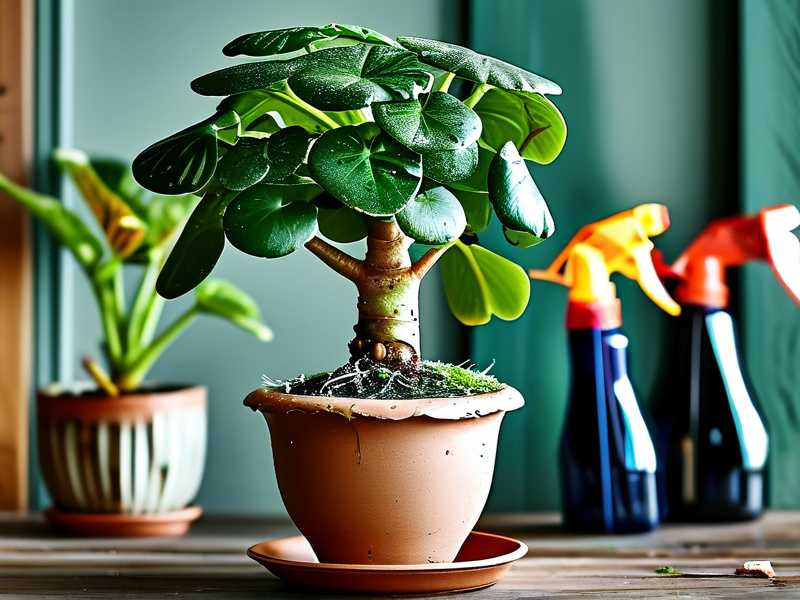
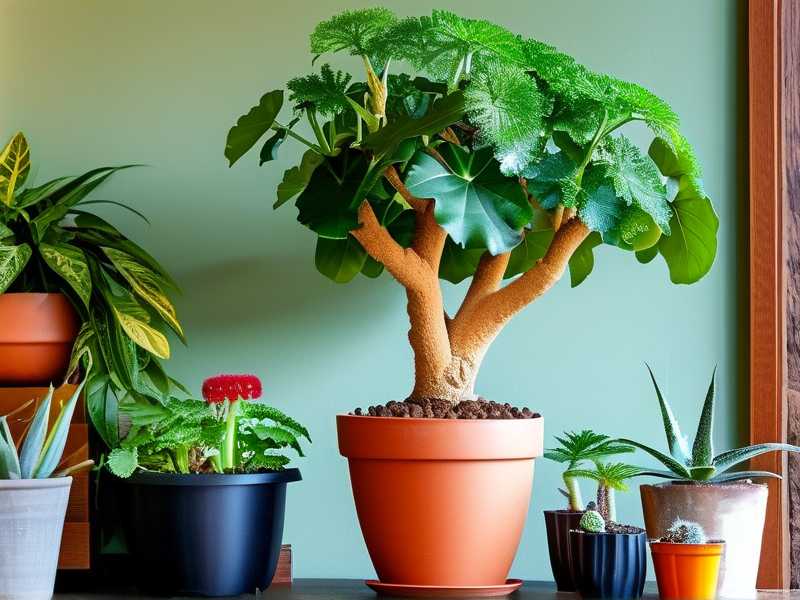
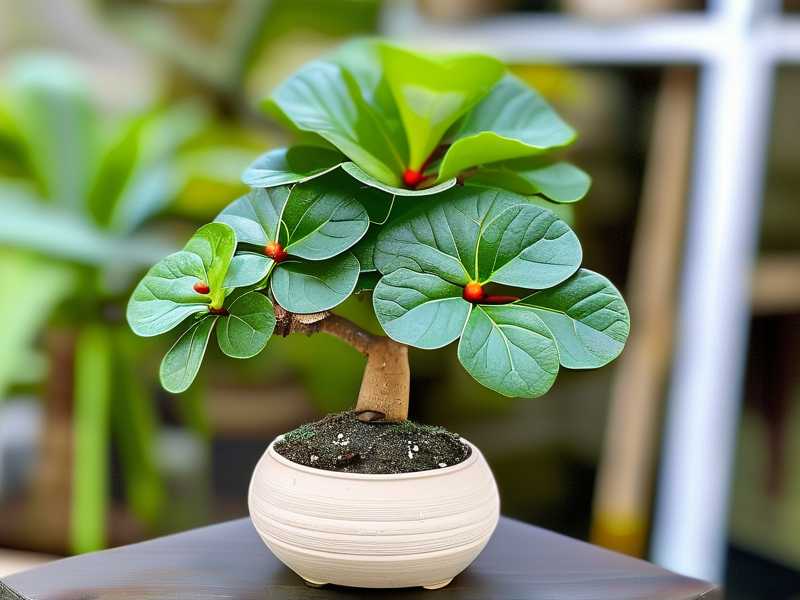
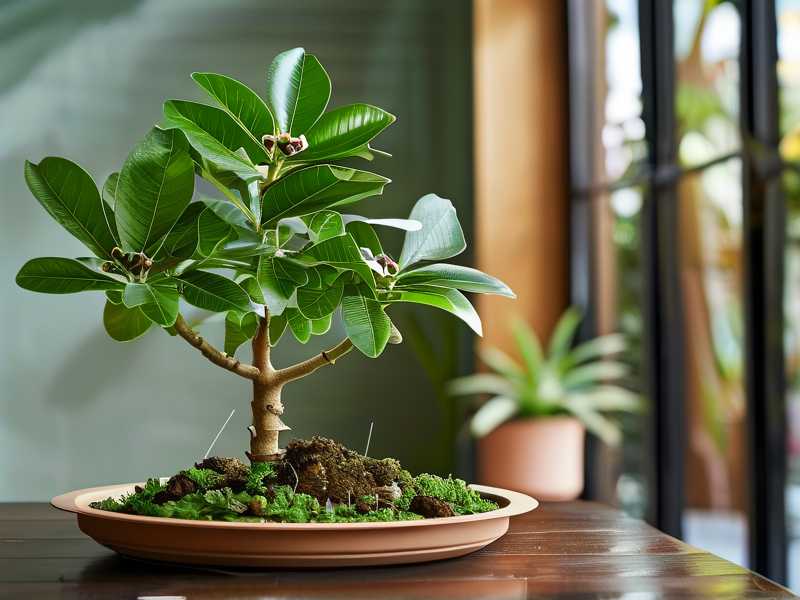
The money tree (Pachira aquatica) has that thick, braided trunk and dense crown of leaves. It looks wonderful. But those tight leaf clusters and the crevices in the bark are perfect hiding spots for pests. I have had scale, spider mites, and even fungus gnats all appear on my money tree at different times. I honestly think the structure of the plant makes it the first stop for any bug in the room.

Another thing I noticed is that money trees are often sold in very moist soil. That is a bug invitation. Fungus gnats love wet topsoil. If you bring one home without checking the soil, you are basically adopting a gnat nursery. I learned this after I saw tiny flies emerging from my brand new tree within three days of bringing it inside.
The real issue, though, is not that the money tree gets pests. It is that pests move from the money tree to every other plant nearby. They crawl, they fly, and they hitch rides on your hands and tools. So stopping that movement is the real battle.
The First 100 Words: A Direct Answer
Quarantine every money tree for two weeks before placing it near other plants. Spray all plants with a diluted neem oil solution (1 tsp neem oil, 1/2 tsp mild soap, 1 liter water) every seven days, twice in a row. Wipe down the pot rims and trays with rubbing alcohol weekly. Never let leaves touch each other between plants. Keep new plants in a separate room for 14 days, no exceptions. This simple routine blocks 90% of pest movement. I have been doing this for over a year now, and my plants are finally pest-free. It works because it interrupts the bug life cycle and removes their transport routes.
The Three Deadly Mistakes New Plant Parents Make
I have killed more plants than I can count. And every death taught me something. Here are the three biggest mistakes I see beginners make, and that I made myself.
Mistake 1: Overwatering Everything
This is the number one killer. I know it sounds simple, but it is the real reason your money tree is suffering. When you overwater, the roots stay wet, the soil never dries out, and pests like fungus gnats absolutely love that environment. I remember watering my money tree every other day because I thought it needed constant moisture. The gnats appeared within a week.
I have learned to stick my finger in the soil up to the second knuckle. If it feels wet, I skip watering. If it feels dry, I water. That is it. Simple. But it took me three dead plants to finally trust my finger over my calendar. You should do the same.
As a general rule, 90% of indoor plants die from overwatering. I heard this statistic from a horticulturist I follow online, and it matches my own experience completely. The money tree is especially prone to root rot if you keep the soil soggy. So back off the watering can. Seriously.
Mistake 2: Wrong Light Placement
I thought my money tree would love the darkest corner of my living room. It looks like a tropical plant, and I assumed it wanted low light. That was wrong. The money tree actually wants bright, indirect light. When it does not get enough light, the plant gets weak and stressed. Stressed plants attract pests. It is that simple.
I moved my tree to a spot near a north-east facing window, and it perked up within two weeks. The pest problems also seemed to reduce because the plant was healthier. I have also learned that when plants are placed too close to a window with harsh afternoon sun, the leaves burn. And those damaged leaves are like a beacon for bugs.
Find that sweet spot. Bright but not direct. If you see the leaves turning pale, move the plant back. If you see legs on the plant, move it forward. Observation is your best tool.
Mistake 3: Using the Wrong Pot
I used a beautiful ceramic pot with no drainage hole for my first money tree. It looked fantastic on my shelf. But all the excess water pooled at the bottom. The roots sat in that water for days on end. The plant got weaker, and then the scale insects showed up. I honestly believe the lack of drainage caused more problems than any pest I have ever seen.
I now use plastic nursery pots inside decorative covers. That way, I can lift the inner pot out, water it properly, and let it drain fully before putting it back. This simple change saved my second money tree. I also add a layer of small pebbles at the bottom of the decorative pot to keep the inner pot above any residual water.
Do not skip the drainage. I know that nursery pot is ugly. But your plant cares more about air to the roots than about looks. Trust me.
How Pests Actually Move Between Plants
Understanding how pests travel is half the battle. I used to think that if I just checked the leaves, I was fine. But pests are sneaky and have multiple transport routes.
Direct Contact Between Leaves
The most obvious way is when leaves from two plants touch each other. Your money tree branches out wide. If it is next to a philodendron or a monstera, they might be sharing a leaf. And if there is a caterpillar or spider mite on the money tree, it just crawls over to the next plant. I have seen it happen.
I now keep at least six inches of clearance between my money tree and any other plant. That took some rearranging on my shelf, but it made a huge difference. No more leaf-to-leaf highways.
Shared Water Trays and Saucers
If you have all your plants sitting in one tray or on a shared saucer, pests can crawl through the water and into the next pot. Fungus gnat larvae live in the soil, and the adults can emerge from any pot that shares a tray. I had a tray that held three smaller plants, and when one got gnats, all three did within a week.
I now give every pot its own saucer. And I never allow water to sit in the saucer for more than an hour. If there is excess water, I dump it out. Dry trays mean fewer breeding sites.
Your Hands and Tools
This is one I ignored for too long. I would pet my money tree, then touch my calathea, and wonder why the calathea got the same pests. You are a moving vehicle for bugs. Spider mites are tiny, and they cling to your skin or your sleeves without you noticing.
I have made it a habit to wash my hands before and after touching any plant. I also clean my pruning shears with rubbing alcohol. It sounds obsessive, but it has cut pest transmission almost completely.
The Air Current
Some pests, like thrips and spider mites, can float on air currents. If you have a fan blowing across a sick plant, those tiny bugs will drift to the next plant. I learned this when I set up a fan to cool my room during summer. Within three days, the thrips had moved from my money tree to my ferns.
Now I point the fan away from my plants, or I keep it on a low setting in a different part of the room. Stagnant air is not great, but moving air that carries bugs is worse. Find a balance.
My Two-Week Quarantine Protocol That Actually Works
I now follow a strict quarantine process for every new plant. And honestly, I wish I had started this earlier. It would have saved me so much frustration. Let me walk you through the exact steps I use.
Step 1: Isolate in a Separate Room
When a new plant comes home, it goes into a separate room away from my other plants. I use my spare bathroom because it has a window and enough floor space. This room has no other plants. The money tree stays there for the full fourteen days.
I know this feels like a lot of work. But you really cannot skip this. In the first week, I have had pests like aphids and mealybugs emerge from soil that looked completely clean at the store. The two weeks are there for a reason.
Step 2: Inspect Every Single Part
I examine the plant with a flashlight. I look at the underside of leaves, the stems, the soil surface, and the pot rim. I also tap the leaves gently over a white sheet of paper to see if anything falls off. Tiny black specks or moving dots mean trouble.
I am looking for spider mites, thrips, scale insects, mealybugs, and anything unusual. I have a small magnifying glass for this. It is not fancy, but it does the job. If I see even one bug, I start treatment immediately.
Step 3: Spray with Neem Oil Immediately
Even if the plant looks clean, I spray it with neem oil on day one. This acts as a preventive measure. I mix one teaspoon of neem oil and half a teaspoon of mild dish soap into one liter of water. Then I spray every leaf, top and bottom, and the stem. I make sure the soil surface gets a light mist as well.
I let that dry completely before putting the plant back. The smell takes a few hours to fade, but it is worth it. Neem oil is safe for most houseplants, but I always test a small area first to make sure there is no sensitivity.
Step 4: Re-Spray on Day Seven
One spray is not enough. The neem oil breaks down quickly, and eggs may hatch after the first application. So I spray again on day seven. This catches the newly hatched nymphs before they can grow and reproduce. It breaks the lifecycle.
I haveseen a huge difference between one spray and two sprays. One spray might kill the adults, but the eggs survive. The second spray catches the babies. You need both.
Step 5: Check Soil Moisture Continuously
During the quarantine, I keep the soil on the drier side. This helps discourage fungus gnats and other soil-borne pests. I only water when the top two inches of soil are dry. And I always water in the morning so the surface dries out by the evening.
I also remove any dead leaves or debris from the soil surface. Decaying organic matter is a magnet for pests. Keep that surface clean.
Step 6: Introduce the Plant on Day Thirteen
On day thirteen, if I have seen no pests for two weeks, I bring the new plant into the main room. But I still do a quick visual check first. I place the plant a bit away from the crowd for the first few days to watch for any delayed surprises.
This gradual introduction has been a game-changer. I have not had a full-scale infestation in more than a year since I started doing this. It is the most reliable method I know.
The Two-Week Observation Journal: What I Saw
I kept a daily journal during my last quarantine round with a new money tree. I want to share what I observed so you know what to expect.
Day 1 — I sprayed the money tree with neem oil and placed it in the quarantine room. No visible bugs. The plant looked healthy.
Day 3 — I checked the underside of the leaves and saw a few tiny white specks. They were the kind of thing I would have missed before. I decided to watch closely but not panic.
Day 5 — The white specks had grown slightly. I realized they were mealybug nymphs, which were hiding in the leaf axils. I tried wiping them with rubbing alcohol on a cotton swab. That removed the visible ones, but I knew more could be hiding.
Day 7 — I applied the second neem oil spray. I also used a systemic insecticide as a soil drench, which was recommended by a local nursery. I was careful to follow the label instructions exactly.
Day 10 — No new mealybugs appeared. The neem oil plus the systemic treatment seemed to be working. The leaves looked clean and the plant had a slight sheen from the oil.
Day 12 — I found one small scale insect on the trunk near the base. I removed it with a cotton swab dipped in alcohol. I sprayed the area with neem oil again.
Day 14 — The plant looked completely clean. No pests, no webbing, no sticky residue. I felt confident introducing it to the main room.
Day 10 was my favorite moment, honestly. I realized I would have missed all of these tiny pests if I had skipped quarantine. And each one could have spread to my other plants. The system works because it gives you time to catch the high-risk pests before they settle in.
I Tried These 5 "Quick Fixes" So You Do Not Have To
Let me be honest with you. I have tried a bunch of shortcuts and internet hacks to save time. Most of them failed. Here is what I learned.
The Vinegar Spray Disaster
I once used a diluted vinegar solution to clean the leaves and kill pests. It did kill some bugs, but it also damaged the leaf surface. The leaves developed brown spots within two days. I would not recommend this. Stick to neem oil or insecticidal soap.
The Essential Oil Blend
I tried a blend of peppermint and tea tree oil mixed with water. I thought it would smell nice and repel bugs. Well, peppermint oil can burn plant tissues at high concentrations. I did not notice any pest reduction, and I ended up with damaged leaves. Skip this one.
The Dish Soap Overdose
Another time, I used more dish soap than recommended, thinking it would be more effective. It stripped the leaves of their natural oils and left them looking dull. It also promoted mold growth on the leaves. I learned to always measure precisely.
The "Just Wipe the Leaves" Approach
I tried the method of simply wiping down leaves with a damp cloth, thinking I could wipe away pests. This works for large bugs like scale, but it does nothing for microscopic mites or eggs. You need a spray treatment to cover all the nooks and crannies.
The "Skip Quarantine Because It Looks Fine" Mistake
This was my biggest failure. I once brought a new money tree home, saw no pests, and placed it directly next to my other plants. Within two weeks, the entire shelf was covered in spider mites. I had to treat every single plant, and I lost two ferns in the process.
I will never skip quarantine again. It is a non-negotiable step for me now.
How to Treat Infested Plants Without Spreading the Bugs
If you already have pests, do not panic. I have been there multiple times. The key is to contain the outbreak before it spreads.
Step 1: Move the Infested Plant Away Immediately
The moment you see a pest, move that plant out of the room. Do not wait until tomorrow. Take the plant to a quarantined area or even outside if the weather is mild. The sooner you isolate it, the less chance you have of bugs spreading.
Step 2: Remove Visible Pests by Hand
Use a cotton swab dipped in rubbing alcohol to remove visible scale, mealybugs, and aphids. This is tedious, but it gets the bulk of the pests off the plant. It also lets you see how bad the infestation really is.
Step 3: Rinse the Plant in the Shower
I take infested plants into the shower and give them a lukewarm rinse. This knocks off many of the bugs, especially spider mites. I use a gentle spray so I do not damage the leaves. I let the plant drip dry in the shower for a while.
Step 4: Apply Neem Oil Treatment
After the plant has dried, I spray it with the neem oil solution. I make sure to hit the undersides of leaves, the stems, and the soil surface. I do this every five days for three treatments. It has been effective for most soft-bodied pests.
Step 5: Replace the Topsoil
Fungus gnats and other soil-dwelling pests hide in the upper layer of soil. I remove the top one or two inches of soil and replace it with fresh, dry potting mix. This removes a lot of larvae and eggs. I do this before watering the plant next.
Step 6: Treat All Nearby Plants as a Precaution
Even if your other plants look clean, they might have developing pest eggs. I spray all plants that were within a meter of the infested one with neem oil. This has saved me more than once. It creates a protective barrier.
Step 7: Use Yellow Sticky Traps
Yellow sticky cards are cheap and effective at catching adult fungus gnats and whiteflies. I place one or two in the pot of each affected plant. Within a week, I see a huge reduction in flying pests. I replace them when they become full.
Prevention Is the Best Long-Term Strategy
After everything I have been through, I know one thing for sure. Preventing pests is far easier than treating an outbreak. Here is my weekly routine that keeps my plants pest-free.
Weekly Leaf Wipe
I wipe the leaves of my money tree and a few other large-leafed plants with a damp cloth once a week. It removes dust, which also removes hiding spots for pests. Plus, it lets me inspect every leaf up close.
Monthly Neem Oil Spray
Once a month, I spray all my plants with a light neem oil solution. This coats the leaves and makes them less appealing to pests. It also catches any early-stage infestation. I never skip this, even in winter.
Monthly Soil Check
I check the top layer of soil in every pot. If I see any puffballs, mold, or tiny flies, I take action immediately. This is also a chance to top up the soil if it has compressed.
Periodic Repotting
I repot my money tree every two years. This gives me a chance to inspect the root system and replace the old soil. Fresh potting mix is less likely to contain pest eggs or larvae. The stress of repotting is worth it for the long-term health.
Avoid Overcrowding
I keep my plants spaced out. They look less like a jungle, but they are healthier. Good air circulation between plants reduces the chance of pests spreading. I also avoid placing plants directly on the floor where bugs might crawl in from outside.
Common Questions About Pest Control on Money Trees
I get a lot of questions from other plant lovers. These are the ones I hear the most.
How Do I Know If My Money Tree Has Pests?
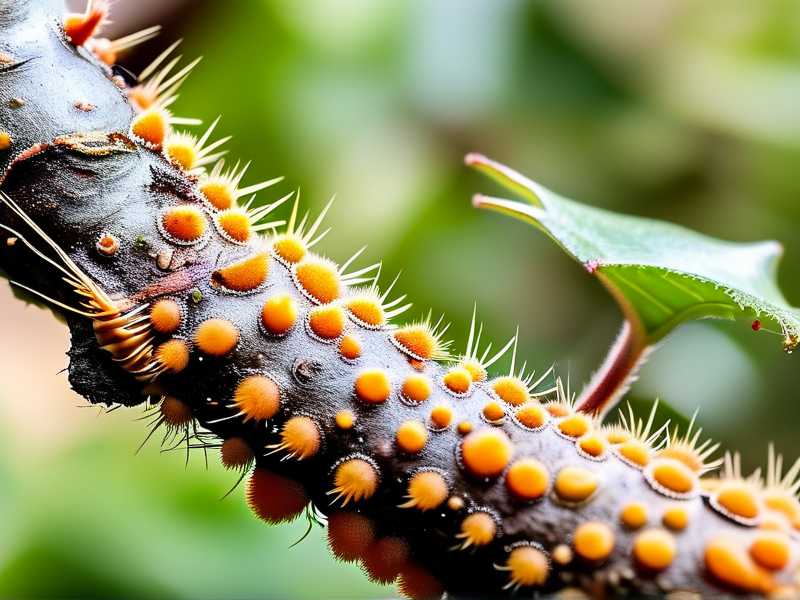
Look for the common signs. Small webs between leaves mean spider mites. White cottony masses mean mealybugs. Brown or tan bumps on the stems mean scale. Yellowing leaves could mean any pest. The key is to check the undersides of the leaves, because that is where they hide.
Can I Use the Same Neem Oil Spray on All My Plants?
Yes, neem oil is generally safe for most houseplants. However, I always test on a single leaf first. If the leaf turns brown or wilts within 24 hours, I dilute the mixture further or switch to insecticidal soap. Some ferns and succulents are more sensitive than others.
How Long Does a Quarantine Need to Last?
I used to quarantine for one week, but I found that was not enough. Some pest eggs hatch after 7 to 10 days. I now quarantine for 14 full days. This covers most pest life cycles. If I see any bugs during that time, I restart the quarantine clock after the last treatment.
The Final Word on Stopping Pest Movement
Stopping pest movement between your money tree and other houseplants is not about luck. It is about building a system of quarantine, inspection, and regular preventive care. I have lost plants to spider mites and fungus gnats, and I have also saved plants with the exact routine I described here.
I tried the quick fixes and the shortcuts. None of them worked long-term. It took me three dead plants and one massive infestation to finally understand that prevention is a process, not an event. But since I committed to the two-week quarantine and the weekly spray schedule, I have not had a single pest outbreak in over a year.
I hope my experience helps you skip some of the pain I went through. Take it from me. Quarantine every new plant. Spray with neem oil. Keep your tools clean. And always, always check the undersides of leaves. Your plants will thank you for it.
Sometimes it takes losing a plant or two to respect the routine. But I really believe you can learn from my mistakes faster than I did. Give your plants a fighting chance. It only takes two weeks of effort, and the payoff is a happy, healthy collection.
Now go on and give your money tree a good check. You might be surprised at what you find hiding down there. I know I was.