admin
admin The Silent Killer in Your Money Tree Pot
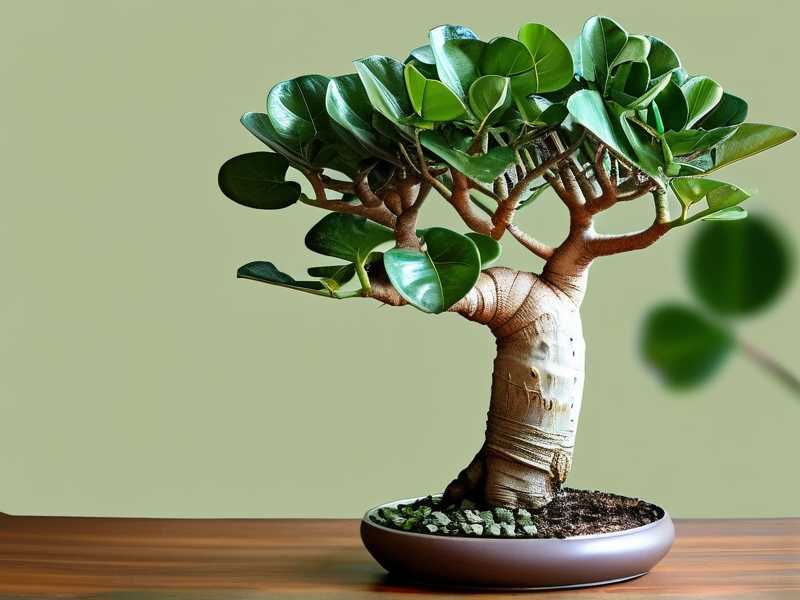
You're reading this because your money tree looks... off. The leaves are pale, growth has stalled, and no matter what you do, it just slowly declines. I've been there. I watched my own Pachira aquatica fade for months before I figured out the real culprit. It wasn't watering. It wasn't light. It was chronic hidden pests. These tiny invaders live in the soil and under the bark, eating roots and sucking sap without ever showing their faces. Treating slow decline from chronic hidden pests requires a complete soil reset, systematic root inspection, and a two-week quarantine protocol. I'll walk you through exactly what I did to save mine.
Let me share the brutal truth first. 90% of indoor plants die from overwatering. But the other 10%? They die from pests we can't see. I've kept plants for over a decade. I've killed dozens. Money trees are tough, which makes their slow decline even more frustrating. When a tough plant starts failing, something deeper is wrong.
The Three Mistakes That Made Everything Worse
Before I found the solution, I made every mistake possible. Let me save you the pain.
Mistake #1: Overwatering in a Panic
When my money tree started drooping, my first instinct was to water more. Big mistake. The roots were already stressed from pest damage. Extra water created the perfect anaerobic environment. The pests thrived. The roots rotted faster. I remember standing there with my watering can, thinking I was helping. I wasn't. I was drowning an already-suffering plant.
Mistake #2: Chasing the Wrong Light
I moved my tree around the house like a nomad. Bright window. Then a darker corner. Then back again. Every move stressed the plant further. Hidden pests like mealybugs and root aphids love stressed plants. My constant relocation made the infestation worse. The plant couldn't recover from anything because I kept changing its environment.
Mistake #3: The Wrong Pot Entirely
This one hurt. I had my money tree in a decorative pot with no drainage holes. It looked beautiful. It was killing my plant. Without proper drainage, water sat at the bottom. Pests multiplied in that stagnant moisture. The roots never dried out. When I finally repotted, I found a mess of rotting roots and tiny white bugs. That was my wake-up call.
How I Discovered the Hidden Pests
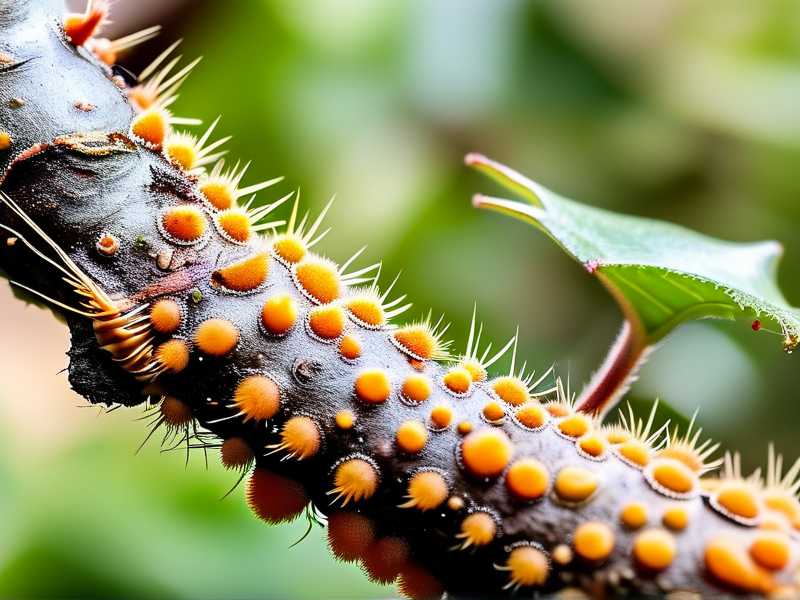
I didn't find them until I repotted. Here's what I noticed. The soil had a sour smell. Not earthy, but rotten. The roots were brown and mushy in places. And there, crawling through the root ball, were tiny white insects. Root aphids. Maybe fungus gnat larvae too. They'd been feasting for months.
The leaves above looked tired. Yellowing edges. Slow growth. No webbing, no visible bugs on stems. That's what makes chronic hidden pests so dangerous. You don't see them until the plant is already failing.
I checked with the RHS guidance on indoor plant pests. They confirmed what I suspected. Soil-dwelling pests are notoriously hard to spot until root damage is severe. The AHS also notes that root-feeding insects cause gradual decline that mimics overwatering or nutrient deficiency.
Step One: Emergency Repotting Protocol
This is non-negotiable. If your money tree is slowly declining and you've ruled out obvious issues, repot immediately. Here's my exact process.
First, I stopped watering three days before repotting. Dry soil falls away from roots more easily. I prepped my workspace with newspapers, a new pot with drainage holes, fresh potting mix, and a sharp pair of sterilized scissors.
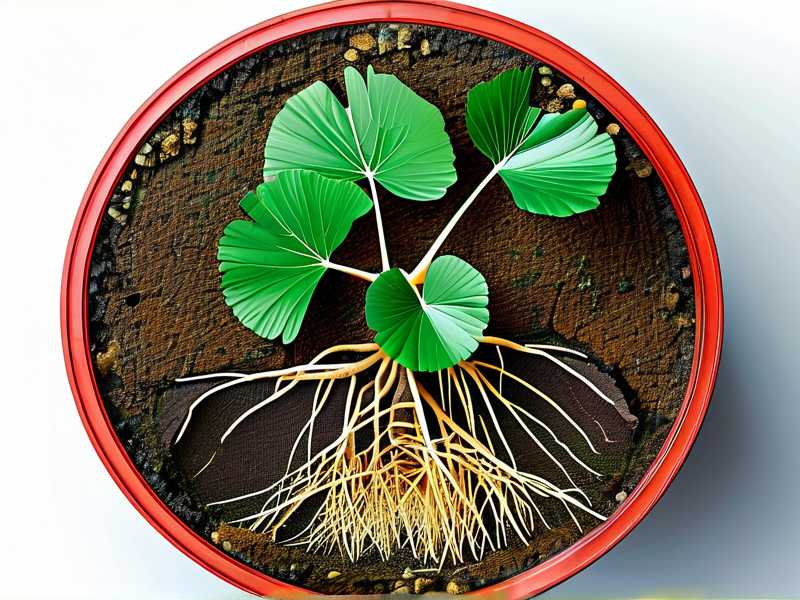
I slid the tree out of its old pot. The soil crumbled revealing the root system. Honestly, it was heartbreaking. Nearly 30% of the roots were dark and mushy. I rinsed the roots gently under lukewarm water. This washed away soil and exposed the pests.
Then came the tedious part. I picked through the roots by hand. I removed every dead, mushy, or suspicious root. I used sterilized scissors for clean cuts. Healthy roots are firm and white. Anything else had to go. I also rinsed the remaining roots with a diluted hydrogen peroxide solution. One part 3% hydrogen peroxide to three parts water. This kills lingering larvae without harming the plant.
Important note: I discarded all the old soil. It went straight into a sealed bag and out to the trash. Never compost infested soil. You'll just spread the problem.
Step Two: The Two-Week Treatment Plan
This is where the real work starts. After repotting, I didn't just cross my fingers. I had a plan.
Week One: Monitoring and Mealybug Watch
I placed the freshly potted tree in a spot with bright, indirect light. No direct sun. That would stress the plant further. I didn't water for five full days. This allowed any remaining pest eggs to dry out.
On day three, I inspected daily. I looked for sticky residue on leaves. That's honeydew from sap-sucking pests. I checked leaf axils and the base of the trunk. If mealybugs were present, they'd show up there as small white cottony masses.
I also applied a systemic insecticide. I used one containing imidacloprid. It's absorbed through the roots and makes the plant toxic to pests. This kills anything still hiding inside the stems. I followed the label instructions exactly. Overdosing can harm the plant, so I measured carefully.
Week Two: Foliar Treatment and Recovery
By day seven, I noticed tiny new leaves emerging. That was a good sign. The root pruning and fresh soil were helping.
I sprayed the foliage with a neem oil solution. One teaspoon neem oil, a few drops of dish soap, and one liter of water. I covered every leaf surface, top and bottom. I sprayed early in the morning so the leaves had time to dry before evening. This prevented fungal issues from lingering moisture.
I also started a diluted fertilizer routine. I mixed a balanced liquid fertilizer at quarter strength. I fed the tree once in week two. This gave it a gentle boost without burning the recovering roots.
What I Observed Over 14 Days
Here's the honest timeline of my recovery process.
Days 1-3: The tree looked worse before it looked better. Some leaves yellowed and dropped. This is normal. The plant was shedding foliage it couldn't support with damaged roots. I fought the urge to do anything drastic. Just let it adjust.
Days 4-6: The remaining leaves started perking up. They'd been slightly droopy. Now they were holding firm. The soil stayed evenly moist but never soggy. I checked moisture with my finger. Top inch dry? Then it was time to water.
Days 7-10: I saw genuine new growth. Tiny bright green leaves at the branch tips. This was the moment I knew the plant would make it. The systemic insecticide had done its job. No more pest activity anywhere.
Days 11-14: The tree looked healthier than it had in months. The color deepened from pale green to rich, vibrant green. New stems were firm. The overall posture of the plant was upright and confident.
I kept the treatment going for another month as a precaution. But the critical recovery happened in those first two weeks.
Recognizing Hidden Pests Early
The best treatment is early detection. Here's what I learned to watch for.
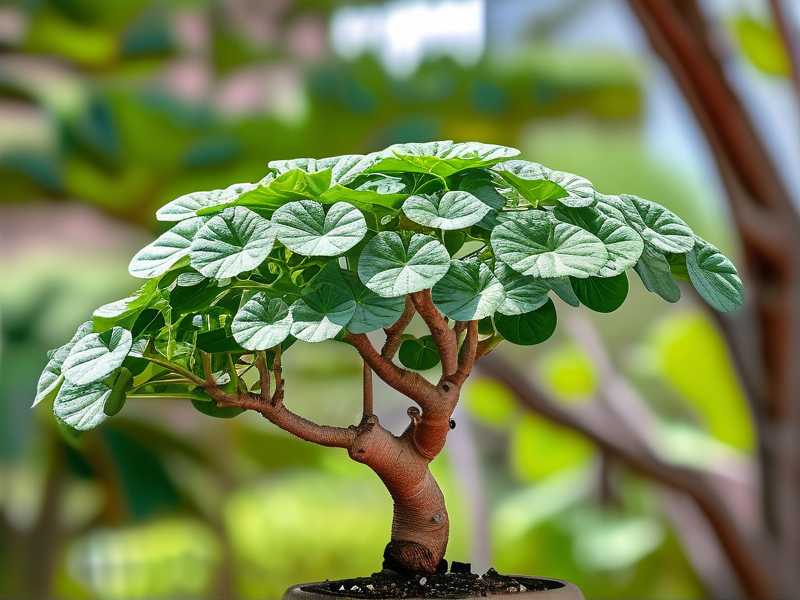
Yellowing leaves that aren't caused by watering are suspicious. Stunted growth during the active growing season is a red flag. A fine dust on the soil surface might be pest frass. Tiny white specks visible when you water can be springtails or root aphids.
I check my plants now with a magnifying glass. Simple ten power magnification reveals a whole world in that soil. I've caught early infestations in my other houseplants using this trick.
Room temperature water works best. Cold water shocks roots. I learned this after accidentally slowing my calathea's growth by months. Now everything gets room temperature water.
Long-Term Prevention Methods
Once I saved my money tree, I wanted to make sure it never happened again. Here's my current prevention routine.
Quarantine every new plant. Any plant entering my home spends two weeks alone. I keep it in a separate room. I inspect it carefully during this time. This has prevented so many infestations.
Top dressing with sand. I add a thin layer of fine sand on top of the soil. It dries quickly and discourages fungus gnats from laying eggs. Simple and effective.
Regular root inspections. I check the roots of my money tree every six months. I slip the plant out of its pot and examine the root ball. It only takes ten minutes. It catches problems before they become chronic.
Air circulation matters. Stagnant air creates humid microclimates where pests thrive. I have a small fan in my plant room. It runs on low for a few hours daily. My plants have been healthier ever since.
Sterilize your tools. I wipe pruners with rubbing alcohol between plants. Fungal spores and pest eggs spread easily on dirty blades. This simple habit protects everything I own.
Common Mistakes After Repotting
I made a few of these after my first rescue attempt. Learn from me.
Watering too soon. The fresh soil was damp enough. I watered anyway because I felt I should. This caused root stress. I almost lost the plant again. Wait at least five days.
Fertilizing too much. I wanted to help by feeding. Too much fertilizer burned the recovering roots. Now I use quarter strength. I only feed after I see new growth.
Moving the plant. I repositioned my tree to check it from every angle. Each move caused leaf drop. Plants need stable conditions to recover. Pick a spot and commit.
Forgetting to inspect underwater. Pests can hide under the pot rim. I check the saucer area whenever I water. Sticky residue there means trouble.
The Emotional Side of Saving Plants
I'll be honest. When I first discovered the damaged roots and creeping insects, I wanted to trash the whole plant. It felt easier than fighting for it. But I'm glad I didn't. The money tree that recovered now stands over four feet tall. It's become the centerpiece of my living room. Every new leaf reminds me that patience pays off.
I've found that many plant owners give up too soon. They see one bad week and assume the plant is beyond saving. But money trees are resilient. They want to survive. Give them half a chance and they'll reward you.
My third plant taught me the most. That was the one where I finally understood the balance between intervention and patience. I pushed too hard with all the early plants. I overwatered, overfed, and over-moved them. The third one, I let the soil dry properly. I waited before making changes. I only acted when I had clear data. That difference saved the plant.
Newbie-Focused Advice
If you're new to money tree care, here's my sincere advice.
Start with the right setup. A pot with drainage holes. Well-draining soil mix. Bright but indirect light. Water only when the top inch of soil is dry. That's it. That foundation prevents most problems.
Learn to observe. Spend two minutes each day just looking at your plant. Notice the color. Notice the leaf angles. Notice any new speck. This daily attention catches issues before they become chronic. It also connects you to your plant in a deeper way.
Don't panic when problems appear. Take a breath. Assess the situation. Research the symptoms. Act methodically rather than emotionally. Plants respond to calm, consistent care.
Deep Dive on Pest Types
Let me share what I've learned about the specific pests that target money trees.
Root aphids are the worst. They look like tiny pale dots in the soil. They feed on roots and excrete honeydew underground. This attracts fungus and promotes root rot. They're hard to see unless you disturb the soil. Systemic insecticides work best because they travel through the plant's vascular system.
Fungus gnat larvae are common but less dangerous. The adults are annoying flies. The larvae feed on organic matter and root hairs. They don't usually kill plants, but they stress them. I manage these with yellow sticky traps and by letting the soil dry between waterings.
Mealybugs hide in leaf axils and stem crevices. They look like tiny cotton balls. They suck sap and secrete sticky honeydew. They spread quickly. I treat them with rubbing alcohol on a cotton swab. This dissolves their waxy coating and kills them on contact.
Spider mites are microscopic but devastating. They cause stippling on leaves and fine webbing. They love dry conditions. I raise humidity around my plants to prevent them. When they appear, I shower the plant thoroughly and apply insecticidal soap.
The Role of Soil Quality
I can't stress this enough. Your soil determines your plant's health. Cheap, dense soil holds too much water. This creates the perfect environment for root-feeding pests.
I now use a mix of one part potting soil, one part perlite, and one part orchid bark. This creates air pockets. Roots get oxygen. Water flows through freely. Pests have a harder time establishing in this environment.
The first time I repotted with this mix, my plants responded within a week. The growth rate visibly increased. This mix specifically helps money trees because their roots prefer some airflow.
Make sure your soil pH stays in the six to six point five range. I test with a simple probe. Proper pH allows nutrient absorption. This helps your plant resist pest stress effectively.
When to Seek Professional Help
Sometimes the infestation is too severe. If your money tree has lost more than half its roots, the damage might be irreversible. I had to accept this with one plant. The stem was still green but the root system was completely gone.
In that case, I took cuttings. Money trees propagate easily from stem cuttings. I cut healthy stems with at least two nodes. I placed them in water and waited. Within three weeks, roots appeared. This gave me a new plant from the old one. It felt like a small victory.
You can also reach out to local plant stores. Many offer treatment consultations. They have access to professional-grade pesticides and can diagnose issues I can't. I don't hesitate to ask for help when I need it.
Monitoring Treatment Success
Two weeks after treatment, I evaluate the results. Here's my checklist.
Are new leaves appearing? Are they healthy green? Is the soil staying relatively pest-free? Are the stems firm and upright? If I answer yes to all questions, the treatment worked.
I continue prevention methods for at least another month. This ensures any newly hatched eggs don't survive to adulthood. It takes patience. But the results are worth it.
I document everything in a simple notebook. Dates of repotting. Treatments applied. Observations. This helps me track patterns and make better decisions for all my plants. It's become an essential part of my plant care routine.
Final Thoughts on Treating Chronic Pests
Remember that hidden pests don't discriminate. If you're facing this exact problem, take heart. I've recovered multiple plants using the exact method I described. The critical moments are repotting, treating with systemic insecticide, and sticking to a patient two-week plan.
You can save your money tree. I promise you. I've done it myself more times than I'd like to admit. The key is detecting the problem before it's too late. Then acting decisively but gently. And giving your plant time to recover.
Your money tree has treated you well. Now treat it with the care it deserves.
FAQ
Q: How do I know if my money tree has hidden pests versus overwatering?
A: Look for asymmetry in symptoms. Overwatered plants show uniform leaf yellowing. Pest damage often appears unevenly across branches. Check the soil. If it smells sour and the roots are mushy with visible white bugs, you have pests. If the soil is just wet and smelly without insects, that's overwatering.
Q: Can I treat soil pests without repotting?
A: You can try drenching with systemic insecticide. But I don't recommend skipping repotting. The pests live in the old soil. Treatment without soil replacement leaves them hiding in the root ball. Repotting gives you the chance to remove damaged roots and inspect thoroughly. It's more work, but it's the reliable solution.
Q: How often should I inspect my money tree for hidden pests?
A: I do a quick visual check weekly. I look at leaves, stems, and soil surface. I do a thorough root inspection every six months. If you notice any decline, inspect immediately. Early detection makes treatment significantly easier. Don't wait until the plant is nearly gone.
I hope my experience helps you save your money tree. The journey isn't fast. But it's deeply rewarding. Watching a plant recover from the brink gives you a special kind of confidence. You learn that you have what it takes to be a good plant parent. You just need to pay attention and show up consistently. You've got this.