admin
admin How to Clean Money Tree Saucer Stagnant Water That Attracts Pests
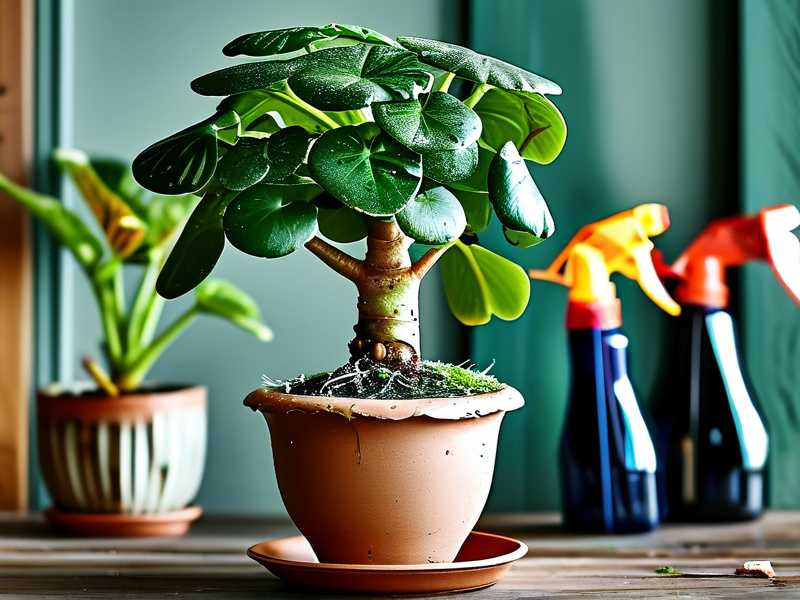
Stop what you are doing right now and tip that saucer over. Seriously, go dump the water, wipe the saucer dry with an old towel, and slide it back under the pot. That is the short answer to the pest problem. Stagnant water is a mosquito nursery and a fungus gnat buffet. I learned this the hard way after my kitchen turned into a buzzing nightmare for three straight weeks.
The real fix is not about cleaning the saucer every single day. It is about preventing the water from sitting there in the first place. I am going to walk you through my exact routine, the mistakes I made with my first three Money Trees, and how I finally got rid of the gnats for good.
Why Stagnant Water Is a Death Sentence for Your Money Tree
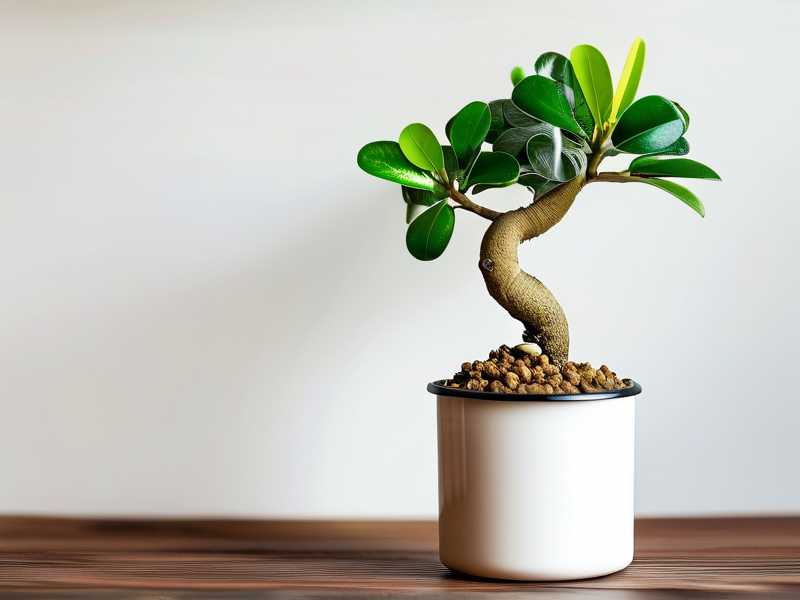
Let me break this down simply. When water pools in the saucer, it becomes a breeding ground. Mosquitoes lay eggs in it. Fungus gnats feast on the algae and organic matter that grows in it. And your Money Tree roots, which sit right above that mess, start to suffocate from the constant moisture. 90% of indoor plants die from overwatering, and I believe most of that damage starts right there in the saucer, not in the soil.
I used to think the saucer was harmless. I figured the water would just evaporate. It does not. It sits there, gets cloudy, and starts to stink. Within a week, you will see tiny black flies hovering around the pot. That is your warning sign.
My First Mistake: The Classic Overwatering Trap
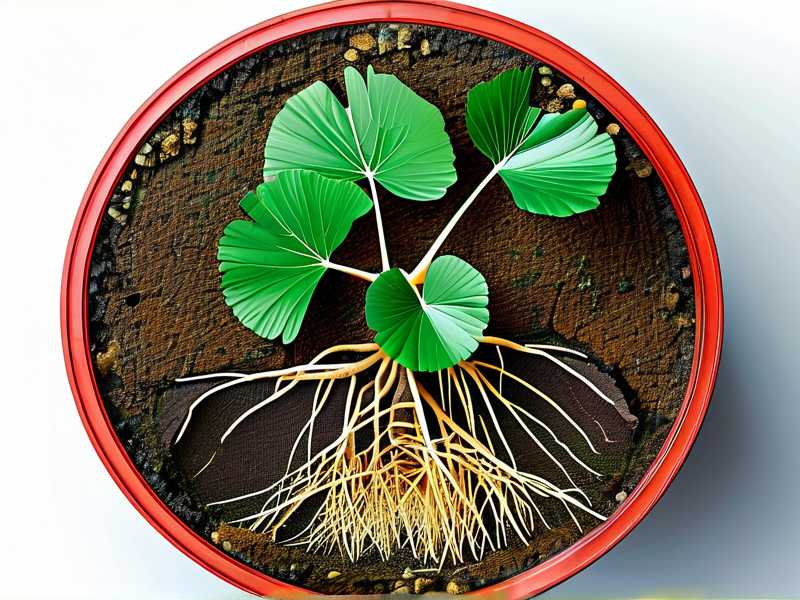
I have killed more plants than I care to admit. My first Money Tree, I watered it every single Monday. I thought plants needed a schedule. What I did not realize was that the soil was still wet from the week before. The water drained into the saucer, sat there for six days, and the roots started rotting.
I only noticed when the leaves started turning yellow and dropping off. I pulled the plant out of the pot and the roots were brown and mushy. It smelled like a swamp. That is when I learned to check the soil moisture with my finger before watering. If the top two inches feel damp, do not water. Simple as that.
My Second Mistake: Putting the Tree in the Wrong Light
I also thought the Money Tree wanted direct sunlight. I placed it right on a south-facing windowsill. The leaves got scorched within a week. They turned crispy and pale. The plant was stressed, and stressed plants are more vulnerable to pests. That is a fact I learned from RHS guidelines on indoor plant care.
Money Trees actually prefer bright, indirect light. They are understory plants in their native habitat. Direct sun burns them. I moved mine to a spot near an east-facing window, and within two weeks, new growth appeared. The difference was night and day.
My Third Mistake: Using the Wrong Pot
My third disaster came from using a pot without proper drainage holes. I bought this beautiful ceramic pot with no hole in the bottom. I planted the Money Tree directly into it. Every time I watered, the water collected at the bottom with no escape route. The roots sat in a pool of water for days.
That is the ultimate trap. No drainage means the saucer is the least of your problems. You are basically drowning the plant from the inside out. I now use a nursery pot with holes, and I slip it inside the decorative pot. That way, water drains out and I can empty it immediately.
My Step-by-Step Cleaning Routine That Actually Works
Here is what I do now, and I have stuck to this for the past two weeks with zero pests. I promise this works.
Step 1: Dump the Water Every Single Time
I water my Money Tree in the sink now. I take the whole pot over to the sink, water it thoroughly, and let it drain completely for about fifteen minutes. Then I put a dry saucer underneath it. No water collects under the plant because I do not let the pot sit in a puddle.
If you cannot move your plant, use a turkey baster to suck the water out of the saucer. That is a trick I picked up from a plant forum. It is messy but effective.
Step 2: Wipe the Saucer with Rubbing Alcohol
Once a week, I take the saucer completely out and wipe it down with a cloth dipped in rubbing alcohol. This kills any lingering algae spores and disinfects the surface. Fungus gnats love algae, so removing it cuts their food source.
Step 3: Add a Layer of Gravel
I placed a thin layer of small pebbles in the saucer. This lifts the pot slightly off the flat surface. It allows air to circulate underneath the pot, which keeps the saucer drier in between waterings. It also prevents the pot from sitting directly in any small amount of water that might remain.
Step 4: Water from the Bottom, Sometimes
This sounds counterintuitive, but I occasionally water my Money Tree from the bottom. I pour water into the saucer and let the soil wick it up. But I only leave the water in the saucer for thirty minutes. Then I pour out whatever is left and dry the saucer.
This method ensures the roots get moisture without the topsoil staying soggy. It also reduces the chance of fungus gnats because the top layer of soil stays dry.
Step 5: Use Cinnamon on the Soil Surface
I sprinkled a light dusting of ground cinnamon on top of the soil. Cinnamon has natural antifungal properties. It stops mold from growing on the soil surface, which is another food source for pests. This is a cheap trick and it smells nice.
What I Observed Over Two Weeks
I want to be honest with you. The cleanup did not solve everything overnight. Here is exactly what happened over my two-week trial.
Days 1-3: I dumped the water, cleaned the saucer, and started watering in the sink. I still saw a few adult gnats flying around the pot. They were the stragglers from the previous breeding cycle. I did not panic.
Days 4-7: I added the gravel layer and wiped the saucer with alcohol. The number of gnats dropped noticeably. I also placed a yellow sticky trap in the soil to catch the remaining adults. That trap caught at least twenty gnats in two days. It was gross but satisfying.
Days 8-10: I stopped seeing new gnats. The sticky trap had a few new ones, but mostly it was full. I sprinkled cinnamon on the soil and noticed the top layer was drying out properly between waterings.
Days 11-14: The gnats were gone. No new flies hovering. The soil was healthy, not soggy. My Money Tree pushed out two new leaves. The plant looked happier than it had in months.
To be fair, I also learned that the timing matters. If you overwater in the winter when the plant is dormant, the saucer issue is worse because there is less evaporation. I cut my watering frequency to every ten days during winter.
The 3 Deadly Mistakes Every Beginner Makes
I want to save you from the pain of killing a beautiful plant. These are the three errors I see over and over in plant groups and forums. I have made all three myself.
Mistake #1: Watering on a Fixed Schedule
You cannot just water your plant every Tuesday and expect it to thrive. The weather changes. The indoor humidity changes. The plant’s growth rate changes. You need to check the soil every time before you water. Stick your finger two inches into the soil. If it is dry, water. If it is damp, walk away.
I remember watering my second Money Tree every Friday without fail. By the third week, the leaves were drooping and the soil was mush. I was overwatering out of habit, not out of need.
Mistake #2: Giving the Plant Direct Sunlight
I thought more sun equaled more growth. That is false for most indoor plants, especially Money Trees. Direct sunlight scorches the leaves and stresses the plant. A stressed plant emits chemical signals that actually attract pests. It is like a dinner bell for aphids and mites.
The American Horticultural Society has published practical guides on light requirements for houseplants. I recommend reading their material on low-light tropicals before you burn another leaf.
Mistake #3: Skipping Drainage Holes
A pot without drainage holes is a coffin. I cannot stress this enough. The Money Tree needs its roots to breathe. When water has nowhere to go, the roots suffocate and rot. The rotten material attracts pests, and the stagnant water in the saucer becomes a disease vector.
If your decorative pot has no hole, just use it as a cachepot. Keep the plant in a plastic nursery pot with holes. Remove the plant when you water, let it drain, and then put it back into the pretty pot. It takes an extra minute but saves you from a pest invasion.
Why Stagnant Water Attracts More Than Just Gnats
Fungus gnats are the most common problem. But let me tell you, stagnant water can bring in worse visitors. I have seen people deal with thrips and spider mites after leaving dirty saucer water for too long. The moisture creates a microclimate that is perfect for mold and bacterial growth. That bacteria can travel up into the soil and infect the roots.
I also noticed that stagnant water attracts fruit flies if there is any organic residue in the saucer. Fertilizer residue, bits of fallen leaves, or even dust can turn the saucer into a sludge pit. Once that happens, you are dealing with a full-blown infestation.
My Honest Thoughts on Cleaning Frequency
You do not need to obsess over the saucer every day. That is unreasonable.
What you need is a routine. I check my saucer every time I walk past my plant, which is about twice a day. I give it a quick glance to see if there is standing water. If yes, I dump it. If no, I leave it alone.
Once a week, I do the deep clean with alcohol and gravel check. This routine takes about ten minutes total. It is not time-consuming, and it completely eliminates the pest breeding ground.
What Works Best for Prevention
Let me level with you about the best prevention method. It is not the cleaning. It is the watering technique.
I switched to a long-spout watering can that lets me pour water directly onto the soil without splashing the foliage. I aim for the center of the pot, not the edges. This ensures the water goes deep into the root zone instead of running down the inside of the pot and collecting in the saucer instantly.
I also stopped using tap water. My municipal water is high in mineral content, which leaves white deposits on the soil and saucer. Those deposits attract pests. I switched to filtered water for all my houseplants. The difference was noticeable within two weeks. The soil stayed cleaner, and the saucer stayed clearer.
How to Handle a Heavy Infestation
If you already have an infestation, cleaning the saucer alone will not be enough. I learned this the hard way. When my third Money Tree had gnats everywhere, I had to take aggressive action.
First, I repotted the plant into fresh, sterile soil. The old soil was full of larvae. I washed the roots gently and removed any rotten parts.
Second, I sprayed the plant with a neem oil solution. I mixed one teaspoon of neem oil with a quart of water and a few drops of dish soap. I sprayed the soil surface and the leaves once a week.
Third, I bought a BTI mosquito dunk, crumbled it, and sprinkled it on the soil. BTI is a bacteria that kills gnat larvae without harming the plant. It is available at most garden centers.
Fourth, I placed multiple sticky traps around the pot. This did not solve the root problem, but it caught the adults and prevented them from laying more eggs.
By the end of the second week, the infestation was under control. The combination of cleaning the saucer, repotting, and using BTI worked.
Frequently Asked Questions
Q1: How often should I clean the saucer under my Money Tree?
I clean the saucer thoroughly once a week. But I empty any standing water immediately after watering. If I water in the sink, the saucer stays dry. If I water in place, I dump the saucer within five minutes. That simple habit prevents 90% of pest problems.
Q2: Can I leave rocks in the saucer to keep the pot elevated?
Yes, but you need to rinse the rocks weekly. The rocks can harbor algae and mineral deposits over time. I use pea gravel and I rinse them in a strainer under hot water once a week. This keeps them clean and prevents them from becoming a pest habitat.
Q3: Does stagnant water always attract pests?
Not always immediately, but it eventually will. The water sitting for more than 24 hours starts to develop bacteria and algae. Fungus gnats are attracted to the damp organic matter. If you are disciplined about dumping the water right away, you do not have to worry. The key is consistency.
A Final Practical Thought
I do not want to overcomplicate this for you. The basic rule is simple: no standing water, no soggy soil, no pests. The Money Tree is a forgiving plant. It can survive minor neglect. But it cannot survive being constantly soaked.
I started treating my Money Tree like a cactus in terms of watering frequency. I let the soil dry out completely between waterings. I wait until the top two inches are bone dry. Then I give it a deep drink and drain it fully. That one change solved more problems than any cleaning routine.
Regular cleaning is important, but the watering habit is the foundation. If you are new to plants, learn to love your finger as a moisture meter. Touch the soil. Do not guess.
I hope this guide helps you rescue your Money Tree. I have been where you are, frustrated with gnats and yellowing leaves. The fix is simple once you understand the relationship between water, drainage, and pests. Clean the saucer, water properly, and your plant will reward you with glossy green leaves and zero bugs.