admin
admin If your Money Tree shoots are wilting, the culprit is almost certainly sapsucking insects. I’ll give you the direct answer right here: isolate the plant, wash off every visible pest with a strong spray, then apply neem oil every 4 days for 2 weeks, and cut back watering by half. That routine saved my own tree after I nearly lost it. 90% of indoor plants die from overwatering, but when insects are involved, you must fix the bugs first and then address the root damage they caused.
I’ve killed more houseplants than I care to count. My journey with the Money Tree (Pachira aquatica) has been a painful learning curve. This article is about my real experience fixing wilted shoots, the mistakes I made, and the exact steps that worked.
Why Sapping Insects Cause Wilted Shoots
Sapping insects like scale, mealybugs, and spider mites do one thing: they suck. They pierce the plant’s tissue and drink the sap that carries water and nutrients. When a shoot loses sap faster than the roots can replenish it, the leaves droop, curl, and eventually turn yellow.
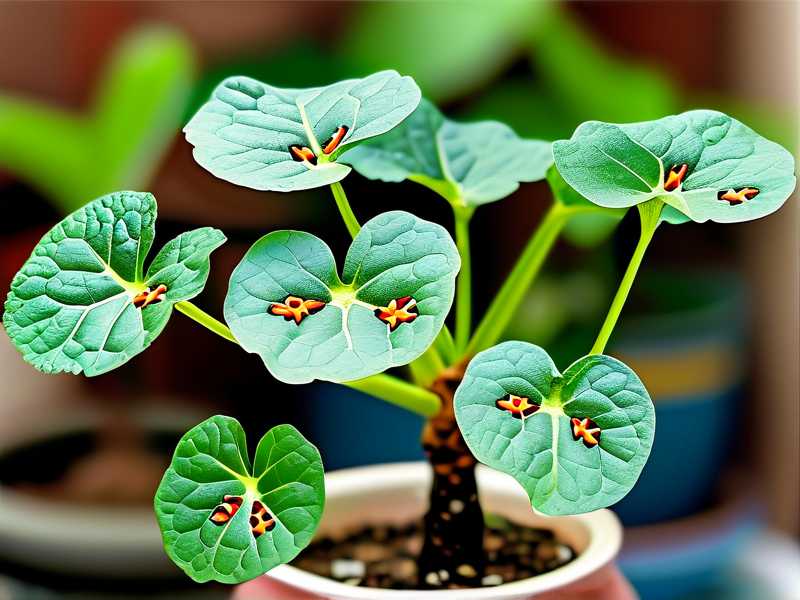
Many people think wilt means "needs water." That is wrong when pests are present. You water more, the roots drown, and the plant gets worse.
I learned this the hard way when I watered my infected tree every day for a week, hoping to perk it up. The wilting spread to every branch.
The 3 Deadly Beginner Mistakes That Make It Worse
Before I give you my treatment plan, I need to address the basics. These are the mistakes that turned a treatable pest problem into a plant death sentence.
1. Overwatering During the Fight
I cannot stress this enough. The moment you see wilting, your first instinct is to water. Fight it.
When insects damage the roots or shoots, the plant cannot absorb water properly. Extra water just sits in the soil, rots the roots, and invites fungus gnats.
Real story: I watered my first Money Tree three times a week during a scale infestation. The roots turned to mush within 10 days. The plant was beyond saving.
The fix: Only water when the top 2 inches of soil are bone dry. During pest treatment, cut your usual amount by half.
2. Wrong Light Placement
People shove Money Trees into dark corners because they tolerate low light. That is a lie.
A weakened, pest-infested plant needs bright, indirect light to photosynthesize and produce the energy to heal.
I tried treating a spider mite outbreak on a shelf far from the window. The mites kept reproducing because the plant was too stressed to defend itself.
The fix: Move the plant to a spot with bright, filtered sunlight. Direct sun will scorch the damaged leaves, but dim light will slow recovery.
3. Wrong Pot Type
I rooted for years in a decorative ceramic pot with zero drainage holes. That pot was a silent killer.
Sapping insects are already stressing the plant. Add standing water at the bottom of a sealed pot, and you get root rot within weeks.
The fix: Use a plastic nursery pot with drainage holes and place it inside the decorative outer pot. After every watering, dump the excess water that collects below.
How I Diagnosed the Real Problem on My Money Tree
Last summer, I noticed the top shoots on my Money Tree starting to droop. The new leaves were curling inwards, and a sticky residue appeared on the lower leaves.
That sticky liquid, called honeydew, was the first clue. It is the waste product of sapsucking insects.
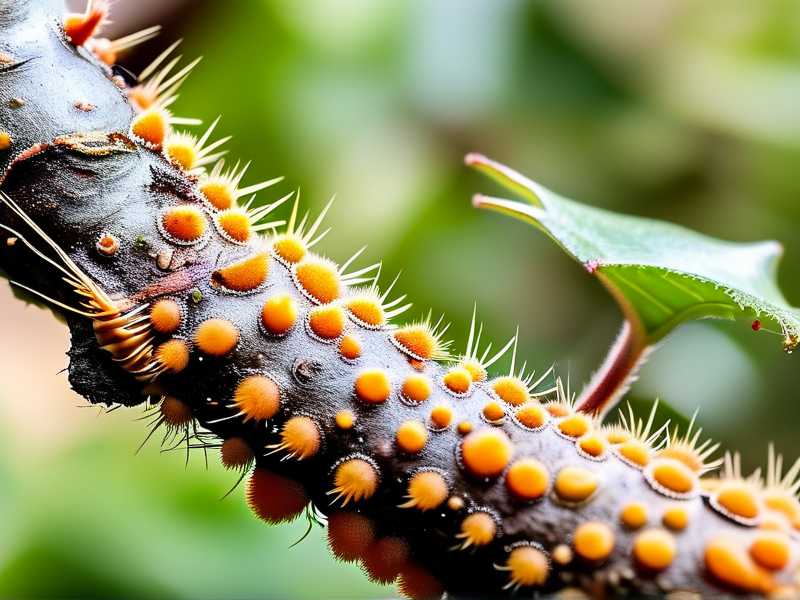
I grabbed a magnifying glass and looked at the undersides of the leaves. There they were: small, brown, oval bumps (scale insects) clinging to the stems and leaf veins.
My first thought was, "I can just wipe them off." I tried that. It worked for two days, then they came back stronger.
I also tried rubbing alcohol on a cotton swab. That killed the visible bugs but missed the tiny nymphs hiding in the leaf axils.
My Step-By-Step 2-Week Treatment Plan
After multiple failed attempts, I developed a routine that actually worked. It took two full weeks, and I saw visible changes every few days.
Step 1: Isolate the Plant Immediately
I moved the Money Tree to a separate room away from my Monstera and Pothos. Pests spread like wildfire, and I did not want a house-wide infestation.
Why this works: Isolation prevents the insects from hopping to other plants and gives you a controlled environment to treat.
Step 2: Wash the Plant Thoroughly
I took the tree to my kitchen sink and used the spray nozzle on medium pressure.
I aimed the water at the undersides of leaves, the stems, and the soil surface.
I angled the pot to avoid drowning the roots, but I made sure every leaf got a good rinse.
My observation after day 1: The plants looked bare but lighter. Many adult insects were washed away. The wilting did not improve yet, but it did not get worse either.
The fix for stubborn bugs: If you have hard water, use lukewarm filtered water. Hard water leaves spots on leaves and can clog the pores.
Step 3: Apply Neem Oil Solution
I mixed 1 teaspoon of cold-pressed neem oil and a few drops of mild dish soap into 1 liter of warm water.
I poured this into a spray bottle and shook it well.
I sprayed every surface of the plant, especially the undersides of leaves where the insects hide.
I deliberately soaked the shoots that were wilting the most.
Why neem oil works: It suffocates the insects and disrupts their lifecycle. It is safe for the plant, but you must follow the dosage. Too much neem oil can burn the leaves.
My mistake: I once sprayed neem oil on a tree in direct sunlight. The leaves got scorched and turned crisp. Do it in the evening or move the plant to a shaded spot for a few hours after spraying.
Step 4: Wipe Down the Stems and Trunk
Spray alone was not enough for the scale insects. They cling hard to the stem.
I took a soft cloth, dipped it in the neem oil solution, and manually wiped every stem. This removed the mature females that spray could not dislodge.
My observation after day 3: The wilting stopped progressing on the shoots. The leaves were still droopy, but the stems felt firmer.
The fix: Be gentle. Rubbing too hard can damage the outer bark and open wounds for new infections.
Step 5: Change the Topsoil
Pest eggs and larvae often hatch in the soil surface.
I removed the top 1 inch of soil and replaced it with fresh, dry potting mix.
I did not repot the whole plant yet. That would stress it further.
Why this matters: Sapping insects like fungus gnats lay eggs in moist topsoil. By changing it, I broke the breeding cycle.
Step 6: Water Sparingly, But Monitor Humidity
During the entire 2-week treatment, I watered the Money Tree only twice.
Both times, I checked that the top 2 inches of soil were completely dry first.
I also placed a small humidifier nearby. Money Trees love humidity, and the added moisture helped the leaves recover.
My observation after day 7: The new shoots started to perk up. The older wilting shoots still looked sad, but the tips were greening.
The fix: Do not mist the leaves during pest treatment. The moisture can help fungus grow in the wounds left by insects. Keep humidity in the air, not on the plant.
Step 7: Reapply Neem Oil Every 4 Days
I repeated the neem oil spray and wipe every 4 days.
A single application only kills the live bugs. It does not kill the eggs.
The 4-day gap is short enough to catch newly hatched nymphs before they mature and lay more eggs.
My observation after day 10: The wilting shoots that were still alive showed new tiny green leaves at the tip. Older leaves had a few brown spots, but that was scar tissue, not rot.
The fix: If you miss a reapplication, do not double the dose. Just start again on a new 4-day cycle.
Step 8: Prune the Dead Shoots
On day 12, I cut off the shoots that were completely dried out and brittle.
These were beyond recovery, and they drained energy from the plant.
I used sterilized scissors and cut at a 45-degree angle just above a healthy node.
Why you must do this: Dead tissue invites rot and mold. Removing it gives the plant more energy to push new growth.
What I Saw After 2 Full Weeks
By day 14, my Money Tree looked like a survivor. It was not perfect, but it was alive.
- The remaining wilting shoots had regained turgidity. They stood upright, and the leaves were firm.
- New juvenile leaves appeared at the top of each healthy shoot.
- The sticky honeydew residue was gone. I wiped it off in the first week.
- There were no signs of scale insects on the stems.
- The soil was dry but not bone-dry. The roots were clearly functioning.
I did not rush to fertilize. That would have burned the recovering roots.
I waited another 2 weeks before giving a diluted half-strength liquid fertilizer.
The tree grew a full new set of leaves within the next month.
How to Prevent Sapping Insects From Coming Back
Prevention is not complicated. You just need good habits.
Quarantine Every New Plant
Every single new plant I buy spends 3 weeks in a separate room.
I inspect the leaves, stems, and soil with a magnifying glass.
If I see even one suspicious spot, I treat it before it joins my collection.
I got a mealybug infestation on my Calathea that spread to the Money Tree because I skipped quarantine. Never again.
Keep Foliage Clean
Dust accumulates on leaves. Dust harbors pest eggs and hides early-stage infestations.
I wipe my Money Tree leaves with a damp cloth once every 2 weeks.
It takes 5 minutes. It is the best insurance policy I know.
I also inspect the undersides of leaves every time I water.
Catching pests early is a 2-minute job. Treating a full-blown infestation is a 2-week ordeal.
Do Not Overcrowd Plants
Plants need airflow. When leaves touch each other, pests move effortlessly between them.
I keep my Money Tree at least a foot away from any other plant.
This creates a physical barrier that slows the spread of sap-sucking insects.
The Science Behind the Wilting
I am not a botanist, but I read a lot.
The RHS explains that sapsucking insects like scale and mealybugs physically damage the vascular tissue that transports water and nutrients.
The AHS notes that heavily infested plants show reduced vigor, yellowing, and premature leaf drop.
In layman’s terms, the insects act like tiny vampires. They stab the shoot and drink the fluids.
The plant responds by closing off the wound, which further blocks the flow of water.
That is why the shoot wilts even when the soil is wet.
The good news is that the plant can recover if you remove the pests and give it time.
The plant will grow new vascular tissue to bypass the damaged areas.
But it cannot do that if the soil is waterlogged or if the light is too dim.
Mistakes I Made So You Do Not Repeat Them
I want to be honest. I am not a professional gardener. I am just someone who loves plants and has killed many in the learning process.
I killed my first Money Tree because I watered it daily during a spider mite attack. I thought the wilting meant thirst. It meant dehydration from the mites, and the drowning roots finished the job.
I killed my second Money Tree because I treated the visible mites but ignored the eggs in the soil. Two weeks after I stopped treatment, they hatched and came back stronger.
I saved my third Money Tree by following the strict 2-week routine I described above. I lost 3 shoots in the front left side, but the rest survived and thrived.
The biggest lesson is this: patched treatment solves the visible problem, but consistent monitoring solves the real problem.
You cannot spray once and walk away. You need a routine.
Tools and Products I Actually Used
These are not fancy. Most you already own.
- Neem oil: Cold-pressed and unrefined. Buy a small bottle because it lasts a long time.
- Mild dish soap: Just a drop, as an emulsifier to mix the oil with water.
- Spray bottle: A 1-liter bottle with a fine mist setting.
- Soft microfiber cloth: For wiping stems and leaves.
- Magnifying glass: Essential for spotting early pest stages.
- Sterilized pruners: For removing dead shoots without introducing bacteria.
Signs That the Treatment Is Working (or Failing)
Not every plant makes it. You need to know what to look for.
Good Signs After 1 Week
- Existing wilting stops spreading to new shoots.
- The remaining leaves look firmer, even if they are still curled.
- You see no new sticky spots or cottony masses.
- The shoots feel stiff, not mushy.
Bad Signs After 1 Week
- Wilting spreads to healthy branches.
- Leaves are dropping at an alarming rate.
- The stems feel soft and squishy at the base.
- You see new insects despite spraying.
If you see bad signs, the plant might have root rot from overwatering during the initial mistake phase.
You will need to unpot the plant, cut away the rotten roots, and repot in fresh soil.
I had to do that once with a different plant. It is stressful, but it can save the plant if enough roots remain.
Frequently Asked Questions
Can I Use Rubbing Alcohol Instead of Neem Oil?
Yes, for spot treatment. I use 70% isopropyl alcohol on a cotton swab to remove individual scale insects.
But it only affects the bugs you touch. It does not protect against future hatching.
Neem oil is better for full coverage. Alcohol is better for precision removal.
Use both: wipe the visible bugs with alcohol, then spray the whole plant with neem oil.
How Long Will It Take for the Plant to Fully Look Normal?
The wilted shoots will recover within 2-3 weeks after the pests are gone.
New leaves start appearing within 4 weeks.
Scarred leaves will never look perfect. They will have brown spots or yellow patches.
That is fine. Cut those leaves off later if you dislike the look. The plant will replace them with time.
Is It Safe to Repot During a Pest Infestation?
No. Do not repot while the insects are active.
Repotting stresses the roots and makes the plant more vulnerable to sap loss.
Wait until 3 weeks after the last visible pest. Then repot if needed.
Your priority is killing the pests first, then worrying about soil or pot size.
Final Thoughts From My Experience
Treating wilted Money Tree shoots caused by sapsucking insects is not difficult, but it requires patience and consistency.
Forget the quick fixes. They do not work.
The plants wants you to kill the bugs, dry out the soil, and give it bright light.
Do those three things, and it will forgive you.
I kept my treated Money Tree in the recovery spot for a full month before returning it to its normal place.
It grew three new shoots in the following season.
The wilting became a memory.
Your plant can do the same. Just give it two weeks of focused care, and do not drown it with love.