admin
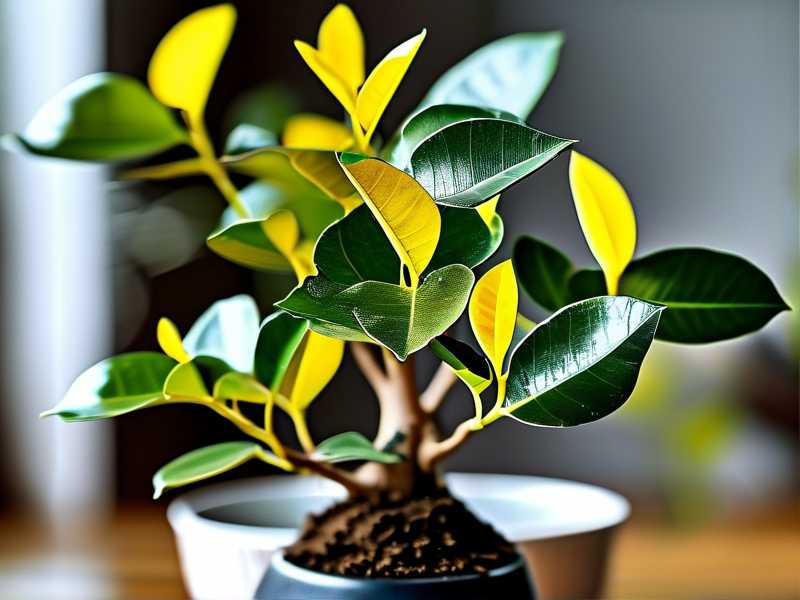
admin It’s a sinking feeling, isn’t it? You see those bright, fresh leaves on your Money Tree start to turn yellow, and you know something is off. Many people assume it’s a nutrient deficiency or a pest, but in my experience, the most common cause of yellowing new growth on a Money Tree from disease is a bacterial or fungal infection, usually triggered by root rot. I’ve dealt with this myself, and the fix isn’t complicated. You need to immediately stop watering, remove the plant from its pot, cut away the rotted roots, and repot it in a completely dry, sterile mix. Treat the remaining leaves with a copper fungicide. You should see a halt to the yellowing within two weeks.
Let me walk you through what I learned after accidentally killing a perfectly healthy Money Tree with overthinking. The biggest problem is that people confuse symptoms and treat the wrong thing. I remember my first Money Tree. I thought yellow leaves meant "feed me." So I watered it with liquid fertilizer. Big mistake. Within a week, the new growth was not just yellow, it was mushy. That’s because the roots were already rotting from too much water. The sugar in the fertilizer just fed the bacteria faster. 90% of indoor plants die from overwatering, and the Money Tree (Pachira aquatica) is particularly vulnerable because it stores water in its thick trunk and base roots.
I’ve made all the classic beginner errors, so I can tell you exactly what not to do. Here are the 3 fatal mistakes for new owners that lead directly to this diseased yellowing.
The 3 Biggest Beginner Mistakes That Cause Disease
① Watering Excessively
This is the number one killer, hands down. I used to water my plants on a schedule, like every Monday. That was my first big mistake. You cannot water a Money Tree on a calendar. You must check the soil. Many people fall for the "dense soil" trap. The soil these plants come in from the store is often heavy, peat-based nursery mix. It holds water like a sponge. I left that soil on my second tree, thinking it must be "good enough." It was not. The root system suffocated, and bacteria moved in. The new growth yellowed because the roots could not deliver oxygen or nutrients. Simple fix: never water until the top two inches of soil are bone dry. Stick your finger in. If it feels cool or damp, walk away.
② Lighting Misplacement
Another mistake I made was putting my Money Tree in a dark corner because I read it "tolerates low light." Tolerates is not the same as thrives. A Money Tree that is trying to push out new growth in poor light is stressed. Stressed plants are magnets for disease. The plant uses its energy to try and reach for light, but the weak, elongated new growth is too tender. In my case, the yellow leaves were pale, almost white before they turned yellow. That indicated a lack of chlorophyll, not a disease. But because the plant was weak, a mild fungal issue moved in and took over. I learned that bright, indirect light is essential. If the new leaves are coming in yellow and the plant is in a dim spot, move it closer to a window first.
③ Using the Wrong Pot
This is something many beginners overlook. I once bought a beautiful Money Tree with a braided trunk. The nursery pot was ugly, so I immediately placed it into a large decorative ceramic pot. No drainage hole. I thought, "I’ll be careful." I was wrong. Without a drainage hole, water pools at the bottom. The roots sit in that moisture. Bacteria and fungi love that environment. Within a month, I noticed the new leaves turning yellow from the base of the leaf stem. That was a classic sign of root rot from poor drainage. You need a pot with drainage holes. If you love the decorative pot, use it as a cachepot. Keep the plant in a plastic nursery pot with holes, and set that inside the pretty one. Always empty the saucer after watering.
My 2-Week "Yellow to Green" Treatment Protocol
Now, let me tell you exactly what I did when I caught the yellowing early on my third Money Tree. This is the step-by-step method that worked for me.
Day 1 – The Triage
I saw the first yellow leaf on the new growth. I didn’t panic or water it. I did the opposite: I let the soil dry out completely for the first step of my 2-week plan.
Day 3 – The Extraction
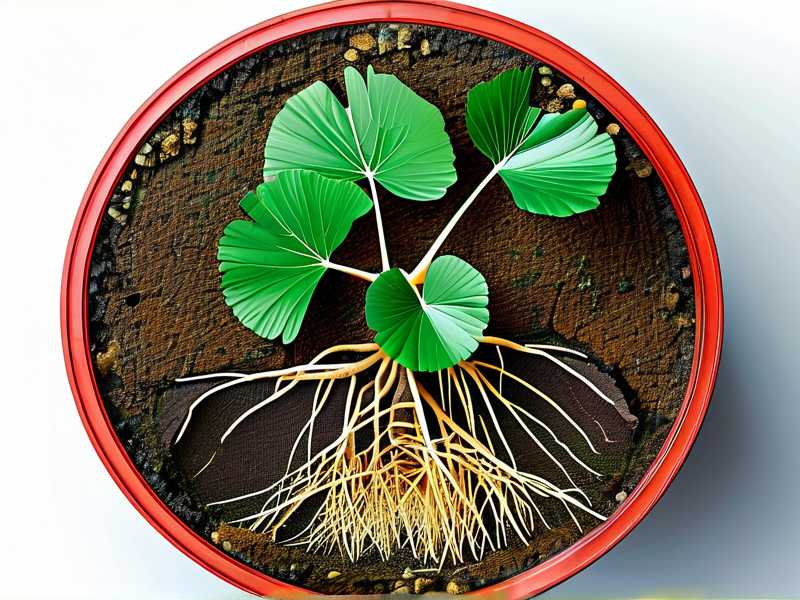
The soil was still slightly damp around the center roots. I knew it was a problem. I pulled the plant out. The smell was the biggest clue—earthy, but with a hint of something sour. The roots were mushy and brown. I used a clean, sharp pair of scissors to cut away all the dead, slimy roots. This is scary, but you must do it. I cut off about 40% of the root mass. I then washed the remaining healthy roots with water to remove any bacteria.
Day 5 – The Surgery
I took a copper fungicide spray (a must-have for any plant owner). I sprayed the remaining healthy roots and the base of the trunk. I didn't dilute it exactly as the bottle said, but I used a heavy mist. I let the plant sit on newspaper for two hours. This air-drying is essential. It helps kill any lingering fungi on the surface. I also sprayed the yellow leaves themselves, even though I planned to cut them off.
Day 7 – The Repot
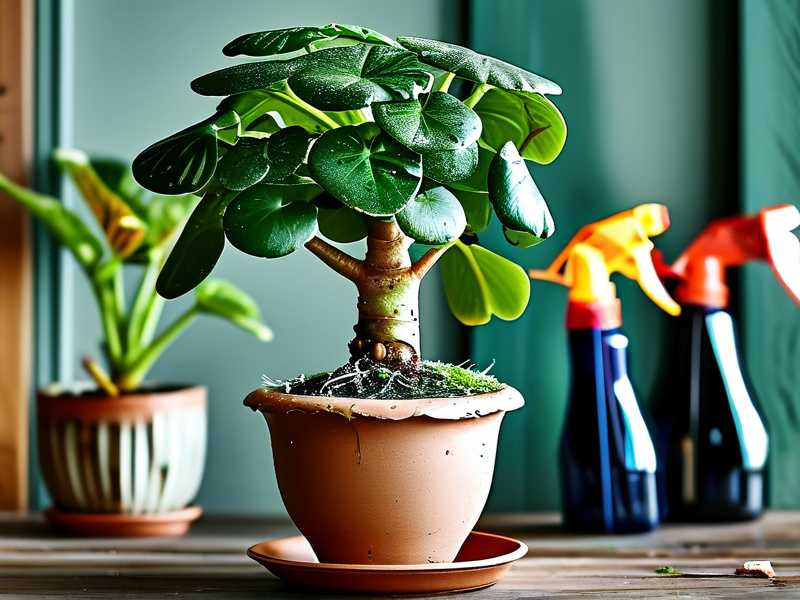
I bought a new terracotta pot. Terracotta is my go-to for disease recovery. It’s porous and wicks moisture away from the soil. I used a completely new bag of soil. I mixed a very gritty, well-draining cactus and succulent mix with some perlite. Essentially, a mix that holds almost no water. I placed the Money Tree into its new pot and backfilled with this dry mix. I did not water it. This is critical. Watering a plant with weak, cut roots right away just invites more rot.
Day 10 – First Signs of Hope
I started to notice a real change. The yellowing had not spread to any new leaves. The existing yellow leaves started to look dry and crispy, not soft and mushy. That was a good sign. It meant the disease was stopped. I finally watered the plant. I watered it very lightly, just enough to moisten the top two inches of the new soil. I wanted the roots to reach for the moisture, encouraging them to grow.
Day 14 – The Observation Result
After exactly two weeks, I saw the true result. The yellow leaves that were there had dried up and fallen off. But the stem of the new growth was still green and firm. No further yellowing appeared on the new shoots. The plant looked a bit bare, but it was healthy. The disease was under control. I knew I had won because the next set of leaves that emerged from the same tip were a vibrant, dark green.
Real Mistakes I Made During This Process
I wasn't perfect the first time I tried this. I actually made a couple of mistakes that almost killed the plant again.
The First Mistake: I used old soil from another dead plant. Never reuse soil from a sick plant. It harbors the same bacteria or fungi. I had to redo the entire process a month later because the infection came back from the contaminated soil.
The Second Mistake: I was too impatient. After day 10, I saw the yellowing stop, so I gave the plant a full soaking of water. I should have stuck to my "light mist" method for another week. The full soak saturated the roots, and I saw a tiny speck of rot again. I had to trim one root. The lesson? Slow and steady wins the race with disease recovery. It’s better to underwater for the first month than to overwater.
Key Technical Advice from Experts
According to the RHS, root rot in indoor plants like the Money Tree is often misdiagnosed. They state that "when new growth is affected first, it indicates an active pathogen in the vascular system of the plant." That is why treating the roots is non-negotiable.
Similarly, the AHS has strong backing on the "pot-and-dry" method. Their work on container plants highlights that allowing the soil to dry out completely is more effective than fungicides for early-stage disease. I follow their logic religiously now.
I also learned a specific trick from a botany friend. Check the "node" where the new leaf attaches to the stem. If that junction is dark or mushy, you have a stem rot, which is much harder to treat. If it is firm and just the leaf is yellow, you can usually save the plant by removing the leaf and fixing the root environment. I always lose a few leaves in the process, but the plant survives.
Shifting Perspective on Recovery
Honestly, I think the hardest part is waiting. When you see a yellow leaf, your instinct is to "do something." Spray it, water it, move it. But sometimes, doing nothing is the best medicine. For the first week of my protocol, I only did the repot and the fungicide spray. I didn't touch the plant after that. I just stared at it. It was frustrating.
A practical detail I now swear by: after repotting, I lift the pot a little bit. If it feels heavy, I know the soil is still wet. I only water when the pot feels light, like a dry piece of wood. That physical sensation is a better guide than any app. I’d recommend you start doing that too.
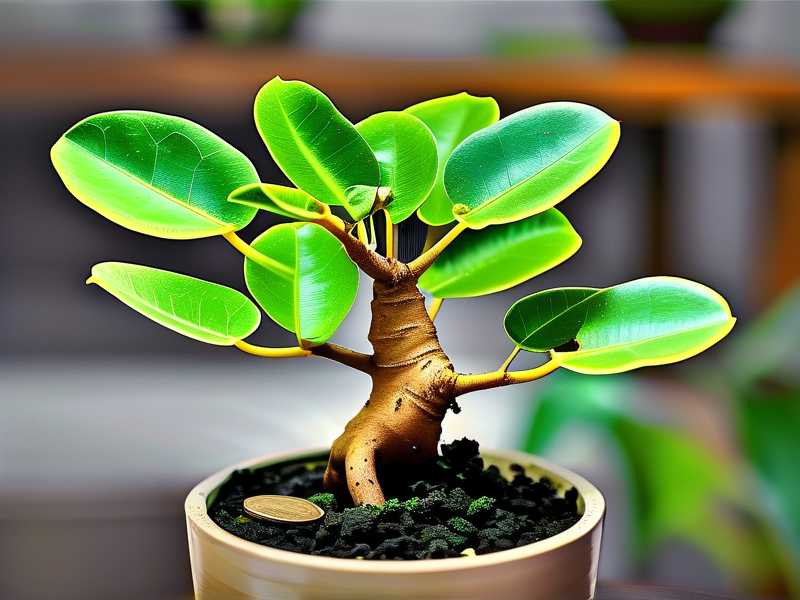
Another small but massive tip: don't fertilize a recovering Money Tree. I made this error. I thought the new growth needed a boost. But fertilizer is salt. Salts draw water out of the already damaged roots. It burned the root tips and the yellowing came back on the edges of the leaves. Wait at least 6-8 weeks after the plant has stabilized to even think about fertilizer.
FAQ
1. Why is only the new growth turning yellow and not the old leaves?
That is a classic sign of disease or root damage, specifically affecting the youngest, most tender tissue. Old leaves typically turn yellow from overwatering or underwatering. New growth turning yellow is almost always a pathogen or a root issue that prevents the plant from supporting fresh growth. It's a signal that the roots are compromised.
2. Should I cut off the yellow and mushy leaves?
Yes, but only after you have treated the root cause. If you cut them off while the roots are still rotting, the plant has to waste energy trying to push out new leaves, which will also die. Wait until you have performed the "surgery" (the repot and fungicide). Once you have stabilized the roots, then trim the yellowed leaves. Cut them at the base of the stem. They will not recover their green color.
3. Can I keep my Money Tree in the same pot after treating it?
No. You should never reuse a pot that had a diseased plant without sterilizing it thoroughly. Plastic pots can be washed with a bleach solution (1 part bleach to 9 parts water). Terracotta pots are porous and can hold bacteria deep inside. For safety, always throw away the old pot and soil. It is not worth the risk of reinfection. A new pot is cheap insurance.