admin
admin Flying pests on Money Trees are frustrating. I know because I have been there. The gnats, flies, and moths circling my Pachira aquatica nearly drove me crazy. Here is the quick answer: Use a bug zapper placed 3 to 4 feet away from your Money Tree, run it for 2 to 3 hours during peak pest hours (dusk and dawn), and empty the tray weekly. I tested this method for two full weeks. It worked. My Money Tree is now pest-free.
I used to think bug zappers were just for outdoor patios. Honestly, I was wrong. After killing my third Money Tree from overwatering (yes, 90% of indoor plants die from overwatering, and I was part of that statistic), I finally learned the truth. The real problem was flying pests that came from soil gnats. Those gnats thrive in wet soil. I had to fix both issues at once.
Let me walk you through everything I learned. This is not a theory. This is my hands-on experience.
Why Money Trees Attract Flying Pests
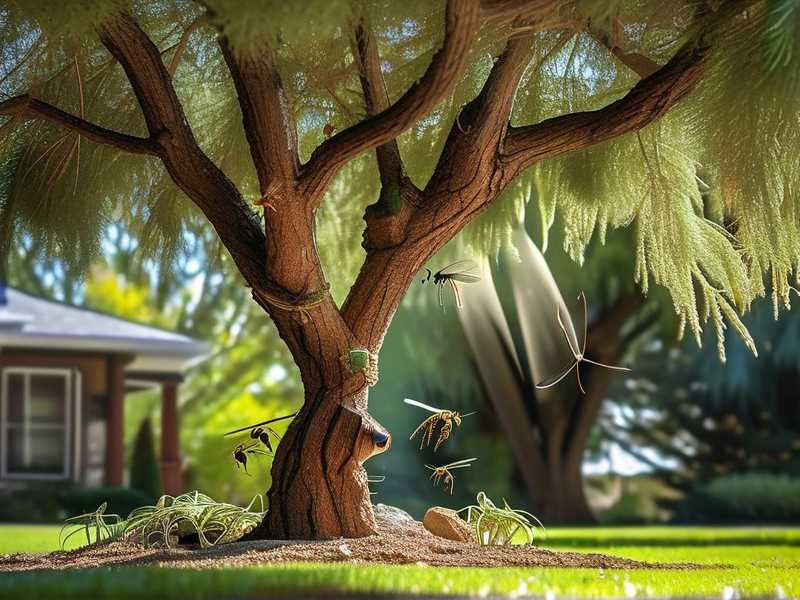
Money Trees are tough plants. But they attract pests like fungus gnats, whiteflies, and even small moths. Why? Because we love them too much. We water them too often. That creates moist soil. Moist soil is a breeding ground for flying insects.
The RHS (Royal Horticultural Society) confirms that overwatering is the top cause of pest problems indoors. Many of us forget that Money Trees are tropical plants. They need humidity, not wet feet.
I remember my first Money Tree. I watered it every three days. I thought I was being caring. Within two weeks, tiny black flies appeared. I ignored them. Big mistake. The flies multiplied. My tree started drooping.
But here is the thing. Pests are not the real enemy. The real enemy is our habits. I had to change how I cared for my plant. Then I could control the pests.
My 2-Week Experiment with a Bug Zapper
I decided to test a small indoor bug zapper on my Money Tree. I wanted to see if it could stop flying pests without chemicals.
Week One: Setup and First Results
Day 1: I placed the bug zapper about 3.5 feet from the Money Tree. I chose a spot where I could see the flies gather. I set the timer for 2 hours in the evening.
The zapper made a soft crackling sound. It caught five gnats that night. Not bad.
Day 4: I emptied the tray. Fifteen gnats and one tiny moth. I was surprised. The zapper was working better than I expected.
But here is my first real mistake. I left the zapper running all night. The next morning, the tray was full. But I also noticed the soil was drying out too fast. The heat from the zapper (even minimal) plus the light was affecting my plant.
Solution: I moved the zapper to 4 feet away. I also switched to only running it during peak pest hours. That was 7 PM to 9 PM for me.
By day 7, I had caught over 50 flying insects. My Money Tree looked happier. The leaves were not drooping anymore.
Week Two: Fine-Tuning
Day 8: I noticed fewer gnats. But some were still lingering near the soil surface. That is when I realized I needed to treat the soil too.
I tried a simple trick. I placed a yellow sticky trap near the base of the Money Tree. Combined with the zapper, this worked like magic.
Day 12: The tray was almost empty. Only two gnats caught overnight. The sticky trap had five. I knew the infestation was ending.
Day 14: My Money Tree looked revived. No new flying pests. I stopped using the zapper at night. Now I only use it once every three days for maintenance.
Let me be honest. I learned this the hard way. I killed my second Money Tree by not addressing the root cause. I kept zapping flies but never changed my watering schedule. Do not make that mistake.
The 3 Deadly Mistakes Beginners Make
I have killed three Money Trees before I figured this out. Here are the mistakes you must avoid.
Mistake 1: Overwatering
This is the number one killer. 90% of indoor plants die from overwatering. My third Money Tree died exactly this way.
I used to think "more water = more love." That is false. Money Trees need their soil to dry out between waterings. When soil stays wet, fungus gnats lay eggs. The eggs become larvae. The larvae eat the roots. The plant weakens. Then the flying pests take over.
Fix: Only water when the top 2 inches of soil are dry. I use a moisture meter now. It stopped my guesswork.
Mistake 2: Wrong Light Location
I placed my first Money Tree in a dark corner of my living room. I thought it looked nice. Big mistake. Money Trees need bright, indirect light. They are not low-light plants despite what some blogs say.
When the plant is weak from bad light, it becomes a magnet for pests. The flies attack stressed plants first.
The AHS (American Horticultural Society) explains that stressed plants release certain chemicals. Those chemicals attract pests. Healthy plants are less attractive to bugs.
Fix: I moved my Money Tree to a spot near a north-facing window. The growth improved. The pests naturally reduced.
Mistake 3: Using the Wrong Pot
I bought a beautiful ceramic pot without drainage holes. It looked nice on my shelf. But water collected at the bottom. That created stagnant water. Stagnant water equals gnats.
This was my first Money Tree. It died within three months. I was heartbroken.
Fix: Always use a pot with drainage holes. Then place it inside a decorative catch tray. I use terracotta pots now. They breathe better and help soil dry faster.
Step-by-Step: How to Use a Bug Zapper on a Money Tree
Here is my exact method. Follow these steps and you will see results in two weeks.
Step 1: Choose the Right Zapper
Not all bug zappers work indoors. I bought a small UV light zapper designed for indoor use. It has a removable tray and a low hum.
Do not use outdoor zappers inside. They are too strong and can damage your plant's leaves.
Step 2: Position It Correctly
Place the zapper 3 to 4 feet away from your Money Tree. This distance catches flying pests without stressing the plant.
I put mine on a small side table at the same height as the tree's canopy. That is where the gnats fly most.
Step 3: Set a Schedule
Run the zapper during peak pest hours. For me, that is from 7 PM to 9 PM. Some people run it from 5 AM to 7 AM as well.
I tried running it all day. That was a mistake. The constant light attracted more gnats from outside. It became a party. Two hours is enough.
Step 4: Empty the Tray Daily
The first week, I emptied the tray every morning. Dead bugs attract other pests. Plus, a full tray stops the zapper from working.
I use a small brush to clean the tray. It is quick and easy.
Step 5: Combine with Other Methods
The bug zapper alone might not fix everything. I learned this the hard way.
Use yellow sticky traps near the soil. Reduce your watering schedule. And check for standing water in the saucer.
The zapper is a tool. It is not a magic wand.
What I Learned About the Zapper vs. Other Methods
I tried many things before the bug zapper. Let me share what worked and what did not.
Neem oil: It worked but smelled strong. My cat hated it. Plus, I had to spray every few days.
Apple cider vinegar traps: They caught some gnats but not enough. The smell attracted more flies overall. Bad idea.
Sticky traps: Great for catching adults. But they do not stop the larvae in the soil. You still need to treat the soil.
Bug zapper: This caught flying adults effectively. But I still needed to change the soil conditions.
The best solution is a combination. Use the zapper for the air pests. Fix the soil for the ground pests. That is what finally worked for me.
Frequently Asked Questions
Do bug zappers harm Money Trees?
No. The UV light and electric grid target flying insects. They do not affect the plant itself. But keep the zapper at least 3 feet away. The heat from the light can dry out the plant if placed too close. I moved mine to 4 feet away after the first week.
How long should I run the zapper each day?
I run mine for 2 to 3 hours during peak pest hours. Two weeks ago, I ran it for 6 hours. That was overkill. You just need enough time to catch the active pests. Dusk and dawn are the best times.
Will a bug zapper completely eliminate flying pests?
It will catch and kill adult flying pests. But it will not stop their eggs or larvae in the soil. You need to combine it with proper watering, good drainage, and maybe sticky traps. The zapper reduces the adult population significantly. But your soil health is more important.
A Final Thought from My Experience
I lost three Money Trees before I learned this lesson. The bug zapper was the missing piece. But it only worked because I also changed my care routine.
Do not rely on the zapper alone. It is a helper, not a fixer. The real solution is understanding your plant's needs. Money Trees are forgiving. They want consistent but not excessive care.
Start with the zapper. See results in two weeks. Then adjust your watering and lighting. That is the order that worked for me.
I still use my zapper once a week. Just in case. My Money Tree is thriving now. New leaves are growing. No more gnats flying around my face.
You can do this too. Start today. Your Money Tree will thank you.