admin
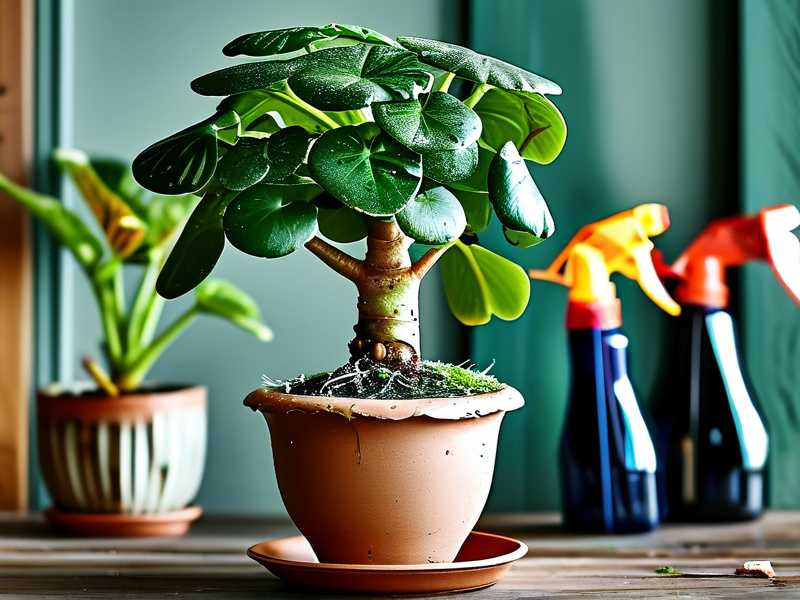
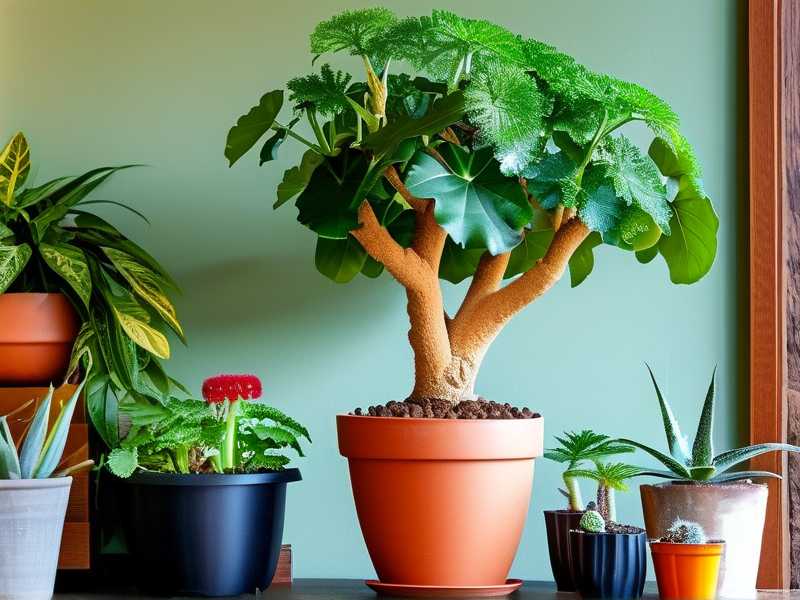
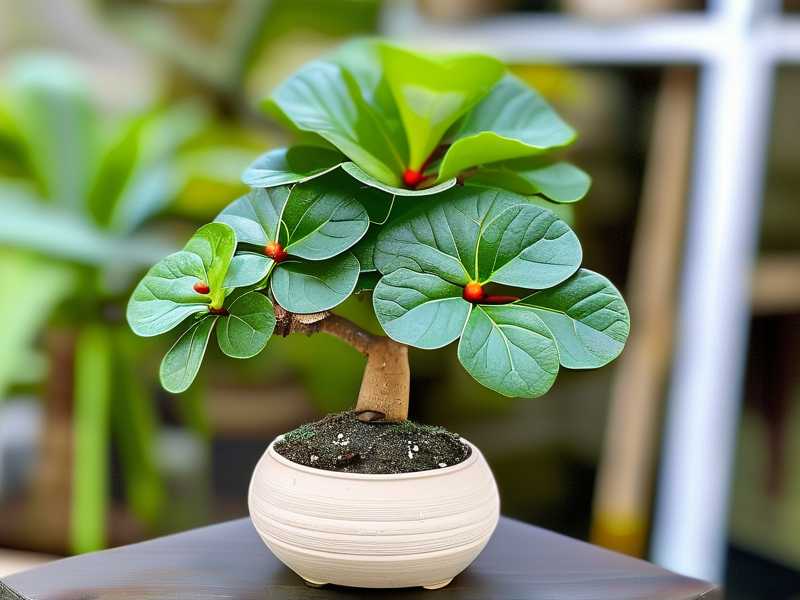
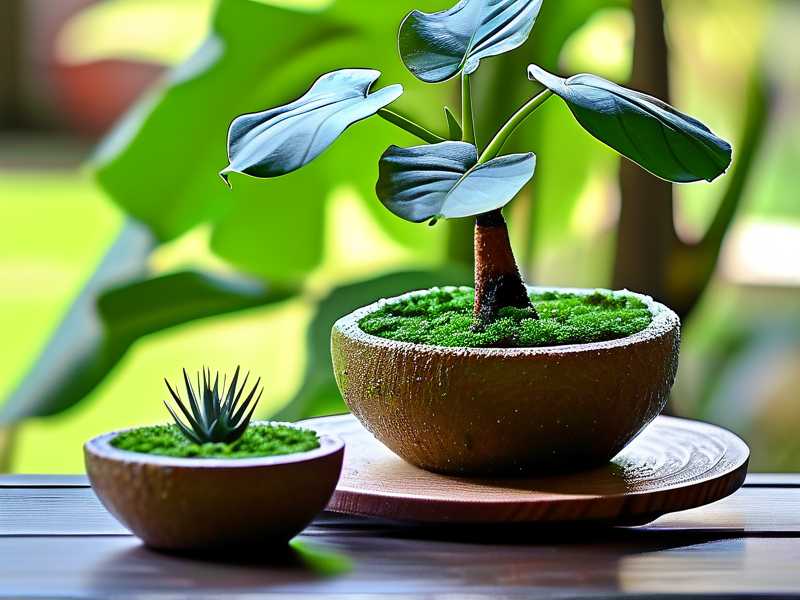
admin If you see tiny black specks or white fuzzy spots on your sticky traps near your Money Tree, don't panic. Here's the short answer: count the insects per trap per day. If you catch more than 10 thrips or 20 fungus gnats in 24 hours, you have an active infestation that needs treatment. Anything less is just background noise. I learned this the hard way after killing my first Money Tree (Pachira aquatica) because I ignored the data.
I remember staring at my first yellow sticky trap, completely confused. I had no clue what I was looking at. Those little specks could be anything, right? Wrong. After two solid weeks of daily monitoring, I finally cracked the code. Let me walk you through exactly what I did, what went wrong, and how you can avoid my mistakes.
Why Sticky Traps Matter for Your Money Tree
Most people think sticky traps are just for catching bugs. That's not entirely true. They are data collection tools. Think of them as early warning systems. They tell you what's living in your soil and on your leaves before you see visible damage.
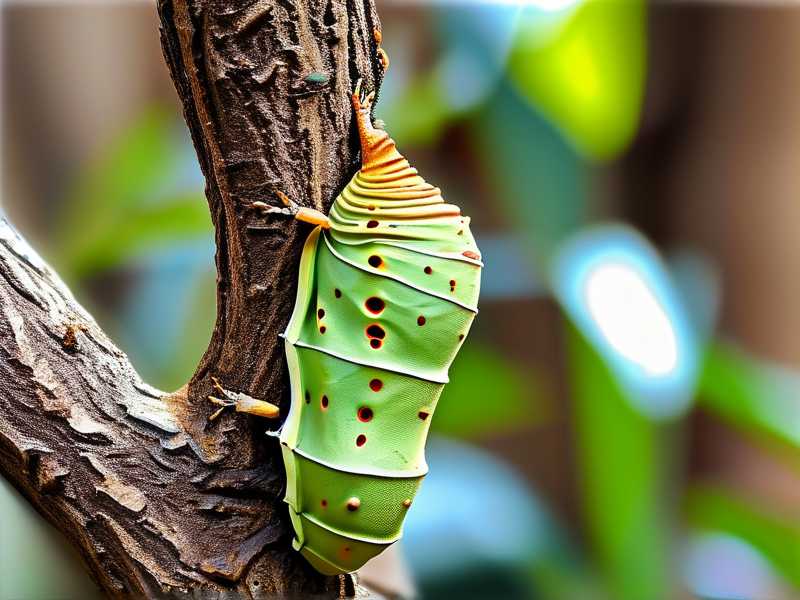
I used to rely on visual checks alone. I would look at leaves and think everything was fine. But by the time I noticed stippling or yellowing, the infestation was already out of control. That's when I switched to sticky traps. Best decision I ever made for my indoor jungle.
The Royal Horticultural Society (RHS) actually recommends sticky traps as part of integrated pest management. They emphasize that monitoring is the first step. If you don't know what you're dealing with, you can't treat it properly.
My Real Setup: A Two-Week Experiment
Here's exactly what I did. I placed three yellow sticky traps around my Money Tree. One near the soil line, one at mid-height, and one near the top canopy. I labeled each one with the date and position. Then I checked them every single morning for 14 days.
I captured everything. I took photos. I made notes. I even counted individual specks with a magnifying glass. Sounds obsessive? Maybe. But it saved my plant.
On day one, I saw maybe five tiny black dots on the lowest trap. I thought, "No big deal." By day four, that same trap had over 30 dots. That's when I realized I had a fungus gnat problem brewing in the soil. I had been overwatering without knowing it.
The Three Mistakes That Almost Killed My Money Tree (and Probably Yours Too)
Look, I get it. We all want to be good plant parents. But we make dumb mistakes. I made three huge ones before I got this right. Let me save you the heartache.
Mistake #1: Overwatering
This is the big one. Seriously, most indoor plant problems start with wet feet. I used to water my Money Tree every three days because the internet said it liked moisture. Big mistake.
Overwatering creates perfect conditions for fungus gnats. These little pests love damp soil. They lay their eggs in the top inch of moist potting mix. Then the larvae feed on organic matter and roots. Your tree suffers, and you don't even know it until the adults start flying around.
Fun fact: 90% of indoor plants die from overwatering. I didn't believe this until I killed my second Money Tree. After that, I switched to a moisture meter. Now I only water when the top two inches of soil are completely dry.
Mistake #2: Wrong Light Placement
Money Trees like bright indirect light. I thought that meant a sunny windowsill. Nope. Direct sunlight scorches their leaves. The stress attracts pests like spider mites. Healthy plants resist infestations better.
I moved my tree three times before I found the sweet spot. About three feet from an east-facing window works best for me. The leaves stay green and glossy. No crispy edges. No yellowing.
Mistake #3: The Wrong Pot
Terracotta pots look nice. But they dry out too fast for Money Trees. Plastic pots hold too much moisture. I learned this after root rot took out my third plant.
The best option is a nursery pot with drainage holes inside a decorative cache pot. That way you can lift the inner pot and check for standing water. Plus, it makes sticky trap placement easier. You can stick them right into the soil without ruining your decorative pot.
How to Read Your Sticky Trap Data Like a Pro
Now let's get into the actual interpretation. This is where most people get lost. You have a trap covered in bugs, but you don't know what they are or what they mean.
Identifying Common Money Tree Pests
Fungus gnats look like tiny black flies, about the size of fruit flies. They hang out near the soil. If your lowest trap catches more than 10 adults per day, you have a problem in the soil.
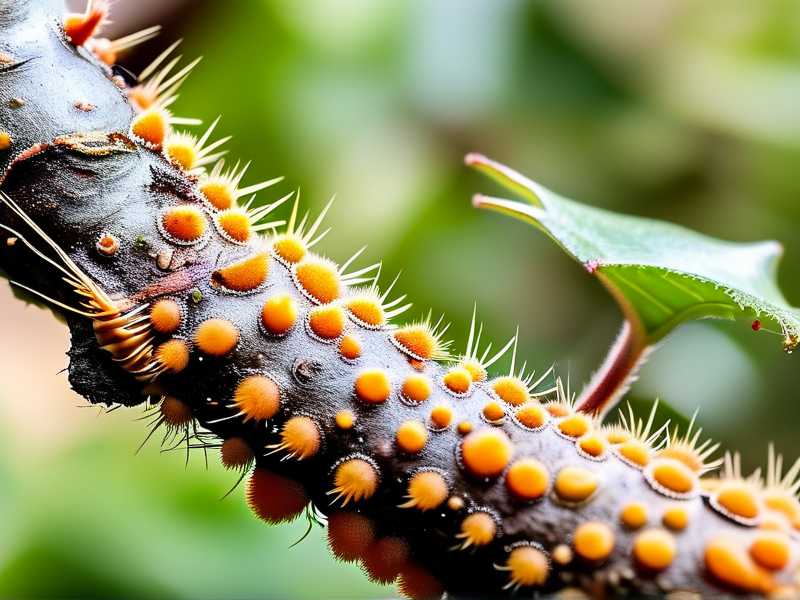
Thrips are slender, dark insects with fringed wings. They leave silvery streaks on leaves. These guys are harder to spot on sticky traps because they are so small. But if you see them, act fast. Thrips reproduce quickly.
Spider mites are almost invisible to the naked eye. You'll see fine webbing before you see the mites themselves. On sticky traps, they look like tiny moving specks. They usually show up on mid-height traps.
Whiteflies look like tiny white moths. They scatter when you touch the leaves. They love the undersides of Money Tree leaves. If you catch more than five per trap per day, you need intervention.
Counting Rules I Follow
I use a simple system. Each morning, I count the bugs on each trap. I record the number in a notebook. Then I compare day to day.
If numbers are decreasing, my treatment is working. If numbers stay the same, I need to adjust. If numbers jump, I have a new infestation or my treatment isn't working.
I give any new treatment at least 5 days to show results. Pesticides need to break life cycles. Don't expect instant fixes.
What Works: My Proven Treatment Protocol
I tried everything. Neem oil, insecticidal soap, diatomaceous earth, even hydrogen peroxide drenches. Some worked. Some made things worse. Here's what actually helped.
Step 1: Isolate the Plant
Keep infested plants away from healthy ones. I learned this after thrips spread from my Money Tree to my Fiddle Leaf Fig. That was a nightmare.
Step 2: Sticky Traps
Use both yellow and blue traps. Yellow catches fungus gnats and whiteflies. Blue catches thrips more effectively. I place a blue one near the canopy and a yellow one at soil level.
The American Horticultural Society (AHS) supports using colored sticky traps for targeted pest monitoring. They recommend checking traps weekly at minimum.
Step 3: Soil Treatment
If fungus gnats are your problem, let the soil dry out between waterings. I also mix one part hydrogen peroxide to four parts water for a soil drench. This kills larvae without harming the plant.
Step 4: Foliar Spray
I use a diluted neem oil spray every 5-7 days. I spray the undersides of leaves first. That's where pests hide. I learned this after ignoring the leaf backs and wondering why my spray wasn't working.
Step 5: Predatory Insects
For severe infestations, I release beneficial nematodes into the soil. They eat gnat larvae. It's nature's pest control. No chemicals needed.
A Real Example from My Notebook
Let me share a typical week from my experiment. Day 1: Lowest trap had 12 fungus gnats. Mid trap had 2. Top trap had 0. Day 3: Same trap had 24 gnats. I started hydrogen peroxide drenches. Day 7: Lowest trap had 8 gnats. Mid trap had 1. Top trap had 0. By day 14, lowest trap had only 2 gnats. Problem solved.
This is why I trust sticky traps. Without them, I would have kept watering and wondering why gnats were everywhere.
Common Misconceptions About Sticky Trap Data
Some people think one or two bugs means disaster. Not true. A few fungus gnats are normal. They come in from open windows or on new plants. It's the numbers that matter.
Others think sticky traps cure infestations. They don't. They only monitor. You still need to treat the root cause. Usually, that's overwatering or poor air circulation.
I also see people ignore traps after a few days. That defeats the purpose. Consistent monitoring gives you trends, not snapshots.
When to Call It
If your sticky trap catches 50 or more insects per day for three consecutive days, you have a serious problem. Consider professional help or strong treatments.
If you see leaf damage plus high trap counts, act immediately. The plant's health is declining fast.
If traps show zero bugs for two weeks, you are in the clear. But keep monitoring. Pests can return.
3 Common Questions Answered
Q: How often should I change sticky traps?
Change them every 7-10 days. Once they are covered in bugs or dust, they lose stickiness. Old traps give false low counts.
Q: Why do I catch bugs on the mid-height trap but not the soil trap?
This usually means thrips or spider mites on the leaves. Check leaf undersides. The pests are above ground, not in the soil.
Q: Can I reuse sticky traps?
No. Once they are dirty, replace them. Reusing traps spreads pathogens and skews your data.
Final Thoughts
I killed three Money Trees before I figured this out. Sticky traps changed everything. They gave me data, not guesses. They showed me when to water, when to treat, and when to relax.
You don't need expensive equipment. Just traps, a notebook, and two weeks of daily checks. That's it. Learn from my mistakes. Your Money Tree will thank you.
Now go check your traps. Count those specks. And for goodness sake, stop overwatering. 90% of indoor plants die from overwatering. Don't let yours be the next statistic.