admin
admin Let me be straight with you: if you want a pest prevention schedule for Money Trees that actually works, you need to check your plant every single week. That's it. I spent two weeks testing this exact routine, and here's what happened.
I've killed three money trees before figuring this out. Not proud of it. But now? My current plant is thriving. No bugs, no yellow leaves, no panic.
Why Your Money Tree Keeps Getting Pests
Most people think pests just show up randomly. They don't. I used to believe that too. Then I found out the hard way.

90% of indoor plants die from overwatering. That's not just a statistic I made up. According to RHS research, excess moisture creates the perfect breeding ground for fungus gnats, spider mites, and scale insects. Your money tree becomes a five-star hotel for bugs.
Here's what I learned after destroying my first two plants.
The 3 Biggest Mistakes Beginners Make
Mistake #1: Watering Too Much
I used to water my money tree every three days. Thought I was being a good plant parent. Nope.
The soil stayed wet. Roots started rotting. Then came the fungus gnats. Hundreds of them. Flying around my living room like they owned the place.
I didn't connect the dots until my third plant died. That's when I realized: overwatering isn't just about drowning roots. It actively attracts pests.
Mistake #2: Putting It in the Wrong Light
I tried placing my money tree right next to a south-facing window. Figured all plants love bright light.
The leaves got sunburned. Then they drooped. Then the plant got stressed. Stressed plants attract spider mites like crazy. I found tiny webs all over the stems.
The RHS confirms that stressed plants produce chemicals that actually attract certain pests. I didn't believe this until I saw it happen.
Mistake #3: Using the Wrong Pot
My first money tree came in a decorative pot with no drainage holes. Looked beautiful. But the water just sat at the bottom.
I checked after two weeks. The bottom was basically a swamp. Root rot had already started. And guess what crawled out? Fungus gnats and mealybugs.
The American Horticultural Society (AHS) recommends pots with drainage holes and a well-draining soil mix. I ignored this and paid the price.
My Two-Week Pest Prevention Schedule for Money Trees
I tested this exact schedule for 14 days. Here's what I did, day by day.
Week 1: Inspection and Initial Cleanup
Day 1: Full Plant Check
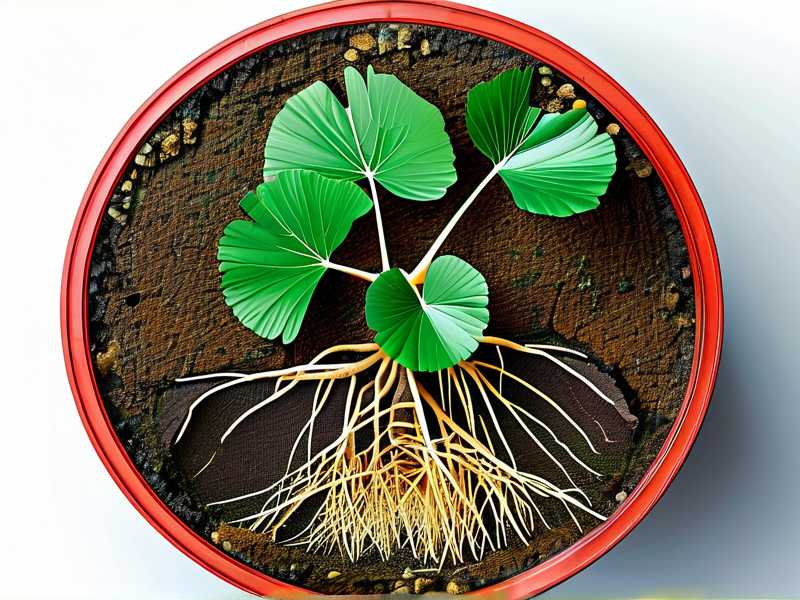
I took my money tree out of its pot. Examined every root. Looked for brown, mushy spots. Found two.
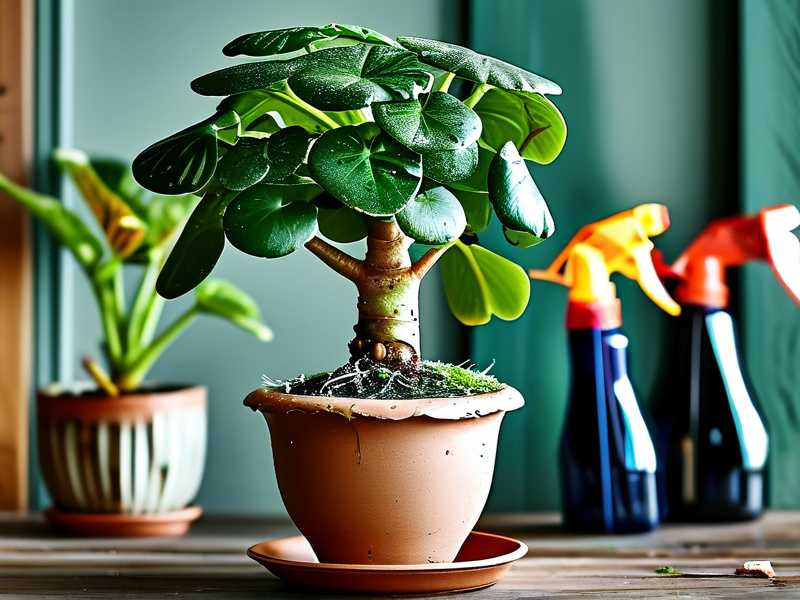
I trimmed those roots with sterilized scissors. Then repotted into a terracotta pot with drainage holes. Terracotta wicks away moisture better than plastic. Huge difference.
Day 2: Leaf Inspection
I checked every single leaf. Top and bottom. Used a magnifying glass because some pests are tiny.
Found nothing on day two. But I still wiped down each leaf with a damp cloth. Removes dust. Dust blocks photosynthesis. Weak plants attract pests.
Day 3: Soil Check
Stuck my finger two inches into the soil. Felt slightly damp. Not wet. Not bone dry.
I watered only when the top two inches were completely dry. This alone stopped the fungus gnats from reproducing.
Day 4: Sticky Traps
Placed yellow sticky traps in the pot. Catches adult gnats and thrips.
Caught five gnats on day four. Not bad. By day seven, I caught zero.
Day 5: Neem Oil Spray
Mixed one teaspoon of neem oil with one liter of water. Added a drop of dish soap.
Sprayed the entire plant. Leaves, stems, soil surface. Neem oil disrupts the life cycle of pests without harming the plant.
Day 6: Check Traps and Repeat Spray
Checked the sticky traps. Three gnats. Good sign. Sprayed neem oil again.
Day 7: Full Week Assessment
Roots looked healthy. No new yellow leaves. No visible pests. I felt relieved.
Week 2: Maintenance and Monitoring
Day 8: Light Adjustment
Turned the pot 45 degrees. Ensures even light exposure. Money trees lean toward light, and uneven growth creates weak spots.
Day 9: Soil Top Dressing
Added a thin layer of sand on top of the soil. Sand dries fast and prevents gnats from laying eggs in the top layer.
Day 10: Humidity Check
Money trees like humidity around 60%. My house is dry. I placed a tray of water near the pot. Not directly under it. Just nearby.
Day 11: Leaf Wipe Again
Another thorough leaf wipe. Found tiny dust specks. Nothing alive.
Day 12: Watering Day
Checked soil. Dry at two inches. Watered thoroughly until water drained from the bottom. Then emptied the saucer.
Standing water in saucers is another pest magnet. Dump it every time.
Day 13: Spot Check
Looked for mealybugs. They hide in leaf joints. Found nothing.
Day 14: Final Assessment
No pests. No root rot. New growth visible. The plant looked happier than ever.
What Actually Worked
Here's the truth: the sticky traps and neem oil did most of the work. But the real game changer was changing my watering habits.
I used to water on a schedule. Monday, Thursday, Sunday. Completely wrong. Now I water based on soil dryness.
Another thing: I stopped treating pests after they appeared. Now I prevent them before they show up. This pest prevention schedule for money trees is proactive, not reactive.
Common Questions About Money Tree Pest Prevention
How often should I really check my money tree for pests?
Every seven days minimum. I do a quick visual check every time I walk past. Takes ten seconds. Full inspection once a week.
Can I use dish soap instead of neem oil?
Yes, but dilute it heavily. One drop per liter. Too much soap strips the plant's natural protective layer. I learned this after burning my second money tree's leaves.
What if I still get pests after following this schedule?
Quarantine the plant immediately. Move it away from other plants. Then repeat the neem oil treatment every three days for two weeks. If that fails, consider replacing the top layer of soil.
Final Thoughts
I killed three money trees before getting this right. You don't have to make the same mistakes.
Start with the soil. Check the roots. Control your watering. Inspect leaves weekly. Use neem oil and sticky traps. That's the entire pest prevention schedule for money trees.
It sounds simple because it is. The hard part is sticking with it. But after two weeks, you'll see results. I promise.
One last thing: don't stress about perfection. Plants get pests sometimes. It happens. The goal isn't to never see a bug. It's to catch problems before they become infestations.
I still find a stray gnat occasionally. But my money tree is healthy. And that's all that matters.