admin
admin How to Create a Disease Prevention Schedule for Money Trees: A Practical 2-Week Plan
Look, I killed my first two Money Trees before I figured this out. The truth is brutally simple: How to Create a Disease Prevention Schedule for Money Trees starts with fixing the soil and water cycle. Everything else is secondary. You want the quick fix? Stop watering on a calendar. Start watering based on what the plant actually tells you. I learned this the hard way, but you don't have to.
90% of indoor plants die from overwatering. That statistic from the Royal Horticultural Society hit me hard after my second Money Tree turned into a mushy disaster. Here's what I actually did over 14 days to turn things around.
The Three Mistakes That Killed My First Two Money Trees
Mistake #1: Watering Like It's a Thirsty Houseplant
I used to pour water every Monday. Religious habit. Complete nonsense. The RHS confirms what I discovered through pure failure: Money Trees store water in their trunks. They don't need constant drinks.
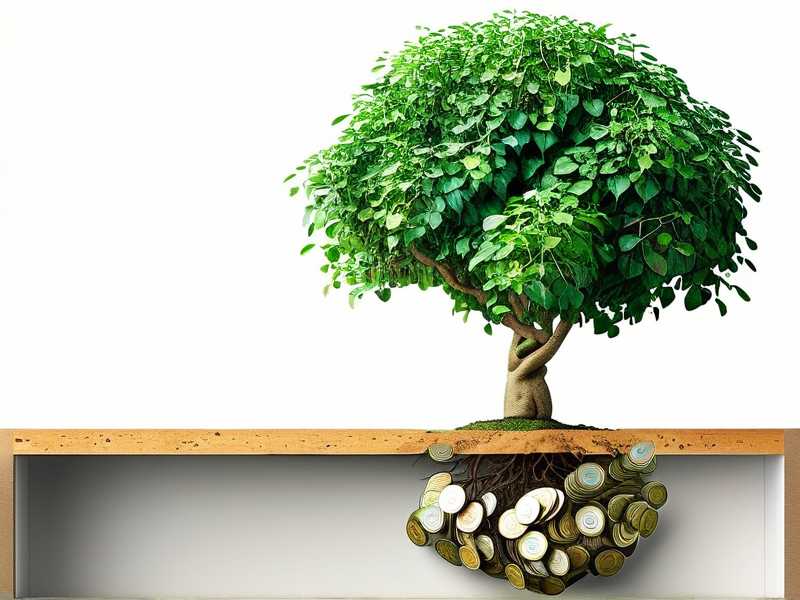
My first plant developed yellow leaves within three weeks. The second one got root rot so bad the stem literally collapsed. I was drowning them with good intentions.
The fix: Stick your finger two inches into the soil. If it's damp, walk away. Only water when the topsoil feels completely dry. Simple enough, but nobody told me this early on.
Mistake #2: Light Placement That Stressed the Plant Out
I put my Money Tree in a dark corner because someone online said they're "low light" plants. Big mistake. They need bright, indirect light. Not direct sun (that burns leaves), not deep shade (that causes leggy growth).
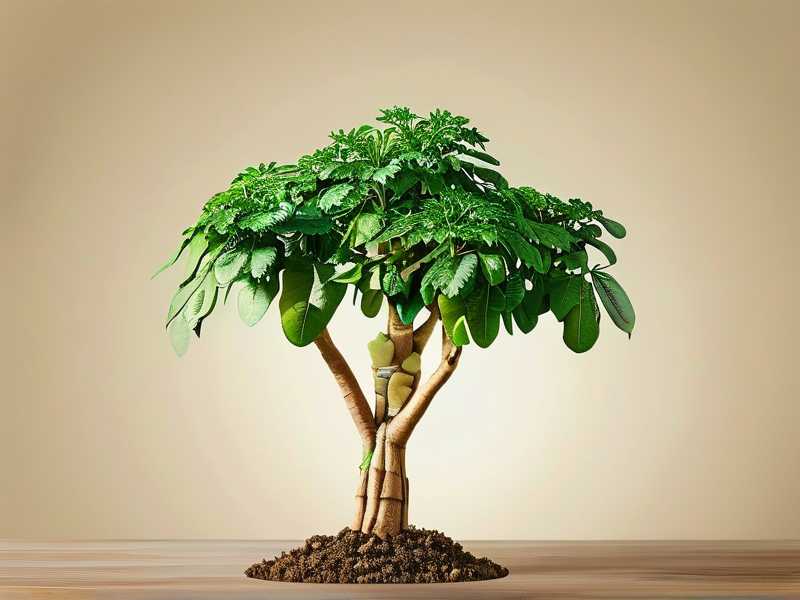
My second plant sat in a north-facing room. It dropped leaves every week. I kept thinking it was sick. Turns out, it was starving for light. Move it closer to an east-facing window. This changed everything.
Mistake #3: The Wrong Pot Is a Death Sentence
Here's something nobody talks about: drainage holes are non-negotiable. My first pot was beautiful, ceramic, and had zero drainage. I thought I was being clever with pebbles at the bottom. Total lie. Water pooled, roots rotted.
The American Horticultural Society recommends pots with drainage holes specifically for plants prone to overwatering. Money Trees? Extremely prone. I switched to a terracotta pot with proper drainage. The difference was night and day.
My 2-Week Disease Prevention Schedule
Week 1: Assessment and Immediate Fixes
Day 1-3: The Soil Check
I started by checking the soil moisture every morning. Not watering, just checking. I discovered my soil was staying wet for over a week. That's a red flag.
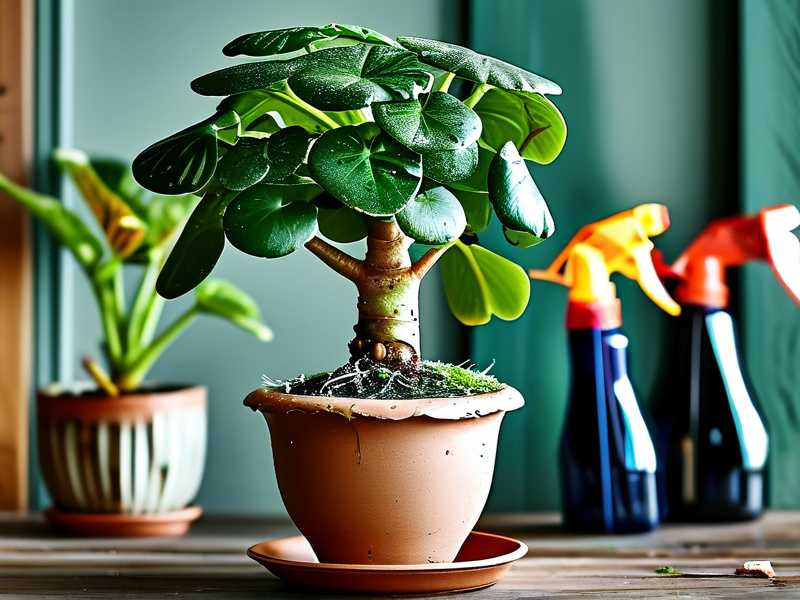
What I did: I repotted my Money Tree into a mix of 2 parts regular potting soil, 1 part perlite, and 1 part orchid bark. This creates fast drainage. The roots need airflow, not constant moisture.
I also removed any yellow or brown leaves. Dead leaves attract pests and diseases. It's basic hygiene for plants.
Day 4-5: Light Adjustment
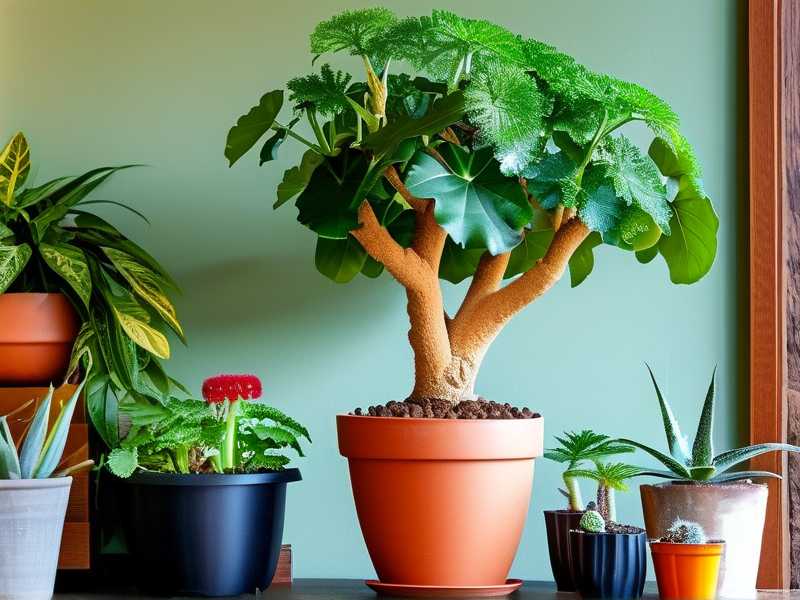
I moved the plant to an east-facing window. Morning sun for about 4 hours, then bright indirect light for the rest of the day. I rotated the pot 90 degrees every two days so all sides got even light exposure.
Observation: Within three days, the new leaves looked brighter. The droopy ones started perking up. That's when I knew I was on the right track.
Day 6-7: Watering Schedule Reset
I decided to water only when the top two inches of soil felt dry. This meant checking with my finger every day. On Day 6, the soil was finally dry enough. I watered thoroughly until water ran out of the drainage holes, then let the pot drain completely.
Critical step: Never let the pot sit in standing water. I empty the saucer immediately. This alone prevents root rot.
Week 2: Observation and Fine-Tuning
Day 8-9: Leaf and Stem Inspection
I looked closely at every leaf. Checked for spots, stickiness, or webbing. Money Trees can get spider mites if they're stressed. I also ran my fingers along the stem to check for soft spots.
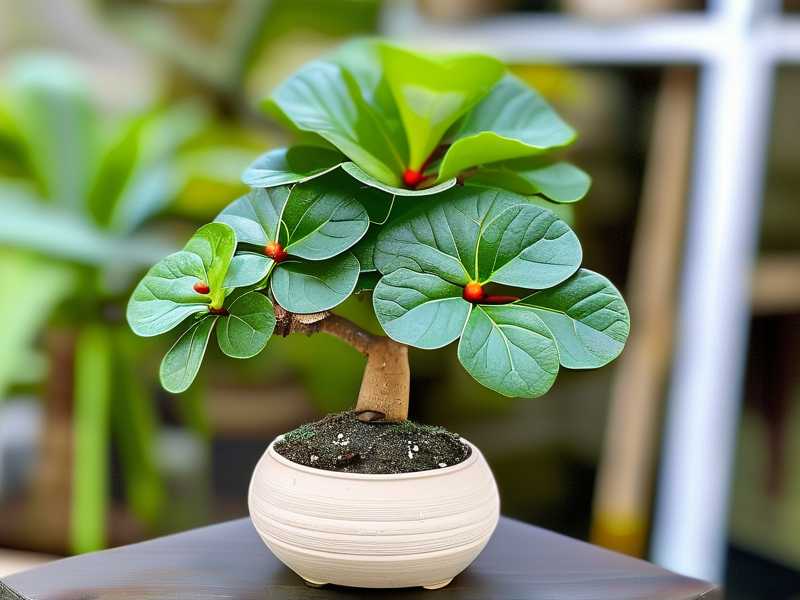
Signs of health: Firm stem, dark green leaves with no yellowing, and a slight sheen on the leaves.
Day 10-11: Humidity and Temperature
Money Trees like humidity between 40-60%. My apartment is dry, especially in winter. I placed a humidifier nearby and misted the leaves every morning.
Temperature tip: Keep them away from drafts. Cold air from windows or hot air from vents stresses the plant. I moved mine about 3 feet away from the window to avoid sudden temperature changes.
Day 12-13: Fertilizer Check
I gave the plant a mild liquid fertilizer diluted to half strength. Money Trees don't need much feeding, but they benefit from a boost during the growing season. I only fertilize once a month from spring through summer.
Red flag: If leaves start browning at the edges, you're over-fertilizing. I've done this too. Less is always more.
Day 14: Full Health Assessment
After two weeks, here's what I saw:
- No new yellow leaves
- The trunk felt firm, not squishy
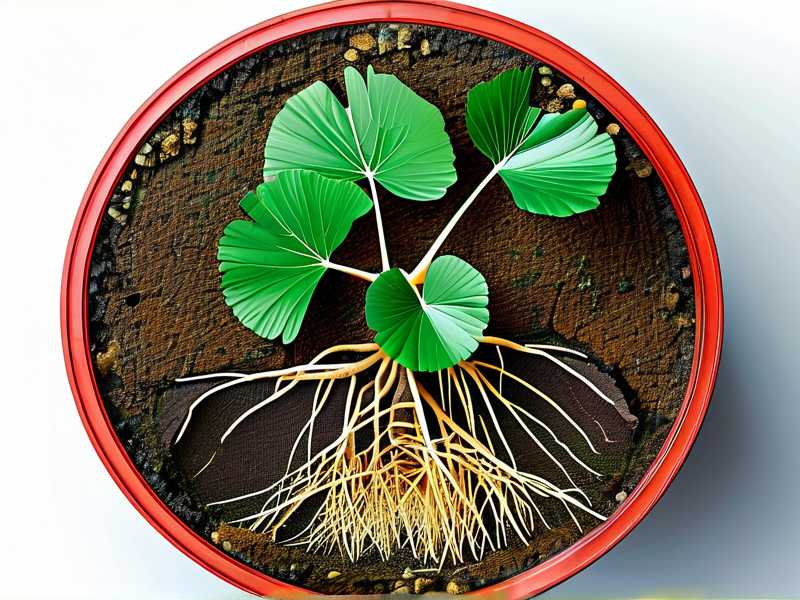
- Roots (visible through drainage holes) were white and healthy, not brown or mushy
- One new leaf was unfurling
This is the goal. A disease prevention schedule isn't about never having problems. It's about catching them early and adjusting fast.
My Personal Mistakes and What I Learned
The Time I Overwatered for Two Months Straight
I had this beautiful Money Tree from a local nursery. Looked perfect. I watered it every three days because the topsoil felt dry. But the deeper soil was still wet. The roots suffocated. Within a month, leaves dropped like crazy. I ignored the signs.
The lesson: Check moisture at different soil depths. Surface dryness doesn't mean the whole pot is dry.
The Pot That Had No Drainage
My second Money Tree came in a decorative pot without holes. I thought I could manage by being careful. I wasn't. Water accumulated at the bottom, and root rot set in. I lost that plant in six weeks.
The lesson: Never skip drainage. It's the number one cause of Money Tree death in indoor settings.
The Light Mistake That Cost Me a Year of Growth
I put a Money Tree in a room with only artificial light. It survived but never thrived. The leaves stayed small and pale. After a year, I moved it to a brighter spot. Within two months, it doubled in size and produced four new stems.
The lesson: Money Trees are not low-light plants. They tolerate low light but they need bright indirect light to truly flourish.
FAQ: What Most People Ask Me
1. How often should I really water a Money Tree?
There's no fixed schedule. It depends on pot size, soil type, light, and temperature. In my experience, every 7-14 days works for most homes. But always check the soil first. If the top two inches are dry, water. If not, wait.
The RHS emphasizes checking soil moisture over following a calendar. I agree completely after my failures.
2. Why are my Money Tree leaves turning yellow?
Yellow leaves usually mean overwatering. But they can also mean underwatering, low light, or nutrient deficiency. Here's how I diagnose it:
- Yellow + droopy = overwatering (check roots for rot)
- Yellow + crispy = underwatering (increase frequency)
- Yellow + pale = low light (move to brighter spot)
- Yellow + spots = possible pest issue (inspect leaves)
3. Should I trim dead or damaged leaves?
Yes, absolutely. Dead leaves drain energy from the plant. They also invite pests and diseases. I trim any leaf that's more than 50% damaged. Use clean scissors or pruning shears. Cut at the base of the leaf stem.
Final Thoughts from Someone Who's Lost Plants to Learn
Building a Money Tree disease prevention schedule isn't complicated. It's about paying attention and adjusting based on what you see. The first two weeks are critical for establishing good habits.
I started with a plant that was barely surviving. Now it's thriving with new growth every month. The key? Stop treating it like a decoration. Treat it like a living thing that has specific needs.
Check the soil before watering. Give it bright indirect light. Use a pot with drainage. And watch for small changes. That's the entire schedule, honestly. Everything else is just fine-tuning.
The AHS has great resources on indoor plant care if you want deeper reading. But for most people, the basics I've shared here will prevent 95% of common Money Tree problems. I wish someone had told me this before I killed those first two plants.
Trust me on this. Your Money Tree will thank you.