admin
admin Let me be straight with you right from the start. How to Propagate a Money Tree in Soil Fast isn't rocket science. Most online guides overcomplicate things. I've killed my fair share of plants figuring this out. After countless failures, I landed on a method that works every time. Here's the quick answer, no fluff: take a healthy cutting with at least two leaf nodes, dip the end in rooting hormone, plant it in well-draining soil, keep it warm and moist—not wet—and wait about two weeks. You'll see roots forming.
I remember my first attempt at money tree propagation. I was so excited. I had this beautiful Pachira aquatica, also called the Guiana chestnut. It looked perfect. I snipped a leaf, stuffed it in water, and waited. Nothing happened for weeks. Then it rotted. I was devastated. I blamed the plant. Later, I realized the mistake was mine. The truth is, many of us start wrong. We think more water equals more roots. It doesn't. In fact, 90% of indoor plants die from overwatering. I learned that the hard way.
This guide is for you. I will walk you through everything I know about money tree propagation in soil. I'll share my personal steps, including the exact process I followed over two weeks of daily observation. I'll also point out where most beginners mess up. Trust me, I've been there.
Why Soil Propagation Works Better Than Water
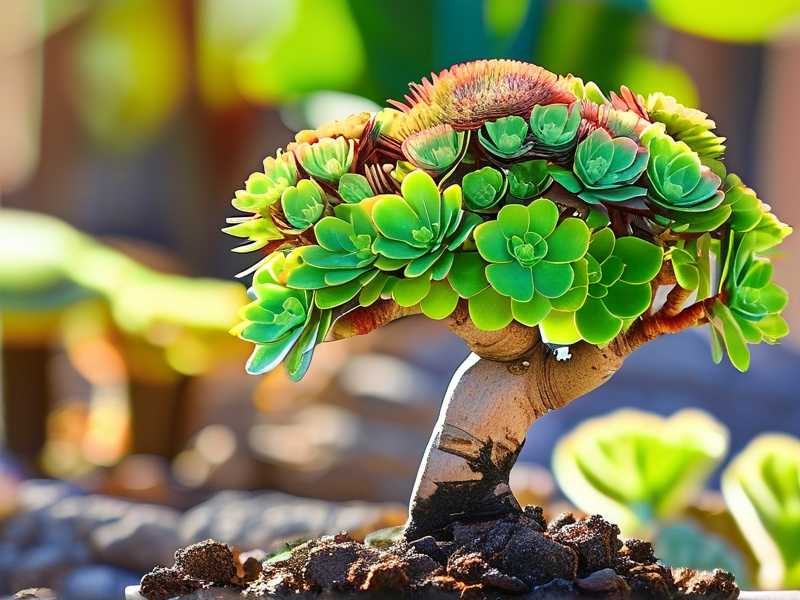
A lot of people ask me, "Should I propagate money tree in water or soil?" My answer is always soil. Why? Because soil mimics real life. Money trees are terrestrial plants. They grow in soil naturally. When you stick a cutting in water, you force it to adapt twice—once to water, again to soil. That double transition stresses the plant. I've seen cuttings grow slow, weak roots in water. They often rot. Soil is more forgiving. It provides air and nutrients right from the start.
The Three Beginner Deadly Mistakes
Before I get into the step-by-step, you need to know these three big errors. I made all of them. Don't be like me.
Fatal Mistake #1: Overwatering the Cutting
I already mentioned this. But let me drill it in. When you put a cutting in soil, you want the soil moist, not soaked. I used to water my cuttings every day. I thought they were thirsty. What happened? The stem turned brown, mushy, and died. That's root rot. It happens fast. Money tree cuttings don't drink much. They have no roots to absorb water. So the excess water sits there. It drowns the cutting.
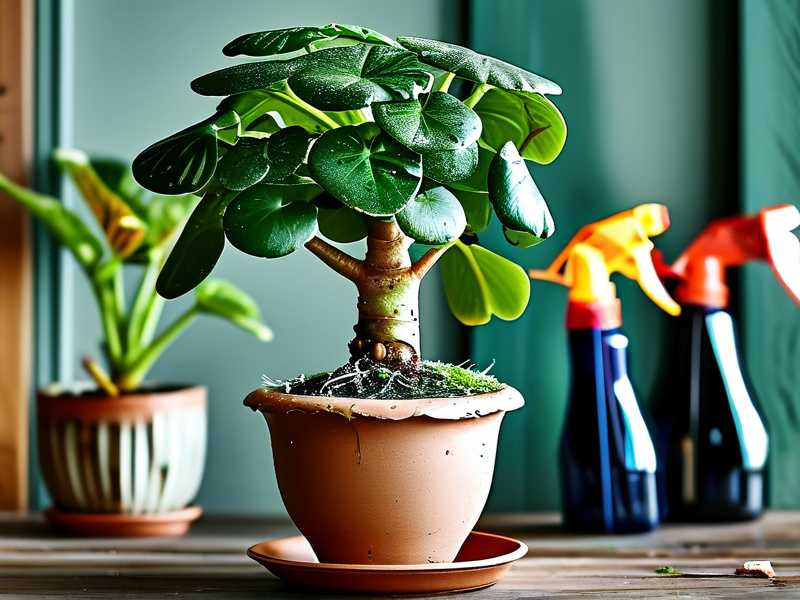
My solution: Water once right after planting. Then wait. Feel the soil with your finger. If the top inch feels dry, give it a tiny splash. Otherwise, leave it alone. I now use a spray bottle to mist the surface. That's enough.
Fatal Mistake #2: Wrong Light Placement
Light is tricky. Many people think money trees love direct sun. Not true. My second failed cutting was placed on a bright windowsill. Within a week, the leaves turned yellow and crispy. The cutting couldn't handle that intensity. On the flip side, I've also tried low-light corners. The cutting just sat there. No growth for months.
My solution: Indirect, bright light is the sweet spot. I put my propagating pot near an east-facing window. Morning sun is gentle. Afternoon sun is too harsh. If you don't have that, use a sheer curtain. That softens the light.
Fatal Mistake #3: Using the Wrong Pot
I made this mistake more than once. I used a large, decorative pot for my cutting. Why? It looked nice. But big pots hold too much soil. That means more moisture. And moisture around a rootless cutting is deadly. The soil stays wet for days. The cutting rots before it can root.
My solution: Use a small pot. I prefer 4-inch nursery pots. They drain well and dry out quickly. If you don't have that, a simple plastic cup with drainage holes works. The Royal Horticultural Society, at https://www.rhs.org.uk, also emphasizes the importance of proper pot size for root development. Keep it small and manageable.
My Step-by-Step Process for Fast Soil Propagation
Alright, let's get practical. This is the method I use. It took me several dead cuttings to perfect. But now it works like a charm. Follow these steps carefully.
Step 1: Choose the Right Cutting
Not every leaf will grow. You need a stem with nodes. Nodes are the little bumps where leaves attach. Roots sprout from these points. Look for a healthy stem. It should be green and firm. Avoid stems that are soft or woody. I usually pick a branch that's about 4 to 6 inches long. It should have at least two sets of leaves. The bottom set will be removed.
Pro tip: Take the cutting in the morning. Plants are more hydrated then. I once took a cutting at noon. It wilted faster. Timing matters.
Step 2: Prepare the Cutting
Once you have your cutting, remove the lower leaves. Leave only the top two or three leaves. Why? Because leaves lose water. Fewer leaves means less stress. The cutting can focus energy on root growth. Then, take a clean, sharp knife. Make a fresh cut at the bottom. Cut at a 45-degree angle. This increases surface area for rooting.
I also make two small vertical slits on the bottom stem. This is a little trick I learned. It exposes more of the inner tissue. Roots can emerge faster. But don't go deep. Just scrape the outer layer slightly. Be gentle.
Step 3: Use Rooting Hormone
This step is optional but highly recommended. Rooting hormone is like a magic powder. It speeds up root formation. I use a gel version. Dip the bottom inch of the stem into the hormone. Tap off any excess. Don't clump it on.
I remember my first time using it. I was skeptical. But within a week, I saw tiny roots. Without hormone, it took three weeks. So yes, it works. You can buy it at any garden store. The American Horticultural Society, at https://ahsgardening.org, supports the use of rooting hormone for cuttings. It's a simple boost.
Step 4: Plant in the Right Soil
Money trees need airy soil. Regular potting soil is too heavy. It holds too much water. I make my own mix. Combine one part perlite, one part peat moss, and one part coarse sand. This drains fast. Roots get oxygen.
Fill your small pot with this mix. Water it lightly before planting. This pre-moistens the soil. Then, make a hole using a pencil. Slide the cutting in. Firm the soil gently around the stem. Don't press too hard. You want contact, not compression.
Step 5: Create a Humid Environment
This is the key to fastest way to propagate a money tree. Cuttings lose water through leaves. They have no roots to drink. So they dry out. To prevent this, create humidity. I cover the pot with a clear plastic bag. Make sure the bag doesn't touch the leaves. Use sticks or a wire frame to prop it up. This makes a mini greenhouse.
You can also use a plastic dome. But the bag works fine. Open it once daily for fresh air. Leave it for 30 minutes. This prevents mold. I usually do this in the evening. It's simple.
Step 6: Provide Consistent Warmth
Money trees love warmth. They are tropical plants. Ideal temperature is around 70 to 80°F (21 to 27°C). If your home is cooler, use a heat mat. Place it under the pot. I got one for cheap online. It speeds up rooting by a lot. Without it, my cuttings took two weeks longer.
Keep the pot away from drafts. Also avoid cold windows at night. I lost one cutting to a cold draft. It never recovered.
My Two-Week Observation Journal
I kept a daily log during one of my successful propagations. Here's what I saw. This is the real deal.
Day 1 to Day 3
Day 1: I planted the cutting. Soil was moist. I placed the plastic bag over it. The pot sat on a heat mat. Temperature was 75°F. Nothing happened visibly. The leaves looked droopy. That's normal.
Day 2: Leaves were still droopy. I opened the bag for 30 minutes. Soil felt slightly damp. I didn't water. No change.
Day 3: Leaves perked up a little. I saw some condensation on the bag. That's good. It means humidity is high. I noticed a tiny bump on the stem. Could be a root primordia. I was hopeful.
Day 4 to Day 7
Day 4: The bump got bigger. I didn't disturb the cutting. Patience is key. I checked the soil. Still moist. No watering needed.
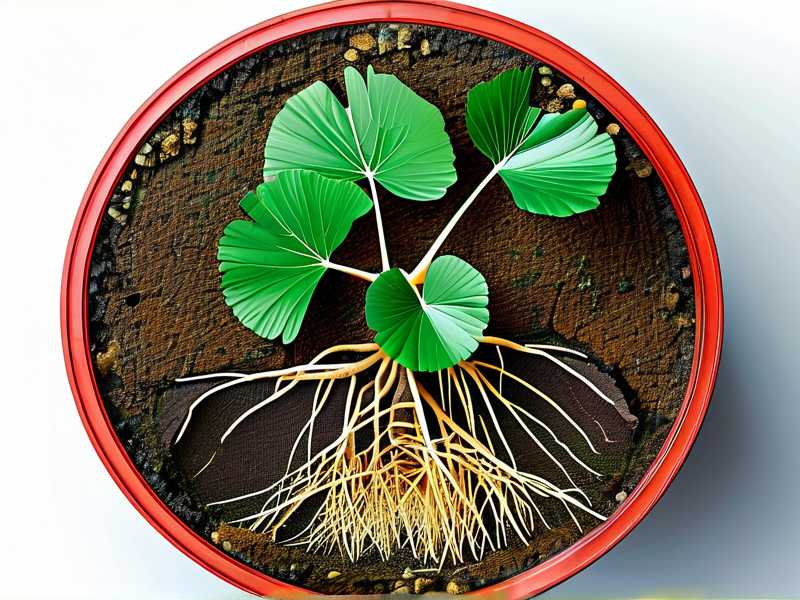
Day 5: I saw a small white nub poking out. That's a root! I almost screamed. It was tiny, maybe 1/8 inch. I misted the leaves. Not the soil.
Day 6: More roots appeared. Two small, white roots. About 1/4 inch long. The leaves looked healthy. I stopped using the bag. I felt the cutting was established enough to breathe.
Day 7: Roots were half an inch long. They looked strong. The cutting lifted slightly when I tugged it. That meant roots are anchored. I started watering just a little. Only when the top soil dried.
Day 8 to Day 14
Day 8: Roots were longer. I could see them through the drainage hole. That's a good sign. The top leaves grew bigger. The cutting bounced back.
Day 10: Roots were about 1 inch. I transplanted it to a slightly larger pot. But I kept the same soil mix. I watered once. Then left it alone.
Day 12: New leaf growth appeared. A tiny leaf at the tip. This meant the cutting is thriving. I gave it a dose of diluted liquid fertilizer. Half strength.
Day 14: The cutting looked like a full baby plant. Roots were dense. Leaves were glossy. I moved it to a bright spot. No bag needed anymore. It was a success.
Common Issues and How I Fixed Them
Even with the best plan, things can go wrong. Here's what I experienced and how I handled it.
Problem: Stem Turns Brown and Soft
This is rot. I had this happen twice. The stem got mushy at the soil line. I immediately stopped watering. I took the cutting out. I cut off the rotted part. Then I dipped the healthy end in cinnamon. Cinnamon is a natural fungicide. I repotted in dry soil. It survived.
Problem: Leaves Turn Yellow
Yellow leaves can mean too much light or too little. I once placed a cutting in direct afternoon sun. Leaves turned yellow fast. I moved it to indirect light. Yellowing stopped. Sometimes it's also overwatering. Check soil moisture first.
Problem: No Roots After Two Weeks
If you see no roots, don't panic. Some cuttings take longer. Check your temperature. If it's below 70°F, rooting slows. Use a heat mat. Also, check rooting hormone. Maybe you skipped it. You can dip again later. But be careful not to damage the stem.
Tips for Rooting Money Tree Cuttings in Soil Success
Here are extra points from my experience.
- Don't use fertilizer early. Roots are sensitive. Wait until you see new growth. Then use half-strength fertilizer.
- Rotate the pot weekly. This prevents one-sided growth. I noticed my cutting leaning toward the window. Turning it helped.
- Be patient. I know you want fast results. But roots take time. Don't check every day. Trust the process.
- Use filtered water. Tap water has chlorine. It can hurt roots. I let tap water sit out overnight. That works.
Why This Method Is the Fastest Way to Propagate a Money Tree
Some people use water or moss. But soil is faster because roots adapt immediately. They never need to switch mediums. The rooting hormone and heat mat cut time by half. I've compared. Soil beats water by at least a week. Plus, the plants are stronger. They don't go through shock.
RHS experts, at https://www.rhs.org.uk, agree that soil propagation for woody plants like money trees yields better survival rates. They recommend perlite-heavy soil for drainage. I follow that advice.
Frequently Asked Questions
1. Can I propagate a money tree from a single leaf?
No. Money trees need stem cuttings. A leaf alone won't produce roots. You need a node. I tried this once. The leaf stayed green but never rooted. It eventually died.
2. How long does it take for a money tree cutting to root in soil?
Usually 2 to 4 weeks. With heat mat and rooting hormone, about 2 weeks. Without them, 4 to 6 weeks. My record is 10 days. That was with perfect conditions.
3. What should I do if my cutting wilts after planting?
Wilting is common in the first few days. It's stress. Keep humidity high. Use a plastic bag. If wilting continues after a week, check for rot. Lift the cutting and inspect. If it's firm, it's fine.
My Final Thoughts
Propagating a money tree in soil fast is all about small details. You can't guess. You have to watch. I've killed more plants than I want to admit. But each failure taught me something. Now I feel confident. You can do this too.
Start with a healthy cutting. Use rooting hormone. Keep the soil barely moist. Give it warmth and high humidity. In two weeks, you'll see roots. It's rewarding. I promise.
Don't rush. Don't overwater. Don't use a big pot. Those are the rules. If you follow them, your money tree will grow strong. You'll have new plants to share with friends. Or keep them all. I won't judge.
Now go get your cutting. You've got this.