admin
admin If you want to propagate a Money Tree in Leca balls, here’s the short answer: take a healthy cutting with at least one node, remove lower leaves, rinse the roots clean, place it in a pot with Leca balls, and keep the water level just below the cutting. I learned this after killing my third money tree. Trust me, it works.
I remember the first time I tried propagating a money tree. I was so excited. I stuck a cutting in soil, watered it every day, and watched it rot within a week. Honestly, it was heartbreaking. 90% of indoor plants die from overwatering. That statistic from the RHS hit me hard when I read it. After that, I switched to Leca balls. The results were night and day.
Let me walk you through my complete process. I’ll share the exact steps I used, the mistakes I made, and how I fixed them over two weeks of careful observation.
Why I Switched to Leca for Money Tree Propagation
I used to think soil was the only option. But after killing two money trees, I had to try something different. Leca balls offer incredible drainage and air circulation. The roots stay moist but never soggy. For money trees, which hate wet feet, this is a lifesaver.
Many people ask if propagating money tree in Leca is hard. It’s not. It just requires a shift in thinking. You stop worrying about watering schedules. Instead, you focus on water levels. That’s the key difference.
My Personal Setup: Tools and Materials
Before starting, gather these items:
- Healthy money tree cutting (6-8 inches long, at least one node)
- Leca balls (washed and soaked overnight)
- Clear pot or glass jar (so you can see roots and water level)
- Sharp, clean scissors or pruning shears
- Rooting hormone powder (optional, but I use it)
- Filtered water (tap water can cause mineral buildup)
- A small bowl for rinsing
I tried using a ceramic pot once. Bad idea. You can’t see the water level. Stick with clear containers. It makes checking moisture so much easier.
Step-by-Step: How I Propagated My Money Tree in Leca
Step 1: Taking the Cutting
I selected a healthy stem with two or three leaves. The node—that bump where leaves attach—is crucial. Without it, roots won’t grow. I made a clean cut just below the node. No tearing, no jagged edges.
I remember my first cutting. I was too scared to cut deep enough. The stem was too short. It couldn’t stabilize in the Leca. Learn from my mistake. Make your cutting at least six inches.
Step 2: Preparing the Cutting
I removed the lower leaves. Only the top two leaves remained. Submerged leaves in Leca can rot. Then I dipped the cut end in rooting hormone. This isn’t mandatory, but the AHS recommends it for faster root development. I noticed roots appeared three days earlier with hormone.
Let the cutting sit for an hour before placing it in Leca. This allows the cut to callous over. It prevents rot. I rushed this step once. The cutting got mushy within days.
Step 3: Washing the Roots
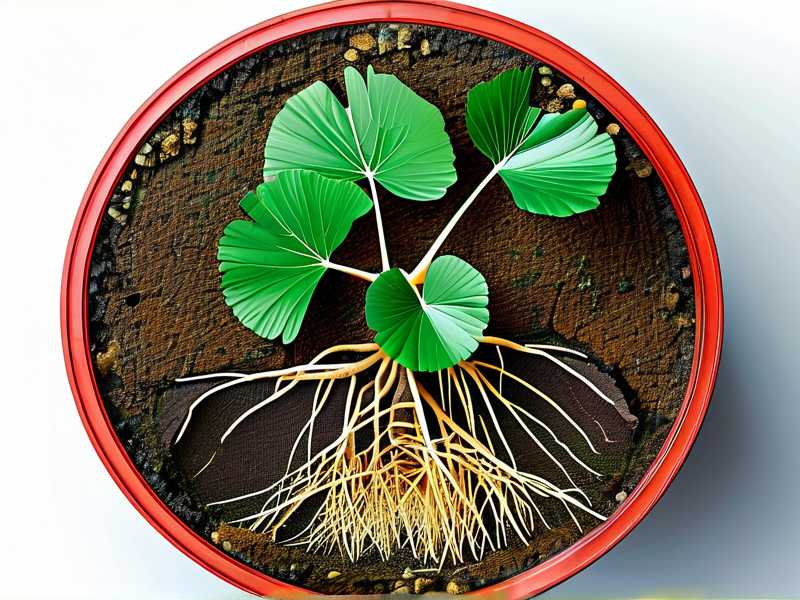
If your cutting has soil roots, rinse them gently. Remove all dirt. Leca works best with clean roots. I used room-temperature water and a soft brush. Be gentle. Damaged roots stress the plant.
I had a cutting with thick soil roots. I didn’t clean them well. The trapped soil started growing mold. Now I’m obsessive about rinsing. It’s worth the extra minute.
Step 4: Setting Up the Leca
I soaked my Leca balls for 24 hours before use. This removes dust and pre-moistens them. Then I filled a clear glass jar about one-third full with the balls. I placed the cutting inside, spreading the roots gently.
Next, I added more Leca balls around the stem. The cutting should stand upright. I pressed lightly to stabilize it. Not too tight. Roots need room to breathe.
Step 5: Adding Water
This is the tricky part. I added filtered water to the jar. The water level should reach the bottom of the cutting but not touch the stem. In Leca, water sits at the bottom. The Leca balls wick moisture upward. This prevents root rot.
I made a huge mistake here. I filled the water too high. The stem was submerged. Within a week, the lower part turned brown. I quickly drained the excess water. The cutting recovered, but it was a close call.
The magic works when the water level stays about one inch below the cutting base. The Leca balls will draw moisture up. Roots will grow toward the water, not drown in it.
Two-Week Observation: What I Saw
I checked the cutting every day. Here’s what happened.
Day 1-3: Adjustment Period
The cutting looked fine. No wilting. The leaves stayed firm. Leca provides stable humidity, which reduces transplant shock. I kept the jar in bright, indirect light.
Day 4-6: First Signs of Roots
Tiny white bumps appeared at the node. I was excited. The roots were starting. The water level remained constant. I didn’t need to add more.
Day 7-10: Roots Lengthen
The roots grew about half an inch. They were white and healthy. I noticed the water level dropped slightly. I topped it up without submerging the stem.
Day 11-14: Strong Root System
By the second week, roots were two inches long. They looked thick and strong. I gave a gentle tug. The cutting held firmly. Time to transplant or keep in Leca.
Throughout this process, I kept the jar in a warm spot. Cold drafts slow root growth. I learned this after one cutting stalled. Move it to a warmer area if your home runs cool.
3 Deadly Mistakes Beginners Make
I’ve made every error possible. Let me save you the trouble.
Mistake #1: Overwatering in Leca
This sounds impossible. Leca is supposed to prevent overwatering. But beginners still mess up. If you keep the water level too high, roots drown. The stem rots.
I killed a cutting this way. I filled the jar almost full of water. The Leca balls were completely submerged. Within days, the cutting’s base turned black. I had to throw it away.
The fix is simple. Keep water at the bottom third of the jar. Never above the Leca balls. The balls should look damp, not wet.
Mistake #2: Wrong Light Placement
Money trees love bright, indirect light. Direct sunlight scorches leaves. Low light slows growth. I placed my first Leca propagation on a sunny windowsill. The leaves burned within hours. I moved it to a north-facing window. It thrived.
I now use a sheer curtain to filter light. If you see yellow leaves, move the cutting. If leaves droop, check light levels. It takes adjustment.
Mistake #3: Using the Wrong Pot
A pot without drainage holes is a disaster in Leca. Some people use closed jars. This traps excess water. Algae grows. Roots suffocate. I used a mason jar without holes. It was a nightmare.
Use a container with a drainage layer or a separate water reservoir. Clear plastic pots with inner slits are perfect. You can see roots and water. No guesswork.
How I Fixed My Own Mistakes
I killed my first three money trees. I’m not proud of it. But each failure taught me something.
The first tree died from overwatering. I gave it water every day. The roots turned to mush. Now I wait until Leca feels dry on top.
The second tree had root rot from poor drainage. My pot had no holes. Water sat stagnant. Now I only use containers with proper drainage.
The third tree never rooted well. I didn’t use rooting hormone. The cutting sat for weeks with no growth. Now I always dip the end in powder.
If you fail, don’t quit. Adjust what you’re doing. Check water levels. Move lighting. Change pots. Propagation is trial and error.
When to Pot or Transplant
After two weeks, you have options. You can leave the money tree in Leca forever. Many people do. It looks modern and clean. Just maintain the water level.
Or you can transplant to soil. I’ve done both. If moving to soil, wait until roots are at least two inches. Gently remove the Leca balls. Pot in a well-draining mix. Water lightly at first. The plant needs time to adjust.
I transplanted one cutting too early. The roots were half an inch. It stressed in soil and wilted. Wait until you see three inches of healthy roots. Patience pays off.
Common Problems and Quick Fixes
Yellow Leaves
This usually means too much light. Move the cutting to a shadier spot. If leaves turn pale, increase indirect light.
Brown Stem Base
Your water level is too high. Drain some water. Let the Leca dry out a bit. Cut away any mushy parts.
Algae Growth
Algae grows on Leca when water stays still. Change the water every two weeks. Clean the jar with mild soap. Rinse thoroughly.
Stunted Growth
Check for cold drafts. Money trees need warmth during propagation. Move away from windows at night. Use a heat mat if your home runs cold.
My Favorite Tips for Success
- Use a clear jar. You can see root development and water levels without disturbing the cutting.
- Change water every week. Stale water breeds bacteria.
- Keep Leca balls damp but not soggy. Touch the top layer. If it feels moist, you’re good.
- Don’t fertilize during propagation. The cutting doesn’t need food until roots establish.
- Group propagations together. Higher humidity helps root growth.
Long-Term Care for Money Trees in Leca
If you decide to keep your money tree in Leca, maintenance is easy. Check water levels weekly. Add filtered water when needed. Rinse the Leca balls every few months to remove mineral buildup.
I’ve had a money tree in Leca for over a year. It’s thriving. The roots fill the jar. The leaves stay green and shiny. It grows new branches regularly. I only move it to a bigger jar every six months.
Common Questions About Money Tree Propagation in Leca
Can I use tap water for Leca propagation? I wouldn’t. Tap water contains chlorine and minerals. They build up on the Leca. This blocks moisture absorption. Use filtered or distilled water. It’s safer for delicate roots.
How long does it take for roots to grow? In my experience, roots appear within 5-7 days. Full root systems take 2-3 weeks. Warmth and humidity speed things up. Cold air slows everything down.
Should I cover the jar to create humidity? You can. I’ve used a plastic bag over the jar. This creates a mini greenhouse. It works great in dry homes. Remove the bag daily for air circulation. Otherwise, mold can form.
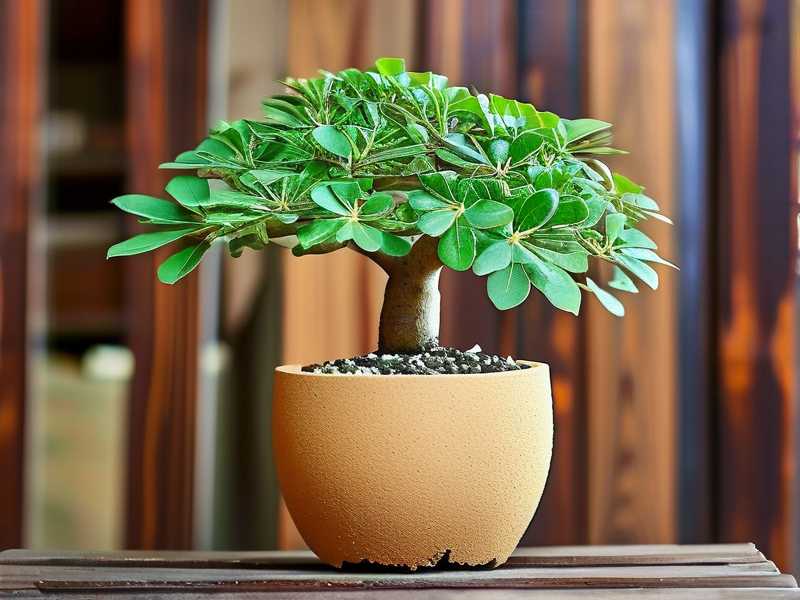
Does Leca work for all money tree varieties? Yes. I’ve propagated the standard money tree and the dwarf variety. Both responded well. The dwarf roots grew slower, but it worked. Stick to the same process.
How often should I water in Leca? You don’t water plants in Leca. You maintain a water reservoir. Check every three days. Add water when the level drops. Never flood the jar.
Can I propagate multiple cuttings in one jar? Yes, but space them out. Overcrowding leads to root tangling. Use a wider container. Keep cuttings an inch apart. I’ve done two in one jar with good results.
Final Reflections
Propagating a money tree in Leca balls changed my approach to plant care. I used to fear root rot. Now I feel in control. Leca gives me clear signals. If roots look white, I’m good. If water smells, I change it.
I wish I started with Leca from day one. The learning curve is shorter. The success rate is higher. And the process feels cleaner. No muddy fingers, no soil spills.
If you’re struggling with money tree propagation, try Leca. It may feel strange at first. But give it two weeks. Watch those roots grow. You’ll see the difference. I did, and I’ll never go back to soil for propagation.
Start with one cutting. Follow my steps. Avoid my mistakes. Your money tree will thank you.