admin
admin How to Care for a Money Tree Bonsai: A Complete Guide for Thriving Growth
You've brought home a beautiful Money Tree Bonsai, drawn by its braided trunk, lush green leaves, and promise of prosperity. But now, a wave of anxiety hits. You notice a yellow leaf, the soil feels unfamiliar, and you're unsure where to place it. The fear of watching this symbol of good fortune wilt under your care is real. Many new owners struggle with the balance of water, light, and nutrients this unique plant requires. This guide is designed to transform that uncertainty into confidence, providing you with the clear, actionable steps needed to not just keep your Money Tree alive, but to help it thrive for years to come.
Understanding Your Money Tree Bonsai

The Money Tree, scientifically known as Pachira aquatica, is a tropical wetland plant native to Central and South America. In bonsai form, it's cherished for its resilience and distinctive braided trunk, which is often woven when the stems are young and flexible. This braiding doesn't harm the plant and becomes a permanent, woody feature. Understanding its origins is key to replicating the right environment. It's not a true desert succulent, nor does it thrive in deep, dark shade. It prefers a happy medium—consistent moisture, bright indirect light, and warmth.
Essential Care Requirements for a Healthy Plant
Caring for a Money Tree Bonsai is straightforward once you master a few fundamentals. It's a forgiving plant, making it excellent for beginners, but attention to detail prevents common pitfalls.
Optimal Lighting Conditions
Light is the engine of plant growth. Your Money Tree Bonsai will do best in bright, indirect sunlight. Think of the light filtered through a sheer curtain. A spot near an east-facing window is often ideal. Direct afternoon sun, especially through a south or west window, can scorch the leaves, causing unsightly brown patches. Conversely, too little light will cause the plant to become leggy as it stretches toward the light source, and growth will slow significantly. If natural light is limited, consider supplementing with a grow light for 6-8 hours a day.
The Art of Watering Correctly
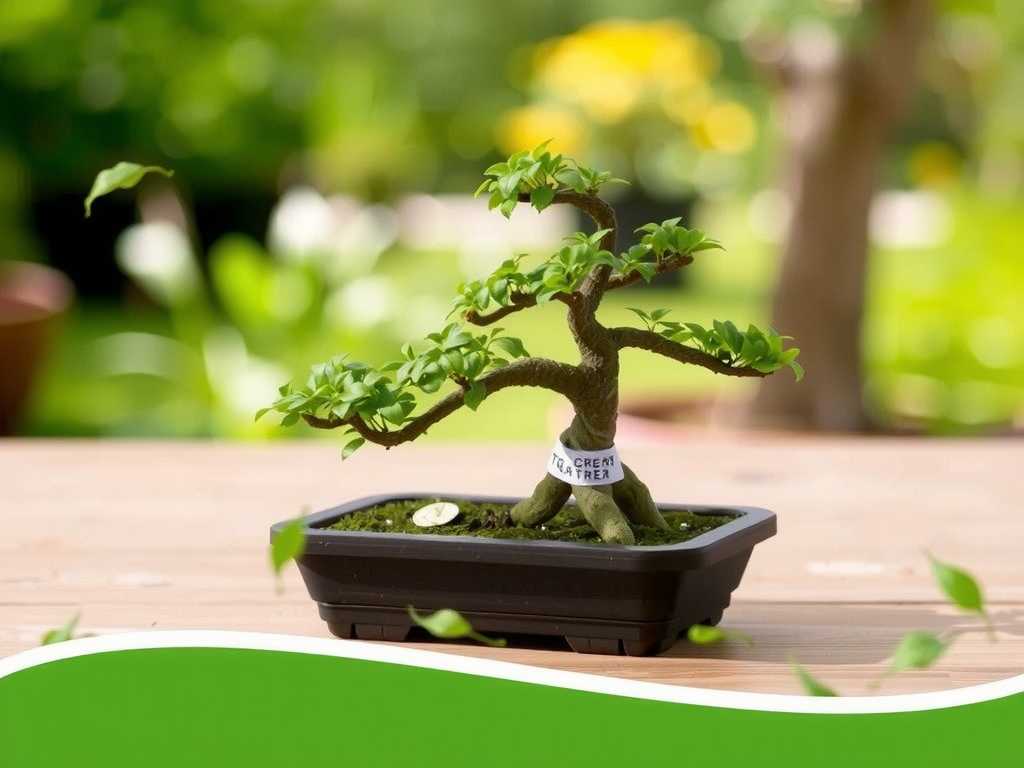
Overwatering is the single most common killer of Money Tree Bonsais. Its roots need oxygen as much as they need water. The goal is to maintain evenly moist soil, not soggy or bone-dry conditions.
- The Finger Test: Before watering, insert your finger about 1-2 inches into the soil. If it feels dry at that depth, it's time to water.
- Thorough Watering: When you water, do so thoroughly until water runs freely out of the drainage holes at the bottom of the pot. This ensures the entire root ball is hydrated.
- Proper Drainage: Always empty the saucer or cache pot after 15-20 minutes. Never let the bonsai sit in standing water, as this leads to root rot.
Ideal Soil and Potting Mix
A well-draining, peat-based potting mix is crucial. Bonsai soil for tropical plants, which often contains ingredients like akadama, pumice, and lava rock, is excellent. You can also create a mix using standard potting soil amended with perlite or orchid bark to increase aeration and drainage. As noted by horticulturist and bonsai expert Michael Persiano, "The right soil mix acts as a foundation, managing moisture and air around the roots, which is more important than frequent fertilization for plant health."
Temperature and Humidity Preferences
As a tropical plant, your Money Tree enjoys warmth and humidity. Aim for temperatures between 65°F and 80°F (18°C - 27°C). Protect it from cold drafts, air conditioning vents, and sudden temperature drops below 50°F (10°C). Average household humidity is often sufficient, but if your air is very dry (especially in winter), boost humidity by:
- Placing the pot on a pebble tray filled with water.
- Misting the leaves lightly every few days.
- Using a room humidifier nearby.
Advanced Care and Maintenance
Once the basics are in hand, these practices will elevate your bonsai's health and aesthetics.
Fertilizing for Growth and Vitality
During the active growing season (spring and summer), feed your Money Tree Bonsai monthly with a balanced, water-soluble fertilizer diluted to half-strength. A formula like 10-10-10 or 20-20-20 works well. Avoid fertilizing in fall and winter when growth naturally slows. Over-fertilization can burn the roots and cause leaf tip burn.
Pruning and Shaping Your Bonsai
Pruning serves two purposes: maintaining the desired shape and encouraging fuller growth.
- Leaf Pruning: Regularly pinch or snip off new growth tips with clean, sharp scissors to promote branching and a bushier appearance.
- Structural Pruning: For larger branches or to control the overall size, make clean cuts just above a leaf node. The best time for major shaping is in late spring. Remember, bonsai is an art of patience; shape gradually over time.
When and How to Repot
Money Tree Bonsais typically need repotting every 2-3 years to refresh the soil and provide a bit more room for roots. Signs it's time include roots circling the bottom of the pot or growing out of the drainage holes. Choose a pot only slightly larger than the current one. The best time to repot is in early spring. Gently loosen the root ball, trim away any dead or excessively long roots, and place it in the new pot with fresh soil.
Troubleshooting Common Problems
Even with great care, issues can arise. Here’s how to diagnose and fix them.
Yellowing Leaves: Causes and Solutions Yellow leaves are a classic distress signal. The cause is usually one of three things:
- Overwatering: The most likely culprit. Check the soil moisture and ensure proper drainage. Let the soil dry out more between waterings.
- Underwatering: If the soil is extremely dry and the leaves are yellow and crispy, increase your watering frequency.
- Nutrient Deficiency: If older leaves are yellowing, it might need a light feed with a balanced fertilizer.
Dealing with Pests and Diseases Money Trees are relatively pest-resistant but can occasionally attract spider mites, mealybugs, or scale. Inspect the leaves regularly. If you spot pests, isolate the plant and treat it by wiping the leaves with a solution of mild soapy water or using neem oil or insecticidal soap. Good air circulation helps prevent fungal issues.
Addressing Leaf Drop and Brown Tips Sudden leaf drop is often a reaction to environmental stress—a drastic change in temperature, light, or watering routine. Brown, crispy leaf tips usually indicate low humidity or a buildup of salts and minerals from tap water or fertilizer. Switch to filtered or distilled water for watering and flush the soil every few months by running plenty of water through it.
How often should I water my Money Tree Bonsai? There is no fixed weekly schedule. Always use the finger test. Watering frequency depends on factors like pot size, soil mix, light, and season. It might be once a week in summer and every two weeks in winter. The plant's needs, not the calendar, should guide you.
Can my Money Tree Bonsai go outside? Yes, but with caution. It can enjoy a summer vacation outdoors in a shaded or dappled sunlight spot, protected from harsh afternoon sun and strong winds. Remember to bring it back inside well before nighttime temperatures drop below 60°F (15°C).
Why are the leaves on my Money Tree turning soft and droopy? Soft, droopy leaves almost always point to overwatering and potential root rot. Immediately check the soil and roots. If the roots are brown and mushy, trim the damaged parts, repot in fresh, dry soil, and reduce watering significantly. Ensure your pot has adequate drainage holes.
Mastering the care of your Money Tree Bonsai is a rewarding journey that blends attentive routine with simple observation. By providing bright, indirect light, watering only when the soil is dry, and maintaining a warm, humid environment, you create the foundation for success. Regular feeding during growth periods, thoughtful pruning, and repotting when needed will keep your plant robust and beautifully shaped. Pay attention to its signals—a yellow leaf or drooping stem is its way of communicating. With this knowledge, you can move beyond simply keeping it alive to fostering a vibrant, prosperous centerpiece that grows alongside you.