admin
admin How to Care for a Newly Propagated Money Tree Cutting: Your Complete Guide to Success
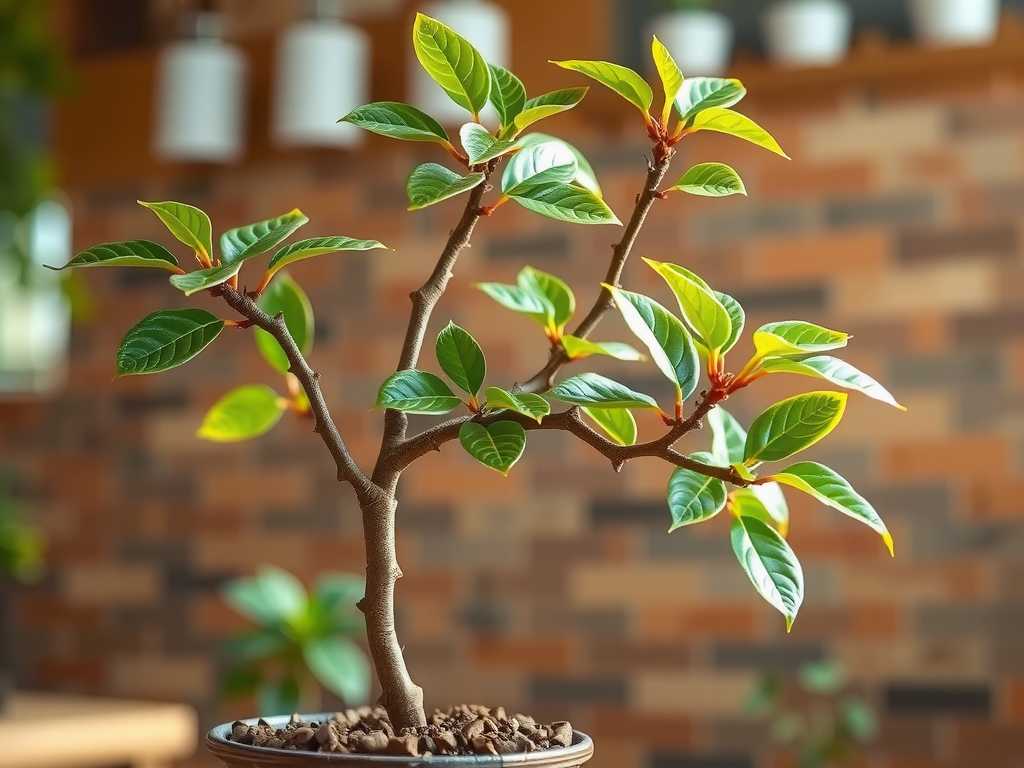
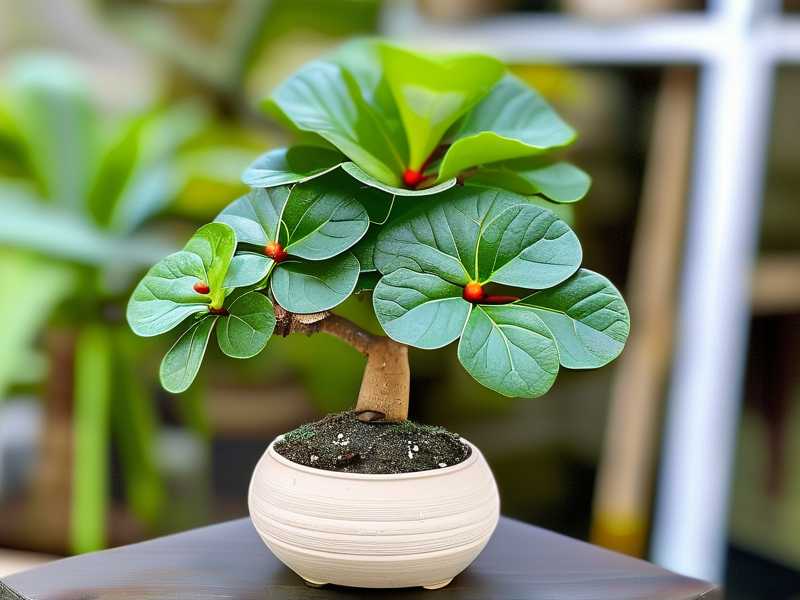
You’ve successfully taken a cutting from your beloved Money Tree plant, a symbol of good fortune and prosperity. Now, you’re holding a delicate stem with a few leaves, filled with hope but also a nagging worry: “What if I do something wrong and it doesn’t root?” This moment is critical. The care you provide in the first few weeks directly determines whether your cutting transforms into a robust, independent plant or becomes another gardening disappointment. The transition from cutting to established plant is the most vulnerable stage, but with the right knowledge, it’s a process you can master with confidence.
This guide will walk you through every essential step, from the immediate post-propagation care to nurturing your young Money Tree into a thriving centerpiece.
Understanding Your New Money Tree Cutting’s Needs
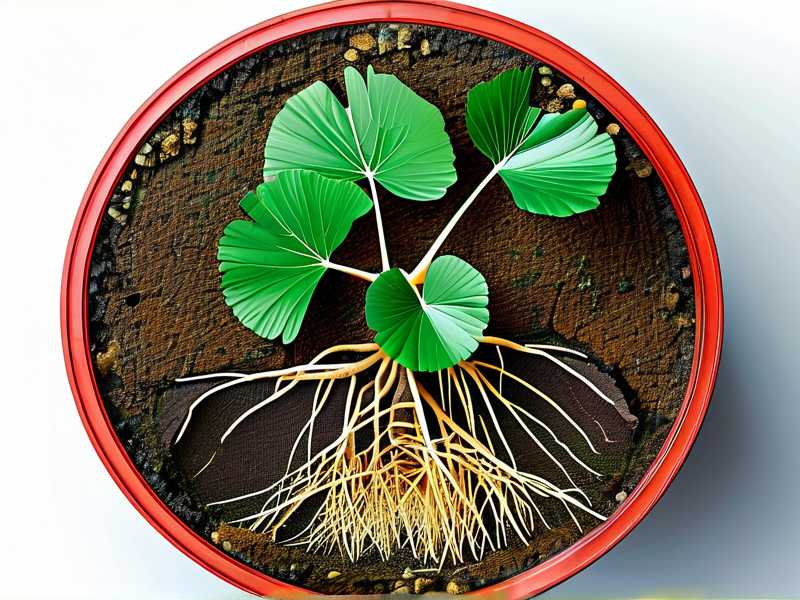
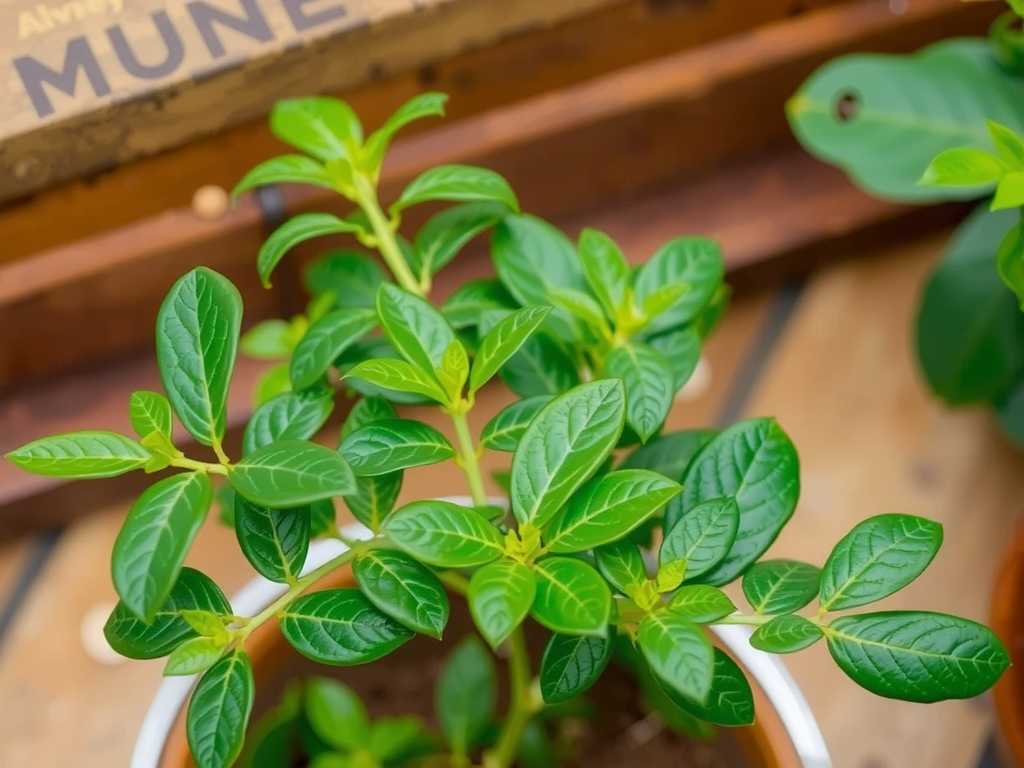
A newly propagated Money Tree cutting lacks a root system. It cannot absorb water and nutrients from soil like a mature plant. Instead, it relies entirely on the energy stored in its stem and leaves, and the moisture it can take up through its fresh cut end. Your primary goals are to prevent excessive water loss (transpiration) and create the perfect environment to stimulate root growth without causing rot or stress.
Think of this phase as providing an intensive care unit where stability is key. Dr. Eleanor Green, a horticulturist specializing in tropical plants, notes, “The success of propagation lies not in constant intervention, but in setting up the correct, consistent environment from the start. Patience and observation are your greatest tools.”
The First Crucial Steps: Immediate Aftercare
Choosing the Right Initial Home Whether you rooted your cutting in water or directly in soil, its first permanent potting mix is vital. Use a well-draining, airy potting medium. A blend of 2 parts all-purpose potting soil, 1 part perlite, and 1 part coarse orchid bark is ideal. This mix provides structure, retains some moisture, but allows excess water to drain freely, preventing the dreaded “wet feet” that cause stem rot.
The Perfect Pot Selection Select a small pot with at least one drainage hole. A common mistake is using a pot too large. A small pot ensures the soil dries out more evenly, encouraging the new roots to grow and seek out moisture, which promotes a healthier root system. A 4-inch pot is often perfect for a single cutting.
The Core Pillars of Care for Your Young Plant
Providing the right balance of water, light, and humidity will make the difference between survival and thriving.
Watering: The Delicate Balance This is the most critical skill to learn. Your goal is to keep the growing medium lightly moist but never soggy.
- Technique: Water thoroughly until it runs out of the drainage hole, then allow the top 1-2 inches of soil to dry out before watering again. You can check this with your finger.
- Signs to Watch For: Yellowing leaves can signal overwatering, while wilting or dry, crispy leaves indicate underwatering. In the early stages, err slightly on the side of dryness to protect the stem.
Ideal Lighting Conditions Your new Money Tree cutting needs bright, indirect light. Direct sunlight, especially afternoon sun, will scorch its tender leaves and increase water loss.
- Best Placement: An east-facing window is excellent. A spot a few feet back from a south or west-facing window, shielded by a sheer curtain, also works perfectly.
- Avoid Low Light: Insufficient light will slow root development and lead to leggy, weak growth.
Temperature and Humidity As a tropical plant, your Money Tree cutting appreciates warmth and humidity.
- Temperature: Maintain a consistent temperature between 65°F and 75°F (18°C - 24°C). Avoid cold drafts from windows or air conditioning vents.
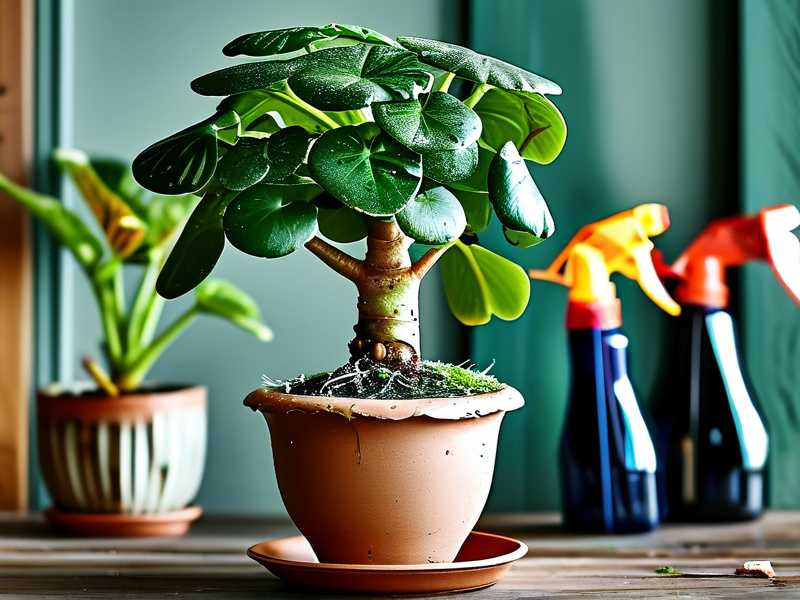
- Boosting Humidity: Grouping plants together or placing the pot on a pebble tray filled with water (ensuring the pot sits above the water line) can increase local humidity. For the best results, a small humidifier nearby can provide the consistent 50-60% humidity these cuttings love.
Ongoing Maintenance for Healthy Growth
Once you see new leaf growth—a sure sign that roots have established—you can begin a gentle routine of feeding and learn about its future needs.
When and How to Fertilize Do not fertilize a newly potted cutting. Wait at least 3-4 months, or until you see significant new growth. Then, during the growing season (spring and summer), feed monthly with a balanced, water-soluble fertilizer diluted to half the recommended strength. There is no need to fertilize in fall and winter.
Recognizing Signs of a Healthy, Established Plant How do you know your propagated Money Tree cutting is thriving? Look for these positive indicators:
- New Leaf Growth: The emergence of fresh, green leaves from the top is the clearest sign.
- Firm Stem: The stem remains firm and green, not mushy or shriveled.
- Soil Drying Pattern: The soil dries at a consistent, predictable rate between waterings, indicating active root uptake.
Troubleshooting Common Early-Stage Problems
- Yellowing Leaves: Almost always related to overwatering. Check your soil moisture and ensure the pot drains properly.
- Leaf Drop: Can be caused by sudden changes in temperature, light, or humidity. Ensure its environment is stable.
- Soft, Mushy Stem: This is stem rot, usually from overly wet soil. You may need to re-cut above the rot and re-root the cutting if caught early.
- Slow Growth: Ensure it’s getting enough bright, indirect light and warmth. Remember, growth can be slow initially as energy is focused underground.
Preparing for the Future: Repotting and Long-Term Care
Your care for a new Money Tree plant evolves as it grows. Money Trees prefer to be slightly root-bound. Repot only every 2-3 years, or when you see roots circling the bottom of the pot or growing out of the drainage holes. When you do, only move up one pot size (e.g., from a 4-inch to a 6-inch pot) using a fresh, well-draining mix as described earlier.
How long does it take for a Money Tree cutting to become established? Typically, you will see signs of new top growth within 4-8 weeks, indicating that roots have formed. However, it can take 3-6 months for the plant to develop a robust enough root system to be considered fully established and ready for more standard care routines. Patience is essential.
Can I propagate a Money Tree cutting in water, and how do I transition it to soil? Yes, water propagation is very common. Once the roots in water are 1-2 inches long, gently transition the cutting to a well-draining soil mix. Keep the soil consistently moist (but not waterlogged) for the first 1-2 weeks to help the water roots adapt to soil, then gradually shift to the “moist to dry” watering cycle.
Why are the leaves on my new Money Tree cutting turning brown at the tips? Brown tips are often a sign of low humidity or inconsistent watering. It can also occur if the water you use contains high levels of fluoride or chlorine. Try using filtered or distilled water, and increase humidity around the plant. Trim the brown tips with clean scissors for aesthetics, following the natural shape of the leaf.
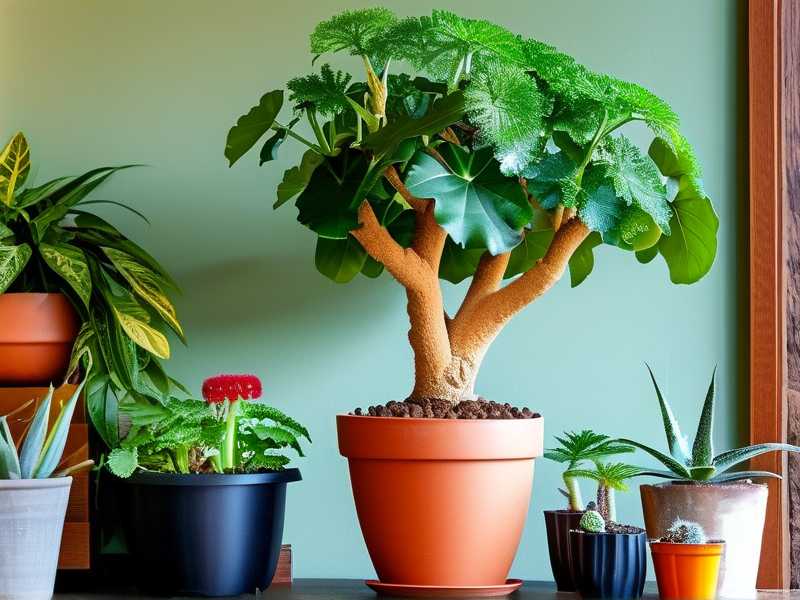
Watching a Money Tree cutting develop into a full, leafy plant is a rewarding experience. By focusing on the fundamentals of proper potting, mindful watering, and providing the right light and humidity, you create the foundation for decades of growth. Remember, the key to successful Money Tree propagation aftercare is less about doing too much and more about providing consistent, gentle support. Your new plant is resilient. With your attentive care, this symbol of good fortune will soon be a thriving, green testament to your gardening skills.