admin
admin How to Prune a Money Tree Bonsai for Shape: A Complete Guide to Perfect Form
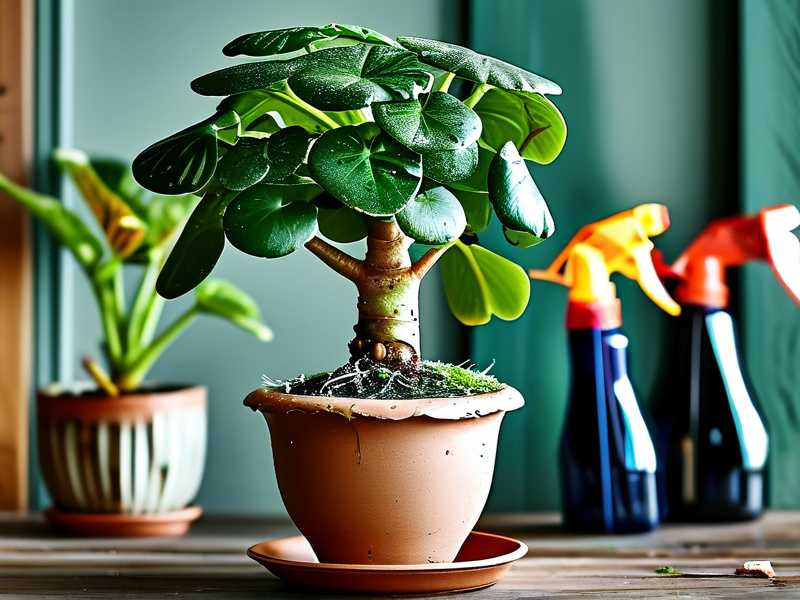
You've nurtured your Money Tree (Pachira aquatica), and it's thriving with lush, green foliage. But instead of the elegant, sculpted form you envisioned, it's starting to look a bit wild, uneven, or simply not like the beautiful bonsai specimens you admire. The desire to prune is there, but the fear is real—what if you cut the wrong branch and harm your plant? Achieving that perfect, balanced shape for your Money Tree bonsai can feel like a daunting mystery. This guide will demystify the process, transforming anxiety into confidence. We will walk you through exactly how to prune a Money Tree bonsai for shape, ensuring you promote healthy growth while creating a miniature tree of stunning beauty.
Understanding the "Why" Before the "How"
Pruning is not merely cosmetic; it's a vital practice for the long-term health and artistry of your bonsai. Strategic shaping directs the plant's energy to key areas, encouraging a stronger trunk, denser foliage pads, and an overall structure that mimics mature trees in nature. According to bonsai cultivation principles, regular pruning also improves light penetration and air circulation throughout the canopy, significantly reducing the risk of pests and disease. Think of it as a collaborative dialogue between you and the tree, guiding its growth toward an idealized form.
Essential Tools for Precise Shaping
Before you make a single cut, gather the right tools. Using sharp, clean instruments is non-negotiable for the health of your Money Tree.
- Sharp Bypass Pruners or Bonsai Scissors: These make clean cuts that heal quickly. Avoid crushing or tearing stems with dull blades.
- Rubbing Alcohol or Disinfectant: Always wipe your blades before you start and when moving between plants to prevent spreading pathogens.
- A Soft Brush: For gently clearing away clipped leaves and debris from the soil and trunk after pruning.
- Optional: Concave Cutters: For removing larger branches flush to the trunk, allowing the wound to heal with minimal scarring.
The Best Time to Prune for Optimal Results
Timing is crucial. The ideal period for major structural shaping is during the active growing season, typically from late spring through early summer. During this time, your Money Tree is in its peak growth phase, allowing it to recover rapidly and produce new buds near your cuts. You can perform light maintenance pruning—such as pinching back new growth—throughout the spring and summer. Avoid heavy pruning in late fall and winter when the plant's growth slows, as healing will be delayed.
Your Step-by-Step Guide to Shaping Your Money Tree Bonsai
Follow this systematic approach to assess, plan, and execute your pruning for beautiful results.
Step 1: Observe and Visualize Your Design
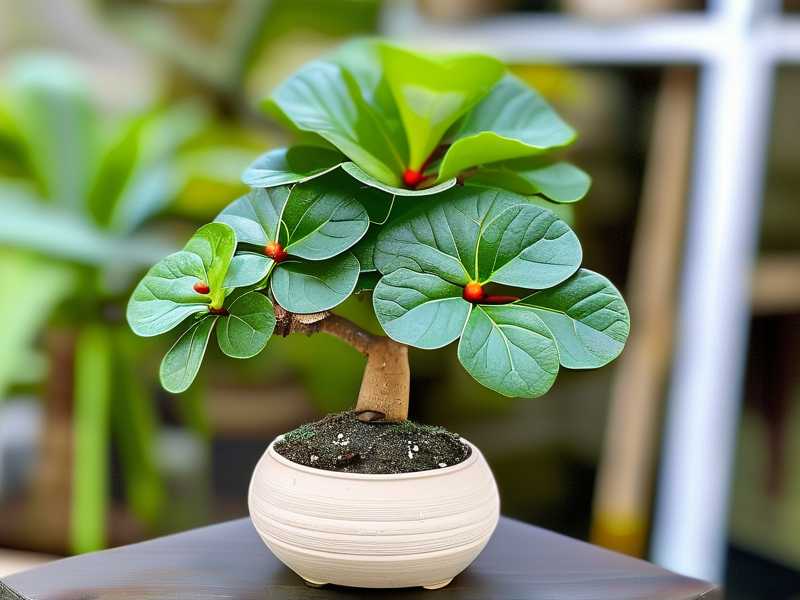
Don't start cutting immediately. Spend time looking at your tree from all angles. Identify its natural inclination. Is there a dominant trunk line? Which branches contribute to your desired shape, and which disrupt the flow? Common bonsai styles for Money Trees include informal upright or multi-trunk forms. Decide on the silhouette you want to enhance.
Step 2: The Golden Rules of Cutting
Always have a purpose for every cut. Your primary goals are to remove material that:
- Crosses or Rubs: Branches that cross others or rub against the trunk create wounds and look chaotic.
- Grows Inward: Shoots growing toward the center of the tree clutter the design.
- Is Dead, Damaged, or Diseased: These should always be removed first, regardless of the season.
- Disproportionate: Overly thick branches emerging from the top of a slender trunk can look unbalanced.
- Creates "Reverse Taper": Where a higher branch is thicker than the section of trunk below it.
Step 3: Structural Pruning for Primary Form
This involves selecting and establishing the main branches, or "primary scaffolding." For a Money Tree, you often work with its natural braided or multi-stem habit.
- Work from the trunk outward. Choose 3-5 well-placed primary branches that alternate in position and radiate around the trunk.
- Remove competing branches that originate from the same point on the trunk.
- Shorten overly long primary branches to a point where a smaller side shoot exists, directing future growth outward.
Step 4: Fine Pruning and Pinching for Density
This technique refines the shape and builds the dense, leafy "pads" characteristic of bonsai.
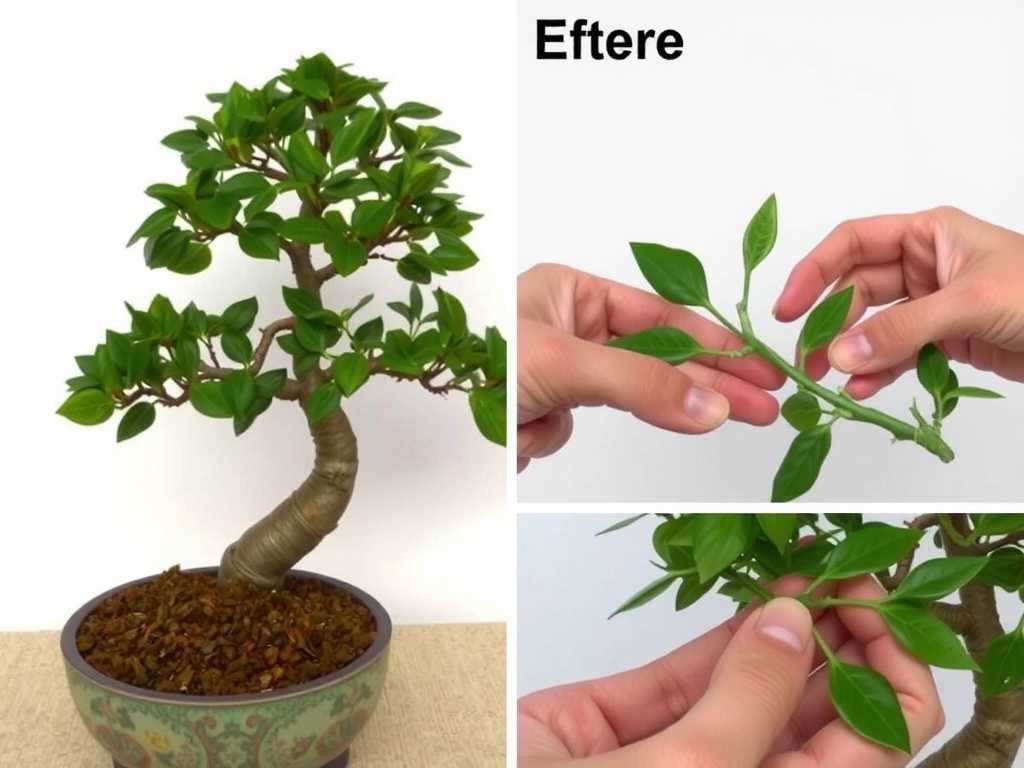
- Pinching: Using your fingers, simply pinch off the very tip of a new, soft shoot. This encourages back-budding, forcing the branch to produce two or more new shoots from that point, increasing ramification.
- Leaf Pruning: On established trees, you can occasionally remove larger leaves to allow light into the interior, prompting the growth of smaller, more proportionate leaves—a key bonsai trait.
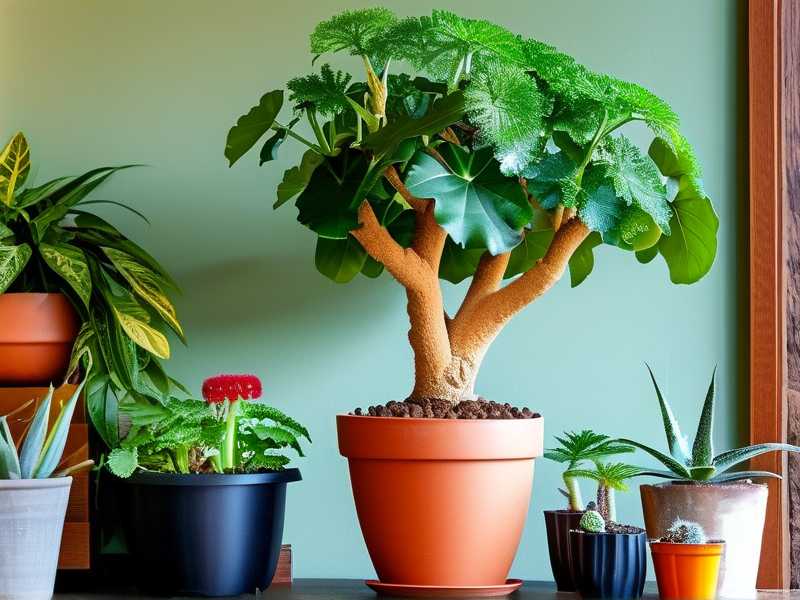
Step 5: Addressing the Braided Trunk
If your Money Tree has a braided trunk, pay special attention to suckers or vigorous shoots emerging from the base or between the braids. These can ruin the sculpted look. Remove them promptly at their point of origin.
Aftercare: Ensuring a Speedy Recovery
Post-pruning care is simple but important.
- Water Appropriately: Water your plant as usual, but avoid over-saturation. The reduced foliage will mean slightly slower water uptake.
- Hold Fertilizer: Wait 3-4 weeks after a significant prune before resuming fertilization to avoid stressing the roots.
- Provide Bright, Indirect Light: Place your tree in its ideal light conditions to fuel recovery and new growth.
- Monitor for New Buds: Within a few weeks, you should see new buds swelling near your cuts—a sign of success!
Commonly Asked Questions
Will cutting the top of my Money Tree make it bushier? Yes, but with strategy. Simply chopping the top can be shocking. Instead, prune back to a point just above a set of leaves or a lateral branch you wish to encourage. This redirects growth hormones to those lower buds, promoting bushier growth below the cut.
How much of the plant can I safely remove at one time? A good rule of thumb is to never remove more than 25-30% of the total living foliage in a single session. Removing more can severely stress the plant. If a major redesign is needed, plan it over two or three growing seasons.
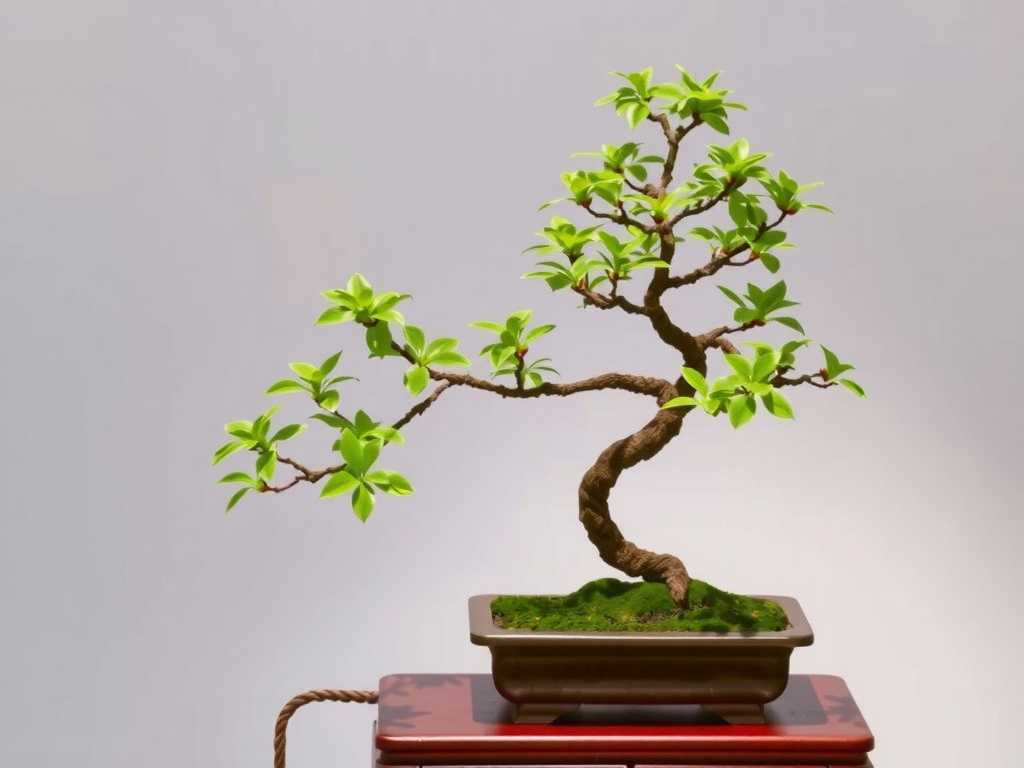
My Money Tree looks sparse after pruning. Did I ruin it? Patience is key. A properly pruned bonsai often looks a bit bare immediately afterward. This is normal. You have removed excess to reveal the structure. With proper light and care, new, more compact growth will fill in the design, leading to a denser and more beautiful tree in the coming months.
Mastering the art of shaping your Money Tree bonsai is a rewarding journey that deepens your connection with this resilient plant. Each thoughtful cut is an investment in its future form and vitality. By observing its growth, applying these principles with care, and allowing time for recovery, you will gradually sculpt a living piece of art that brings balance and natural beauty to your space. Remember, bonsai is a practice of patience—the most stunning shapes are developed over seasons, not in a single day.