admin
admin How to Choose Bonsai Soil for a Money Tree: The Ultimate Guide for Healthy Growth
You’ve brought home a beautiful Money Tree, a symbol of prosperity and good fortune. You place it in a bright spot, water it faithfully, and yet… something’s off. The leaves begin to yellow, growth seems stunted, or worse, the base of the trunk feels soft. The culprit is often hidden from view: the soil. Choosing the right bonsai soil for a Money Tree is not just a detail; it’s the fundamental difference between a thriving, resilient plant and a struggling one. This guide will demystify the process, moving beyond generic potting mixes to the specialized blend your Pachira aquatica truly needs.
Understanding the Money Tree’s Natural Needs
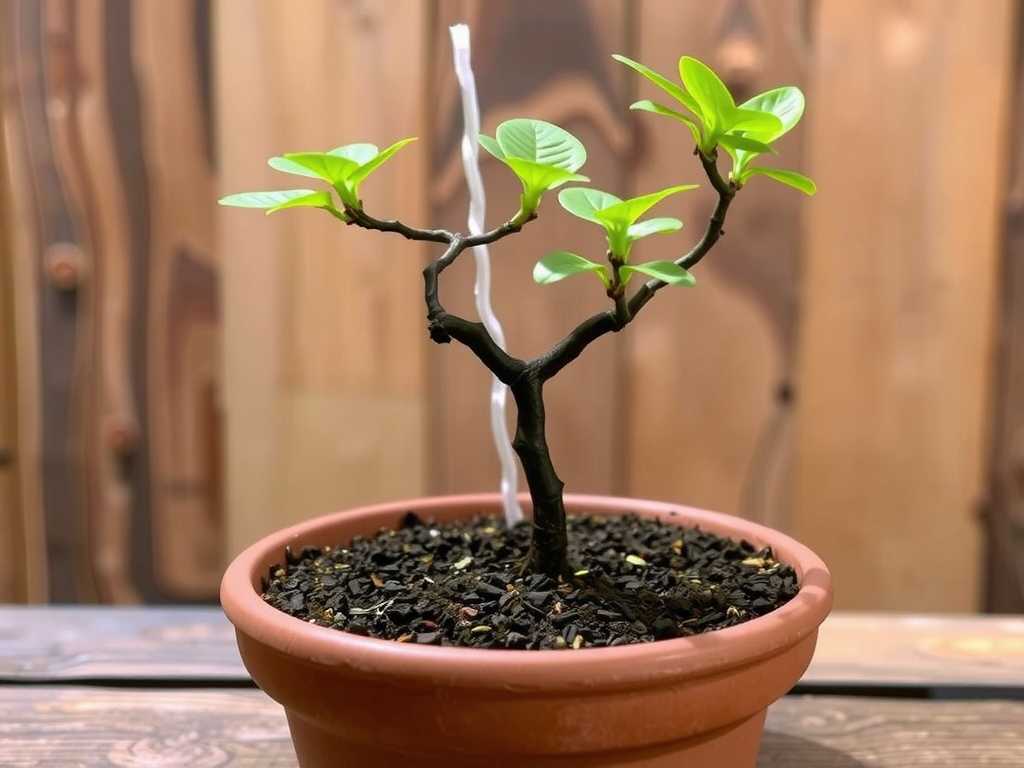
To choose the best soil, we must first understand the plant’s origins. Native to the wetlands and swamps of Central and South America, the Money Tree is accustomed to environments with high humidity and frequent rainfall. However, its roots are surprisingly sensitive to prolonged saturation. In the wild, water drains quickly through loose, often sandy or loamy substrates. This is the key paradox: it loves moisture but despises wet feet. A standard, dense potting soil retains water for too long, suffocating roots and inviting root rot—the most common killer of indoor Money Trees.
The Core Components of an Ideal Money Tree Bonsai Mix
A perfect soil mix for Pachira aquatica bonsai is not a single ingredient but a carefully balanced recipe. Its primary goals are excellent drainage, adequate aeration, and some moisture retention. Here are the essential components:
-
The Inorganic Base for Drainage This category includes materials that create air pockets and allow water to flow freely.
- Akadama: A popular, hard-baked Japanese clay that absorbs water and nutrients before releasing them slowly. It breaks down over 1-2 years, signaling when it’s time to repot.
- Pumice: A lightweight volcanic rock that holds some water and air within its porous structure. It improves aeration and prevents compaction.
- Lava Rock: Provides excellent drainage and stability due to its rough texture and weight. It helps anchor the shallow root system of a bonsai-style Money Tree.
- Coarse Horticultural Sand or Grit: Ensures fast drainage. Avoid fine beach sand, which can compact.
-
The Organic Elements for Nutrition and Structure These components provide nutrients and help with moisture retention.
- Pine Bark or Orchid Bark: Chunky pieces are ideal. They retain some moisture, decompose slowly, and create crucial air spaces as they break down.
- Coconut Coir: A sustainable alternative to peat moss. It holds moisture effectively without becoming soggy and has a neutral pH.
- High-Quality Compost: Used sparingly, it adds a boost of beneficial microbes and nutrients.
Crafting Your Own Money Tree Bonsai Soil: Simple Recipes
You can purchase pre-mixed “bonsai soil,” but creating your own allows for customization. Here are two reliable recipes, from simple to professional-grade.
Recipe 1: The Simple Starter Blend (Excellent for Beginners)
- 50% Pine Bark Orchid Mix (chunky)
- 30% Pumice or Perlite
- 20% Coarse Horticultural Sand or Grit This mix is widely accessible, provides fantastic drainage, and is a massive upgrade from standard potting soil.
Recipe 2: The Advanced, Long-Lasting Blend
- 40% Akadama (small/medium grain)
- 30% Pumice
- 30% Lava Rock (small grain) This is a premium, well-draining bonsai substrate favored by many enthusiasts. It offers optimal aeration, drainage, and structure, mimicking professional bonsai soil conditions.
A Step-by-Step Guide to Repotting with Your New Soil
- Timing is Everything: The best time is in late spring or early summer, during the active growing season.
- Prepare: Have your new soil mix, a clean pot (with drainage holes!), and tools ready.
- Remove the Plant: Gently tip the pot and ease the Money Tree out. Carefully loosen the outer root ball.
- Inspect and Prune: Trim away any black, mushy, or excessively long roots with sterile shears. This encourages new, healthy growth.
- Potting: Place a layer of your new soil in the pot. Position the tree, then fill in around the roots with more soil, using a chopstick to work soil into gaps without overly compacting it.
- Watering: Give the tree a thorough, deep watering until it runs freely from the drainage holes. This settles the soil.
Signs You’ve Chosen the Wrong Soil and How to Fix It
- Problem: Soil stays wet for 7+ days after watering.
- Fix: Repot immediately into a faster-draining mix. Increase the ratio of inorganic components like pumice or lava rock.
- Problem: Soil pulls away from the edges of the pot or water runs straight through.
- Fix: The soil may be too coarse or have become hydrophobic. Soak the entire pot in a basin of water for 30 minutes to rehydrate, or consider a repot with a slight increase in moisture-retentive components like coconut coir.
- Problem: White crust on soil surface.
- Fix: This is mineral buildup from tap water. Use distilled, rainwater, or filtered water when possible. You can scrape off the top layer of soil and replace it with fresh mix.
Frequently Asked Questions
Can I use cactus soil for my Money Tree? Yes, cactus or succulent mix is a decent and convenient alternative, as it is formulated for good drainage. However, it may dry out very quickly. For best results, you can amend a cactus mix with 20-30% additional pine bark or coconut coir to increase its moisture retention slightly, creating a more balanced potting medium for Pachira aquatica.
How often should I repot my Money Tree with bonsai soil? Young, fast-growing trees may need repotting every 2-3 years. Mature, slower-growing trees can often go 3-4 years. The best indicator is the soil itself and the roots. If the soil breaks down and becomes muddy, or if roots are circling densely at the bottom of the pot, it’s time for a refresh.
Do I need to fertilize differently with a bonsai soil mix? Yes. Bonsai soils are typically low in organic nutrients, so regular fertilization is more important. During the growing season (spring to fall), use a balanced, water-soluble fertilizer diluted to half-strength every 4-6 weeks. In winter, stop or reduce fertilizing significantly.
Selecting the perfect soil is the most impactful act of care you can provide for your Money Tree. By moving away from moisture-retentive, dense soils and embracing a gritty, airy blend, you directly address the root cause of most health issues. This proactive choice builds a strong foundation for a resilient plant. A happy Money Tree, with its robust root system supported by the right bonsai soil for a Money Tree, will reward you with vigorous growth, lush green foliage, and the enduring prosperity it symbolizes. Start with a simple blend, observe how your plant responds, and enjoy the journey of nurturing it in an environment where it can truly flourish.