admin
admin How to Care for a Money Tree During Flowering (Rare Case)
You’ve nurtured your Money Tree (Pachira aquatica) for years, proud of its glossy green leaves and braided trunk. Then, one day, you spot something unusual: a delicate, creamy-colored bud emerging. Your Money Tree is flowering! While a sign of excellent health, this rare event can leave even experienced plant owners puzzled and anxious. The sudden shift in the plant’s energy can lead to leaf drop, bud blast, or general decline if care isn’t adjusted. This guide is your essential resource for navigating this special phase, ensuring your flowering Money Tree thrives and completes its remarkable lifecycle.
Understanding the Money Tree Bloom First, let’s acknowledge how special this is. Flowering indoors is exceptionally rare for Money Trees. In their native wetland habitats of Central and South America, they produce large, showy flowers with long, creamy-white stamens that resemble shaving brushes, which later develop into the large, woody seed pods we sometimes see in decorative arrangements. An indoor bloom is a testament to your consistent care, mimicking its ideal conditions closely enough to trigger this reproductive stage.
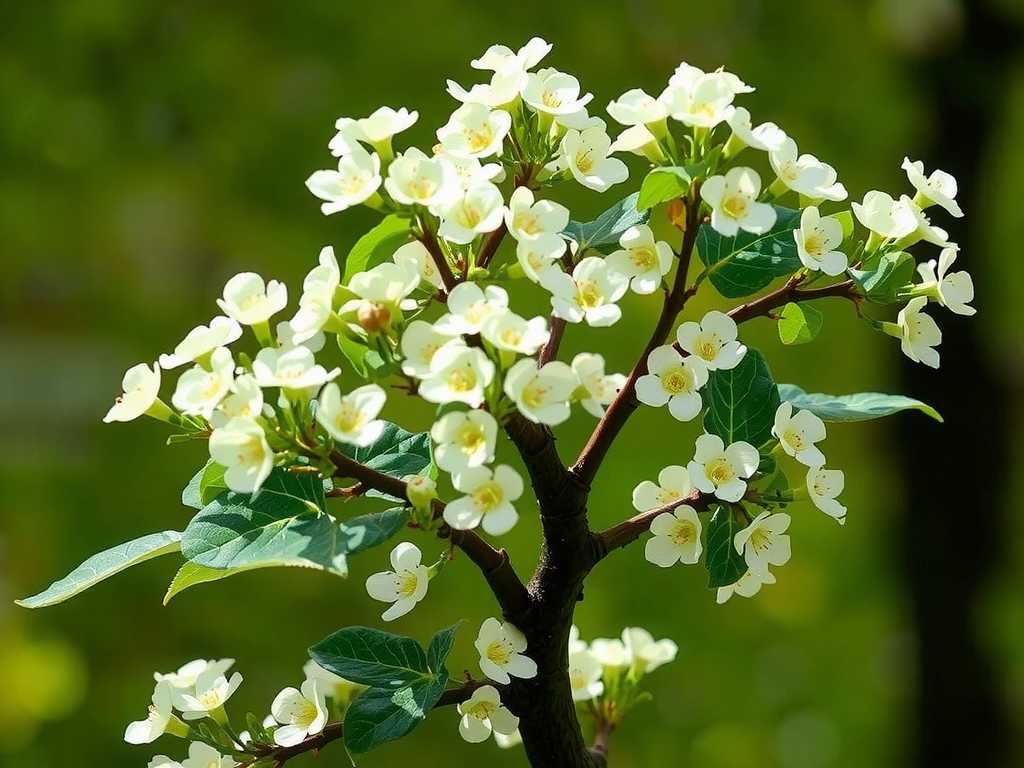
Recognizing the Flower Structure The Money Tree flower is unique. It starts as a pointed, greenish bud on a long stalk, often emerging from a leaf axil. As it matures, the bud splits open to reveal a cluster of numerous long, filament-like stamens (the male parts) that can be 4-10 inches long, colored cream or pale yellow. The petals are actually small and inconspicuous, tucked at the base of this striking stamen display. The flowers are also fragrant, emitting a sweet, subtle scent, particularly in the evening.
Essential Care Adjustments for a Flowering Money Tree When your Money Tree dedicates energy to flowering, its needs change. Here’s your step-by-step care plan.
Optimizing Light Exposure Light is the most critical factor now. Your plant needs abundant bright, indirect light to support the significant energy demand of flowering. Move it closer to an east or west-facing window, but ensure it’s protected from the harsh, direct afternoon sun which can scorch the delicate buds and leaves. Consider supplementing with a grow light if your natural light is insufficient, providing 12-14 hours of light daily. Consistent, high-quality light helps prevent bud drop.
Refining Your Watering Technique The goal is consistent, even moisture. Flowering increases the plant’s water uptake, but the classic rule of “let the top 1-2 inches dry out” still applies. Use the finger test or a moisture meter. Water thoroughly until it drains from the bottom, and never let the plant sit in water, as root rot remains a deadly threat. Underwatering will cause buds and flowers to wilt and drop prematurely, while overwatering will suffocate roots. According to horticulturist Dr. Linda Chalker-Scott, “Plants in a reproductive phase have a higher metabolic rate, making them slightly more susceptible to both water stress and fertilizer burn.”
Adjusting Fertilization for Flower Support During active growth and flowering, your Money Tree benefits from targeted nutrition. Switch to a balanced, water-soluble fertilizer (e.g., a 10-10-10 or 20-20-20 formula) or one slightly higher in phosphorus (the middle number in NPK ratio), which supports blooming. Dilute it to half the recommended strength and apply every 4-6 weeks during the spring and summer. Do not fertilize in fall and winter, especially if the plant is not actively growing. Over-fertilization will damage roots and cause salt buildup, harming the plant more than helping it.
Maintaining Ideal Humidity and Temperature Money Trees prefer moderate to high humidity (around 50-60%), which becomes even more crucial during flowering to keep buds from drying out. Use a pebble tray filled with water placed under the pot (ensure the pot is not sitting in the water) or a room humidifier nearby. Grouping plants can also create a beneficial microclimate. Keep temperatures stable between 65°F and 80°F (18°C - 27°C) and protect the plant from cold drafts, air conditioning vents, or sudden temperature swings, which are a common cause of bud blast.
To Prune or Not to Prune? Resist the urge to prune the flowering stalk during the bloom period. Let the flowers complete their natural cycle, which may last a week or two. Once the flowers have fully faded and the stalk begins to brown, you can carefully prune it back to the main stem using clean, sharp shears. This redirects the plant’s energy back to foliage growth. You may also prune any yellowing or damaged leaves as usual.
Post-Flowering Care and What to Expect After the flowers fade, your Money Tree may enter a brief period of rest. It’s normal for it to drop a few leaves as it reallocates resources. Return to its standard care routine: consistent watering, bright indirect light, and regular fertilization during the growing season. Do not expect immediate re-blooming; it may be years before it flowers again, if ever. The primary goal is to return the plant to robust vegetative health.
Troubleshooting Common Flowering Phase Problems
- Bud Drop Before Opening: This is most often caused by a sudden change in environment—a shift in light, temperature, or humidity. Inconsistent watering is another prime suspect. Stabilize the plant’s conditions immediately.
- Yellowing Leaves During Bloom: The plant is cannibalizing nutrients from older leaves to support the flowers. Ensure you are fertilizing appropriately. It can also signal overwatering.
- Flowers Wilting Quickly: Low humidity and excessive heat are typical causes. Increase ambient moisture and move the plant to a slightly cooler location if possible.
- Pests: Stressed or flowering plants can be more vulnerable to pests like spider mites or mealybugs. Inspect the buds and undersides of leaves regularly. Treat infestations promptly with insecticidal soap or neem oil.
Frequently Asked Questions
Can I propagate my Money Tree from the flowers? No, Money Trees are not propagated from flowers. Flowers must be pollinated to produce a seed pod, which is very unlikely indoors. The standard and reliable method for propagation is using stem cuttings taken during the growing season.
My Money Tree flowered and now looks sparse. Is it dying? Not necessarily. Post-bloom leaf drop is a common stress response as the plant recovers. Ensure your care is optimal—stable light, proper watering, and no drafts. With good care, it should push out new leafy growth in a few weeks.
Should I repot my Money Tree while it’s flowering? Absolutely not. Repotting is a major stressor that will almost certainly cause the plant to abort its flowers and drop leaves. Wait until the flowering is completely finished and the plant is in its active growth phase (late spring or summer) before considering repotting, and only if it is truly root-bound.
Witnessing a Money Tree flower is a rare and rewarding experience for any plant enthusiast. By understanding that this event shifts your plant’s priorities, you can successfully adjust its care. The keys are providing steadfast, bright indirect light, maintaining consistent moisture without sogginess, offering mild nutritional support, and protecting it from environmental shocks. Your attentive care during this delicate period not only supports the bloom but also ensures your Money Tree remains a vibrant and healthy companion long after the last fragrant flower has faded.