admin
admin How to Pollinate a Money Tree Flower for Seeds: A Complete Guide
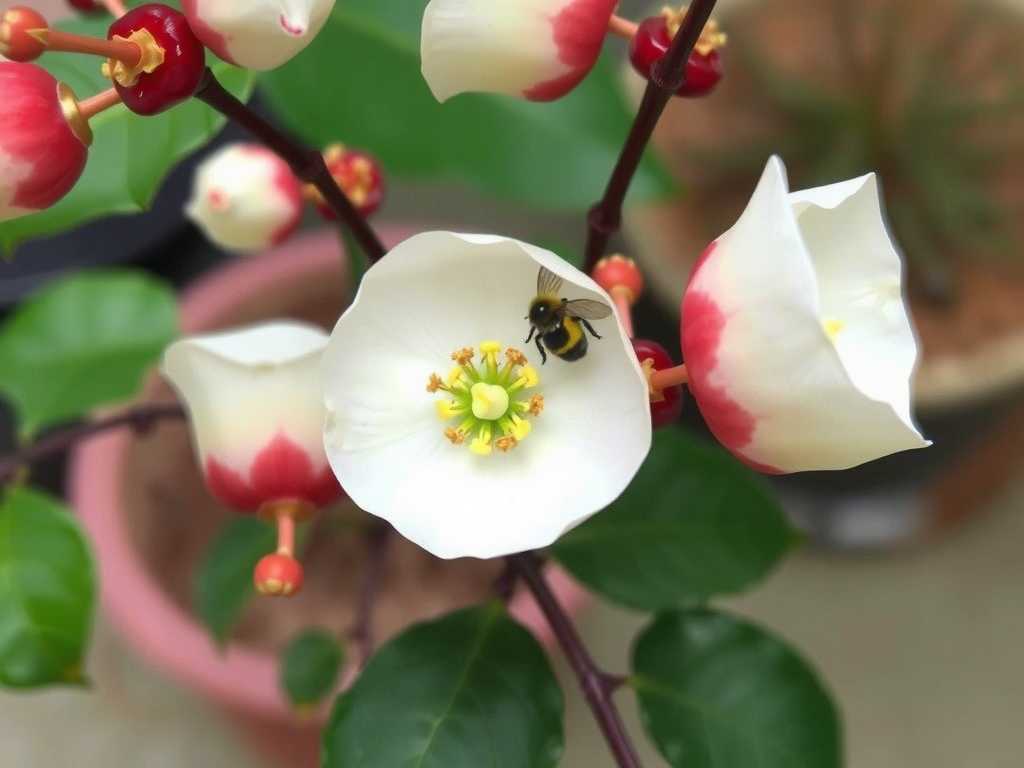
You’ve nurtured your Money Tree (Pachira aquatica) for years, watching it grow lush and full. Finally, the exciting moment arrives: a delicate, exotic-looking flower unfurls. It’s a sign of a happy, mature plant. But then, nothing happens. The flower fades and drops, leaving no trace of the coveted seed pod you were hoping for. This common frustration stems from one simple fact: indoors, your Money Tree flower lacks its natural pollinators. To successfully produce seeds, you must step in and learn how to pollinate a Money Tree flower. This hands-on process is the key to unlocking the next chapter in your plant’s life cycle.
Understanding the Money Tree Flower
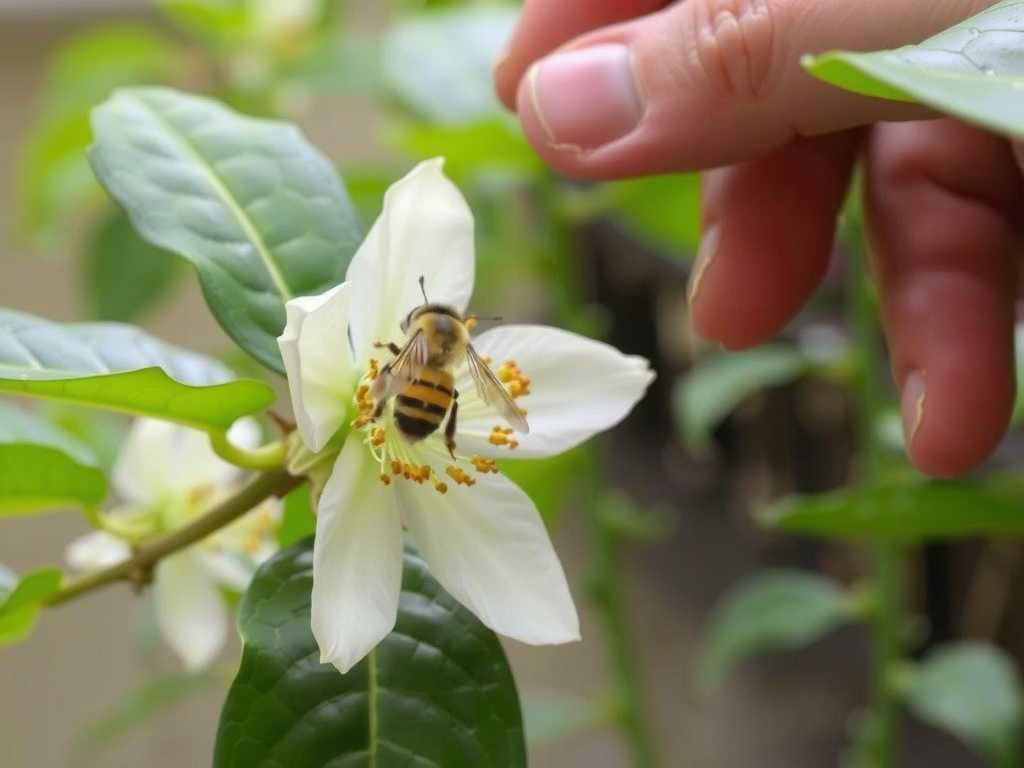
Before you attempt pollination, knowing your subject is crucial. The Money Tree flower is complex and stunning. It features large, creamy-white to pale yellow petals that open to reveal a dramatic display. The most important parts for pollination are the numerous, long red stamens (the male parts that produce pollen) and the central, elongated pistil (the female part). The flower is hermaphroditic, meaning it contains both male and female structures, but it is often not self-fertile. This means pollen from one flower typically needs to be transferred to the pistil of another flower for successful seed production.
Gathering Your Pollination Toolkit
You don’t need specialized equipment, but a few simple tools will make the process much easier and more effective.
- A fine, soft-bristled paintbrush or cotton swab: This is your primary tool for collecting and transferring pollen.
- Magnifying glass or jeweler’s loupe: Helps you see the fine pollen grains and the precise structure of the pistil.
- Small, clean container: For temporarily holding your pollen-collection tool if needed.
- Patience and timing: The window for successful pollination is small, often just a day or two when the flower is fully open and receptive.
The Step-by-Step Guide to Hand Pollination
Timing is everything. The best moment is mid-morning when the flower is fully open, the air is not too dry, and the pollen is fresh.
Step 1: Identify and Collect Pollen Gently open the flower petals to fully expose the stamens. You will see a fine, yellow-orange dust on the anthers at their tips—this is the pollen. Carefully swirl your clean, dry paintbrush or cotton swab over the anthers. You should see a visible coating of pollen grains on the bristles.
Step 2: Locate the Receptive Pistil Now, examine the central pistil. The receptive part is the stigma, which is the sticky tip at the very end. Under magnification, it may look slightly glossy or moist. This stickiness is what will trap the pollen grains.
Step 3: Transfer the Pollen This is the crucial act. Gently but firmly dab or swirl the pollen-laden brush onto the stigma of the target flower. Ensure you coat it thoroughly. For the highest chance of success, repeat this process over 2-3 days, using fresh pollen each time. If you have multiple Money Trees, use pollen from one plant to pollinate the flower of another to encourage genetic diversity and potentially higher seed viability.
Step 4: Post-Pollination Care After pollination, resume normal, careful care. Keep your plant in bright, indirect light and maintain consistent watering (allowing the top soil to dry out between waterings). Avoid moving or stressing the plant. If successful, the flower will wilt naturally, and the base of the pistil will begin to swell over the following weeks, forming the distinctive green, oval seed pod.
From Pollination to Seed Pod: What to Expect
A successfully pollinated flower will undergo a visible transformation. As noted by horticulturist Dr. Eleanor Vance in her study on tropical houseplant fertility, "The visible swelling of the ovary within 7-10 days is the first reliable indicator of successful fertilization in Pachira species." The pod will grow steadily, eventually reaching 6-12 inches in length. It will take several months to mature, turning from green to a brownish color and developing a woody texture. When it begins to crack open naturally, it’s time to harvest the seeds—large, brown, nut-like seeds that resemble chestnuts.
Troubleshooting Common Pollination Problems
- Flower Drops Immediately: This is often due to environmental stress like sudden temperature changes, under-watering, or low humidity during flowering. Ensure stable conditions.
- No Pollen Visible: The flower may not be fully mature. Wait until it has been open for a full day. Sometimes pollen is less abundant on indoor plants; gently tapping the stamen over a dark surface can help you see it.
- Pod Starts to Form Then Falls Off: This is usually a resource issue. The plant may abort the pod if it lacks sufficient energy. Ensure it is receiving adequate light and consider a light application of a balanced, half-strength fertilizer during pod development.
How long after pollination will I see a seed pod? You should see the base of the flower begin to swell noticeably within 1-2 weeks if pollination was successful. The full pod will develop over several months.
Can I use a Money Tree’s own pollen to pollinate itself? While possible, cross-pollination between two different plants yields a significantly higher success rate and more viable seeds. Self-pollination often results in pod abortion or non-viable seeds.
What is the best time of year to pollinate a Money Tree flower? Money Trees typically flower in late spring or summer when light levels are high. This is the natural and optimal time for pollination attempts, as the plant is in its active growth phase.
Witnessing a Money Tree flower transform into a heavy seed pod is one of the most rewarding experiences for an indoor gardener. It connects you to the fundamental rhythms of plant life. By mastering the simple yet precise technique of hand pollination, you move from being a passive observer to an active participant in your plant’s story. With careful timing, a gentle touch, and attentive follow-up care, you can successfully navigate the journey from a single, delicate flower to a harvest of seeds, ready to grow the next generation of your beloved Money Tree.