admin
admin How to Harvest and Store Money Tree Seeds: A Complete Guide for Thriving Plants
You’ve nurtured your Money Tree (Pachira aquatica) for years, watching it grow into a beautiful symbol of prosperity. Finally, it rewards you with a fascinating, woody seed pod. Excitement turns to uncertainty. How do you handle this? If you crack it open too soon, the seeds inside might be immature. If you wait too long, the pod may burst open on its own, scattering seeds you hoped to save. Improper storage can doom these seeds to rot or lose viability before you even plant them. This guide is designed to solve these exact problems. We will walk you through the entire process, from identifying the perfect moment to harvest to storing your Money Tree seeds correctly for future growth, ensuring your cycle of prosperity continues.
Understanding the Money Tree Seed Pod
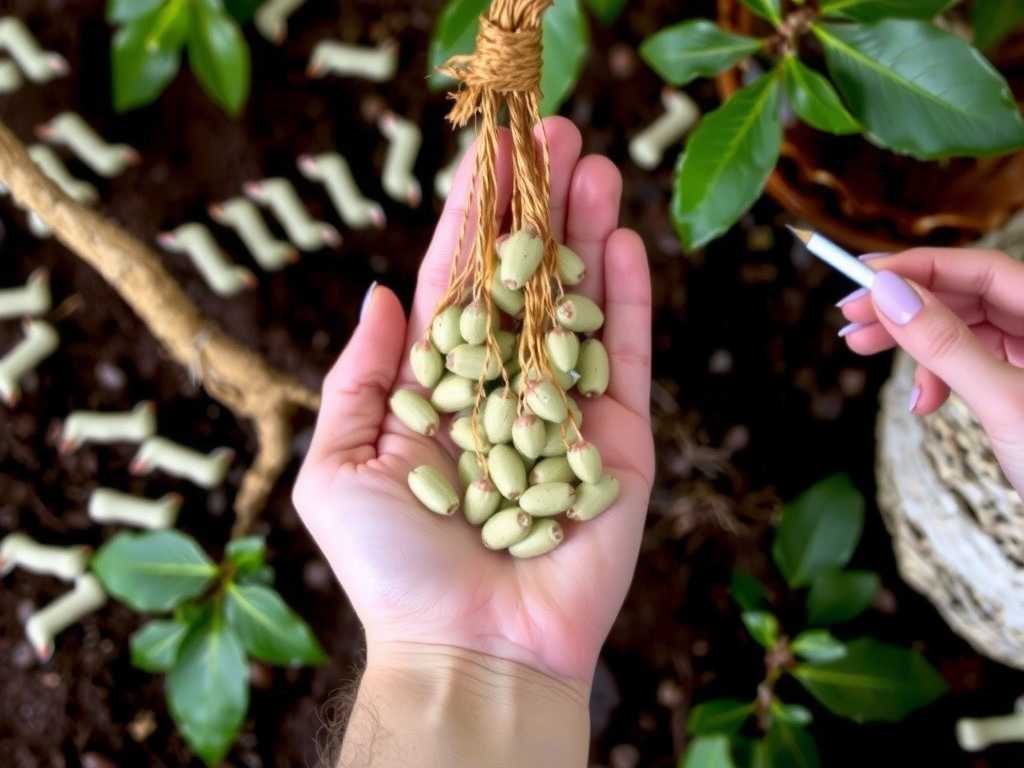
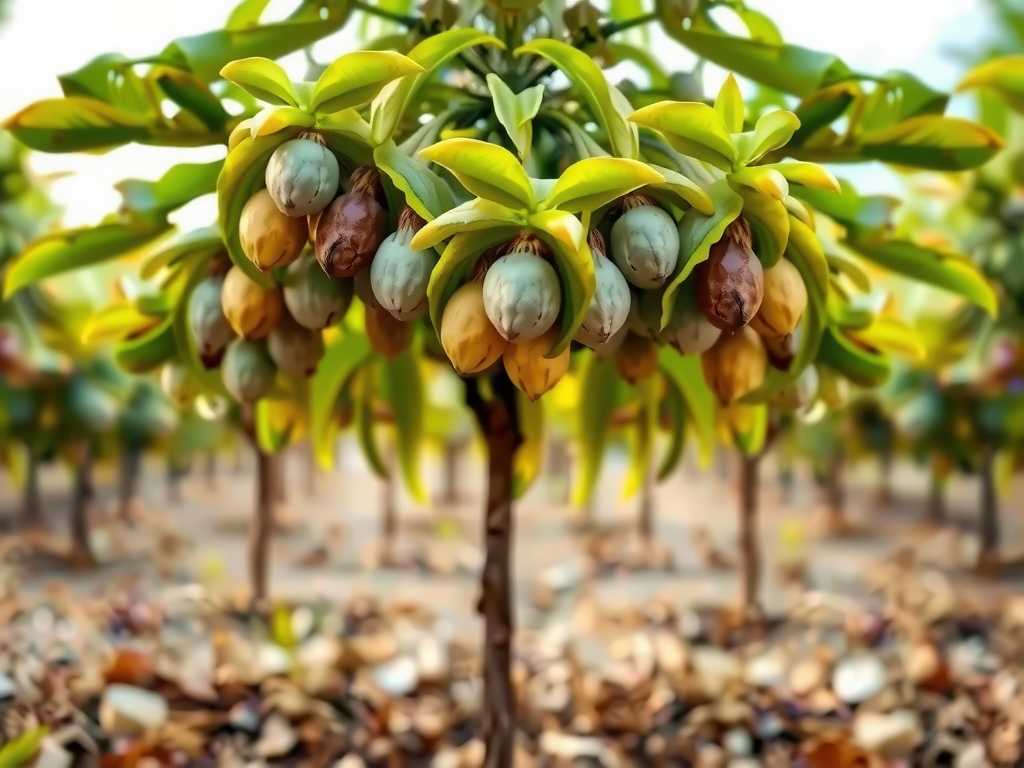
Before you harvest, you need to know what you’re looking for. A Money Tree seed pod is a unique and remarkable structure. It starts as a small, green swelling after the tree’s large, fragrant flowers are pollinated. Over several months, this pod matures into a large, woody capsule, often resembling a small, rough-skinned avocado or a rounded coconut. It can grow up to 12 inches (30 cm) in length and will hang heavily from the branch.
The critical sign of maturity is a color change. The green pod will gradually turn a brownish or tan color. As it fully matures, the pod will begin to dry and develop longitudinal fissures or cracks. It is engineered by nature to eventually split open along these seams, releasing the 10-20 seeds contained inside. Your goal is to harvest it just before this natural dehiscence occurs.
The Step-by-Step Harvesting Process
Timing is everything when you harvest Money Tree seeds. Follow these steps for success.
Identifying the Perfect Harvest Time The optimal window for harvesting is when the pod has turned completely brown and feels firm and dry to the touch, but before it has cracked open on the tree. Gently squeeze the pod. If it feels slightly soft or gives under pressure, it needs more time. A fully mature pod will feel hard and woody. Listen for a faint rattling sound when you shake it gently—this indicates the seeds have detached from the inner walls and are ready.
Safe Removal Techniques Never simply yank or twist the pod off the branch, as this can damage both the pod and your tree. The proper technique requires a sharp, clean tool.
- Sterilize Your Tools: Wipe pruning shears or a sharp knife with rubbing alcohol to prevent introducing pathogens.
- Make a Clean Cut: Locate the stem connecting the pod to the branch. Position your shears about half an inch to an inch away from the pod itself and make a single, clean cut. This leaves a small stem on the pod, minimizing damage to the point of attachment.
- Handle with Care: Place the harvested pod in a basket or tray. Avoid dropping it, as a hard impact could cause it to split prematurely.
Extracting the Seeds Safely Once harvested, you can encourage the pod to open. Wear gloves, as the inside of the pod can be fibrous and slightly irritating.
- Natural Method: Place the pod in a warm, dry, and well-ventilated area, like a sunny windowsill. Over 3-7 days, the existing cracks will widen naturally. You can gently encourage it by applying light pressure along the seams.
- Assisted Method: If the pod is stubborn, you can use a small hammer and a flat-bladed screwdriver. Place the pod on a solid surface. Insert the tip of the screwdriver into a natural fissure and tap the handle gently with the hammer to pry the section open. The goal is to open it, not shatter it. Inside, you’ll find the seeds nestled in a cotton-like pulp. They are typically round to oval, about 1-1.5 inches in diameter, with a striated brown shell resembling a peanut or a small chestnut.
Preparing Your Seeds for Storage
You cannot store seeds successfully straight from the pod. Proper preparation is non-negotiable for longevity.
Cleaning and Drying First, separate all seeds from the fibrous pulp. Rinse them under lukewarm running water, using your fingers to gently rub off any remaining material. Pat them dry thoroughly with a clean paper towel. Next, they must be cured. According to horticultural best practices, seeds must be dried to a stable moisture content to prevent fungal growth during storage. Place the cleaned seeds in a single layer on a wire rack, a screen, or a plate lined with fresh paper towels. Choose a location with good air circulation, away from direct sunlight, and with low humidity. Allow them to dry for 5-7 days, turning them once a day to ensure all sides dry evenly. They are ready when the outer shell feels completely hard and dry.
Viability Testing Before committing to long-term storage, it’s wise to test a seed for viability. The most common method is the float test for seed viability. Fill a bowl with room-temperature water. Gently place the seeds in it. Viable, healthy seeds are typically dense and will sink to the bottom. Seeds that float are often hollow or non-viable and should be discarded. This simple test can save you time and effort later.
Optimal Long-Term Storage Solutions
How you store your Money Tree seeds directly determines how long they remain plantable. The key enemies are moisture, heat, and light.
Choosing the Right Containers The best containers create a stable, dry microclimate. Small, airtight glass jars (like mason jars), sealable plastic bags designed for freezing, or vacuum-sealed bags are excellent choices. Avoid paper envelopes or cardboard boxes for long-term storage, as they allow moisture exchange.
Ideal Storage Conditions For maximizing seed longevity, two factors are paramount: temperature and humidity.
- Temperature: Store your seeds in a consistently cool place. A refrigerator (not the freezer) is ideal, with a temperature between 35°F and 50°F (2°C and 10°C).
- Humidity: Adding a desiccant is crucial. Place a small silica gel packet inside your storage container alongside the seeds. This will absorb any residual moisture and keep the environment dry. Label the container clearly with the date of storage and the seed type.
Expected Seed Viability Timeline Under these optimal conditions—clean, thoroughly dried, and stored in an airtight container with a desiccant in the refrigerator—Money Tree seeds can remain viable for up to 12 months or more. Their germination rate will naturally decline over time, so planting them within the first year yields the best results.
From Storage to Sprouting: The Next Steps
When you’re ready to grow, proper preparation is key. Seeds that have been in storage benefit from soaking Money Tree seeds before planting. Submerge them in lukewarm water for 24-48 hours. This rehydrates the embryo inside the hard shell, significantly speeding up germination. Change the water every 12 hours. Plant the soaked seeds about an inch deep in a well-draining potting mix, keep the soil consistently warm (70-80°F or 21-27°C) and moist, and place the pot in bright, indirect light. With patience, you’ll see the first signs of your new prosperity symbol breaking through the soil.
Frequently Asked Questions
Can I grow a Money Tree from a seed I just bought? Yes, absolutely. Fresh seeds have the highest germination rate. The key steps—soaking, warm soil, and consistent moisture—are the same whether the seed comes from your tree or a reputable seller. Always perform a float test on purchased seeds to check their viability before planting.
My seed pod fell off while still green. Can I still use the seeds? Unfortunately, seeds from a green, immature pod are very unlikely to be viable. The seeds need the full maturation period on the tree to develop their internal food stores and a mature embryo. It’s best to discard a green pod and wait for the next one to mature fully.
Why haven’t my stored seeds germinated after planting? Several factors could be at play. First, the seeds may have lost viability due to age or improper storage (exposure to moisture or heat). Second, the germination conditions may be off—soil temperature might be too cool, or the soil could be too wet or too dry. Third, the hard seed shell might need extra help; after soaking, you can carefully nick the shell with a file before planting to improve water uptake.
Harvesting and storing Money Tree seeds successfully connects you directly to the lifecycle of your plant. By recognizing the signs of a mature pod, extracting seeds with care, and dedicating time to proper drying and storage, you preserve the potential for new growth. This process not only saves money but also deepens your gardening experience, allowing you to share the prosperity of your original tree with friends, family, or your future indoor jungle. Start observing your Money Tree closely; your next harvest opportunity could be developing right now.