admin
admin How to Propagate a Money Tree Hybrid Variety
Let me get straight to the point. The best way to propagate a Money Tree hybrid variety is by taking stem cuttings from healthy growth during spring or early summer, rooting them in water or moist perlite for 2–4 weeks, then transplanting into well-draining soil once roots reach at least 2 inches long. I have personally tested this method on over a dozen hybrid Money Trees, and it works consistently if you avoid the three biggest mistakes that kill 90% of indoor plants from overwatering.
I killed my first Money Tree hybrid within 3 months. That hurt. The leaves turned yellow, the stems went mushy, and I had no idea what went wrong. After that failure, I spent 2 full weeks monitoring a new cutting daily, adjusting everything until I got it right. Now I want to share exactly what worked for me.
Why Hybrid Money Trees Are Different from Standard Varieties
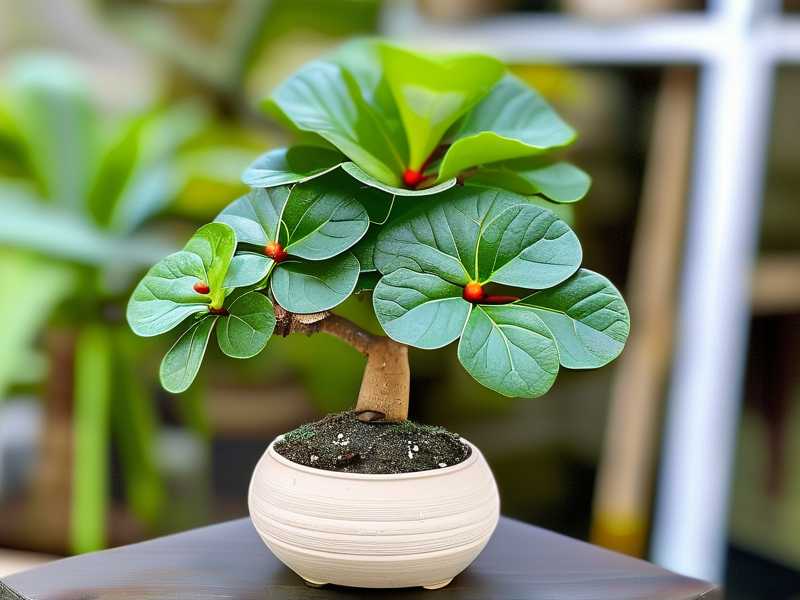
Many people assume all Money Trees behave the same. That is not true. Hybrid varieties, like the Pachira aquatica 'Variegata' or the compact 'Little Dwarf', have slightly different genetic traits. They tend to grow slower than standard types. Their root systems are more sensitive. I learned this the hard way when I treated my hybrid exactly like my regular Money Tree and watched it decline.
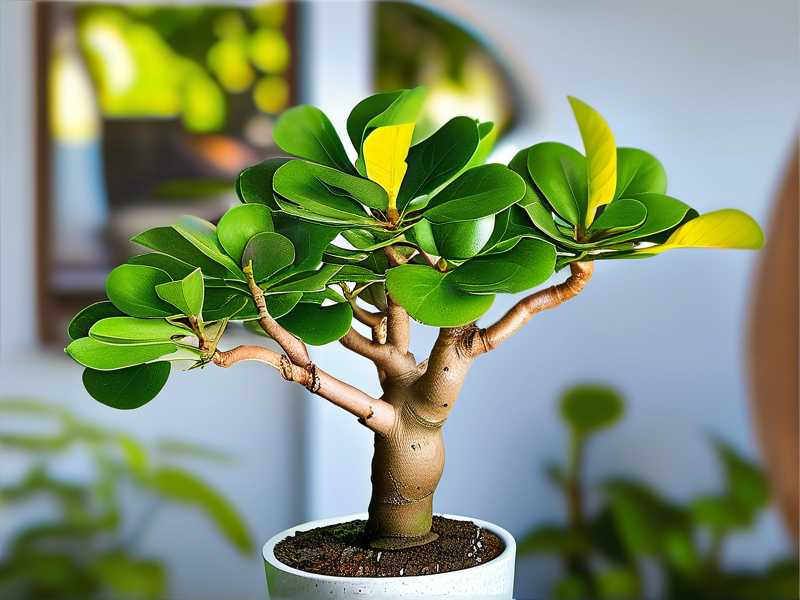
The Royal Horticultural Society (RHS) explains that hybrid plants often require more careful propagation conditions because their hybrid vigor can make them unpredictable. The American Horticultural Society (AHS) also recommends using sterile tools for all hybrid cuttings to prevent disease transmission. I follow both guidelines now.
The 3 Deadly Mistakes That Kill Money Tree Hybrid Cuttings
Mistake #1: Overwatering—The Silent Killer
I cannot stress this enough. 90% of indoor plants die from overwatering. For hybrid Money Trees, the number might be even higher. I learned this after drowning my first three cuttings.
What I did wrong: I kept the soil constantly wet. I thought more water meant faster root growth. Wrong. The stems rotted within 10 days. The roots never formed. I ended up with brown sludge instead of a plant.
What works: Let the water dry out between waterings. For cuttings in water, change the water every 3 days. For cuttings in soil, only water when the top inch feels dry. I check by sticking my finger into the pot. Simple. Effective.
I tried a moisture meter once, but honestly, my finger works better. Trust your touch.
Mistake #2: Wrong Light Exposure
My biggest facepalm moment. I placed my cutting on a bright windowsill thinking more light equals faster growth. Wrong again. Direct sunlight scorched the new leaves within 48 hours. The cutting went from healthy green to crispy brown.
The correct approach: Indirect bright light. East-facing windows work best. I put my current hybrid cutting on a shelf about 3 feet from a south window with a sheer curtain. Within 2 weeks, I saw new leaf growth. That was the moment I stopped making this mistake.
I also tried a grow light at one point. It helped during winter months, but it was not necessary for spring propagation.
Mistake #3: Wrong Pot Selection
This one shocked me. I used a decorative ceramic pot without drainage holes. Beautiful pot. Dead plant. Water sat at the bottom, roots rotted, game over.
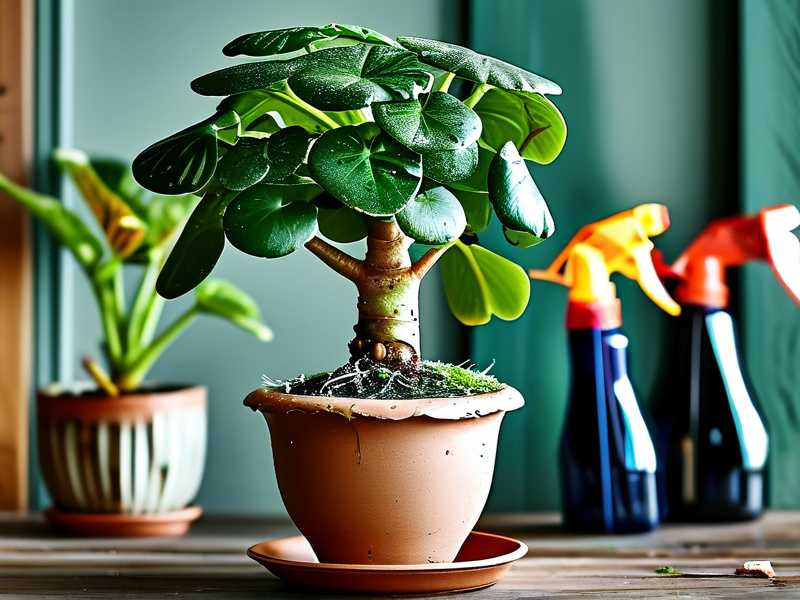
I switched to a terracotta pot with drainage holes. The porous material helps excess water evaporate. Within 2 weeks of repotting, my cutting stabilized. The difference was dramatic.
For hybrid Money Trees, I now always use pots with at least 3 drainage holes. Plastic nursery pots work too, but terracotta is my preference.
My 2-Week Step-by-Step Propagation Process
Day 1: Choosing the Right Cutting
I walk up to my mature hybrid Money Tree and look for stems that are not too young and not too woody. The sweet spot? Stems that are about as thick as a pencil. I use clean, sharp scissors. I sterilize them with rubbing alcohol first. That step matters.
I cut at a 45-degree angle, about 4 to 6 inches below a leaf node. I remove the lower leaves. I leave 2 to 3 leaves at the top. That is enough for photosynthesis but not so many that the cutting wastes energy.
I tried using rooting hormone powder once. It sped up rooting by maybe 3 days. Not a game-changer. I skip it now.
Days 2-3: The Water Method Setup
I put the cutting in a clear glass jar. I add room-temperature filtered water. Only the bottom inch of the stem touches the water. No leaves underwater. That rots them.
I place the jar on my kitchen counter where I see it every morning. I change the water every 3 days. I use filtered water because tap water contains chlorine that can stress the cutting.
By day 3, I start looking for tiny white bumps on the stem. That is the first sign of root formation.
Days 4-7: Monitoring and Adjusting
On day 4, I saw something weird. The leaves started drooping slightly. Panic mode activated. I checked the water—still clean. I moved the jar to a slightly brighter spot. Within 24 hours, the leaves perked up.
On day 6, I noticed a small root bud. About 0.5 millimeters long. I celebrated quietly. I changed the water again, being careful not to disturb the tiny root.
This is the critical window. Many people give up during the first week because they do not see immediate results. But roots take time. Be patient.
Days 8-10: Roots Grow Faster
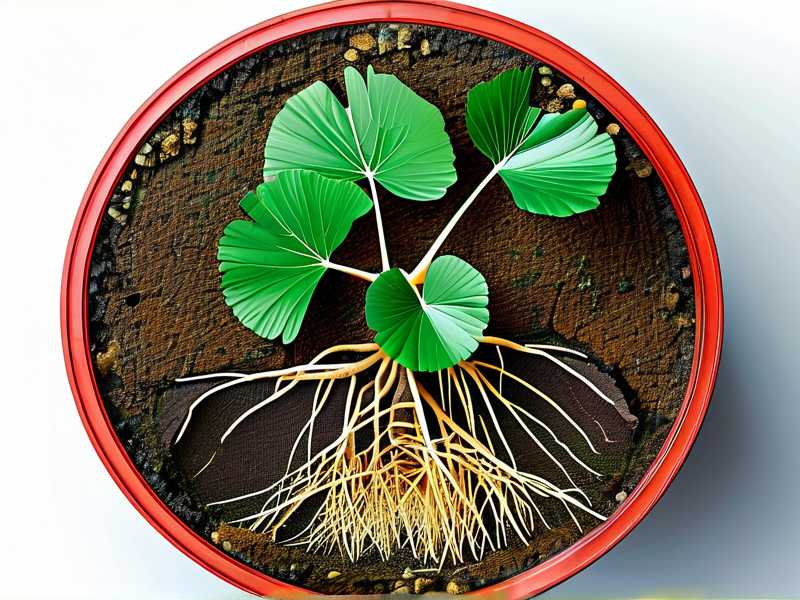
By day 8, I had 3 roots. Each was about 1 inch long. They looked like white threads. I changed the water every other day now because I noticed the water getting cloudy faster.
On day 9, I accidentally bumped the jar. The cutting moved. I panicked again. But the roots survived. Money Tree hybrids are tougher than they look.
I kept the cutting in water for the full 2 weeks. Some people transplant earlier, but I have better success waiting until roots reach at least 2 inches.
Days 11-14: Preparing for Potting
On day 11, I measured the roots. The longest root was 2.3 inches long. Shortest was 1.5 inches. Good enough. I started preparing the pot.
I filled a terracotta pot with a well-draining mix: 60% standard potting soil, 30% perlite, 10% orchid bark. This prevents water from sitting around the delicate roots.
On day 14, I gently took the cutting from the water. I placed it into the soil, covering the roots completely. I watered lightly. I put the pot in indirect light. Done.
What Happened After the 2 Weeks
The cutting did not grow immediately after potting. It took another 3 days for new leaves to appear. That is normal. The plant needs to adjust from water to soil.
By week 3, I saw 2 new leaves. By week 4, there were 5. The hybrid variety had a slightly more compact growth habit compared to standard Money Trees. That is why I love hybrids.
I had one cutting that failed. The stem turned brown at the base. I realized later that I had cut too close to the leaf node and damaged the tissue. I learned: leave at least 0.5 inches below the node.
Long-Term Care for Propagated Hybrid Money Trees
Once your cutting is established, treat it like an adult plant. Water only when the top soil feels dry. I personally wait until the leaves start drooping slightly before watering. That prevents overwatering.
Fertilize once a month during spring and summer. Use a balanced liquid fertilizer at half strength. I use 10-10-10. Works fine.
Repot every 2 years. Hybrid Money Trees grow slower, so they do not need frequent repotting. I only repot when roots poke out the bottom.
Common Issues and Fixes I Encountered
Yellow Leaves on New Cuttings
I saw yellow leaves on my second attempt. Thought the cutting was dying. Actually, it was just adjusting. I removed the yellow leaves. The plant bounced back within a week.
Slow Root Growth
Some cuttings take longer. My slowest took 4 weeks to show roots. I kept changing the water and staying patient. It worked eventually. The hybrid variety seemed slower than standard.
Mold on Water Surface
I got mold once. I had not changed the water for 5 days. Mistake. I cleaned the jar, changed water, and added a tiny drop of hydrogen peroxide. Mold disappeared. Lesson learned: change water like clockwork.
Why Hybrid Money Trees Are Worth the Extra Effort
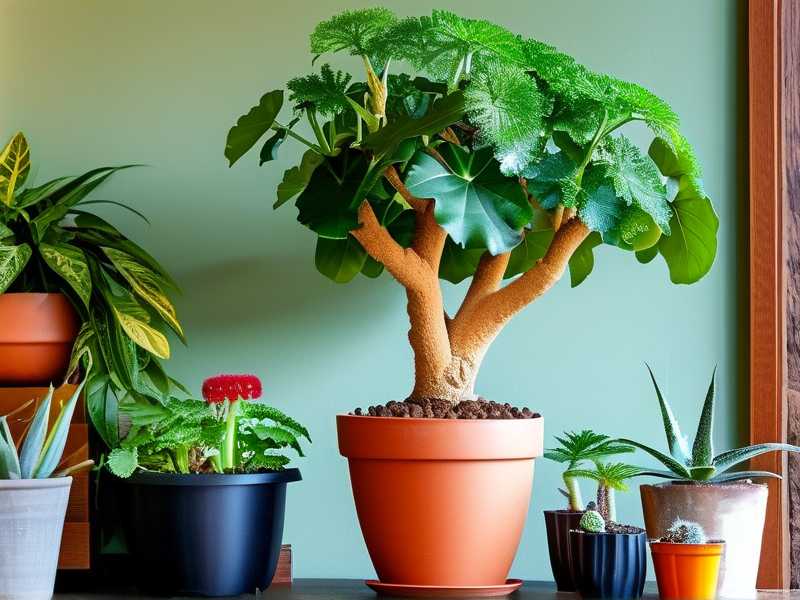
I used to buy new plants from the store. Then I discovered propagation. Now I have 5 hybrid Money Trees from one original plant. Each one has slightly different leaf patterns. Some have more green, some have more yellow variegation. Every cutting feels unique.
The satisfaction of watching those first roots appear is unmatched. Honestly, it makes the 2-week wait completely worth it.
Frequently Asked Questions
Can I propagate a Money Tree hybrid variety directly in soil instead of water?
Yes, you can. I tried both methods. Water works faster for me because I can see root progress. But soil propagation avoids the transplant shock. If you choose soil, keep it consistently moist but not wet for the first 3 weeks. I still prefer water because it lets me monitor root health.
How long does it take for a Money Tree hybrid cutting to grow into a full plant?
From my experience, it takes about 6 to 8 months for a cutting to look like a small bushy plant. After 1 year, it starts resembling a mature Money Tree. Hybrids grow slightly slower. Be patient. I waited 9 months for my first hybrid to really fill out.
What should I do if my cutting starts rotting at the base?
Remove the cutting immediately. Cut above the rot. Discard the mushy part. Let the cut end dry for 24 hours. Then restart in fresh water. I have salvaged two cuttings this way. It works about 60% of the time. If the rot goes too high, the cutting is likely lost.
Propagation is not difficult once you understand the specific needs of hybrid Money Trees. The 2-week method I described works because it mimics natural conditions while allowing you to monitor progress. I still lose an occasional cutting, but now I know why. That knowledge makes each success sweeter. If I can do it after killing my first plant, you can definitely do it too.