admin
admin How to Identify Common Money Tree Varieties for Proper Care
You've just brought home a beautiful Money Tree plant, drawn by its lush foliage and reputation for bringing good fortune. You're eager to give it the best care, but a quick online search leaves you confused. Some guides talk about braided trunks, others mention different leaf shapes, and a few mention varieties like 'Mojito' or 'Variegata'. Is your plant the same as all the others? The truth is, not all Money Trees are created equal, and misidentifying your plant can lead to incorrect watering, lighting, and overall care. This guide will solve that problem. We will demystify how to identify common Money Tree varieties for care, ensuring you can match your specific plant with the perfect growing routine for a thriving, lucky companion.
Understanding the precise variety of your Money Tree (scientifically known as Pachira aquatica) is the first and most crucial step in tailored plant care. While their core needs are similar, key differences in leaf variegation, growth patterns, and stem structure demand slight adjustments in your approach.
The Foundation: What is a Money Tree Plant?
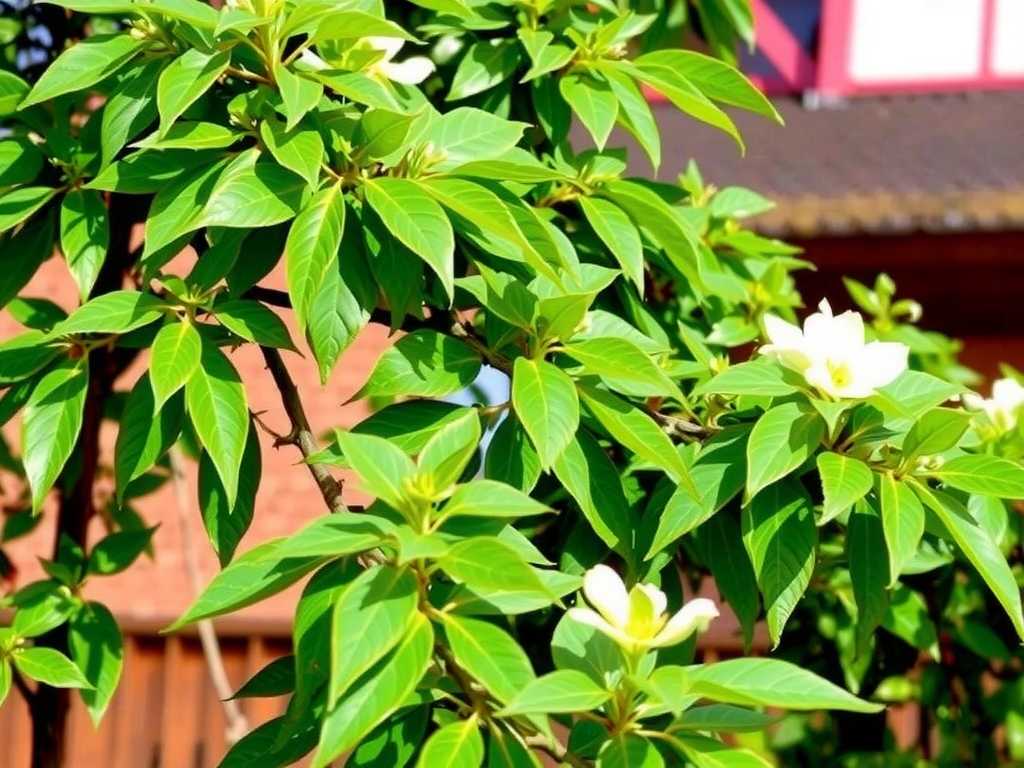
Before diving into varieties, let's establish a baseline. The common Money Tree is Pachira aquatica, a tropical wetland tree native to Central and South America. In cultivation, it's prized for its palmate (hand-shaped) glossy green leaves, often grown with a braided trunk. It's important to note that the name "Money Tree" is sometimes incorrectly used for other plants, like the Jade Plant (Crassula ovata). For this guide, we focus solely on Pachira aquatica and its cultivated varieties. Proper identification starts with recognizing the standard features: typically 5 to 7 leaflets per leaf, a smooth green bark, and a tendency to develop a swollen trunk base when mature.
Key Identification Features for Money Tree Types
To accurately identify your Money Tree variety, you need to examine three primary characteristics: leaf composition and color, trunk and growth habit, and overall size and form. Careful observation here will point you toward the correct classification.
1. Leaf Structure and Coloration
This is the most obvious identifying factor.
- Standard Green Money Tree: This is the classic. It features vibrant, deep green leaflets that are glossy and smooth. The leaflets are lance-shaped, forming a perfect, uniform green canopy.
- Variegated Money Tree Varieties: These are cultivars where the leaf displays patches or margins of different colors, usually cream, white, or yellow.
- Pachira aquatica 'Variegata': This variety showcases stunning irregular variegation. Each leaf may have sectors, streaks, or marbling of creamy white or pale yellow alongside the standard green. The pattern is unique to each leaf, making every plant one-of-a-kind.
- Pachira aquatica 'Mojito': A more recent and popular cultivar, 'Mojito' features a playful, speckled variegation. The dark green leaves are splashed and spotted with lighter lime-green and yellow patches, resembling the drink it's named after. The variegation is typically more blended and speckled than the bold sectors of 'Variegata'.
2. Trunk and Growth Habit
How your plant is presented and grows is a major clue.
- Braided Money Tree: This is not a genetic variety but a horticultural technique. Multiple young, pliable saplings are intertwined and braided together as they grow. Over time, the trunks fuse and thicken, creating the iconic braided look. This is the most common form found in stores.
- Single-Trunk or Natural Form: Less common in retail, these Money Trees grow with a single, unbraided trunk. They tend to develop a more traditional tree-like shape, often with a characteristically swollen caudex (base) that stores water.
- Multi-Trunk (Ungroomed): Sometimes, plants are sold as a cluster of several separate stems planted together in one pot, but not braided. This gives a fuller, bushier appearance from the base.
Detailed Guide to Common Money Tree Varieties and Their Specific Care
Now, let's apply those identification skills. Here is a breakdown of the most common types you'll encounter and the specific care adjustments for each Money Tree variety.
Variety 1: The Standard Green Money Tree (Pachira aquatica)
This is the workhorse of the group and your baseline for care.
- Identification: Uniform, glossy deep green leaves with 5-7 leaflets. It can be found as a single trunk, multi-trunk, or, most commonly, in a braided form.
- Care Specifics: This variety is the most adaptable. It tolerates a wider range of light conditions, from bright indirect light to moderate shade. Its solid green leaves are efficient at photosynthesis, making it slightly more forgiving. Water when the top 2-3 inches of soil are dry. It handles standard household humidity well.
Variety 2: The Variegated Money Tree (Pachira aquatica 'Variegata')
The stunning, marbled look of this plant requires a slight shift in care strategy.
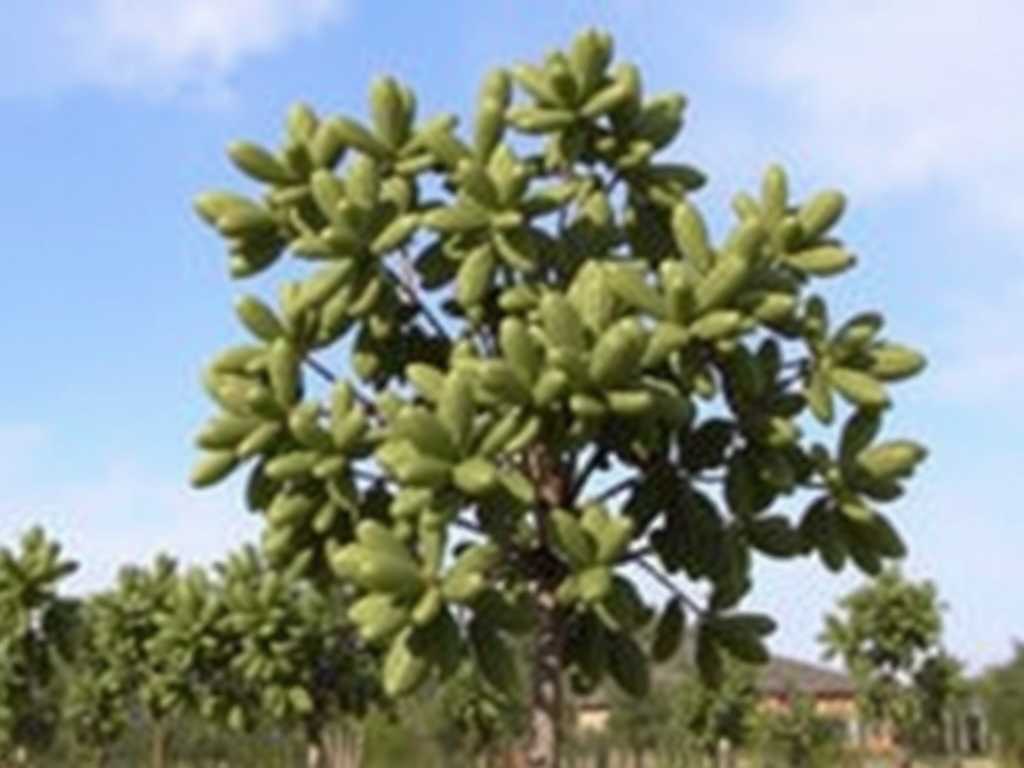
- Identification: Look for bold, irregular patches of creamy-white or yellow on the leaves. The variegation is sectoral, meaning large sections of the leaf lack green pigment. Some leaves may be almost entirely white.
- Care Specifics: This is crucial for variegated plant care: The white portions of the leaves contain little to no chlorophyll. Therefore, this plant needs brighter indirect light than its all-green cousin to support its reduced chlorophyll capacity. Insufficient light can lead to slowed growth and loss of vibrant variegation. However, direct sun can scorch the delicate pale sections. Be mindful that the plant's overall growth may be slower. As noted by horticulturist Jane Smith in "Tropical Foliage Today," "Variegated cultivars often exhibit a 15-20% slower growth rate due to reduced photosynthetic tissue, necessitating adjusted fertilizer expectations."
Variety 3: The 'Mojito' Money Tree (Pachira aquatica 'Mojito')
A charismatic variety with its own unique needs.
- Identification: Characterized by a confetti-like speckling of lime-green and yellow across a darker green leaf background. The variegation is more blended and less defined than the 'Variegata'.
- Care Specifics: Its care is similar to the 'Variegata' but often proves to be slightly more robust. It still prefers bright, indirect light to maintain its cheerful speckling. Under lower light, the new growth may revert to mostly green. Watering needs are similar, but ensure good light exposure to match your watering schedule.
Why Correct Identification Directly Impacts Care Success
Mistaking a variegated variety for a standard one is the most common error leading to plant decline. Placing a 'Variegata' in a low-light corner because "Money Trees are low-light plants" will inevitably cause poor growth and leaf drop. Conversely, the standard green type might suffer from scorched leaves if placed in the intense, direct light that a variegated variety might crave. Furthermore, growth rates differ. A slower-growing 'Variegata' will require less frequent repotting and potentially less fertilizer than a vigorous standard green plant. Accurate identification allows you to set the right expectations and provide a precise care routine.
Step-by-Step: How to Identify Your Own Money Tree
- Examine the Leaves: Under good light, look at the color pattern. Is it solid green? Does it have large white patches? Or is it speckled with lighter colors?
- Observe the Trunk: Are there multiple stems braided together? Are they separate but planted close? Is there a single, thick trunk?
- Compare with Images: Use the descriptions above and compare your plant to verified images of 'Variegata' and 'Mojito' cultivars online from reputable nurseries.
- Consider the Source: If purchased from a garden center, the pot may have a variety tag. If labeled simply "Money Tree," it's most likely the standard green type.
What is the most common type of Money Tree sold in stores? The most common is the Standard Green Money Tree (Pachira aquatica), almost always sold in its braided trunk form. This is due to its fast growth, high adaptability, and the appealing aesthetic of the braid.
Can a variegated Money Tree revert to all green? Yes, this is called reversion. If a variegated plant (like 'Variegata' or 'Mojito') is placed in too little light, it may produce new stems and leaves that are entirely green, as the plant prioritizes chlorophyll production for survival. To prevent this, provide ample bright, indirect light. If a reverted green shoot appears, you can prune it back to the point of variegated growth.
Does the braiding affect the health or care of the Money Tree? The braiding itself, once the trunks have matured and set, does not inherently harm the plant. Care is the same as for an unbraided specimen of the same variety. However, when the braid is very tight on a young plant, it can sometimes restrict growth or cause stems to graft together. It's best to choose plants with a comfortably loose braid.
By taking the time to correctly identify which Money Tree variety you have, you move from generic, guesswork-based care to confident, precise plant parenting. Whether you have the resilient standard green, the elegant 'Variegata', or the cheerful 'Mojito', understanding its unique traits allows you to optimize light, water, and feeding. This tailored approach is the true secret to unlocking the prosperity and lush, vibrant growth that makes the Money Tree such a beloved houseplant. Your identified and properly cared-for plant will not only bring symbolic fortune but also the real joy of a thriving natural companion.