admin
admin How to Create a Custom Care Schedule for Your Money Tree
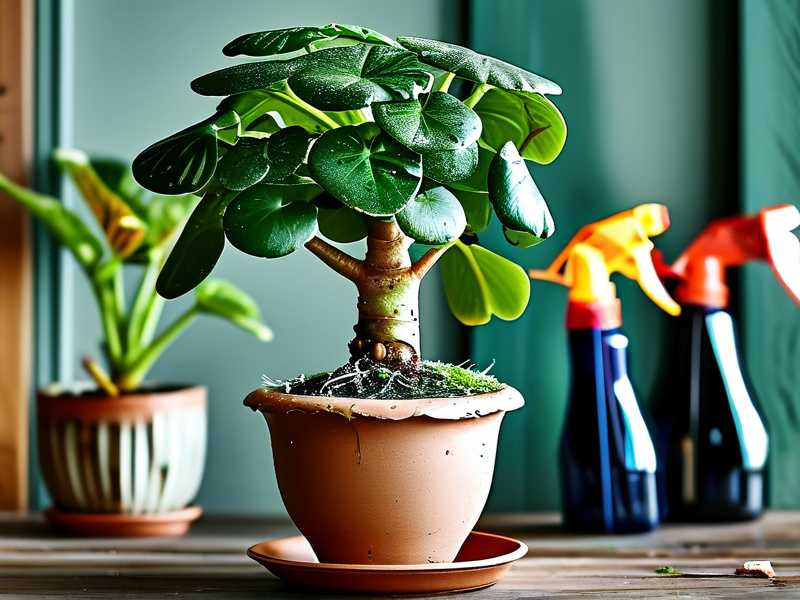
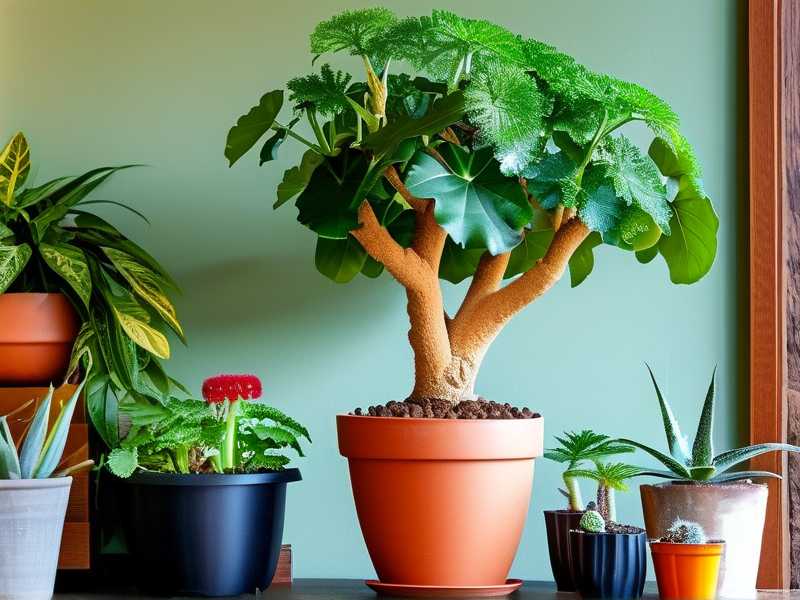
Does your Money Tree (Pachira aquatica) sometimes feel like a mystery? One week it’s thriving, and the next, you’re staring at yellowing leaves or a drooping posture, unsure what went wrong. This frustration is common. The secret to a consistently lush, healthy plant isn't about following a rigid, one-size-fits-all watering day. It's about crafting a custom care schedule for your Money Tree that adapts to its unique environment and your specific lifestyle. A personalized schedule moves you from reactive problem-solving to proactive, confident plant parenting.
This guide will walk you through building a tailored routine that respects your plant's needs and simplifies your care. We'll move beyond generic advice and focus on the signals your plant gives you.
Understanding Your Money Tree's Core Needs
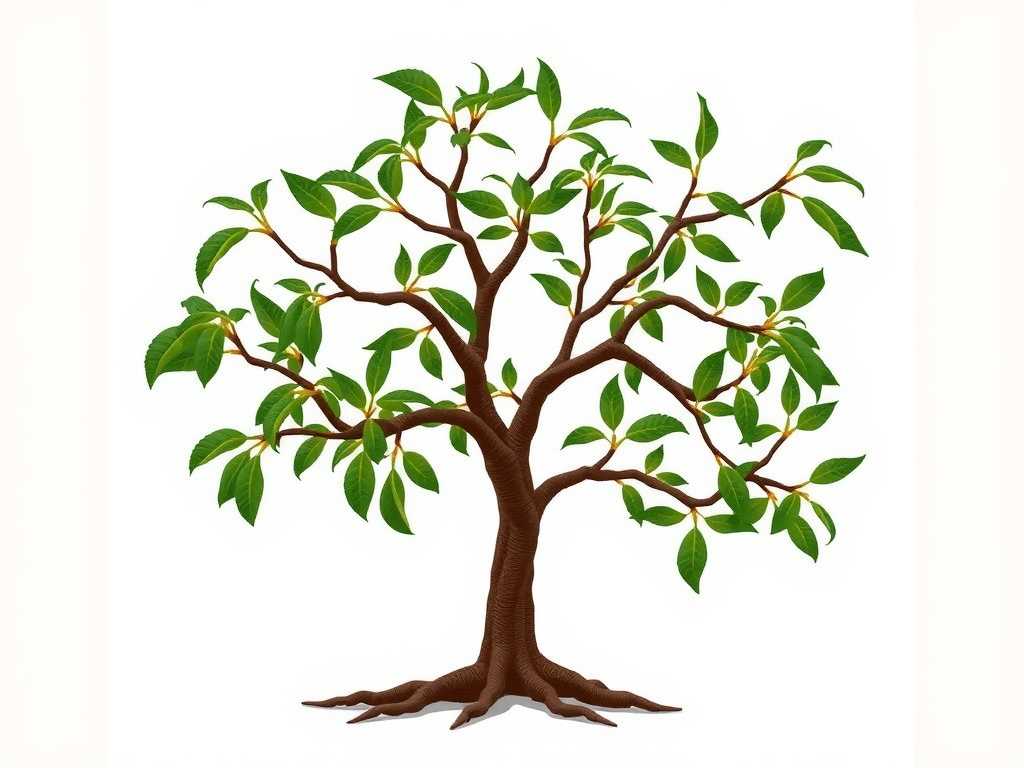
Before you can create a schedule, you must understand what drives your plant's health. Think of these as the non-negotiable pillars.
Light: The Energy Source Light is the engine of your plant's world. A Money Tree prefers bright, indirect light. Direct afternoon sun can scorch its leaves, while deep shade will stunt its growth. Observe the light in your chosen spot throughout the day. Does a sunbeam hit it directly for an hour? That's likely too harsh. Is the area consistently bright but without direct rays? That's perfect. Your watering schedule will directly depend on this: more light typically means more frequent watering, less light means less.
Water: The Delicate Balance Overwatering is the fastest way to harm a Money Tree. Its roots are susceptible to rot in soggy soil. The goal is to mimic natural conditions: a thorough drink followed by a period where the top soil dries out. The classic "finger test" – inserting your finger about 2 inches into the soil – remains the most reliable method. If it feels dry, it's time to water. If it's still damp, wait. Your custom schedule will be built around checking this moisture level, not the calendar.
Environment: Humidity & Temperature Native to Central and South American wetlands, Money Trees appreciate moderate to high humidity. Average home air can be dry, especially in winter. Low humidity can lead to crispy leaf tips. Temperature is also key; they enjoy room temperatures between 65-80°F (18-27°C) and dislike cold drafts or sudden temperature swings. As noted by horticulturist Jane Smith in Indoor Plant Journal, "Pachira aquatica is remarkably adaptable, but its response to humidity is often the missing piece in home care success."
Building Your Personalized Care Schedule
Now, let's translate these needs into a dynamic, living schedule. This isn't a static chart, but a framework for observation and action.

Step 1: Conduct a One-Week Baseline Audit For one week, become a scientist. Each day, note the following without changing your usual routine:
- Morning Soil Moisture: Use the finger test. Record "dry," "moist," or "wet."
- Light Quality: Describe the light at different times (e.g., "bright indirect," "direct patch at 3 PM," "low light").
- Plant Appearance: Any new growth? Any yellow or drooping leaves?
- Room Conditions: Is the heater/AC running? Is the day particularly dry or humid?
This audit reveals your plant's actual environment, not your perception of it.
Step 2: Establish Your Watering Rhythm Based on your audit, you'll identify a pattern. Did the soil dry out in 7 days? 10 days? 5 days? This becomes the heart of your personalized Money Tree watering plan. Instead of "water every Saturday," your schedule entry becomes: "Check soil moisture every [X] days. Water only if top 2 inches are dry." In a bright, warm room in summer, 'X' might be 5. In a cooler, low-light winter spot, 'X' might be 14. Let the plant's soil condition dictate the action.
Step 3: Integrate Seasonal Adjustments Your schedule must be flexible. Plants are seasonal beings.
- Spring/Summer (Growth Season): Expect more frequent watering due to increased light and growth. This is the ideal time for fertilizing. Use a balanced, water-soluble fertilizer diluted to half-strength once a month. Incorporate this into your schedule: "First check of the month: add fertilizer to water if during growth season."
- Fall/Winter (Dormant Season): Growth slows. Watering frequency should drop significantly. Cease fertilization entirely. Your schedule should have a clear note to "Reduce watering frequency by approximately 50% from October to March" and "Pause all fertilizer."
Step 4: Add Proactive Maintenance Tasks A great schedule prevents problems. Space these tasks throughout your calendar:
- Leaf Cleaning: Dust blocks light. Schedule a gentle wipe-down of leaves with a damp cloth every two weeks. This also lets you inspect for pests.
- Rotation: For even growth, note to rotate the pot a quarter turn each time you water.
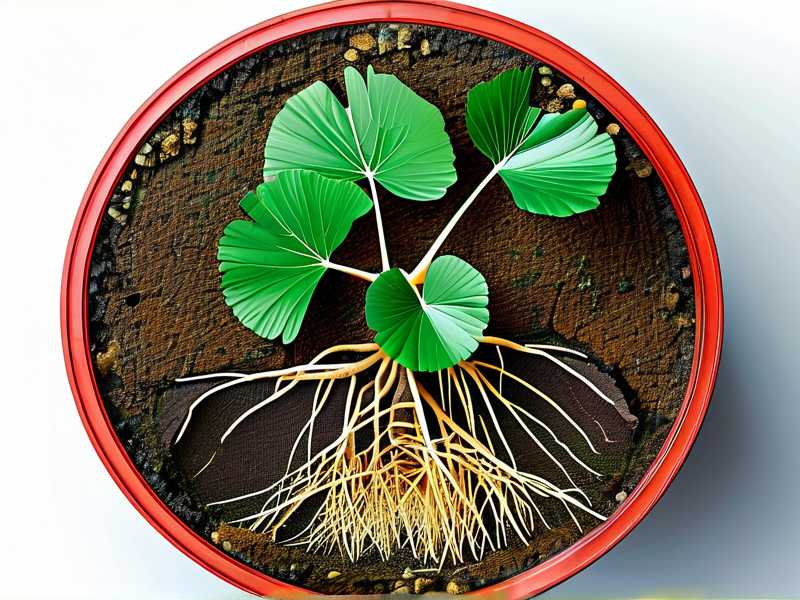
- Root Check: Every 6-12 months, gently check if roots are circling the pot. This determines if it's time to repot, which should be scheduled for early spring.
Implementing and Refining Your Plan
Create a simple tracker. This can be a note on your phone, a plant app, or a small calendar on the fridge. The key is consistency. After one month of following your custom Money Tree care routine, review your notes. Is the plant pushing out new, healthy growth? Are the leaves perky and green? If yes, your schedule is working. If problems arise, your detailed notes will help you diagnose quickly—yellow leaves with wet soil point to overwatering, while brown crispy tips suggest low humidity.
Remember, you are interpreting your plant's language. Your custom schedule is the translation guide.
Why are the leaves on my Money Tree turning yellow? Yellow leaves most commonly indicate overwatering. Check your soil moisture immediately. Ensure the pot has drainage holes and you are allowing the soil to dry adequately between waterings. Less commonly, it can signal a need for fertilizer (if it's growth season) or a drastic change in light.
How often should I really water my Money Tree? There is no universal answer. The frequency depends entirely on the light, temperature, pot size, and soil mix in your home. The only reliable method is the soil moisture check. For most indoor conditions, this results in watering every 1-3 weeks, but your plant's needs are unique.
Can my Money Tree tolerate low light? It can survive in low light but will not thrive. Growth will be very slow, and the risk of overwatering increases as the soil stays moist for longer. For a healthier plant, provide the brightest indirect light possible. If you have a low-light Money Tree care situation, you must adjust your watering schedule to be much less frequent to compensate.
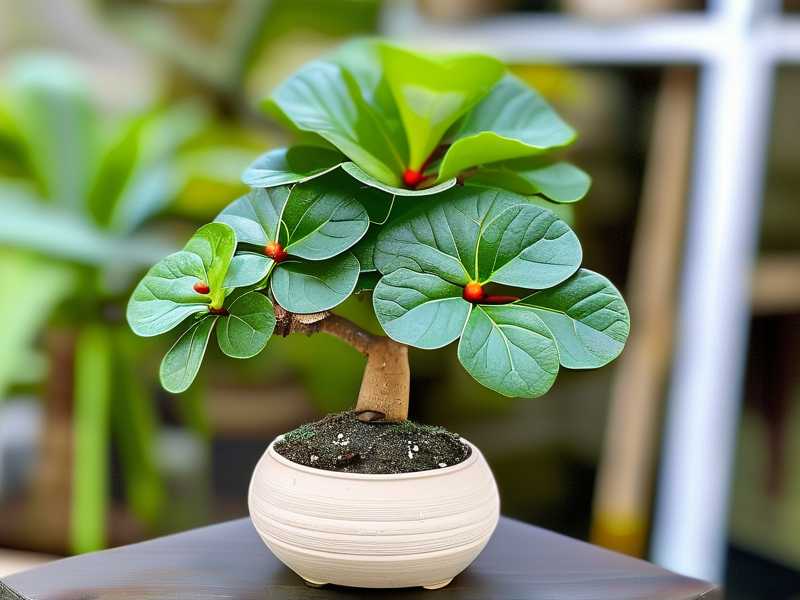
A thriving Money Tree is a sign of a mindful plant owner. By moving away from fixed routines and towards an adaptive, observation-based care schedule for your Money Tree, you build a deeper connection with your plant. This approach ensures it receives precisely what it needs, when it needs it, leading to resilient growth and lasting beauty in your home. Start your audit today, and watch your confidence—and your plant—flourish.