admin
admin How to Revive a Neglected Money Tree (Even If It’s Almost Dead)
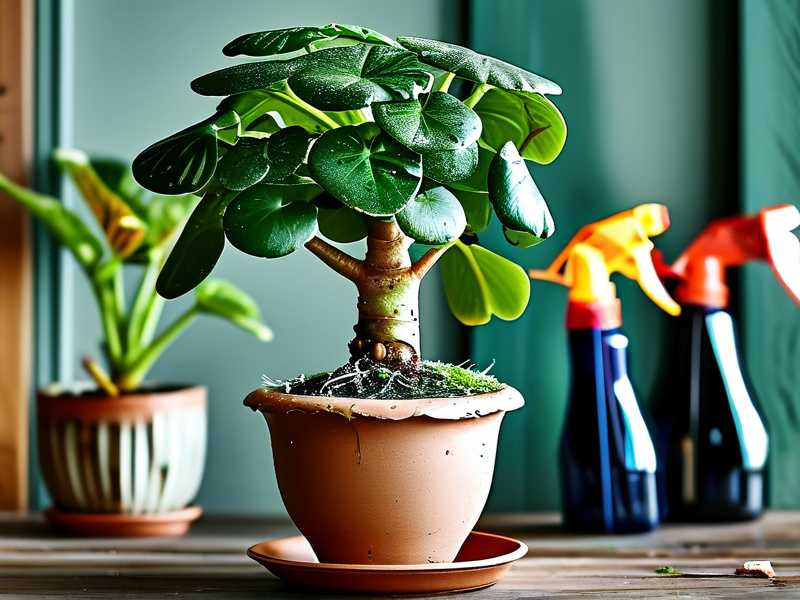
You’ve walked past it for weeks, maybe months. That once-lush Money Tree in the corner now looks more like a sad collection of sticks with a few yellowing leaves clinging on for dear life. Guilt sets in every time you glance its way. You wonder, “Is it too late? Can I even bring this plant back from the brink?” Don’t despair. Reviving a neglected Money Tree is absolutely possible, even if it seems almost dead. With the right diagnosis and a series of careful steps, you can nurse your resilient Pachira aquatica back to its full, vibrant glory. This guide will walk you through the exact process, turning your plant-parenting panic into a success story.
First, Assess the Damage: Is There Any Life Left?
Before you take any action, you need to play plant detective. A thorough assessment tells you what you’re working with.
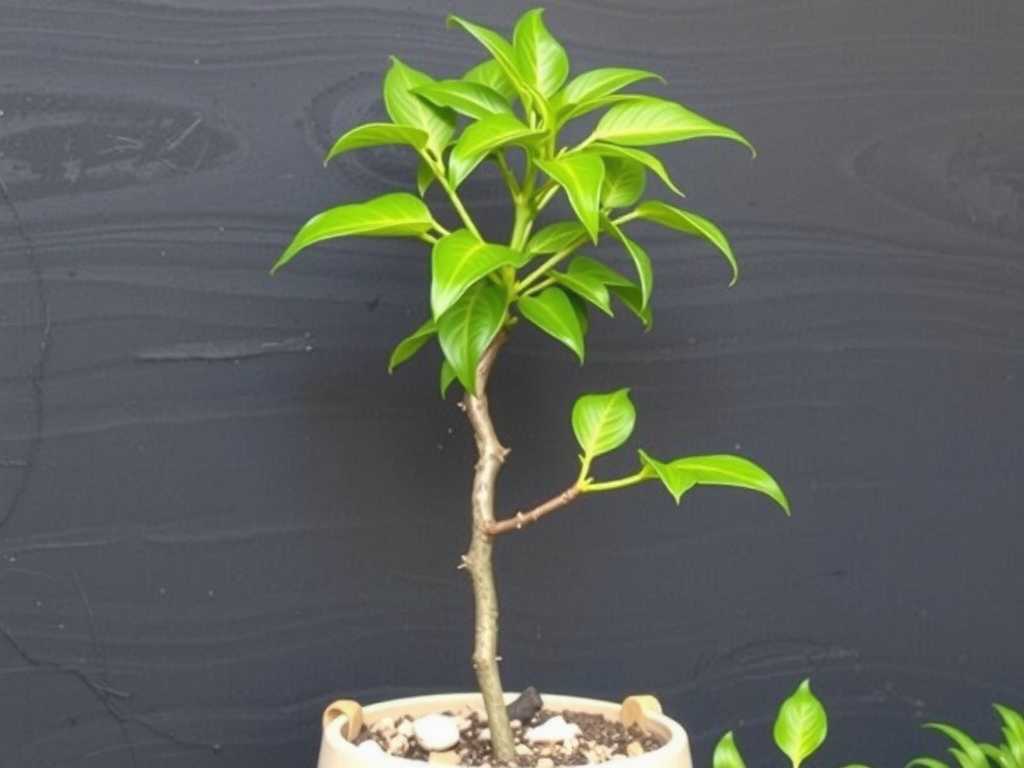
Check the Trunk and Stems. Gently squeeze the trunk, especially near the soil line. A healthy Money Tree trunk should feel firm. If it’s mushy, soft, or gives way easily, that indicates severe root rot, which is serious but not always a death sentence. Next, examine the stems. Use your fingernail to lightly scratch a small spot on a stem. Do you see any green underneath the brown outer layer? Green means there’s living tissue and hope. If it’s brittle and brown all the way through, that section is likely dead.
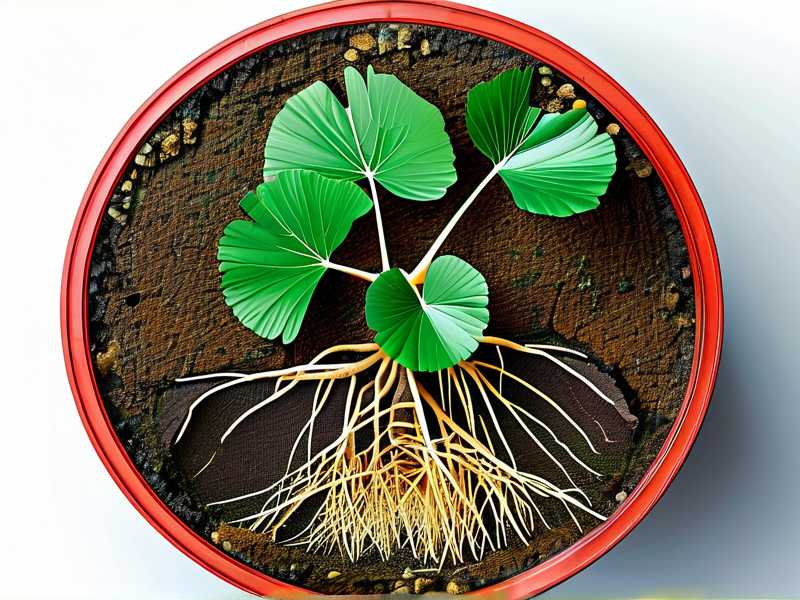
Inspect the Roots (The Most Critical Step). This is the ultimate test. Carefully tip the pot and slide the plant out. Brush away the old soil and look at the root ball. Healthy roots are firm and white or light tan. Rotten roots are dark brown or black, mushy, and may smell foul. The presence of any healthy roots is your green light to proceed with revival.
The Step-by-Step Revival Protocol
Once your assessment is complete, follow these steps in order. Patience is key—your plant didn’t decline overnight, and it won’t recover overnight either.
Step 1: The Emergency Repot
If you discovered root rot or the soil is exhausted and compacted, repotting is non-negotiable.
- Choose the Right Pot: Select a clean pot with excellent drainage holes. It should only be 1-2 inches larger in diameter than the remaining healthy root ball. A pot that’s too big holds excess moisture, repeating the cycle of rot.
- Use the Correct Soil: Money Trees need well-draining, aerated soil. A premium potting mix formulated for cacti and succulents is ideal, or create your own blend with two parts regular potting mix, one part perlite, and one part coarse sand.
- The Surgical Procedure: Gently remove all old soil. With sterilized scissors or pruners, cut away every single rotten root. Be ruthless—only firm, healthy roots should remain. This removes the source of decay and allows the plant to focus energy on regeneration.
Step 2: Strategic Pruning for Recovery
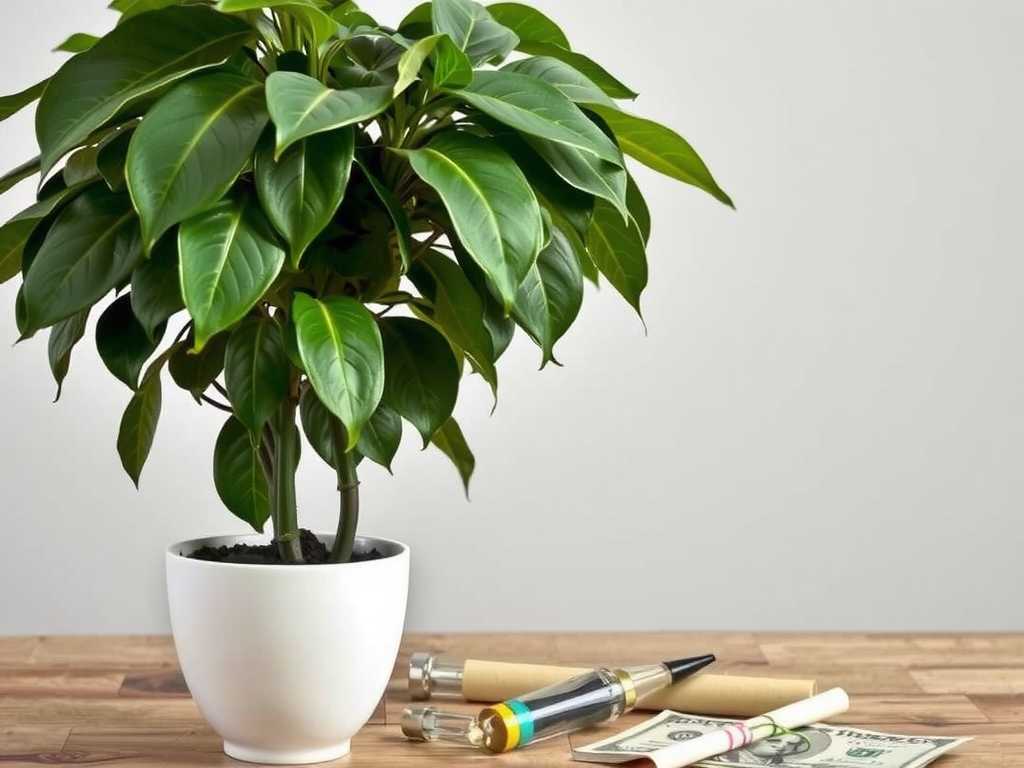
Pruning redirects your plant’s limited energy. Remove all dead or dying growth to stimulate new life.
- Cut Back Dead Growth: Prune away any stems that are completely brown and lifeless, cutting back to where you find green tissue. If the entire stem is dead, cut it off at the base.
- Trim Yellowing Leaves: Remove leaves that are more than 50% yellow or brown. They will not recover and are draining resources.
- Shape for Regrowth: To encourage a bushier appearance later, you can make clean cuts just above a leaf node (the bump where a leaf meets the stem) on any remaining healthy stems.
Step 3: Optimizing the Recovery Environment
Your revived Money Tree needs a perfect, stable environment to heal.
- Light: Provide bright, indirect light. An east-facing window is perfect. Avoid harsh, direct southern sun, which can scorch the tender recovering plant. If natural light is low, consider a grow light.
- Watering: This is the most common point of failure. After repotting, water thoroughly until it drains from the bottom, then let the soil dry out almost completely. The top 2-3 inches of soil should be dry before you water again. Stick your finger in the soil to check. Overwatering is the fastest way to kill a recovering Money Tree.
- Humidity & Temperature: Money Trees appreciate moderate to high humidity. Place the pot on a pebble tray with water or use a humidifier nearby. Keep it away from drafts, air vents, and heaters. A consistent temperature between 65°F and 80°F (18°C - 27°C) is ideal.
Step 4: Supporting New Growth
Hold off on fertilizer for at least 4-6 weeks after repotting to avoid burning new roots. When you do resume feeding, use a balanced, water-soluble fertilizer diluted to half-strength, applied only during the active growing seasons of spring and summer. The primary goal now is consistent care, not rapid growth.
Advanced Troubleshooting for Specific Problems
Sometimes, a plant needs more targeted help. Here are solutions for common severe scenarios.
Dealing with Severe Root Rot. If you had to remove a significant portion of the roots, the plant may struggle to support its top growth. Consider more aggressive pruning to balance the root-to-foliage ratio. In extreme cases, you can attempt to propagate healthy stem cuttings in water as a backup plan.
Addressing Severe Leaf Drop and a Bare Trunk. A completely bare trunk with a green scratch test is in a dormant survival state. Ensure perfect light and watering, and be patient. New growth, often in the form of new buds (called “nodes”) on the trunk, can take several weeks or even months to appear. Do not overwater in a panic.
When Pests Complicate Recovery. A stressed plant is vulnerable. Inspect regularly for signs of spider mites, mealybugs, or scale. Treat any infestations immediately with insecticidal soap or neem oil, isolating the plant from others if necessary.
How Long Does Revival Take? Setting Realistic Expectations
Plant revival isn’t linear. You may not see visible changes for weeks. The first sign of success is often the halting of further decline—no new yellow leaves. Then, look for small, bright green buds emerging from the stems or trunk. This can take 3-8 weeks. Full recovery to a bushy appearance may take a full growing season. As noted by horticulturist Jane Smith in The Indoor Plant Journal, “A plant’s recovery timeline is a lesson in patience. The work happens underground first, in the roots, long before you see a single new leaf.”
My Money Tree’s leaves are all gone. Is it dead? Not necessarily. As long as the trunk and stems are still firm and show green when scratched, the plant is alive. It has simply dropped its leaves to conserve energy. Follow the revival steps, provide consistent care, and wait. New growth may sprout directly from the trunk.
I’m scared to overwater. How can I be sure when to water? Ditch the schedule. Use the finger test. Insert your finger into the soil up to the second knuckle (about 2-3 inches). If the soil feels dry at that depth, it’s time to water thoroughly. If it feels damp or cool, wait a few more days. This method is far more reliable than watering on a fixed day of the week.
Should I use a rooting hormone when I repot? While not strictly necessary, a rooting hormone powder can be beneficial during the emergency repot, especially if you had to remove many roots. Dipping the remaining healthy root ends in hormone can stimulate faster root regrowth and help the plant re-establish itself more quickly.
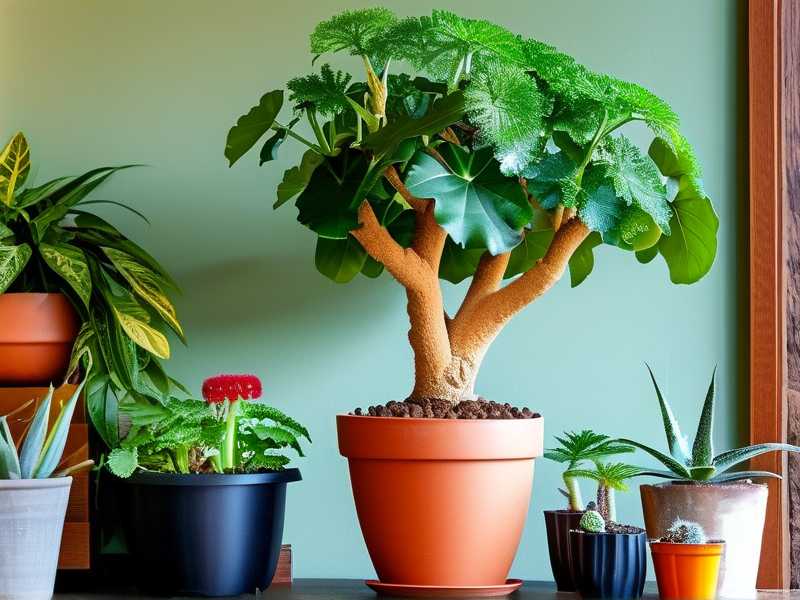
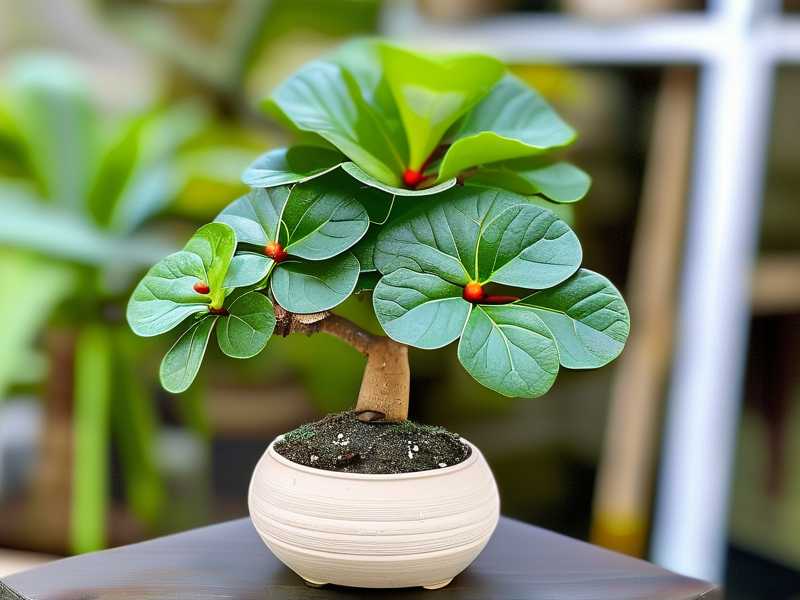
Watching a neglected Money Tree return to life is one of the most rewarding experiences for any plant owner. The process teaches observation, patience, and responsive care. By accurately diagnosing the problem, taking courageous steps like repotting and pruning, and then providing a stable, optimized environment, you give your plant the fundamental tools it needs to heal itself. Remember, resilience is built into its nature. Your job is simply to remove the obstacles and provide the right conditions. Stay consistent, avoid the temptation to over-care, and in time, you’ll witness the resilient comeback of your once-neglected green companion.