admin
admin How to Grow a Money Tree Bonsai for Beginners (No Experience Needed)
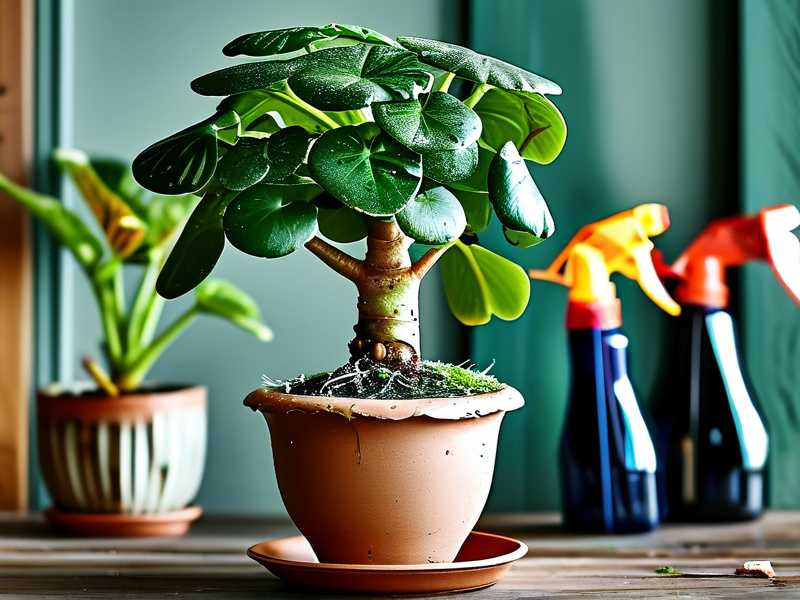
Have you ever admired the elegant beauty of a bonsai tree but felt intimidated by the complex rules and years of training they seem to require? What if you could grow a stunning, miniature tree that symbolizes prosperity and good fortune, without needing any prior experience? For many beginners, the idea of bonsai care feels overwhelming—fears of strict pruning schedules, intricate wiring, and easy-to-kill plants are common. This guide is specifically designed to dismantle those fears. We will focus on the Money Tree Bonsai (Pachira aquatica), one of the most forgiving and beginner-friendly trees you can start with. By the end of this article, you will have a clear, step-by-step roadmap to not only keep your money tree alive but to help it thrive as a beautiful symbol of growth in your home.
Why the Money Tree is the Perfect Beginner Bonsai
The Money Tree, scientifically known as Pachira aquatica, is a tropical plant native to Central and South America. It earns its common name from a Feng Shui belief that it brings good luck and financial prosperity. More importantly for beginners, it possesses several traits that make it exceptionally easy to care for.
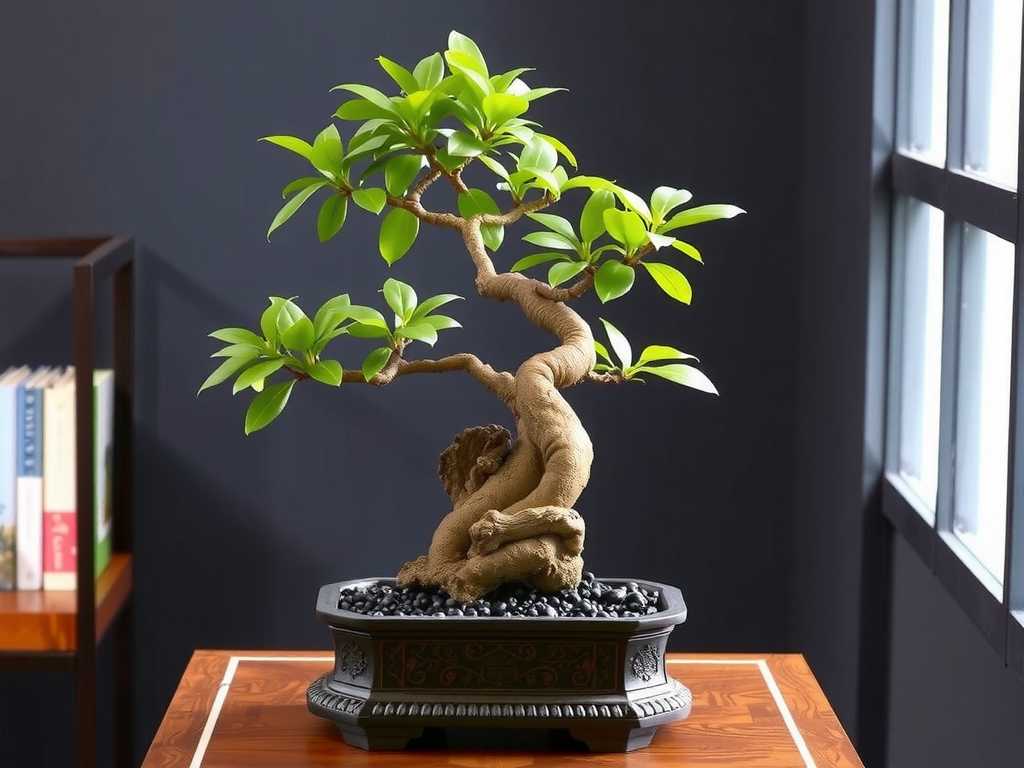
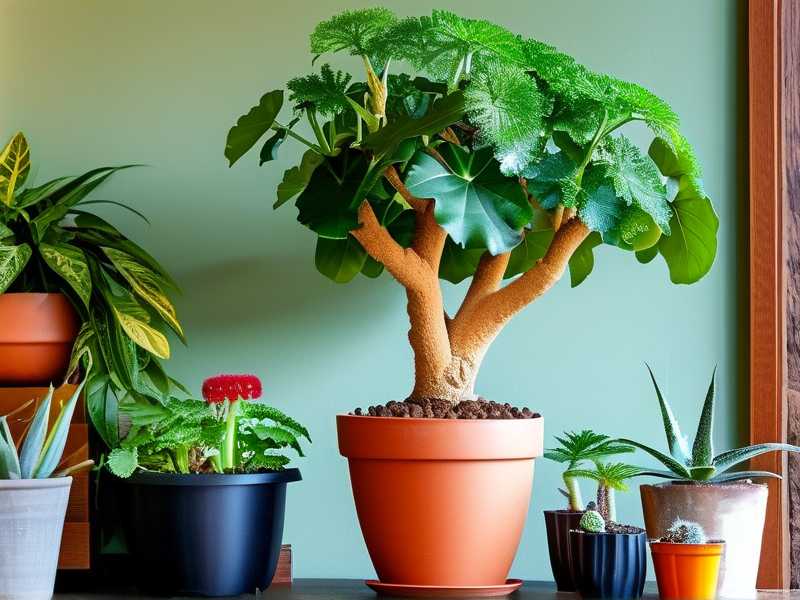
Unlike traditional bonsai species like junipers or maples, the Money Tree is highly adaptable to indoor conditions. It tolerates lower light levels, forgives occasional missed waterings, and grows at a moderate pace, meaning you won’t feel pressured to prune it every week. Its naturally braided trunk and lush, palmate leaves create an attractive, full look with minimal effort. Experts from the Bonsai Society often recommend it as a "gateway bonsai" because it allows newcomers to learn fundamental skills—watering, light management, and basic shaping—without the high risk of failure.
Getting Started: Your First Money Tree Bonsai
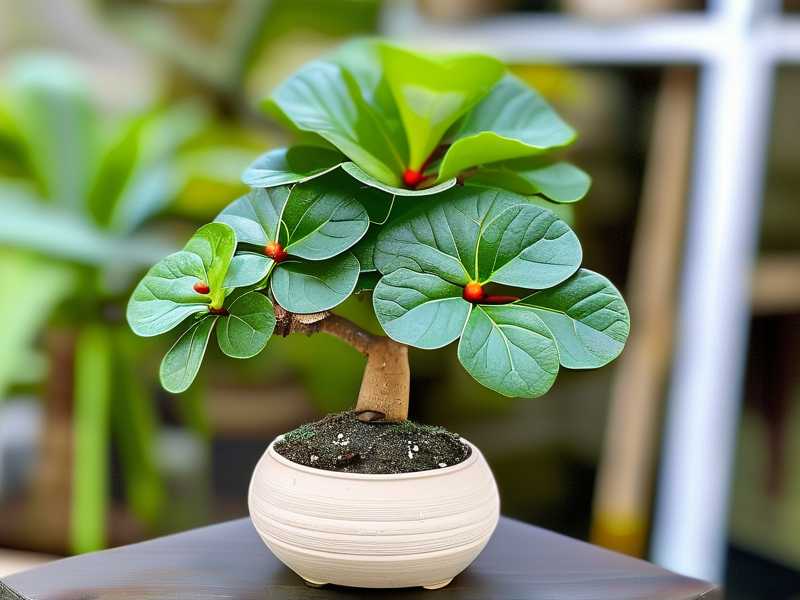
Your journey begins with selecting the right plant. You can start from a seed, but for absolute beginners, purchasing a young, pre-potted Money Tree from a reputable nursery or garden center is the best approach. Look for a plant with vibrant, green leaves, a firm trunk, and no signs of pests or root rot (soft, brown roots).
The two most critical initial choices you'll make involve the pot and the soil, both of which directly impact your tree's health.
Choosing the Right Pot and Soil A proper bonsai pot is shallow with ample drainage holes. This design encourages a shallow root system, which is key for the bonsai aesthetic, and prevents water from pooling at the bottom. For soil, avoid using regular garden dirt. It compacts easily and suffocates roots. Instead, use a well-draining bonsai soil mix. A simple beginner-friendly mix can be made from equal parts akadama (a special bonsai clay), pumice, and lava rock. This blend ensures excellent drainage and aeration, providing the perfect environment for your Money Tree's roots to breathe and grow healthily.
The Essential Care Routine for a Thriving Tree
Caring for your Money Tree Bonsai is straightforward once you understand its basic needs. Consistency is more important than perfection.
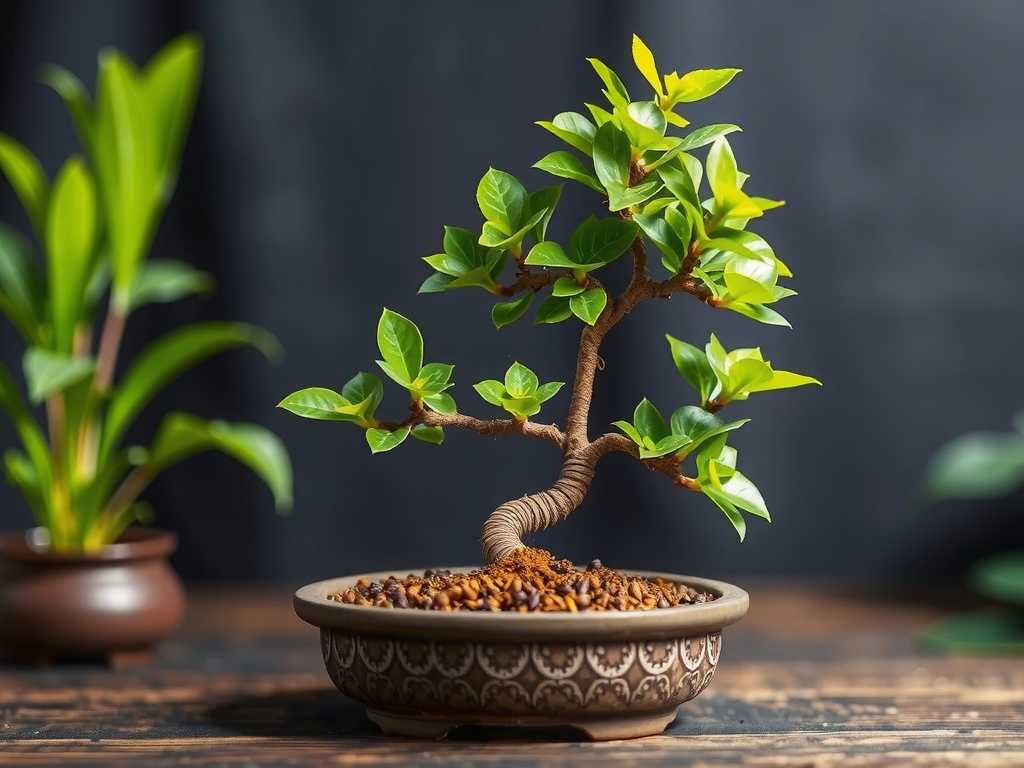
Light and Temperature Requirements Money Trees prefer bright, indirect light. A spot near an east or west-facing window is ideal. Direct afternoon sun can scorch the leaves, while too little light will cause leggy growth. As a tropical plant, it thrives in warm temperatures between 65°F and 75°F (18°C - 24°C). Protect it from cold drafts and sudden temperature drops, which can cause leaf drop.
Watering Your Bonsai Correctly This is the skill that new growers master first. The goal is to avoid both drought and soggy soil. The best method is the "finger test." Insert your finger about an inch into the soil. If it feels dry, water thoroughly until water runs freely out of the drainage holes. If it still feels moist, wait another day. Typically, this means watering once a week, but always let the soil condition be your guide, not the calendar.
Feeding for Growth and Health During the active growing season (spring and summer), feed your Money Tree with a balanced, liquid fertilizer diluted to half-strength every 4-6 weeks. A fertilizer with an equal NPK ratio (like 10-10-10) works well. Reduce feeding to once every 8-10 weeks in fall and winter when growth slows. Over-fertilizing can harm the roots, so when in doubt, use less.
Simple Shaping and Pruning Techniques
You don't need advanced techniques to maintain a beautiful shape. Pruning serves two main purposes: maintaining the miniature size and encouraging a fuller canopy.
Basic Pruning for Structure Use clean, sharp scissors or bonsai shears. To encourage bushier growth, simply trim back new shoots, cutting just above a leaf node (the point where a leaf grows from the stem). You can also remove any leaves that are yellowing, damaged, or growing inward toward the trunk. The best time for major structural pruning is in the spring.
The Art of Braiding the Trunk Many Money Trees come with braided trunks. If you have multiple stems in one pot, you can maintain this look. Gently and loosely braid the young, flexible trunks, being careful not to snap them. Use soft plant ties to hold the shape temporarily. As the trunks thicken and lignify (become woody), they will permanently hold the braided form. This is a unique and simple way to add artistic flair to your beginner bonsai project.
Repotting and Long-Term Maintenance
As your tree grows, it will need occasional repotting to refresh the soil and provide a bit more room for roots. For a young, fast-growing Money Tree, plan to repot every 2-3 years. For a more mature tree, every 3-4 years is sufficient. The best time to repot is in early spring, just as new growth begins.
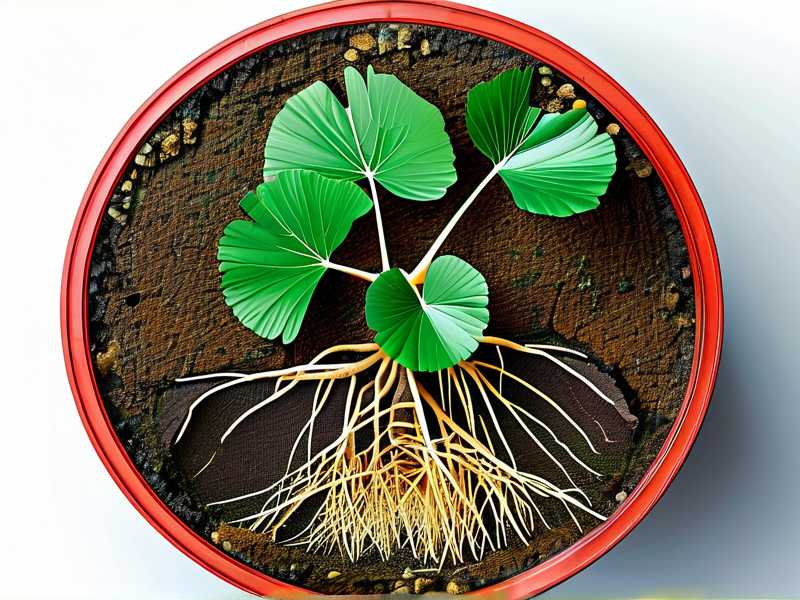
Gently remove the tree from its pot, carefully tease out the outer roots, and trim away up to one-third of the root mass. This root pruning is vital for keeping the tree healthy in a small container. Repot it in fresh bonsai soil mix in the same or a slightly larger pot. After repotting, water thoroughly and place the tree in a shaded, protected spot for a few weeks to recover.
Troubleshooting Common Problems
Even the hardiest plants can face issues. Here’s how to identify and fix common Money Tree problems.
- Yellowing Leaves: This is most often caused by overwatering. Check your soil moisture and ensure the pot drains properly. Less commonly, it can be due to under-watering or a lack of nutrients.
- Brown, Crispy Leaf Tips: Usually a sign of low humidity or underwatering. Try misting the leaves occasionally or placing the pot on a humidity tray filled with pebbles and water.
- Leaf Drop: Sudden leaf loss can be a reaction to a drastic change in environment—a new location, a temperature shock, or a severe pest infestation. Assess recent changes and correct the stressor.
- Pests: Watch for common pests like spider mites (fine webbing) or mealybugs (white, cottony spots). Treat early with insecticidal soap or neem oil, applying thoroughly to the tops and bottoms of leaves.
How often should I water my Money Tree Bonsai? There is no fixed schedule. The only reliable method is to check the soil moisture. Insert your finger into the top inch of soil; water only when it feels dry. This could be every 5 days in a hot, dry room or every 10 days in a cool, humid one.
Can I keep my Money Tree Bonsai in my office with only fluorescent light? While it can survive in low light, it will not thrive. Fluorescent office lighting is often insufficient for long-term health. For best results, place it near a source of natural light, or supplement with a grow light designed for houseplants to ensure it gets the energy it needs.
Is the Money Tree plant toxic to pets? According to the ASPCA, the Money Tree (Pachira aquatica) is listed as non-toxic to both cats and dogs. This makes it a relatively safe choice for households with curious pets, though it’s always best to discourage pets from chewing on any houseplants.
Growing a Money Tree Bonsai is a rewarding journey that demystifies the ancient art of bonsai. It teaches patience, observation, and provides a living piece of natural art for your space. Remember, the goal is not to create a perfect specimen overnight but to engage in the process of nurturing growth. Start with the right plant, master the basics of water, light, and food, and don’t be afraid to make small adjustments as you learn. Your resilient Money Tree is a forgiving partner, ready to grow alongside you as you develop your new, green-thumbed skills.