admin
admin How to Care for Hybrid Money Tree Varieties: The Ultimate Guide for Thriving Plants
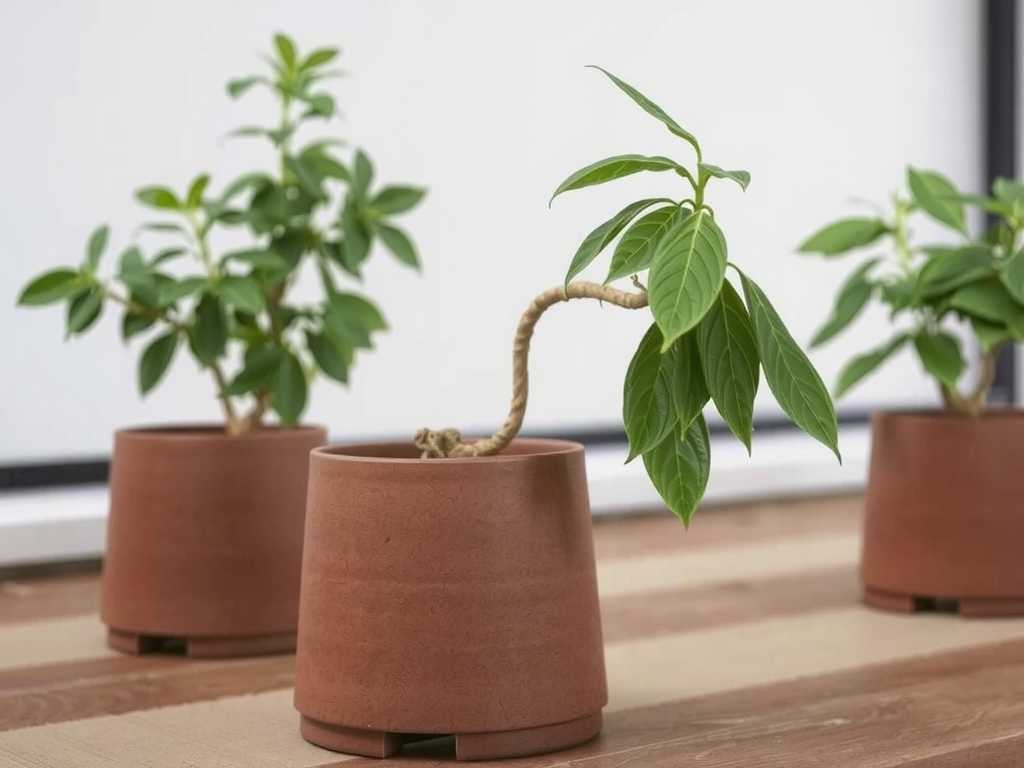
You've brought home a stunning hybrid Money Tree, captivated by its unique braided trunk or variegated leaves. But now, questions loom. Why are the tips turning brown? Is it getting enough light? Unlike its standard Pachira aquatica cousin, caring for hybrid Money Tree varieties requires a more nuanced approach. Their special traits often come with specific needs, and misunderstanding them is the fastest path to a struggling plant. This guide cuts through the confusion, offering clear, actionable steps to ensure your distinctive hybrid not only survives but flourishes.
Understanding Your Hybrid Money Tree
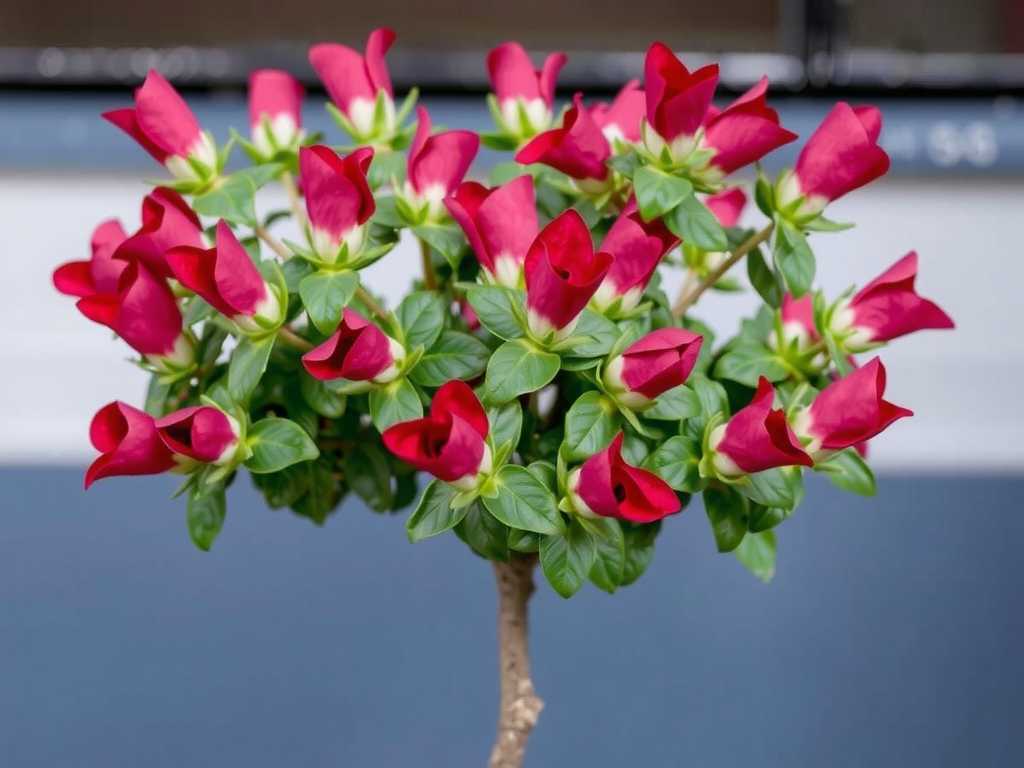
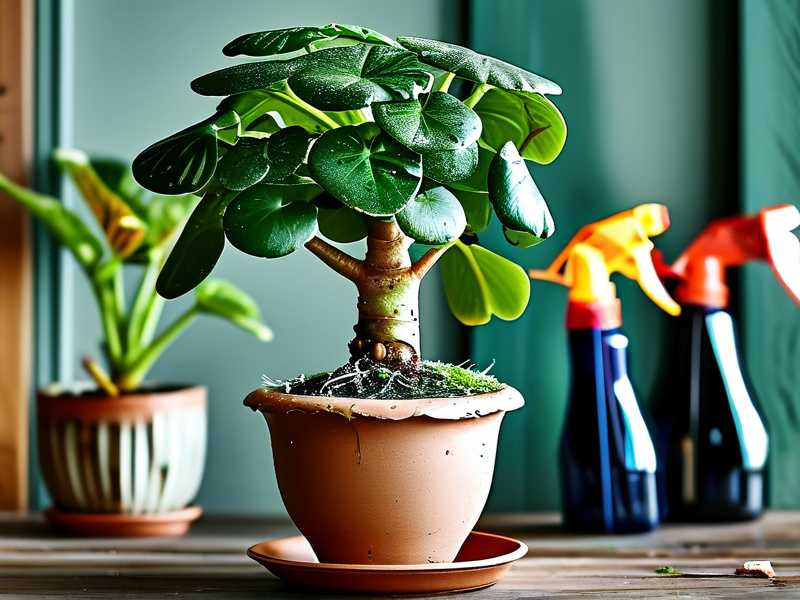
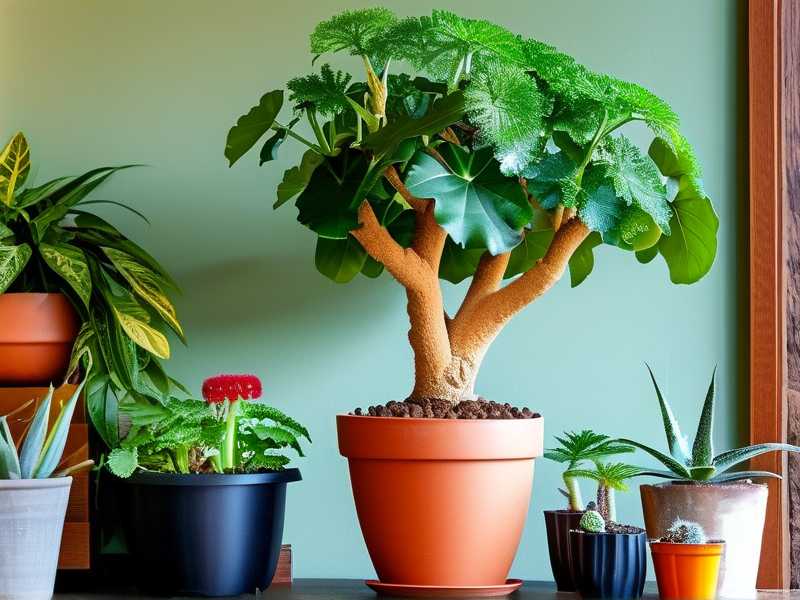
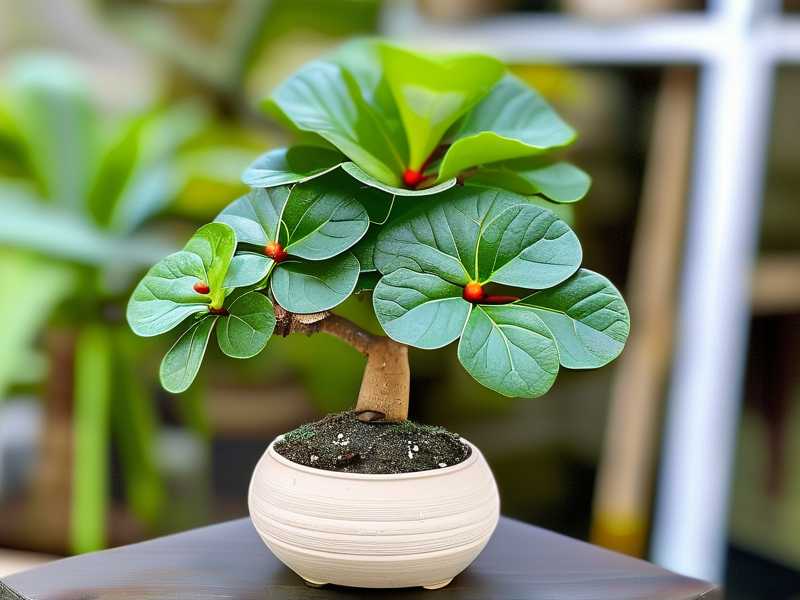
First, let's clarify what we mean by "hybrid." In the houseplant world, this often refers to cultivated varieties (cultivars) selected for unique characteristics. The most common hybrid Money Tree varieties include those with stunning variegated leaves, featuring creamy white or yellow streaks, and the popular braided trunk forms, which are actually multiple plants woven together in their youth. Recognizing your plant's specific type is the first critical step in tailored care, as its unique beauty often dictates its needs.
The Perfect Environment: Light, Temperature, and Humidity
Creating the right environment is the cornerstone of success for these special plants.
Ideal Lighting Conditions Hybrid Money Trees, especially variegated varieties, have a delicate relationship with light. Their variegated leaves contain less chlorophyll, meaning they need bright, indirect light to produce enough energy without scorching. A spot near an east or north-facing window is perfect. For braided or standard green hybrids, medium to bright indirect light suffices. Direct afternoon sun will bleach and burn the leaves, a common sign of distress.
Temperature and Humidity Preferences Consistency is key. Maintain temperatures between 65°F and 80°F (18°C - 27°C) and avoid cold drafts from windows, doors, or air conditioning vents. As tropical plants, they appreciate higher humidity. While they tolerate average home humidity, boosting it to 50% or more will prevent crispy leaf edges and promote lush growth. Use a pebble tray filled with water or a room humidifier, especially during dry winter months.
Mastering Watering and Soil Needs
Overwatering is the single most common cause of failure, but hybrid Money Trees are more forgiving than most—if you understand the signals.
When and How to Water The goal is to mimic a tropical environment: a deep drink followed by a period where the top soil dries. Check the soil weekly. Insert your finger about 2 inches deep. If it feels dry, it's time to water. Soak the soil thoroughly until water runs freely from the drainage holes, then let the pot drain completely. Never let the plant sit in standing water. In lower light or cooler temperatures, watering frequency may drop to every 2-3 weeks.
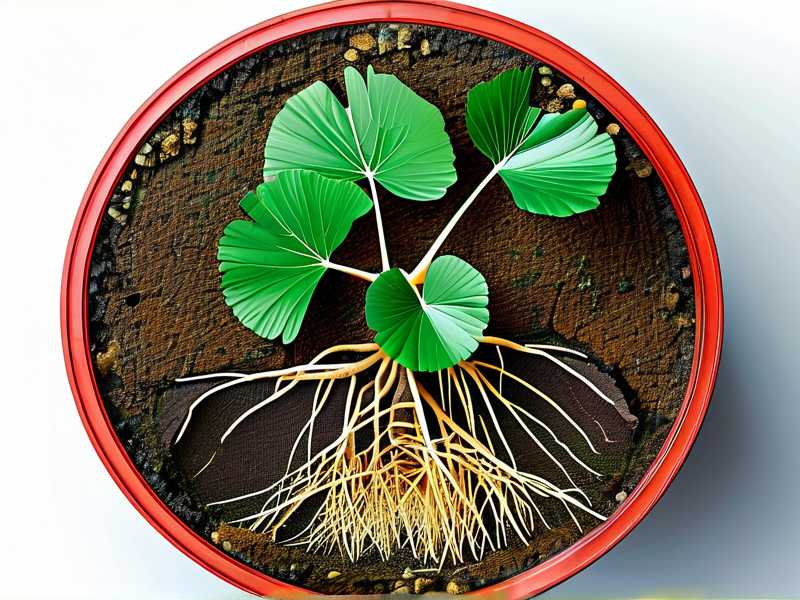
Choosing the Right Soil Mix Drainage is non-negotiable. A well-aerated, fast-draining potting mix prevents dreaded root rot. A high-quality indoor potting mix, amended with 25-30% perlite or orchid bark, creates an ideal structure. This mix allows roots to access oxygen and water without becoming waterlogged, which is crucial for the health of braided trunk specimens where multiple root systems share one space.
Feeding, Pruning, and Maintenance
Regular upkeep keeps your plant vibrant and well-shaped.
Fertilizing for Optimal Growth During the active growing season (spring and summer), feed your hybrid Money Tree monthly with a balanced, water-soluble fertilizer diluted to half strength. For variegated varieties, some experts, like horticulturist Dr. Jane Green, suggest a formulation slightly higher in potassium to support overall leaf strength and color retention. Always fertilize damp soil to avoid root burn. Stop feeding in fall and winter when growth slows.
Pruning and Shaping Your Plant Pruning maintains a compact, bushy appearance and encourages new growth. Use clean, sharp shears to cut back any leggy or yellowing stems just above a leaf node. For braided Money Trees, you can gently manage any new growth that threatens the braid's form. Regular light pruning is far more effective than a single drastic cut.
Repotting and Long-Term Health
Knowing When to Repot Repot your hybrid Money Tree every 2-3 years, or when you see roots circling the bottom of the pot or growing from the drainage holes. The best time is early spring. Choose a new pot only 1-2 inches larger in diameter; too much extra soil can stay wet and cause problems.
Step-by-Step Repotting Gently remove the plant and loosen the root ball. Place fresh potting mix in the new pot, position the plant at the same depth it was before, and fill in around the sides. Water thoroughly to settle the soil. This process refreshes the nutrients available to the plant and gives its roots room to expand, which is vital for sustaining the health of multiple stems in a braided hybrid.
Troubleshooting Common Problems
Even with great care, issues can arise. Here’s how to diagnose and fix them.
Yellowing Leaves: This is often a sign of overwatering. Check soil moisture and ensure proper drainage. Older leaves yellowing naturally is normal. Brown Leaf Tips: Usually indicates low humidity or inconsistent watering. Increase humidity and stick to a more regular watering schedule based on soil checks. Leaf Drop: Can be caused by a sudden change in environment, temperature shock, or severe underwatering. Assess recent changes and stabilize its care routine. Pests: Watch for spider mites or mealybugs. Wipe leaves with a damp cloth regularly and treat infestations promptly with insecticidal soap or neem oil.
How often should I water my variegated Money Tree compared to the all-green one? Variegated varieties often require slightly less frequent watering than their all-green counterparts. The lighter portions of the leaves have less chlorophyll and contribute less to photosynthesis and transpiration, potentially slowing the plant's water uptake. Always use the "finger test" rather than a set schedule.
Can I propagate my hybrid Money Tree to make new plants? Yes, you can propagate through stem cuttings. However, note that some variegated hybrids may not pass on their variegation reliably through cuttings, as it can be a chimeric trait. The new plant might revert to solid green leaves. Propagation is most successful in spring using a cutting with 2-3 leaf nodes, placed in water or moist soil until roots develop.
Why are the leaves on my braided Money Tree losing their vibrant color? Fading color is typically a light issue. If leaves are turning pale or losing variegation, the plant likely needs more bright, indirect light. Conversely, if leaves are looking washed-out or scorched, they might be getting too much direct sun. Adjust its position gradually to find the sweet spot.
Caring for hybrid Money Tree varieties is a rewarding journey that deepens your connection to this remarkable plant. By respecting their specific needs for balanced light, careful watering, and a stable environment, you provide the foundation for decades of growth. Whether it's the elegant variegation or the sculptural braided trunk, your attentive care allows its unique character to shine. Observe your plant closely, respond to its signals, and enjoy the lush, prosperous beauty it brings to your space.