admin
admin How to Protect a Money Tree from Cold Drafts: A Plant Lover's Battle-Tested Guide
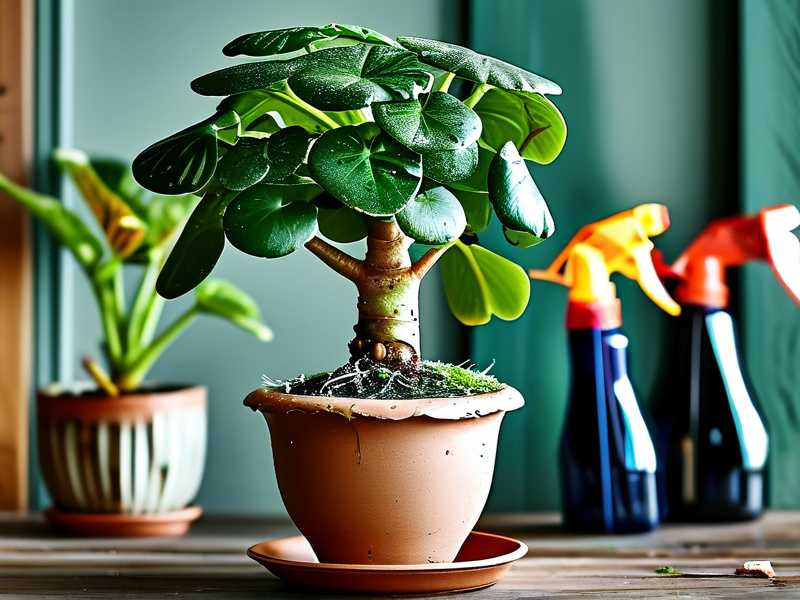
I’ll never forget the winter my prized, lush Money Tree (Pachira aquatica) nearly met its end. One morning, I found its vibrant green leaves turning a sickly yellow, some even developing brown, crispy edges before dropping in a heartbreaking cascade. The culprit? Not pests, not overwatering, but something I had completely overlooked: the silent, insidious cold draft sneaking from a nearby window. If you’re reading this, you’ve likely seen similar warning signs or want to prevent them. You’re not just trying to keep a plant alive; you’re protecting a symbol of prosperity and a cherished companion. This guide is born from that hard-learned lesson, detailing every step I took to rescue my plant and shield it from drafts for good, backed by careful observation and expert principles.
Understanding the Enemy: Why Cold Drafts Spell Disaster for Money Trees
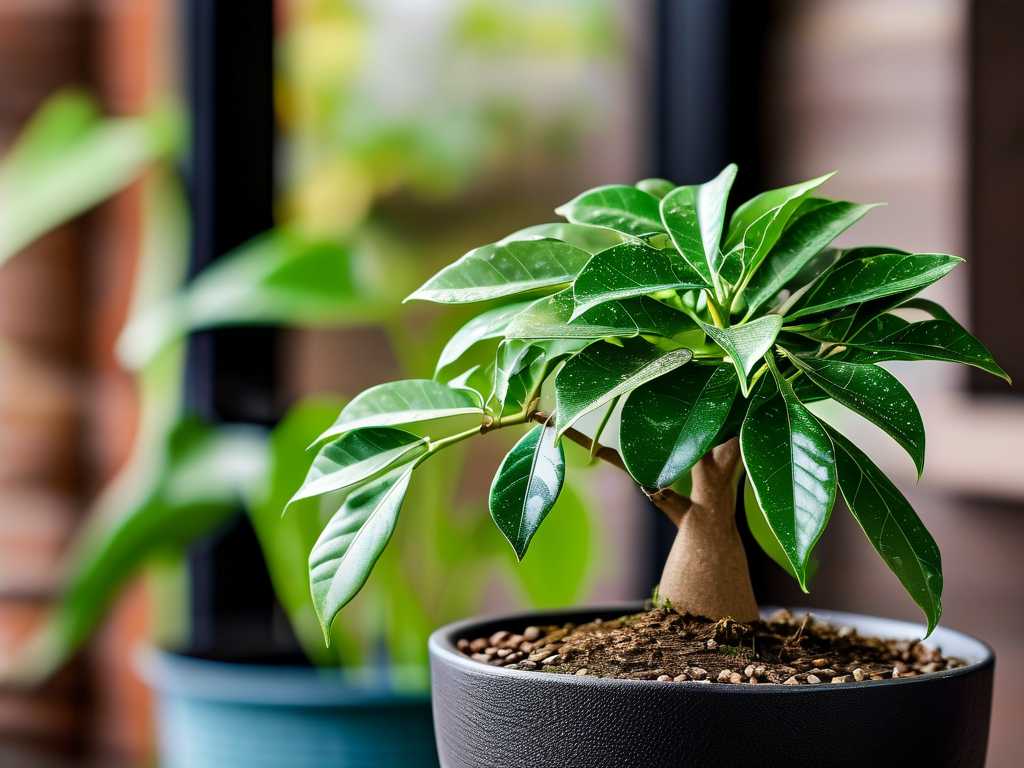
Money Trees are tropical natives, thriving in stable, warm, and humid environments. Protecting a Money Tree from cold drafts isn't just about comfort; it's a matter of physiological stress. According to the Royal Horticultural Society (RHS), sudden temperature fluctuations can cause "chilling injury," damaging plant cells before symptoms like leaf drop even appear. A draft from a door or window can drop the local temperature around your plant by 10-15°F in minutes, triggering a survival response.
The American Horticultural Society (AHA) emphasizes that consistent temperatures between 65°F and 80°F (18°C - 27°C) are ideal for most tropical foliage plants. A cold draft pushes the plant outside this zone, disrupting its ability to take up water and nutrients, leading to the telltale signs of distress: leaf loss, soft or blackened stems, and stunted growth. My plant’s rapid decline was a textbook case of this shock.
My Two-Week Rescue Mission: Steps, Observations, and Solutions
My mission was clear: stabilize the environment and nurse the plant back to health. I committed to a strict 14-day regimen of observation and intervention.
Week 1: Diagnosis and Immediate Action
First, I had to confirm the draft was the issue. I used a simple digital thermometer and placed it near my Money Tree’s pot for 24 hours. The readings were revealing: while the room’s overall temperature was a steady 70°F, the area by the window would plummet to 55°F at night when the heating cycled off. The draft was real.
- Step 1: The Strategic Relocation. I moved the plant to a new spot. This wasn't just about moving it away from the window. I needed a location free from multiple draft sources. I chose an interior wall in my living room, at least 5-6 feet away from any exterior doors, windows, and even air vents. The AHA recommends avoiding places where air currents from heating or cooling systems directly hit the plant.
- The First "Gotcha" and Fix: I initially placed it in a corner that seemed cozy. Two days in, I noticed no improvement. Using a lit incense stick, I saw the smoke waver slightly—a sign of air movement from a gap under a nearby door. Lesson learned: Drafts can come from unexpected places. I sealed the door’s bottom gap with a simple draft stopper and moved the plant slightly further away.
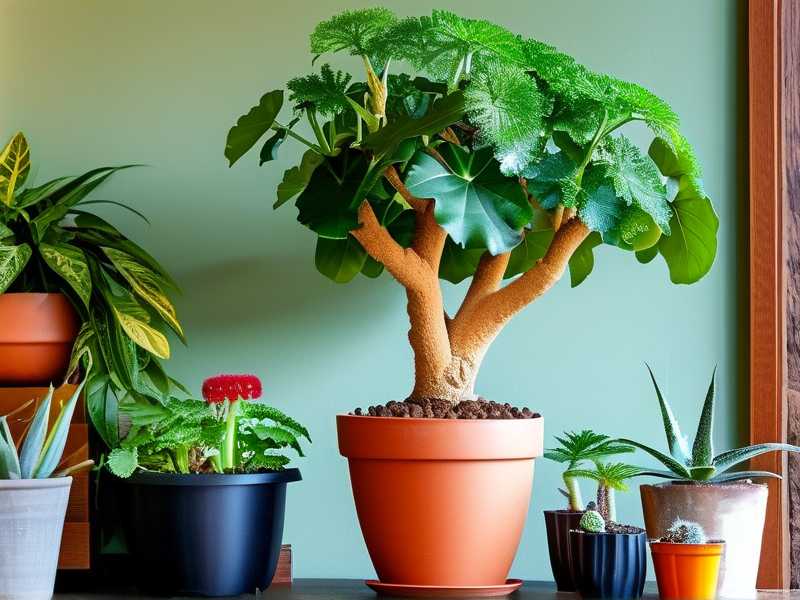
- Step 2: Creating a Microclimate Buffer. Knowing the air was dry from winter heating, I grouped my Money Tree with a few other humidity-loving plants. This creates a beneficial microclimate where plants collectively transpire and raise local humidity. I also placed its pot on a wide, water-filled pebble tray, ensuring the pot sat above the water line to prevent root rot.
- Early Observations (Days 1-4): Leaf drop slowed but didn’t stop. The remaining leaves looked less wilted by day 4. The soil was staying moist longer in the new location, indicating reduced evaporation from draft-related air movement.
Week 2: Stabilization and Long-Term Protection
With the immediate crisis managed, I focused on reinforcement and recovery.
- Step 3: Insulation and Monitoring. For the original drafty window, I applied affordable window insulation film—a clear, shrink-to-fit plastic that creates an air gap. This single action smoothed out the temperature swings dramatically. I continued daily temperature checks at the plant’s new location, which now held steady.
- Step 4: Adjusted Care Routine. I drastically reduced watering. In its stressed state and new, less drafty spot, the plant’s water consumption had dropped. The RHS advises that overwatering a chilled plant can quickly lead to root rot, as damaged roots can’t absorb moisture. I waited until the top 2-3 inches of soil were completely dry before watering lightly with room-temperature water.
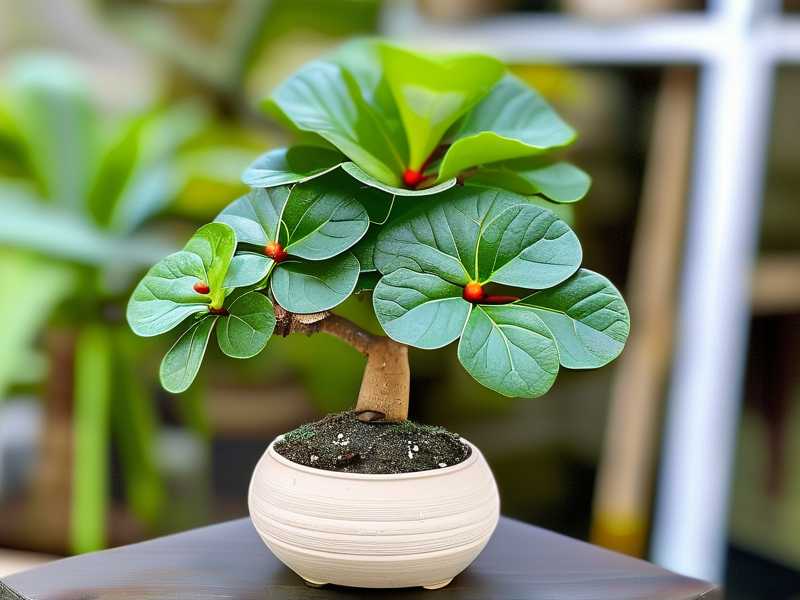
- Observations and Victory (Days 5-14): By the end of the first week, leaf drop had completely halted. In the second week, I spotted tiny, bright green buds forming at some of the leaf nodes. This was the ultimate sign of recovery—new growth! The existing leaves regained some firmness, though the brown edges on a few older leaves remained (a scar from the ordeal).
Proactive Measures: How to Shield Your Money Tree from Drafts Year-Round
Prevention is infinitely easier than rescue. Here’s how to keep your Money Tree safe from cold air proactively:
- Draft-Proof Your Home: Feel for drafts around windows and doors with your hand. Use weather stripping, caulk, or draft excluders. This is good for your plant and your energy bill.
- Smart Placement is Key: Always consider air flow. Avoid spots above radiators (dry, hot air) and directly under ceiling fans or AC units. An interior bathroom with good indirect light can be a perfect, naturally humid and draft-free haven.
- Use Protective Barriers: For plants that must be near a window, a sheer curtain can act as a gentle buffer against cold glass. In severe climates, a horticultural fleece can be draped over the plant on very cold nights.
- Invest in a Thermometer/Hygrometer: This small device takes the guesswork out of plant care. You can accurately monitor the temperature and humidity right in your plant’s zone, allowing you to make informed adjustments.
My Money Tree lost many leaves after I moved it. Is it dead? Not necessarily. Leaf drop is a dramatic but common stress response. Focus on providing stable, draft-free conditions and proper care. As long as the stems are still firm and green, especially near the top, there’s a very good chance it will recover and put out new growth, as mine did. Be patient; recovery takes time.
Can I put my Money Tree outside in summer? Yes, but you must protect your Money Tree plant from temperature shock. Acclimate it gradually over 7-10 days by placing it in dappled shade first, never in direct, hot sun. Always bring it back inside well before nighttime temperatures dip below 60°F (15°C) in the fall to avoid cold damage to your Money Tree.
What’s the difference between a cold draft and good air circulation? A cold draft is a concentrated, directional flow of cold air that rapidly lowers temperature. Good air circulation is gentle, ambient movement of room-temperature air that helps prevent fungal diseases and strengthens stems. A ceiling fan on low, oscillating in a warm room, provides circulation. A gust from a cracked window in winter is a damaging draft.
Watching those new green buds unfurl on my Money Tree after two weeks of diligent care was immensely rewarding. The experience taught me that plant care extends far beyond watering and feeding; it’s about becoming a mindful steward of their environment. Protecting a Money Tree from cold drafts is a critical, often-overlooked aspect of that stewardship. By understanding the why and implementing the how—relocating strategically, draft-proofing your space, and adjusting care with the seasons—you can ensure your resilient Money Tree doesn’t just survive, but thrives for years to come, bringing its lush, prosperous energy steadily into your home.