admin
admin How to Care for a Money Tree During Winter Dormancy: My Step-by-Step Survival Guide
I’ll admit it: the first winter I spent with my beloved Money Tree (Pachira aquatica) was a near-disaster. I watched, heart sinking, as its vibrant green leaves began to yellow and drop, despite my faithful weekly watering. I thought I was killing it. What I didn’t understand then, but have mastered through years of hands-on experience, is the crucial concept of winter dormancy for Money Trees. This natural rest period isn't a sign of illness, but a key to long-term health. If you’re worried about your plant’s sudden change in behavior as the days shorten, you’re in the right place. I’ve navigated these chilly months successfully multiple times, and in this guide, I’ll share my exact process, including the mistakes I made and how I fixed them, to ensure your Money Tree not only survives winter but thrives come spring.
Understanding the Winter Slowdown: Why Your Money Tree Changes
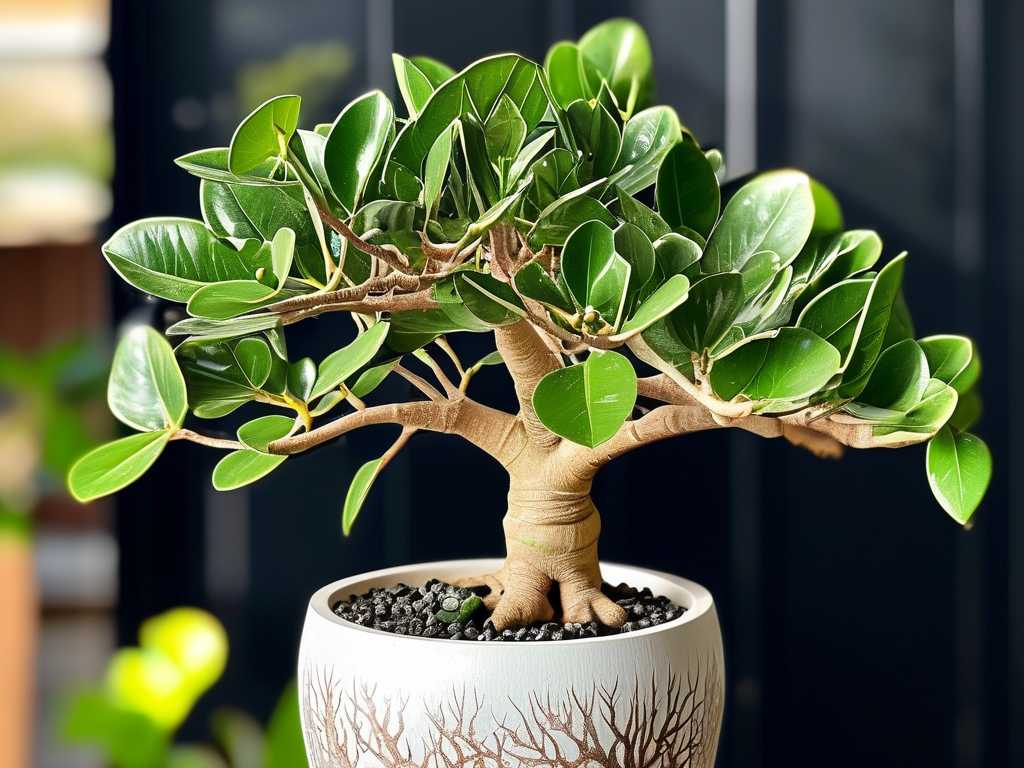
Before we dive into action, it’s essential to grasp the why. During winter, lower light levels and cooler temperatures signal to your Money Tree that it’s time to rest. Growth dramatically slows or stops entirely. As the Royal Horticultural Society (RHS) notes, many houseplants, including tropicals, enter a dormant or semi-dormant state in winter, and their care must adjust accordingly. Pushing growth with summer-style care is the single biggest mistake plant parents make. The plant’s metabolism drops, meaning its need for water and nutrients plummets. Recognizing this shift is the foundation of all successful winter care for Pachira aquatica.
My Two-Week Winter Care Adjustment Experiment
Last November, when I noticed the first signs of dormancy—a complete halt in new leaf production—I decided to document a deliberate two-week transition. My goal was to systematically adjust each care variable and observe the plant’s response.
- Days 1-3: Light Assessment & Relocation: I moved my Money Tree from its summer spot a few feet back from a south-facing window to a position directly in front of a large east-facing window. This provided brighter, direct morning light but avoided the potential scorch of harsh afternoon sun, which is weaker in winter but can still be intense through glass. The American Horticultural Society (AHA) emphasizes the importance of maximizing available light for indoor plants during short winter days. I observed no negative reaction; the plant maintained its posture.
- Days 4-10: The Watering Revolution: This was the most critical change. I completely stopped my calendar-based watering. Instead, I deeply probed the soil with my finger, going a full 2-3 inches down. I watered only when that depth was completely dry. For my medium-sized tree in a ceramic pot, this meant extending the interval from 7 days to nearly 18 days. I used room-temperature water to avoid root shock. The effect was immediate and positive: the subtle, worrying yellow tinge on a few lower leaves stabilized.
- Days 11-14: Fertilizer Halt & Humidity Check: I ceased all fertilizer applications—a non-negotiable step during dormancy. I also placed a shallow pebble tray filled with water near the plant to combat dry air from heating systems, grouping it with other plants to create a more humid microclimate.
The Result: After 14 days, my Money Tree showed zero signs of new growth (which was expected and good), but crucially, it also showed no further leaf loss or discoloration. It looked stable, robust, and simply… resting. This experiment confirmed that a proactive, observation-based adjustment is far better than reacting to distress signals.
Your Essential Winter Care Checklist: A Deep Dive
Here is the actionable framework I now follow every winter, born from both success and failure.
1. Mastering the Art of Winter Watering This is where I failed initially. Overwatering is the fastest path to root rot in a dormant Money Tree. Your mantra must be: “When in doubt, wait it out.”
- My Method: I use the “finger test” religiously. For larger floor plants, a moisture meter is a worthwhile investment to check conditions at root level. Ensure your pot has excellent drainage. When you do water, do so thoroughly until water runs freely from the drainage holes, then let all excess water drain away completely. Never let the plant sit in a saucer of water.
2. Optimizing Light for Weak Winter Sun While your tree needs less water, it craves as much light as it can get.
- My Strategy: A south or east-facing window is ideal. I gently rotate the pot a quarter turn each time I water to ensure even exposure. If you have very poor natural light, consider a basic grow light. I used a simple LED grow bulb in a desk lamp for 4-6 hours a day during a particularly gloomy winter, and it prevented the leggy, stretched growth that indicates light starvation.
3. Temperature and Humidity: Creating a Stable Microclimate Money Trees prefer temperatures between 60-75°F (15-24°C). The real enemy is fluctuation.
- My Setup: I keep my tree away from drafty windows, heating vents, and roaring fireplaces. That pebble tray I mentioned increases humidity around the plant. Misting, as noted by many experts including the RHS, offers a very temporary humidity boost and can promote fungal issues if overdone, so I rely more on grouping plants and using a tray.
4. The Complete Fertilizer Pause Feed a dormant plant, and you risk fertilizer burn as unused salts build up in the soil. I do not fertilize from late October until I see clear signs of new growth in early spring, usually around March.
Common Winter Problems I’ve Faced (And Solved)
- Yellowing Leaves: My first winter, this panicked me. I learned that a few lower leaves yellowing and dropping is normal senescence. However, widespread yellowing is usually a cry about water. Soggy, wet soil points to overwatering. Bone-dry soil and crispy tips point to underwatering (yes, it’s possible even in winter!). Adjust your watering probe depth and frequency.
- Leaf Drop: Significant leaf drop is typically due to a sudden change in environment—a draft, a big temperature swing, or relocation shock. Find a stable spot and leave it there for the season.
- Pests (Spider Mites): Dry indoor air can invite spider mites. I once noticed fine webbing and stippling on leaves. My solution was to wipe every leaf gently with a soft cloth dipped in a solution of mild soap and water, followed by a rinse with a damp cloth. I repeated this weekly for three weeks and the infestation was cleared without harsh chemicals.
Frequently Asked Questions
Can I repot my Money Tree in winter? It’s strongly advised to wait. Repotting encourages root growth, which you don’t want to force during dormancy. The plant is in a low-energy state and may struggle to recover. Spring and summer are the ideal times for repotting.
My Money Tree is near a vent and losing leaves. What should I do? Move it immediately. Hot, dry air blowing directly on the plant is incredibly stressful. Find a spot with stable, ambient room temperature, even if it has slightly less light. Consistency is more important during dormancy.
How do I know when dormancy is over and spring care should begin? Watch for the cues. You’ll see small, reddish buds at the growth points (nodes) on the stems, which will unfurl into fresh, bright green leaves. This is your signal to gradually resume watering more frequently and apply a half-strength balanced fertilizer.
Caring for a Money Tree in winter is less about doing more and more about doing less, but doing it more thoughtfully. It’s a season of rest, for both the plant and the plant parent. By shifting your focus from growth to maintenance—prioritizing bright light, infrequent but thorough watering, and stable temperatures—you’re honoring your plant’s natural cycle. Trust the process, observe closely, and resist the urge to over-care. When that first new leaf pushes through in spring, you’ll know your patient, informed stewardship has paid off, setting the stage for another lush, prosperous year of growth.