admin
admin How to Care for a Money Tree in a Low-Light Room: A Plant Lover’s 2-Week Experiment
I used to think my apartment was a plant graveyard. Every corner seemed to swallow sunlight, leaving my leafy ambitions in perpetual twilight. Then I brought home a Money Tree (Pachira aquatica), lured by its reputation for resilience. But when I placed it in my dimmest room, a north-facing space with only indirect, filtered light, I knew I had a challenge on my hands. How to care for a Money Tree in a low-light room became my personal mission. This guide isn’t just theory; it’s the documented journey of my two-week experiment to not just keep my Money Tree alive, but to help it thrive under less-than-ideal lighting.
Understanding Your Low-Light Environment and Your Money Tree
First, let’s define “low-light.” This isn’t total darkness. It’s a room with north-facing windows, or a spot several feet back from an east/west window, or a space filtered by a building or trees. Your Money Tree won’t get hours of direct sun here. According to the Royal Horticultural Society (RHS), plants like the Money Tree are tolerant of lower light but their growth will slow significantly. They emphasize that the key in such conditions is balancing every other aspect of care, especially watering.
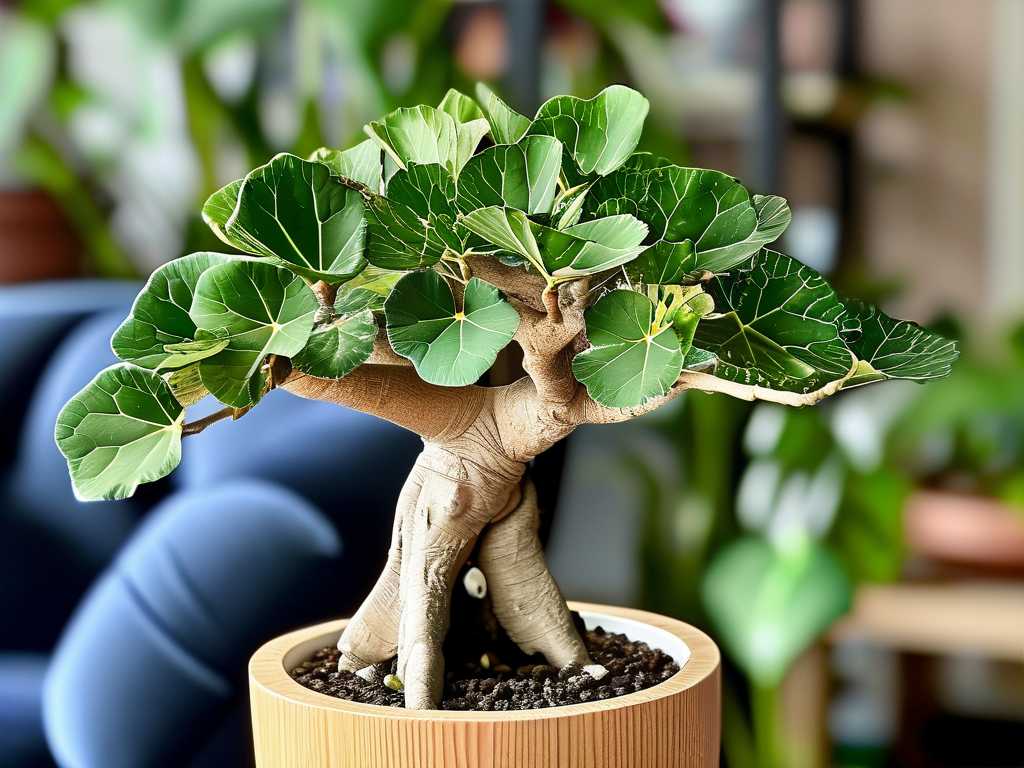
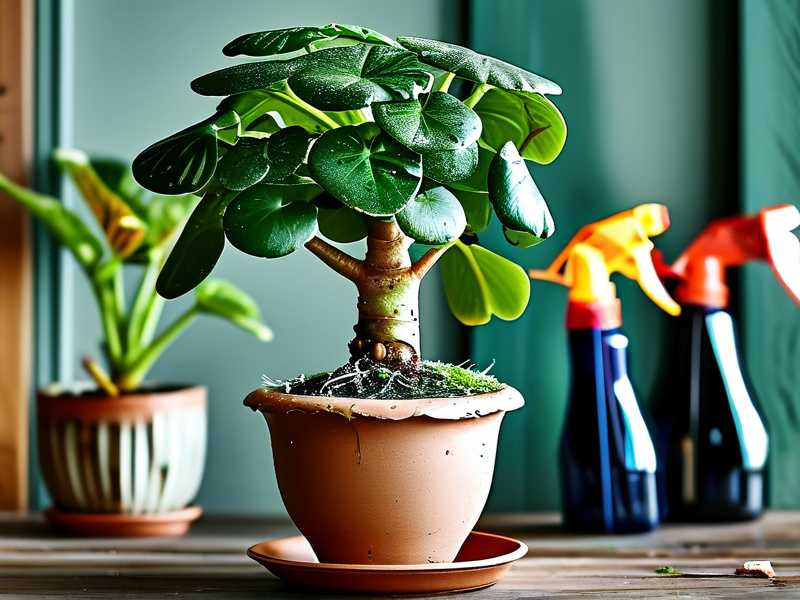
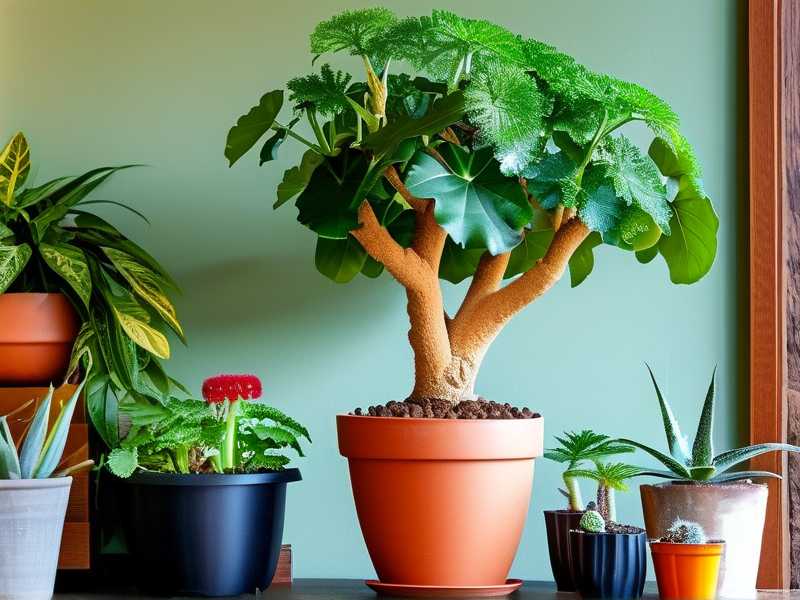
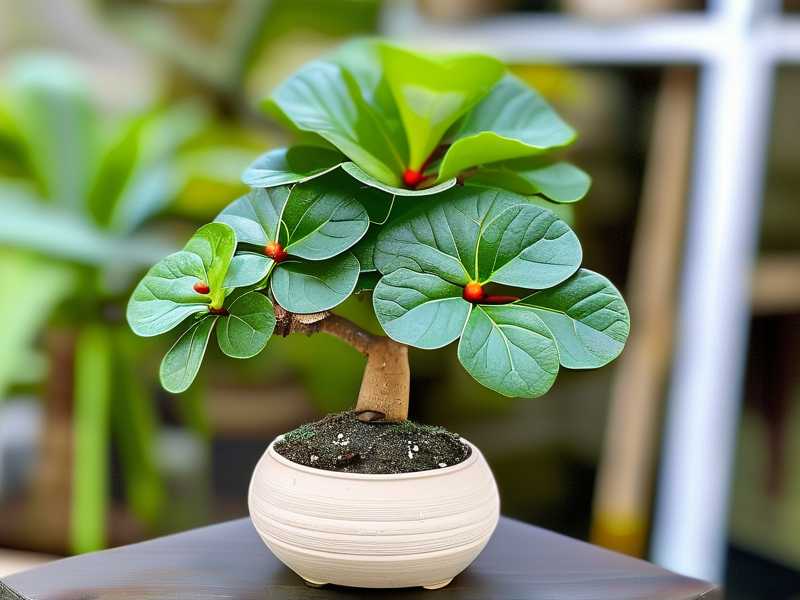
My Money Tree arrived healthy, with five braided trunks and a lush canopy. I chose a spot about 8 feet from a north-facing window—truly a low-light test zone. Before starting, I noted its condition: soil moisture, leaf color, and overall posture. This baseline was crucial.
The Core Strategy: Watering Less Is More
This is the single most important rule. In bright light, soil dries quickly. In low light, evaporation slows to a crawl. Overwatering is the fastest way to kill your Money Tree, leading to root rot.
My Step-by-Step Watering Protocol:
- The Finger Test is Law: I abandoned any schedule. Every 3-4 days, I inserted my finger 2-3 inches into the soil. If it felt even slightly damp or cool, I walked away.
- Deep, Infrequent Soaks: Only when the top 2-3 inches were completely dry did I water. I placed the pot in the sink and watered slowly until liquid ran freely from the drainage holes. This ensured the entire root ball was moistened.
- The Emptying Ritual: I never let it sit in a saucer of water. After 30 minutes in the sink, I emptied the cache pot completely. Stagnant water is a root’s worst enemy in low light.
The 2-Week Observation & The “Oops” Moment:
By Day 10, the soil was still moderately moist. The plant showed no signs of thirst (no drooping or yellowing). I was proud of my restraint. Then, on Day 12, I noticed one smaller leaf near the base turning slightly yellow and soft. Panic! Was it root rot already?
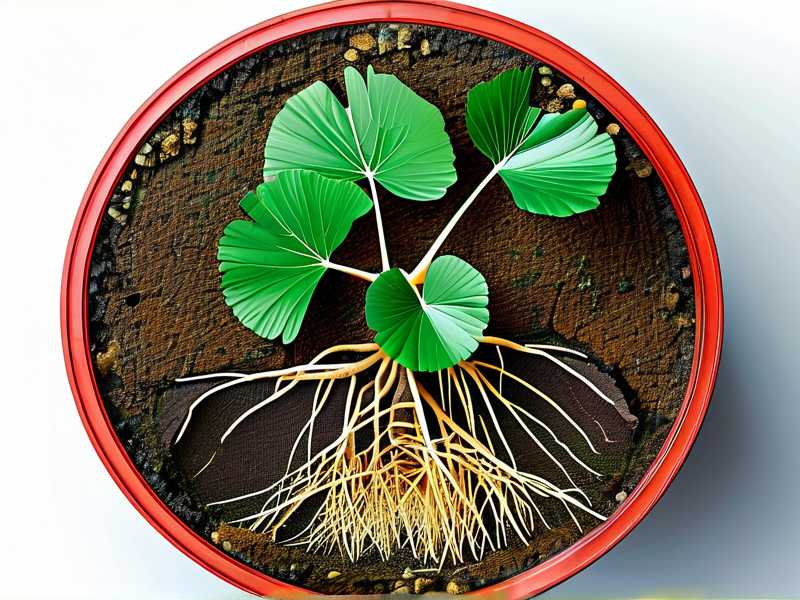
I gently removed the plant from its pot. The roots were mostly firm and white, but the soil was still very damp at the bottom. I had made a classic mistake: my potting mix was too moisture-retentive. The care for Money Tree low light conditions demanded a grittier medium.
My Solution: I didn’t repot fully to avoid stress, but I carefully aerated the soil with a chopstick and placed the pot on a towel for a few hours to wick away excess moisture. I resolved to repot with a well-draining mix after the experiment. This incident underscored that growing Money Tree in low light is 90% about preventing waterlogging.
Maximizing Every Photon of Light
While you can’t create sun, you can optimize what’s available.
My Light-Enhancement Tactics:
- The Mirror Trick: I placed a large mirror on the wall adjacent to the window. This reflected a surprising amount of ambient light onto the other side of the Money Tree’s canopy.
- Dust is the Enemy: I gently wiped each leaf with a damp cloth on Day 1. Clean leaves photosynthesize more efficiently. The difference in shine was immediate.
- The Quarterly Rotation: Every Sunday during my experiment, I rotated the pot a quarter turn. This prevented the plant from leaning and ensured all sides received equal, albeit low, light exposure.
The American Horticultural Society (AHS) notes that for plants in suboptimal light, cleanliness and even exposure are simple yet highly effective practices to maintain plant health.
The Supporting Cast: Humidity, Feeding, and Pruning
Humidity is a Silent Helper: Low-light rooms are often stagnant. I placed a shallow tray filled with water and pebbles near the plant (not under it). As the water evaporated, it created a microclimate of higher humidity. I noticed the newer leaf buds seemed less prone to drying out.
Fertilizing with Extreme Caution: Since growth is minimal, nutrient needs are low. I used a balanced, liquid houseplant fertilizer diluted to half the recommended strength. I applied it only once at the beginning of the experiment. The RHS advises against fertilizing dormant or slow-growing plants in winter or low light, as it can lead to salt buildup in the soil.
Pruning for Health, Not Shape: My goal wasn’t to shape but to direct energy. On Day 3, I used sterile pruners to snip off one small, slightly misshapen leaf. This was a minor adjustment, but in low-light indoor Money Tree care, removing any potentially unhealthy or inefficient foliage helps the plant focus its limited energy on maintaining its healthy leaves.
The 2-Week Verdict: What Actually Happened?
After 14 days of this meticulous care, here were my results:
- Growth: Almost zero visible new growth. This was expected and actually a good sign—the plant was conserving energy, not straining for light.
- Leaf Health: Aside from the one yellowed leaf (my watering mix fault), the rest of the foliage remained a deep, glossy green. No further yellowing or leaf drop occurred after I aerated the soil.
- Firmness: The trunks remained firm, and the leaves were turgid, showing no signs of underwatering stress.
- Conclusion: The plant was stable. It wasn’t thriving explosively, but it was holding its own beautifully. The core strategy of radical underwatering and light optimization was a success.
Can a Money Tree survive in a room with no windows? While remarkably tolerant, a room with absolutely no natural light is a major challenge. It would not survive long-term. For such spaces, you must provide a strong artificial grow light for 6-8 hours daily to mimic its basic needs. A Money Tree is tough, but it is not a mushroom.
What are the sure signs my low-light Money Tree is getting too much water? The earliest sign is yellowing, soft leaves, particularly lower ones. The soil will persistently feel wet or soggy. In advanced cases, the stems near the soil may become soft and mushy. If you suspect this, stop watering immediately, aerate the soil, and check the roots for rot (brown, mushy roots).
Should I move my Money Tree to a bright spot periodically? This is a common temptation, but it’s often a shock to the plant. A sudden move from low light to direct, bright sun can scorch the leaves. If you wish to give it a light boost, move it gradually over a week, increasing exposure by an hour or two each day. For consistent low-light Money Tree tips, it’s better to optimize its permanent spot rather than moving it around.
Caring for a Money Tree in a dim space is a lesson in restraint and observation. It defies the instinct to constantly “do something.” Success lies in mastering the art of less—less water, less fertilizer, less disturbance. My two-week experiment proved that with a sharp eye on soil moisture, a commitment to optimizing every scrap of light, and the patience to let it adapt, you can enjoy the serene, green presence of a Money Tree even in your coziest, shadiest corner. It becomes a testament not to forcing nature, but to working thoughtfully within its limits.